


 Vaata sisu
 Jaga teost
 Jaga
Jaga
 Detailid
 Õppekate juhend

 Laadi alla
 Sarnased teosed
 Röntgenuuring
 Slaidietendus
 Statistika
Still life


Picasso's 'Still Life' (1908) exemplifies early Cubism with fragmented forms & multiple viewpoints. Explore everyday objects reimagined in an innovative composition.
 Loe lähemalt
Pablo Picasso (1881–1973) oli revolutsiooniline hispaania kunstnik ja kubismi rajaja, tuntud teoste "Guernica" ja "Les Demoiselles d'Avignon" poolest. Tema loominguline pärand jätkab inspiratsiooni andmist!
Sellel lehel kuvatav kunstiteos on kaitstud autoriõigusega, mis tähendab, et meil ei ole seaduslikku õigust luua või müüa identset reproduktsiooni. Seda kaitset rakendatakse rahvusvaheliste kokkulepete alusel, nagu näiteks Berne konventsioon ning riiklike seadustega, sealhulgas nendega, mida on sätestatud USA autoriõiguse seadus – 17. peatükk.
See meetod järgib täielikult autoriõiguse reegleid, kuna see ei põhine kaitstud kunstiteose kopeerimisel või dupliteerimisel. Selle asemel on tegu loova reinterpreetatsiooniga – uue maaldisega, mis on algteosest inspireeritud, kuid ei ole sellest identiline.
Giclée / Kunstiprint
Muuseumikvaliteediga giclée- või kangasprint kiire tootmisega ja paindlikud viimistlusvõimalused. ( Telli käsitsi maalitud reproduktsioon Ülemineku digitaalse pildi müügi kanalisse)




P118B €10

P118H €10

P118W €10

P438Z €10

P508JH €12

P508YH €12

P805H €10

P805Z €10

P919BZ €10

P919G €10

P919XJ €10

P959ZH €10

P968JZ €12

W106C €8

W218G €10

W218JH €8

W218Y €10

W307PJ €10

W316G €10

W316PJ €8

W316Y €10

W398PJ €8

W4111J €10

W500HY €15

W500JH €15

W692G €12

W849H €8

W940BG €15

W953PJ €8




Standardne suurus
kohandatud
CM
INCH
Vali meie eelmääratud suurused, mis vastavad teose algupärastele proportsioonidele.
Loading sizes...

laius
kõrgus
Sisestage vajalik laius ja kõrgus, et see sobiks teie raamile või seinale. Trükki saab ainult lõigata, seda ei saa kunagi pildist suuremaks teha, seega ka differentse vormiga suurus kaotab osa pildist. Enne trükkimist saadame teile kinnitamiseks digitaalse näidisprojektsiooni. Sellel lehel näidatud pilt ei kujuta reaalset lõiget — seda näitab ainult näidisprojekttsioon.
Ülemaailmne tarne () 2 nädala jooksul, tavalise 4/5 nädala asemel. (22 oktoober)

Tasuta ekspresssaatmine üle maailma

Kõrgekvaliteediline lina-kangastest muld

Täielik transpordikindlustus

Tollimaksude tagastamise garantii

Värvitoime täpsuse garantii

100 päeva tagastusõigus (ainult defektide korral)

100% raha tagasi garantii

Hulgusoodustus
 Klaasivalik on saadaval ainult kuni 110 cm suuruses teostes

Still life
Giclée / Kunstiprint
Reproduktsiooni mõõtmed
-


Lõppsumma
€ 61
Still Life by Pablo Picasso: A Cubist Masterpiece
- Title: Still life
- Artist: Pablo Picasso
- Date: 1908
- Medium: Oil on canvas
- Dimensions: Unknown
Subject and Composition
Pablo Picasso's "Still Life," created in 1908, is a quintessential example of his early Cubist explorations. The painting depicts an assortment of everyday objects—cups, bowls, fruit (apples and oranges), and a banana—arranged on what appears to be a table or surface. However, the traditional sense of perspective is deliberately disrupted. Picasso doesn't present these objects from a single viewpoint; instead, he fragments them and reassembles them in an abstracted composition. The cups are notably placed with one larger than the others, while bowls are scattered throughout the scene. The strategic placement of fruit creates visual balance, but also contributes to the overall sense of spatial ambiguity.
Style and Technique: Analytical Cubism
"Still Life" firmly belongs to Picasso's Analytical Cubism period. This style, developed alongside Georges Braque, involved breaking down objects into geometric shapes—cubes, cones, cylinders—and then reassembling them on the canvas in a way that presented multiple viewpoints simultaneously. The color palette is muted and restrained, primarily consisting of browns, grays, and ochres. This limited range of colors further emphasizes the focus on form and structure rather than vibrant hues. Picasso’s technique involves meticulous observation and analysis of the objects, followed by their deconstruction and reconstruction in a new visual language that challenges traditional representational art.
Historical Context and Influences
The creation of "Still Life" occurred during a pivotal moment in art history—the birth of Cubism. Picasso was deeply influenced by Paul Cézanne's earlier explorations of form and perspective, particularly Cézanne’s still lifes that emphasized the underlying geometric structure of objects. Furthermore, African sculpture played a significant role in shaping Picasso’s artistic vision during this period. The simplified forms and abstracted representations found in African masks and sculptures inspired him to move away from traditional Western art conventions and embrace a more fragmented and conceptual approach to depicting reality. This painting reflects a broader shift in the art world towards abstraction and experimentation, marking a departure from representational realism.
Symbolism and Emotional Impact
While seemingly simple in subject matter—a collection of ordinary objects—"Still Life" carries profound symbolic weight. The fragmentation of forms can be interpreted as representing the complexities of modern life and the breakdown of traditional perspectives. The muted color palette evokes a sense of introspection and quiet contemplation. Rather than eliciting strong emotional responses, the painting invites viewers to engage in an intellectual exercise – to decipher the relationships between the fragmented elements and reconstruct their meaning. The overall effect is one of understated elegance and intellectual rigor, characteristic of Picasso’s groundbreaking Cubist style.
Küsimused ja vastused
Millise kunstisuunaga kuulub teos „Still life“, autor Pablo Picasso nn-väljendisse?
Teos „Still life“, autor Pablo Picasso kuulub Cubism suunasse. See suund annab teosele stilistilise konteksti.
Milline paigutus sobib teose „Still life“, autor Pablo Picasso formaadile?
Olles vormilt Vertikaalne, on teose "Still life" reproduktsiooni soovitatud kasutada ruumis Elutuba.
Mis tüüpi teos on „Still life“, autor Pablo Picasso?
Kataloogis on teos „Still life“, autor Pablo Picasso liigitatud kui Seinakunst. See kategooria aitab leida sarnaseid teoseid.
Kunstniku elulugu
Pablo Picasso: Kunstirevolutsiooni Pärand
Pablo Ruiz y Picasso, nimi mis on muutunud sünonüümiks kunstilisele revolutsioonile, sündis 25. oktoobril 1881. aastal Málagas, Hispaanias. Tema elu paistis juba algusest peale olevat otsustatud loova väljendusega; legendi kohaselt olid tema esimesed sõnad “piz, piz,” katse öelda ‘pencil’. See varane kalduvus toitus tema isa José Ruiz y Blasco poolt, kes oli maalija ja kunstipädeja ning andis noorele Pablosele põhialaseid oskusi. Kuid õpilane ületas peagi õpetaja, demonstreerides märkimisväärset andekust loodusliku kujutise osas, mis viitas sisemisele hiiglaslikule talentile. Pere järgmised kolimisõud – esmalt A Coruñasse ja seejärel Barcelonasse – olid täidetud isiklike tragödiatega, eriti õe Concepcióni kaotusega, kogemused, mis oleksid hiljem peenselt sisse põiminud tema töösse melankoolia ja suremuse teemasid. Isegi Barcelona Kunstiakadeemias ja Madridi Kuninglikus San Fernando Akadeemias lühikesed õpinguperioodid ei suutnud Picasso piirata akadeemiliste reeglitega; ta eelistaski end ümbritsema meistrite, nagu Velázquez ja Goya, töödega, vormindades oma teed kunstilise innovatsiooni poole.Sinimelanhoolia Ajast Roosa Hõngudeni
20. sajandi algusaastad olid tunnistajaks Picasso loomingus kahest erilisest perioodist: Sinimelanhoolia ajast (u 1901–1904) ja Roosiajast (1904–1906). Sinimelanhoolia aega, mis sündis isiklikust leinast ja ühiskondliku kannatuse teadlikkusest, iseloomustavad maalitud tööd, mis on täidetud kurva sinise ja sinist-rohelise värvusega. Need tööd on täis marginaliseeritud figuure – vaeseid, pimedaid, prostituutide – kes on kujutatud hirmutava sümpoatia abil, rääkides eraldumisest ja meelehõngast. La Vie (1903) ja Vana Kitarrimängija (1903–1904) seisavad kui vaimulikud näited sellest emotsionaalselt laetud perioodist. Isikliku elu muutused, koos Pariisi kolimisega, kuulutasid Roosiaja saabumist. Palett soojenes märkimisväärselt, hõlbudes roosasid, oranže ja punaseid värve, mis peegeldavad optimistlikumat vaadet. Sel perioodil oli täheldatav fookus tsirkuseartistidele – harlekvinidele, akrobaatidele ja perekondade truppidele – figuurid, mis kehastasid nii haprust kui ka vastupidavust. Saltimbanque’ide Sugukonna (1905) kujutab kaunilt seda üleminekuaega, vihjates ees ootavatele stilistilistele uurimistöötle.Perspektiivi Purustamine: Kubism ja Edasi
Aasta 1907 tähistas pöördelist hetke kunstiajaloos Les Demoiselles d'Avignon loomisega. Iberian skulptuuride ja Aafrika maskide mõjul see murranguline maal purukas traditsioonilised perspektiivi ja kujutamise arusaamad. See oli radikaalne lahkumine, teadlik rejektatsioon sajanditevanustest konventsioonidest, mis rajasid tee kubismile. Georges Braquega lähedases koostöös Picasso kaasasutas revolutsioonilise liikumise, mis muutis fundamentaalselt seda, kuidas kunstnikud maailma tajusid ja kujutasid. Analüütiline Kubism (1909–1912) hõlmas objektide fragmentimist geomeetrilisteks kujutisteks, mis on esitatud vaoshoitlikes värvitoonides, kui oleks tegemist vormi lahti võtmisega. See arenes sünteetiliseks Kubismiks (1912–1919), mis sisaldas kollaažielemente – ajalehe väljalõikeid, kangatükke – lisades tekstuuri ja uusi visuaalseid kihte. Picasso ei tahtnud lihtsalt maailma kujutada; ta püüdis seda dekonstrueerida ja oma tingimustel rekonstrudeerida.Püsiv Katsetaja: Neo-klassitsism, Surrealism ja Sõda
1920ndad nägid Picassot lühikeselt neo-klassistiliste stiilide uurimistööd, luues monumentaalseid figuure, mis kajastasid klassikalisi vorme, säilitades samas eristuva modernse tundlikkuse. Samal ajal suhtus ta kasvavasse sürrealismi liikumisse, kuigi ei seadnud end kunagi selle põhimõtetega täielikult ühte. Tema töö sel perioodil segas varasemaid stilistilisi mõjutusi sürreaalsete kujundite ja moonduvate perspektiividega, demonstreerides tema pidevat katsetamist. Hispaania kodusõja õudused mõjutasid sügavalt Picasso, kulmineerudes Guernica (1937) loomisega – viskeraalne ja emotsionaalselt hävitav reaktsioon Guernica pommitamisele. See monumentaalne teos sai kuju sõja julmuste püüsiva sümbolina, kinnistades Picasso rolli mitte ainult kunstnikuna, vaid ka võimsana rahu ja sotsiaalse õigluse eest seisva häälega. 1950ndatel ja 60ndatel jätkas ta piiride nihutamist, uurides keraamikat, skulptuuri ja trükikunsti vankumatu uudishimu ja oskusega. Abielu Jacqueline Roque’iga aastal 1961 tõi uue dimensiooni tema isiklikku elu ja kunstilisse väljendusse.Mõõdetamatu Mõju
Pablo Picasso suri 8. aprillil 1973 Mouginsis, Prantsusmaal, jättes maha hämmastava hulga töid – hinnanguliselt üle 50 000 teose – mis jätkuvad fassaaditööd ja inspireerivad. Tema kunstiline areng kujunes mitmesuguste mõjutajate poolt, Hispaania meistritest nagu Velázquez ja Goya kuni Iberian skulptuuride, Aafrika kunsti ja Henri Matisse’i elava värvipalettini. Tema mõju 20. sajandi kunstile on mõõdetamatu. Ta kaasasutas Kubismi, pioniiriks kollaaži ja konstruktiivse skulptuuri ning esitas pidevalt kunstilisi konventsioone väljakutseteks. Picasso pidev katsetamine määras uuesti tänapäeva kunsti, jättes kustumatu jälje põlvkondadele kunstnikele ja kinnistades tema positsiooni ajaloo ühe olulisema ja mõjukama figuurina. Tema pärand ulatub kaugemale lõuendini, resonantsides arvukates kaasaegse kultuuri aspektides ja tuletades meile meelde kunstilise visiooni muutvat jõudu.
Pablo Picasso
1881 - 1973 , Hispaania
Lühikest infot
- Artistic Movement Or Style: Kubism, Surrealism
- Artists Or Movements Influenced By This Artist:
- Kubism
- Modern art
- Artists Who Influenced This Artist:
- Velázquez
- Goya
- Matisse
- Date Of Birth: 25. oktoober 1881
- Date Of Death: 8. aprill 1973
- Full Name: Pablo Diego José Ruiz Picasso
- Nationality: Hispaanlane
- Notable Artworks:
- Les Demoiselles d'Avignon
- Guernica
- The Old Guitarist
- La Vie
- Family of Saltimbanques
- Place Of Birth: Malaga, Hispaania
Sarnased artiklid

Cubist Expression: 10 Masterpieces That Revolutionized Modern Art | TopImpressionists
Explore 10 Cubist masterpieces by Picasso, Braque & more! Discover the stories behind these revolutionary paintings and their impact on modern art. Find museum-quality reproductions for your home at TopImpressionists.com – where art comes to life.
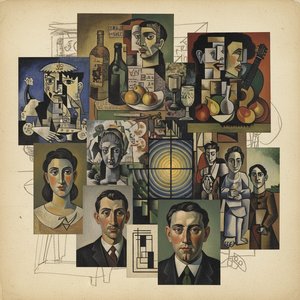
Cubism's Revolution: 10 Masterpieces That Redefined Modern Art | TopImpressionists
Explore 10 Cubist masterpieces by Picasso, Braque & more! Delve into the history of this revolutionary art movement. Find museum-quality reproductions and elevate your home decor with TopImpressionists. Discover all masterpieces on TopImpressionists.com

Georges Braque: 25 meistriteost, mis muutsid kunsti – TopImpressionists.com
Avastage Georges Braque 25 ikoonilist teost! Sukeldu kubismi maailma, modernse kunsti geomeetrilistesse vormidesse ja värvikates maalidess. Leia inspiratsiooni interjööri kujunduseks TopImpressionists.com-is. Kunstikollektsioonid ja kvaliteetsed reproduktsioonid.

Pablo Picasso: A Revolutionary Vision – Cubism, Symbolism & Enduring Legacy
Explore the revolutionary art of Pablo Picasso with TopImpressionists.com. Discover Cubism's origins, symbolism in his masterpieces & investment insights for collectors. Expert appraisal & custom reproductions available.

Deconstructing Reality: A Comprehensive Exploration of Cubist Still Life
Explore the revolutionary world of Cubist Still Life with TopImpressionists. Discover Picasso & Braque's groundbreaking techniques, its philosophical roots, and lasting impact on modern art. Expert insights for collectors.
Avastage teoseid, mis on koondatud teemade, stiilide ja omaduste kaupa.


