


 Vaata sisu
 Jaga teost
 Jaga
Jaga
 Detailid
 Õppekate juhend

 Laadi alla
 Sarnased teosed
 Röntgenuuring
 Slaidietendus
 Statistika
flowers sun


Explore Paul Cézanne's 'Flowers Sun,' a masterful Impressionist still life capturing vibrant blooms bathed in sunlight. Discover its geometric forms and lasting influence on modern art reproduction available at TopImpressionists.
 Loe lähemalt
Avasta Paul Cézanne (1839-1906): Postimpressionistlik pioniir, kes ühendas impressionismi ja kubismit. Tutvu geomeetriliste kujudega, stillelifidega ja tema püsiiväljaga kaasaegses kunstis! #Cezanne #Postimpressionism
Giclée / Kunstiprint
Muuseumikvaliteediga giclée- või kangasprint kiire tootmisega ja paindlikud viimistlusvõimalused. ( Telli käsitsi maalitud reproduktsioon Ülemineku digitaalse pildi müügi kanalisse)




P118B €10

P118H €10

P118W €10

P438Z €10

P508JH €12

P508YH €12

P805H €10

P805Z €10

P919BZ €10

P919G €10

P919XJ €10

P959ZH €10

P968JZ €12

W106C €8

W218G €10

W218JH €8

W218Y €10

W307PJ €10

W316G €10

W316PJ €8

W316Y €10

W398PJ €8

W4111J €10

W500HY €15

W500JH €15

W692G €12

W849H €8

W940BG €15

W953PJ €8




Standardne suurus
kohandatud
CM
INCH
Vali meie eelmääratud suurused, mis vastavad teose algupärastele proportsioonidele.
Loading sizes...

laius
kõrgus
Sisestage vajalik laius ja kõrgus, et see sobiks teie raamile või seinale. Trükki saab ainult lõigata, seda ei saa kunagi pildist suuremaks teha, seega ka differentse vormiga suurus kaotab osa pildist. Enne trükkimist saadame teile kinnitamiseks digitaalse näidisprojektsiooni. Sellel lehel näidatud pilt ei kujuta reaalset lõiget — seda näitab ainult näidisprojekttsioon.
Ülemaailmne tarne () 2 nädala jooksul, tavalise 4/5 nädala asemel. (24 oktoober)

Tasuta ekspresssaatmine üle maailma

Kõrgekvaliteediline lina-kangastest muld

Täielik transpordikindlustus

Tollimaksude tagastamise garantii

Värvitoime täpsuse garantii

100 päeva tagastusõigus (ainult defektide korral)

100% raha tagasi garantii

Hulgusoodustus
 Klaasivalik on saadaval ainult kuni 110 cm suuruses teostes

flowers sun
Giclée / Kunstiprint
Reproduktsiooni mõõtmed
-


Lõppsumma
€ 61
A Pioneer Bridging Impressionism and Cubism – Paul Cézanne's Flowers Sun
Paul Cézanne (1839-1906) stands as a pivotal figure in the artistic landscape of the late 19th century, marking a decisive transition from the fleeting beauty championed by Impressionists to the groundbreaking geometric explorations that would define Cubism. His singular approach—a meticulous dissection of observed forms coupled with an unwavering commitment to underlying structure—established a foundational influence on subsequent avant-garde movements and cemented his place as one of France’s most enduring artistic icons.
The Painting: Flowers Sun – Cézanne's Mature Style Embodied
“Flowers Sun” exemplifies Cézanne’s masterful culmination of Impressionist sensibilities while simultaneously foreshadowing the radical stylistic shifts to come. Executed around 1909, this still life depicts a vase brimming with blossoms—primarily yellow daffodils and delicate white lilies—against a backdrop of muted greens and browns illuminated by diffused sunlight filtering through a window. Cézanne’s distinctive brushstrokes aren't merely decorative; they are instruments of profound observation. Each stroke seeks to capture not just the appearance of the flowers but also their essence, conveying volume and solidity through layered planes that defy conventional perspective.
Post-Impressionism: Beyond Impressionistic Light
Unlike Impressionists who prioritized capturing ephemeral moments of light and color—a pursuit brilliantly documented by Monet and Renoir—the Post-Impressionist movement sought to delve deeper into artistic expression. Artists like Vincent van Gogh and Georges Seurat reacted against this focus on optical perception, prioritizing subjective emotion and distortion of form. They recognized that Impressionism’s limitations lay in its inability to convey the underlying structure of objects, a challenge Cézanne bravely confronted.
Technique and Symbolism: Cézanne's Innovative Approach
Cézanne’s technique—characterized by broken brushstrokes and deliberate simplification—was revolutionary for its time. He meticulously analyzed the contours of his subjects, reducing them to geometric shapes—cylinders, cones, and planes—that he rebuilt on canvas with painstaking accuracy. This method wasn't merely stylistic; it represented a fundamental rethinking of how artists could represent reality. The flowers themselves hold symbolic significance, representing purity, beauty, and resilience – themes frequently explored by Cézanne throughout his oeuvre.
A Legacy Enduring Inspiration
“Flowers Sun” serves as an unforgettable testament to Cézanne’s artistic vision—a vision that continues to inspire artists and collectors alike. Its quiet grandeur, combined with Cézanne's masterful manipulation of color and form, encapsulates the spirit of Post-Impressionism: a courageous assertion of individual expression against the constraints of convention. Explore more masterpieces by Paul Cézanne on TopImpressionists.com and discover the perfect addition to your art collection.
Küsimused ja vastused
Kas saan näha teose „flowers sun“, autor Paul Cézanne röntgenpilti?
Teose „flowers sun“, autor Paul Cézanne Röntgenkiirgus leht on interaktiivne vaatur, mis võimaldab liikuda läbi teose üheksateist optilise kihti, sealhulgas röntgenlaadunäoga vaadet.
Millisesse ruumi on „flowers sun“, autor Paul Cézanne soovituslik paigutada?
Teos „flowers sun“, autor Paul Cézanne on soovitatav paikutada ruumi Living Room. See soovituse on tehtud teose sisu, värvide ja meeleolu põhjal.
Mille nimetatud või alternatiivsete nimed on Paul Cézanne?
Kunstnik Paul Cézanne tuntub ka nimeel Paul Sésann, Paul Cezanne.
Sarnased teosed


Kunstniku elulugu
Paul Cézanne: Kujude ja värvide revolutsioon
Paul Cézanne, sündinud 1839. aastal Aix-en-Provence'is, Prantsusmaal, on üks olulisemaid tegelasi kunstiajaloos, kes sillutas vahet impressionismi kiirelt muutuvate muljete vahel ja kubismi fragmentaarse vormi poole. Tema tee ei olnud kohene edu; pigem oli see kunstilise uurimistöö aeglane arenemine, märgistatud enesehätta perioodidega ja kriitiliste tagasilöökidega, mis lõppesid pärandiga, mis muutis pöördeliselt kaasaegset kunsti. Sündinud jõuka perekonna – tema isa algul mütsimeister, hiljem pankur – lapsena nautis Cézanne haruldusega finantsilist kindlust, mis võimaldas tal pühenduda oma kirgule ilma kohese ärisuhtsest tuleneva surveta. Kuigi tema isa esialgu soovitas talle õigusteaduslikku karjääri, osutus kunstilise väljenduse tõmme liiga tugevaks ning ta loobus õigusõppest, et pühenduda maalimisega tegelemisele – otsus, mis määras tema elu. Varased mõjud hõlmasid romantismi, mis valitses tema noorusajas, ja Barbizon kooli maastikukunstile pühendumist, kuid just kohtumised kunstnike Paul Gaugenini ja Georges Seurati ning nende innovaatsete värvi- ja vormilähenemistega alustas Cézanne oma eripärase tee rajamist.Varjust struktuurini: stiili arenemine
Cézanne'i varajased tööd kajastasid sageli romantilise maalikorraldusega seotud dramaatilisi ja emotsionaalselt laetud teemasid – tema lõuandid domineerisid tumedad paletid ja väljendusrõngad. Kuid see algusaeg oli vaid samm edasi palju analüütilisema ja murrangulisema lähenemisviisi suunas. Impressioonistide poolt eelistatud kiirelt muutuvate valguse muljete jäädvastamisest rahulolematuna asus Cézanne otsima aluseks olevate objektide struktuuri mõistmist ja esitamine. Ta püüdis mitte ainult seda, mida ta nägi, vaid ka seda, kuidas ta tajus reaalsust moodustavaid põhivorme. See viis tema looduslike kujude lagundamiseni nende geomeetrilisteks ekvivalentideks – koonused, silindrid ja sfäärid –, eelnenud kubismi revolutsioonile aastakümneid varem. Tema tehnika iseloomustas väikesed, korrata-korrata värviprõõmad, mis hoolikalt kihverti moodustavad keerulisi värvi- ja tekstuurivälju, luues kindluse ja sügavuse tunde, mida maalil varem nähtud pole olnud. Ta ei huvitunud illusiooniruumi loomisega; pigem esitas ta sageli objekte mitmest vaatenurgast korraga, väljakutsetes traditsioonilistele perspektiiviideedele ja sundides vaatajat aktiivselt oma kompositsiooni konstruktiivse iseloomuga suhtlema. See teadlik moonutus ei olnud juhuslik, vaid katse edastada täielikuma arusaamise vormist, esindades mitte ainult ühte hetke ajas, vaid tajude süntesi.Maastikud, stilleivid ja inimkuju: peamised tööd ja korduvad motiivid
Cézanne'i looming on märkimisväärselt mitmekesine, hõlmates maastikke, stilleiweid, portreede ja ujujate kujutusi, kuid kõiki ühendab tema ainulaadne vormi- ja värvilahendus. Pond at Jas de Bouffan (1880) illustreerib tema maalikunsti, näidates tema võimekust jäädvustada looduse olemust kujude ja toonide hoolika paigutusega. Émile Zola portree (1866) paljastab tema areneva stiili ning annab veenva pilgu tema lähedase sõbra ja kirjaniku intellektuaalsele intensiivsele iseloomule. Tema stilleivid, näiteks õuntest ja muust puuviljast koosnevad, ei ole pelgud esitused objektidest, vaid mahu, valguse ja ruumisuhete uurimised. Mont Sainte-Victoire sarjast sai Cézanne'i obsessioon – korduv motiiv, mis võimaldas tal aastakümnete jooksul pidevalt uurida vormi ja perspektiivi. Need maalijad ei ole pelgud kujutused mäest; need on uuringud selle kohta, kuidas me tajume sügavust, mahu ja valguse ning varju vahelist koosmõju. Lõpuks esindavad tema ujujate seeriat, mis kujutab paljasid tegelasi idüllilistes maastikedes, sügavat uurimist inimkuju ja selle seost loodusega, sageli sisendatud ajatu ja vaikse kaalutlusega.Innovatsioonist vormitud pärand: Cézanne'i mõju kaasaegsele kunstile
Paul Cézanne'i mõjuga järgnevatele kunstnike põlvkondadele on mõõdetav. Teda peetakse laialdaselt "kaasaegse kunsti isaks" tema murranguliste panuste poolest piltkeelele, mis rajas teed paljudele 20. sajandi suurematele kunstisuundadele. Pablo Picasso ja Georges Braque olid sügavalt võlgnud Cézanne'i geomeetriliste kujude ja mitmekordsete vaatenurgale pööratud tähelepanu, mis said kubismi keskseks põhimõtteks. Tema julge värvitasu ka inspireeris Fauvist liikumist, mida juhtisid kunstnikud nagu Henri Matisse, kes omaks võtsid eredaid, mitte-looduslikke toone. Isegi sürrealistid leidsid kõlakohaks Cézanne'i subjektiivse tajude ja psühholoogilise sügavuse uurimist. Spetsiifiliste liikumiste peale Cézanne'i kunstniku isikliku visiooni rõhutamine ja traditsiooniliste akadeemiliste piirangute keeldumisel vabanetasid põlvekunstnikke uuteks väljendusvormideks. Ta esitas küsimusi ise esindamise definitsiooni kohta, nihutades keskpunkti jäljendamisest visuaalse kogemuse konstruktiivse aluseks oleva struktuuri ja subjektiivse tajude põhjal. Tema surm 1906. aastal ei tähendanud lõppu, vaid algust – uue ajastu koitu kunstiajaloo jaoks, mida kujundas tema revolutsiooniline visioon.
Paul Cézanne
1839 - 1906 , Prantsusmaa
Lühikest infot
- Artistic Movement Or Style: Postimpressionism
- Artists Or Movements Influenced By This Artist:
- Kubism
- Fauvism
- Surrealism
- Artists Who Influenced This Artist:
- Romanticism
- Barbizon koolkond
- Paul Gauguin
- Georges Seurat
- Date Of Birth: 1839-01-19
- Date Of Death: 1906-10-22
- Full Name: Paul Cézanne
- Nationality: Prantsuse
- Notable Artworks:
- The Pond at Jas de Bouffan
- Portrait of Émile Zola
- Forest
- Mont Sainte-Victoire seeria
- The Bathers
- Place Of Birth: Aix-en-Provence, Prantsusmaa
Sarnased artiklid
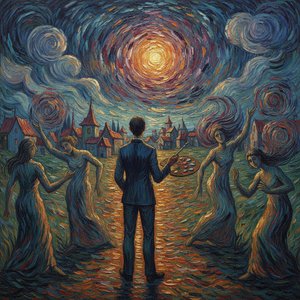
Beyond the Light: Capturing Emotion Through the Expressive Soul of Post-Impressionism
Explore the profound emotional depth of Post-Impressionism. Discover how masters like Van Gogh and Cézanne moved beyond light to capture raw feeling through color and texture. A journey into art history for the true connoisseur.

Beyond the Light: Discovering the Soul and Emotional Depth of Post-Impressionism
Embark on a cultural journey through Post-Impressionism. Discover the profound emotional depth of masters like Van Gogh and Cézanne, exploring how they moved beyond light to capture the very soul of human experience through vibrant color and symbolic form.
Avastage teoseid, mis on koondatud teemade, stiilide ja omaduste kaupa.


