

 Eelvaade
 Saada
Saada Jaga
Jaga
 Teave teose kohta
 Juhend

 Laadi alla
 Sarnased teosed
 Röntgenuuring
 Slaidietendus
 KÜSIMUSED JA VASTUSID
 Statistika
Studies for

- 11.0 x 14.0 cm


 Loe lähemalt
Avastage Paul Sérusieri (1864-1927) loomingut – prantsuse postimpressionisti ja abstraktse kunsti pioneeri töid! Tutvuge tema kloisonismi stiili, Les Nabise mõjuga ning võtmetöödega nagu "Talisman".
Giclée / Kunstiprint
Muuseumikvaliteediga giclée- või kangasprint kiire tootmisega ja paindlikud viimistlusvõimalused. ( Osta käsitsi maalatud teos Lülita digitaalse pildi juurde)




P118B €10

P118H €10

P118W €10

P438Z €10

P508JH €12

P508YH €12

P805H €10

P805Z €10

P919BZ €10

P919G €10

P919XJ €10

P959ZH €10

P968JZ €12

W106C €8

W218G €10

W218JH €8

W218Y €10

W307PJ €10

W316G €10

W316PJ €8

W316Y €10

W398PJ €8

W4111J €10

W500HY €15

W500JH €15

W692G €12

W849H €8

W940BG €15

W953PJ €8




Standardne suurus
kohandatud
CM
INCH
Vali meie eelmääratud suurused, mis vastavad teose algupärastele proportsioonidele.
Loading sizes...

laius
kõrgus
Sisestage vajalik laius ja kõrgus, et see sobiks teie raamile või seinale. Trükki saab ainult lõigata, seda ei saa kunagi pildist suuremaks teha, seega ka erineva mustega suurus kaotab osa pildist. Enne trükkimist saadame teile kinnitamiseks digitaalse näidisprojektsiooni. Sellel lehel näidatud pilt ei kujuta reaalset lõiget — seda näitab ainult näidisprojektsioon.
Ülemaailmne tarne () 2 nädala jooksul, tavalise 4/5 nädala asemel. (7 november)

Tasuta ekspresssaatmine üle maailma

Kõrgekvaliteediline lina-kangas

Täielik transpordikindlustus

Tollimaksude tagastamise garantii

Värvitoime täpsuse garantii

100 päeva tagastusõigus (ainult valmistusdefektide korral)

100% raha tagasi garantii

Hulgusoodustus
 Klaasivalik on saadaval ainult kuni 110 cm suuruses teostes

Studies for
Giclée / Kunstiprint
Reproduktsiooni suurus
-


Koguhind
€ 62
A Moment Frozen in Pencil: Exploring Paul Sérusier’s “Studies for”
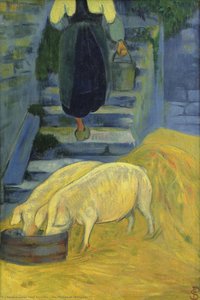
Paul Serusier's "Studies for," executed in 1893, stands as a pivotal work within the burgeoning avant-garde movement of Impressionism and its subsequent evolution into abstract art. Captured on paper with meticulous pencil strokes, this unassuming composition belies an ambitious exploration of form and color—a testament to Serusier’s pioneering spirit and his profound influence on artists like Gauguin and Bonnard. The painting depicts a woman gazing downwards, her hands clasped in contemplation, a posture that speaks volumes about introspection and vulnerability. Her dress is simple yet elegant, grounding the figure against the backdrop of a hazy meadow—a deliberate choice reflecting Serusier’s fascination with capturing atmospheric effects and conveying emotional resonance.- Style & Technique: “Studies for” exemplifies cloisonnism, a technique championed by Gauguin and Serusier themselves. Cloisonnism departs from traditional painting methods by dividing the surface into distinct panels or cells filled with color—a method that prioritizes visual clarity and symbolic representation over realistic depiction. The pencil strokes are deliberately loose and expressive, capturing the essence of observation rather than striving for photographic accuracy.
- Historical Context: Created during the heady days of 1893, “Studies for” emerged from the crucible of Les Nabis—a group of artists who sought to liberate painting from academic constraints. Influenced by Japanese prints and Cézanne’s geometric explorations, Serusier pushed boundaries, questioning established conventions and embracing a radically new aesthetic language.
- Symbolism & Emotion: The woman's downward gaze is laden with symbolic significance—representing contemplation, sorrow, or perhaps an acceptance of fate. The meadow itself serves as a visual metaphor for tranquility and renewal, juxtaposed against the quiet stillness of the figure. Serusier’s masterful use of tonal variation contributes to the painting’s emotional depth, conveying a sense of melancholy yet imbued with subtle optimism.
- Location & Significance: Currently housed at Musée de Pont-Aven in France, “Studies for” remains an invaluable artifact of artistic innovation. Its influence extends far beyond its immediate contemporaries, shaping the trajectory of modern art and inspiring generations of artists to experiment with abstraction and explore the expressive potential of tonal color.
Further Exploration: The Legacy of Cloisonnism
Serusier’s embrace of cloisonnism wasn't merely a stylistic choice; it represented a fundamental shift in artistic thinking. By rejecting illusionistic representation, artists like Serusier sought to distill the visual experience into its purest form—a deliberate rejection of academic realism and an affirmation of subjective perception. This approach paved the way for subsequent developments in abstract art, demonstrating that beauty could reside not just in accurate depiction but also in carefully considered compositional elements and tonal harmonies.A Reproduction Worth Considering
TopImpressionists.com offers exceptional reproductions of “Studies for,” meticulously crafted to capture the nuances of Serusier’s original vision. Utilizing archival pigments and printing techniques, our reproductions faithfully reproduce the painting's subtle color palette and textural qualities—allowing collectors and interior designers alike to experience the artwork's evocative beauty firsthand. Explore our collection today and bring a piece of Impressionist history into your home.Korduvad küsimused
Mille kohta teos "Studies for" on?
„Studies for“, autor Paul Sérusier kujutab: woman, pencil drawing, landscape, gesture, minimalism, composition, symbolism.
Millest on teos "Studies for" valmistatud?
Teose "Studies for" loomisel kasutas Paul Sérusier Acrylic On Canvas tehnikat. See tehnika määrab originaalteose materjalilise olemuse.
Mida „Studies for“, autor Paul Sérusier kujutab ja milline on selle meeleolu?
Teos „Studies for“, autor Paul Sérusier ühendab endas woman, pencil drawing, landscape, gesture, minimalism, composition, symbolism ning loob Serene atmosfääri.
Sarnased teosed




Kunstniku elulugu
Varajane Elu Ja Haridus
Paul Sérusier, prantsuse maalikunstnik, sündis 9. novembril 1864. aastal Pariisis. Tema kunstiline tee algas Académie Julian’is õppimisega, kus ta keskel 1880ndatel sai ka monitoriks. See oli tema kunstilise karjääri algus, mis viiski teda hiljem abstraktsiooni pioneerina ja avantgardse Nabis liikumise inspireerijana tuntuks saama. Sérusier ei olnud kunagi tavaline õpilane; ta otsis pidevalt uusi väljendusviise ning soovis katsetada värviga ja vormiga, et leida oma ainulaadne kunstiline hääl.
Kunstiline Karjäär Ja Pont-Aveni Grupp
Suvel 1888. aastal suundus Sérusier Pont-Aveni, väikesse linnakesse, kus koondus Paul Gauguini ümber grupp maalikunstnikke. Just seal, Gauguini range juhendamisel, valmis “Talisman”, erakordne teos, mis oli äärmiselt kloisonistlik ja lähenes puhtale abstraktsioonile. See maal ei olnud lihtsalt värvide ja kujundite kombinatsioon; see oli manifest, julge katse loobuda traditsioonilisest perspektiivist ja realistlikust esitusest. “Talisman” demonstreeris Sérusieri uuenduslikku stiili ning valmisolekut eksperimenteerida uute tehnikatega. Postimpressionismi vaimus tegutsenud Sérusier oli osa Les Nabise grupi liikmestest, kuhu kuulusid ka Pierre Bonnard, Édouard Vuillard ja Maurice Denis. Kuigi ta ei saanud sama tuntuks kui mõned tema kolleegid, on Sérusieri panus abstraktsiooni arendamisse vaieldamatult suur.
Olulised Teosed Ja Pärand
Sérusieri loomingu hulgas leidub mitmeid silmapaistvaid teoseid:
- L’Averse (1893), Musée d'Orsay, Pariis – maal, mis kujutab vihmast päeva ja on täis melanhooliat ning peenust.
- Portree Paul Ransonist (1890), Musée d'Orsay, Pariis – portree, mis näitab Sérusieri oskust tabada inimese iseloomu ja emotsioone.
- Melancholy (1890) – teos, mis peegeldab kunstniku sisemisi tundeid ja mõtteid.
- Madude sööjad (1894), Muzeum Narodowe, Varssavi – maal, mis on täis sümboolikat ning näitab Sérusieri huvi müstiliste teemade vastu.
Sérusieri hilisemad eluaastad möödusid Académie Ransoni õpetajana ja 1921. aastal ilmunud raamatu “ABC de la peinture” autorina. Ta suri 7. oktoobril 1927. aastal Morlaix’s.
Kloisonism Ja Mõju Kaasaegsele Kunstile
Sérusieri loomingut mõjutas kloisonism, stiil, mida iseloomustavad julged ja lamedad vormid, mis on eraldatud tumedate kontuuridega. See liikumine, mis tekkis 19. sajandi lõpus, mängis olulist rolli kaasaegse kunsti arendamisel. Kloisonism ei olnud lihtsalt tehnika; see oli filosoofia, katse lihtsustada vorme ja rõhutada värvi autonoomiat. Sérusieri maal “Talisman” on suurepärane näide kloisonistlikust stiilist ning sellel teosel on oluline koht kunstiajaloo raamatus. Tema töö avas uued võimalused kunstnikele, kes soovisid katsetada abstraktsiooni ja loobuda traditsioonilisest realistlikust esitusest.
Peamisteks võtmetähtedeks on:
- Paul Sérusier oli prantsuse maalikunstnik, kes oli abstraktsiooni pioneer ja inspireeris Nabise liikumist.
- Ta õppis Académie Julian’is ja hiljem töötas Académie Ransoni õpetajana.
- Sérusieri loomingut mõjutas kloisonism, stiil, mida iseloomustavad julged ja lamedad vormid.
Sérusieri kunst on jätkuvalt inspireeriv ning tema teosed pakuvad vaatajale võimaluse sukelduda värvide ja kujundite maailma, mis on täis sümboolikat ja emotsioone. Tema panus kaasaegsele kunstile on hindamatu ning ta jääb üheks oluliseks figuuriks kunstiajaloo raamatus.

Paul Sérusier
1864 - 1927 , Prantsusmaa
Lühikest infot
- Kunstiliikumine: Postimpressionism
- Mõjutanud Kunstnikud: ['Paul Gauguin']
- Mõjutatud Kunstnikud: ['Nabis']
- Rahvus: Prantslane
- Surmapäev: 7. oktoober 1927
- Sündimiskoht: Pariis, Prantsusmaa
- Sünnipäev: 9. november 1864
- Tuntud Teosed:
- The Talisman
- L'averse
- Täisnimi: Louis-Paul-Henri Sérusier
Sarnased artiklid

Beyond the Light: Discovering the Soul and Emotional Depth of Post-Impressionism
Embark on a cultural journey through Post-Impressionism. Discover the profound emotional depth of masters like Van Gogh and Cézanne, exploring how they moved beyond light to capture the very soul of human experience through vibrant color and symbolic form.