


 Vaata sisu
 Jaga teost
 Jaga
Jaga
 Detailid
 Õppekate juhend

 Laadi alla
 Sarnased teosed
 Röntgenuuring
 Slaidietendus
 Statistika
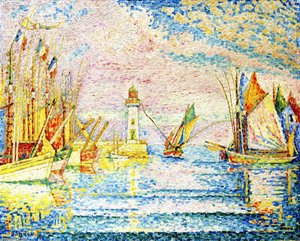
La Voile verte
 Acrylic On Canvas
- WallArt
- Neo-Impressionistic Pointillism
 1904
1904- 19th Century
 65.0 x 81.0 cm
Experience Paul Signac’s vibrant ‘La Voile verte,’ a stunning Pointillist masterpiece capturing sailboats with colorful sails in 1904. This iconic artwork, a cornerstone of Neo-Impressionism, offers a beautiful glimpse into the Harmonious Vision of Paul Signac – discover or own this timeless treasure.
 Loe lähemalt
Avastage Paul Signac (1863-1935), võtme Neoimpressionist ja Pointillismi meister! Uurige elavaid rannamaale, sadamavaateid ning tema mõju kaasaegsele kunstile TopImpressionists'is!
Käsitsi valmistatud õlimaalireproduktsioon
Meie kunstnike poolt tellimusel valmistatud käsitsi maalitud õli-kainaste teos teie soovitud suuruses ja raamis. ( Lülita trükkitoodetele Ülemineku digitaalse pildi müügi kanalisse)




P118B €10

P118H €10

P118W €10

P438Z €10

P508JH €12

P508YH €12

P805H €10

P805Z €10

P919BZ €10

P919G €10

P919XJ €10

P959ZH €10

P968JZ €12

W106C €8

W218G €10

W218JH €8

W218Y €10

W307PJ €10

W316G €10

W316PJ €8

W316Y €10

W398PJ €8

W4111J €10

W500HY €15

W500JH €15

W692G €12

W849H €8

W940BG €15

W953PJ €8




Standardne suurus
kohandatud
CM
INCH
Vali meie eelmääratud suurused, mis vastavad teose algupärastele proportsioonidele.
Loading sizes...

laius
kõrgus
Sisestage vajalik laius ja kõrgus, et teos sobiks teie raamile või seinale. Kuna tegu on käsipainatud teosega, siis erineva kujuga suuruse korral võib kunstnik jätta pildi ümber veidi rohkem marginaali või lõigata osa ära — valik on teie. Enne maali alustamist saadame teile kinnitamiseks digitaalse näidisprojektsiooni. Sellel lehel näidatud pilt ei kajasta tegelikku tulemust — seda näitab ainult näidisprojekttsioon.
Näited muudetavatest elementidest: asenda nägu kliendi fotoga; lisa lemmikloom (nt asenda kass koeraga); lisa taustale peidetud sõnum; muuda tausta maastikku või elemente.
Pärast tellimust saadab TopImpressionists.com meeskond kliendile e-posti juhised ning esitab eelvaate kavandi
Pärast tellimust saadab TopImpressionists.com meeskond kliendile e-posti juhised ning esitab eelvaate kavandi
Maailmline tarne 3–4 nädala jooksul tavalise 5 nädala asemel. (23 oktoober). Kvaliteedis kompromisse ei tehta.

Tasuta ekspresssaatmine üle maailma

Kõrgekvaliteediline lina-kangastest muld

Täielik transpordikindlustus

Tollimaksude tagastamise garantii

Värvitoime täpsuse garantii

100 päeva tagastusõigus (ainult defektide korral)

100% raha tagasi garantii

Hulgusoodustus
 Klaasivalik on saadaval ainult kuni 110 cm suuruses teostes

La Voile verte
Reproduktsiooni materjal
Reproduktsiooni mõõtmed
-


Lõppsumma
€ 236
Paul Signac’s *La Voile verte*: A Symphony of Light and Color
Paul Signac's 1904 painting, *La Voile verte*, is more than just a depiction of a serene coastal scene; it’s a meticulously constructed testament to the revolutionary principles of Neo-Impressionism. This vibrant canvas captures a fleeting moment on the water – sailboats gliding across a brilliant blue expanse – rendered with an almost scientific precision that reveals Signac's deep engagement with the burgeoning field of color theory. The painting, measuring 65 x 81 cm, immediately draws the viewer into its luminous embrace, inviting contemplation of light, movement, and the very nature of perception.
The Pointillist Technique: A Calculated Brilliance
*La Voile verte* exemplifies Signac’s mastery of Pointillism, a technique he developed in collaboration with Georges Seurat. Rather than blending colors on the palette or directly on the canvas, Signac employed thousands of tiny, distinct dots – *touches* as he called them – of pure color. These individual points, when viewed from a distance, optically blend to create an illusion of tone and hue. This method wasn’t simply a stylistic choice; it was rooted in scientific observation of how the human eye perceives color. Signac believed that by isolating and applying these pure colors, he could achieve a greater luminosity and vibrancy than traditional blending techniques allowed. The result is a shimmering surface alive with reflected light, capturing the dynamism of the water and the sails with remarkable fidelity.
Historical Context: Neo-Impressionism’s Pursuit of Scientific Beauty
Created in 1904, *La Voile verte* sits firmly within the context of Neo-Impressionism, a movement that emerged as a reaction against the subjective Impressionists. While Impressionists sought to capture fleeting moments and atmospheric effects, Signac and Seurat aimed for a more systematic approach – one grounded in scientific principles. They drew inspiration from the work of Eugène Chevreul, a chemist who had studied color perception and demonstrated how complementary colors could enhance each other’s brilliance. This pursuit of ‘scientific beauty’ sought to unlock the secrets of light and color through rigorous observation and methodical application.
Symbolism and Emotional Impact
Beyond its technical innovation, *La Voile verte* evokes a powerful sense of tranquility and leisure. The sailboats, with their billowing green sails, represent freedom, movement, and connection to nature. The bright blue water mirrors the sky, creating a harmonious balance that is both visually stunning and emotionally soothing. Signac’s meticulous attention to detail – from the reflections on the water to the subtle variations in color – invites the viewer to lose themselves in the scene, experiencing a moment of quiet contemplation amidst the bustle of modern life. This painting continues to resonate with its masterful use of light and color, offering a timeless depiction of beauty and serenity.
Küsimused ja vastused
Mida „La Voile verte“, autor Paul Signac kujutab ja milline on selle meeleolu?
Teos „La Voile verte“, autor Paul Signac ühendab endas sailboats, water scene, pointillism, color theory, signac artwork, blue hues, coastal painting ning loob Serene atmosfääri.
Milline toon on teose „La Voile verte“, autor Paul Signac domineeriv?
Teose „La Voile verte“, autor Paul Signac läbimõtes on tunda Green to Violet Spectrum toonist.
Kuidas ma saan alla laadida teose „La Voile verte“, autor Paul Signac pildi?
Teose „La Voile verte“, autor Paul Signac digitaalset pilti saab alla laadida selle teose Laadi alla lehelt: kõrge resolutsiooniga digitaalse pildi allalaadimine.
Sarnased teosed




Kunstniku elulugu
Paul Signaci: Harmoonia otsinguil modernse kunsti sügavustes
Paul Victor Jules Signac, sündinud 1863. aastal Pariisis, kerkis esile kui oluline figuur modernse kunsti arengus, eriti seoses neoimpressionismi sünni ja kujunemisega. Algselt arhitektuuri poole kalduv noor kunstnik süütas Claude Moneti näituse kaudu temas kestva kire maalimise vastu, suunates ta teele, mis määras värsiteooria ja väljendusvormi uueks määratlemiseks. Signac ei olnud pelgalt maalikunstnik; ta oli pühendunud valguse, värvi ja visuaalse tajumise aluseks oleva teaduse uurija. Tema varased tööd, kuigi impressionistlikke kalduvusi näitavad, arenesid kiiresti Georges Seurati mõju all, luues partnerluse, mis tõi ilmavalguse punktillismi – tehnika, mida iseloomustab väikeste, eraldi värvipunktide hoolikas pealekandmine, mille eesmärk on optiliselt seguneda vaataja silmas. See ei olnud lihtsalt esteetiline otsing; see oli katse süstematiseerida maalikunst, põhjendada seda teaduslikel printsiipidel ja väljakutsuda konventsionaalseid kunstinorme.Dialoog Seuratiga ja neoimpressionismi sünd
Signaci ja Seurati kohtumine 1884. aastal osutus mõlemale kunstnikule murranguliseks. Nad jagasid huvi Eugène Delacroix’ kirjutiste vastu värviteooria kohta, eriti tema uurimusi komplementaarsete kontrastide ja tooni emotsionaalse mõju üle. Koos asusid nad rangelt uurima neid põhimõtteid, tõlkides need revolutsiooniliseks maalimistehnikaks. Signac omaks täielikult Seurati visiooni, loobus impressionismi lendlevatest pintslikäigudest ja asendus see täpse, kalkuleeritud värvipunktide pealekandmisega. Boulevard de Clichy (1886) on varane tunnistus sellest uuest lähenemisviisist, mis näitab Signaci pedantlikku stiili ja tema pühendumust linnaelu elavuse tabamiseks teadusliku objektiivsusega. Nende koostöö ei olnud aga mitte ainult tehniline; see oli intellektuaalne, mida kütkas ühine soov tõsta maalikunst rangelt teadusliku distsipliinini. Signacist sai Seurati ideede innukas pooldaja, edendades väsimatult neoimpressionismi ja kaitses selle põhimõtteid kriitika vastu. Traagiline Seurati varane surm 1891. aastal jättis Signaci nende ühise kunstinägemuse peamiseks eestkostjaks – rolli, mida ta täitis vankumatu pühendumisega.Rannikualad ja kunstiline iseseisvus
Seurati surma järel võttis Signaci kunstiline teekond uue dimensiooni, sügavalt mõjutatud tema sügavast armastusest purjetamise vastu ning Vahemere ranniku kutsumusest. Ta avastas Saint-Tropez’ 1892. aastal, rajades sinna kodu, mis sai kunstnikele turvapaigaks ja lõputuks inspiratsiooniallikaks. Sädelevad veed, päikeseküllased sadamad ja maaliliselt kaunid rannikualad pakkusid ideaalse keskkonna valguse ja värvi omavahelise seose uurimiseks. Punane boi, Saint-Tropez (1895) on selle perioodi näide, mis demonstreerib tema meisterlikkust punktillismi kasutamisel mere elava toonide ja dünaamilise energia tabamiseks. Tema tehnika arenes, muutudes vedelamaks ja ekspressiivsemaks, säilitades samal ajal oma teadusliku aluse. Ta hakkas katsetama suuremate pintslikäikudega ja laiemate värvipalettidega, liikudes Seurati täpsest punktide meetodist eemale. Signaci reisid ulatusid Prantsusmaast kaugemale, hõlmates Itaaliat, Hollandit ja isegi Konstantinoopolit, iga teekond rikastas tema kunstilist sõnavara ja lahendas tema perspektiivi.Avangardi patroon ja püsiv pärand
Lisaks oma kunstilisele tegevusele mängis Signac olulist rolli modernse kunsti arendamises oma juhtiva positsiooni tõttu Société des Artistes Indépendants’is. Presidendina alates 1908. aastast kuni surmani 1935. aastal propageeris ta kunstilist vabadust ja andis platvormi uutele talentidele, sealhulgas Henri Matisse'ile, André Derain'ile ja teistele fauvismi ja kubismi pioneeridele. Ta oli üks esimesi, kes tunnistas ja toetas nende murrangulist tööd, eksponeerides vastuolulisi teoseid, mis väljakutsusid konventsionaalseid esteetilisi norme. Signaci pühendumus inklusiivsusele ja tema valmisolek omaks võtta uuendust aitas kujundada 20. sajandi kunsti trajektooriat. Tema teoreetilised kirjutised, eriti Eugène Delacroix’st neoimpressionismini (1899), kinnistasid ta veelgi juhtiva intellektuaalse figuurina kunstimaailmas. Paul Signaci pärand ulatub kaugele tema lummavate maalidest; ta oli ettenägelik kunstnik, pühendunud teoreetik ja helde patroon, kes mõjutas sügavalt modernse kunsti kulgu, jättes kustumatu jälje põlvkondadele kunstnike.Peamised kuupäevad ja saavutused
- 1863: Sündinud Pariisis, Prantsusmaal.
- 1884: Asutas koos Georges Seuratiga Société des Artistes Indépendants’i.
- 1886: Maalis *Boulevard de Clichy*, võtmeeksampel varase punktillismi kohta.
- 1895: Lõi *Punane boi, Saint-Tropez*, mis demonstreeris tema meisterlikkust rannikualade kujutamisel.
- 1899: Avaldas *Eugène Delacroix’st neoimpressionismini*, olulise teose värviteooria kohta.
- 1908 – 1935: Teenis Société des Artistes Indépendants’i presidendina, propageerides avangardi kunstnikke.
- 1935: Suri Pariisis 72-aastaselt, jättes rikka kunstipärandi.

Paul Signac
1863 - 1935 , Prantsusmaa
Lühikest infot
- Artistic Movement Or Style: Neoimpressionism, Pointillism
- Artists Or Movements Influenced By This Artist:
- Henri Matisse
- Fauvism
- André Derain
- Artists Who Influenced This Artist:
- Claude Monet
- Georges Seurat
- Date Of Birth: 11. november 1863
- Date Of Death: 15. august 1935
- Full Name: Paul Victor Jules Signac
- Nationality: Prantslane
- Notable Artworks:
- Boulevard de Clichy
- The Red Buoy
- La Valleuse
- The Velodrome
- Town Beach, Collioure
- Place Of Birth: Pariis, Prantsusmaa
Sarnased artiklid

Capturing the Light of Amsterdam: A Journey Through Impressionist Masterpieces of the Dutch Canals
Embark on a visual journey through the luminous Amsterdam canals. Discover how Impressionist masters captured the fleeting light of the Dutch landscape through evocative brushwork and color. Explore the timeless beauty of these masterpieces for your private art collection.

Dining Room Elegance: Transforming Your Space with Impressionist Masterpieces
Elevate your dining room with the luminous beauty of Impressionist masterpieces. Discover how hand-painted Claude Monet and Renoir reproductions can transform your space into a sanctuary of light, color, and timeless elegance for your home.

Capturing the Drama: How Impressionist Light and Shadow Transform Your Living Space
Discover how the luminous light and dramatic shadows of Impressionist masterpieces can transform your home. Explore expert insights on using Renoir, Monet, and Cézanne to create a serene, culturally rich sanctuary through museum-quality, hand-painted oil reproductions.
Avastage teoseid, mis on koondatud teemade, stiilide ja omaduste kaupa.


