

Shown: · With its frame:
 Eelvaade
 Saada
Saada Jaga
Jaga
 Teave teose kohta
 Juhend

 Laadi alla
 Sarnased teosed
 Röntgenuuring
 Slaidietendus
 Q&A
Q&A Statistika
 Acrylic On Canvas
- WallArt
- German Romanticism
 1809
1809- 19th Century
 225.0 x 189.0 cm
 Hamburger Kunsthalle
€ 239
Käsitsi valmistatud õlimaalireproduktsioon
Meie kunstnike poolt tellimusel valmistatud käsitsi maalitud õli-kainaste teos teie soovitud suuruses ja raamis. ( Lülita trükkitoodetele Lülita digitaalse pildi juurde)
Size
·Standardne suurus
kohandatud
CM
INCH
Vali meie eelmääratud suurused, mis vastavad teose algupärastele proportsioonidele.
Loading sizes...

laius
kõrgus
Sisestage vajalik laius ja kõrgus, et teos sobiks teie raamile või seinale. Kuna tegu on käsipainatud teosega, siis erineva kujuga suuruse korral võib kunstnik jätta pildi ümber veidi rohkem marginaali või lõigata osa ära — valik on teie. Enne maali alustamist saadame teile kinnitamiseks digitaalse näidisprojektsiooni. Sellel lehel näidatud pilt ei kajasta tegelikku tulemust — seda näitab ainult näidisprojektsioon.
 Loe lähemalt
Finish
·
White €1

Blurside €1

Extended €1

P118B €10

P118H €10

P118W €10

P438Z €10

P508JH €12

P508YH €12

P805H €10

P805Z €10

P919BZ €10

P919G €10

P919XJ €10

P959ZH €10

P968JZ €12

W106C €8

W218G €10

W218JH €8

W218Y €10

W307PJ €10

W316G €10

W316PJ €8

W316Y €10

W398PJ €8

W4111J €10

W500HY €15

W500JH €15

W692G €12

W849H €8

W940BG €15

W953PJ €8

H24-GOLD €30

H24-SILVER €30

H36-GOLD €45

H36-SILVER €45
Shipped in a protective tube, ready for your own framer.
Above 105 cm the frame is shipped as a kit for a professional framer — read the details.
Extras
optionalWhat do the extras include?
Examples of what can be changed: Replace face with customer photo; Add pet (e.g., replace cat with dog); Include hidden message in background; Change background landscape or elements.
After order, TopImpressionists.com team will email client for instructions and provide a mockup preview
After order, TopImpressionists.com team will email client for instructions and provide a mockup preview
Maailmline tarne 3–4 nädala jooksul tavalise 5 nädala asemel. (31 oktoober). Kvaliteedis kompromisse ei tehta.
Kaitsevärnitsus
Nimesildikiri
Graveeritud pronksplaadi üksikasjad
This elegant plaque features the artist's name and the title of the artwork, finely engraved for a timeless presentation.
It is made from bronze with a refined, elegant finish. The text is precisely laser-engraved for a sharp and permanent result. Measuring 9x2 cm, the plaque is compact yet easy to read. It's built to be durable and scratch-resistant, offering a professional, museum-quality look. Mounting is simple thanks to the included adhesive backing.
Läbipaistva akrüülplaadi üksikasjad
The plaque includes essential engraved details such as the artist's name, the title of the artwork, the date it was created, the type of media used-like oil on canvas or watercolor-a brief description of the piece, and a QR code that links to the complete artwork information.
It is crafted from clear acrylic, offering a sleek, modern appearance. The text is UV-engraved in black to ensure strong visual contrast. With a size of 10x15 cm, it ensures optimal readability. It comes equipped with two metal hooks for secure wall mounting. The plaque is designed to be weather-resistant, making it suitable for various environments, and it includes interactive features that work seamlessly with smartphone scanning.
Musta akrüülplaadiรายละเอียด (Note: The user provided "Musta akrüülplaadi detailid" as the current translation and asked for an improved version. Since "Musta akrüülplaadi
This elegant plaque includes engraved information such as the artist's name, the title of the artwork, the date it was created, the type of media used (like oil on canvas or watercolor), a short description of the artwork, and a QR code for quick access to more information.
The plaque itself is made from refined black acrylic with a premium finish. The text is laser-engraved in white for high contrast and readability. Its size is 10x15 cm, designed to be easy to read. It comes with two metal hooks for professional mounting. The design is sleek and fits any interior style. It is also weather-resistant and durable, with built-in digital integration for mobile compatibility.
Klaasivalik on saadaval ainult kuni 110 cm suuruses teostes
 Klaasivalik on saadaval ainult kuni 110 cm suuruses teostes
- Tasuta ekspresssaatmine üle maailma
- Kõrgekvaliteediline lina-kangas
- Täielik transpordikindlustus
- Tollimaksude tagastamise garantii
- Värvitoime täpsuse garantii
- 100 päeva tagastusõigus (ainult valmistusdefektide korral)
- 100% raha tagasi garantii
- Hulgusoodustus


Kogumisobjekti kirjeldus
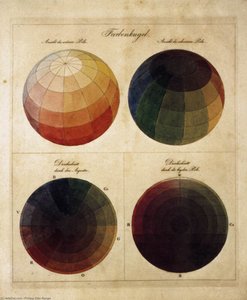
Experience 'Colour Spheres' by Philipp Otto Runge – a mesmerizing 1809 engraving depicting vibrant color spheres arranged in a harmonious circular design. A captivating piece of Romantic art.
Kunstniku elulugu
Philipp Otto Runge (1777-1810) oli saksa romantikamaalija, tuntud oma sümboolsete maastike, portreede ja uuendusliku värsiteooria ('Värvisfäär') poolest. Avasta tema müstilist kunsti ja püsivat mõju.
About the painting
A Symphony of Color: Philipp Otto Runge’s “Colour Spheres”
Philipp Otto Runge's "Colour Spheres," painted in 1809, isn’t merely a depiction of spheres; it’s an intensely personal and profoundly symbolic exploration of color theory, spirituality, and the very essence of perception. Created during a pivotal moment in German Romanticism – a period grappling with tradition versus innovation, reason versus emotion – Runge sought to move beyond the constraints of academic painting and forge a new visual language rooted in his own deeply felt inner world. The work, now housed within the Kunsthalle in Hamburg, Germany, is a testament to this ambition, radiating an almost palpable sense of contemplative energy.
The composition itself is deceptively simple: four distinct spheres dominate the canvas, each imbued with a unique chromatic harmony. These aren’t static objects; they appear to pulse with light and movement, their surfaces shimmering with subtle gradations of color. Runge masterfully employs a technique reminiscent of both pastel drawing and early Impressionism – delicate layering of translucent washes creates an ethereal quality, while careful attention to value and hue establishes a remarkable sense of depth and luminosity. The spheres aren’t rendered with photographic realism; instead, they are idealized forms, suggesting a connection to the divine or the abstract realms of consciousness. The choice of materials—engraving media—contributes to this luminous effect, allowing for a richness of tone rarely achieved with oil paint alone.
The Roots of Color Theory and Spiritual Symbolism
Runge’s fascination with color stemmed from his deep engagement with the philosophy of Jakob Böhme, a 17th-century German mystic who believed that colors possessed inherent spiritual significance. Böhme posited that each hue corresponded to a specific stage of human development or a particular aspect of the divine. Runge sought to translate these esoteric ideas into visual form, believing that color could be used to unlock deeper levels of understanding and experience. His work reflects this intellectual pursuit, moving beyond mere representation to become a vehicle for conveying complex philosophical concepts.
The arrangement of the spheres themselves is laden with symbolic meaning. The central sphere, predominantly red, often represents passion, energy, and earthly existence – the realm of the senses. The green sphere embodies growth, harmony, and connection to nature. Blue signifies intellect, contemplation, and the spiritual realm. Yellow, positioned furthest from the viewer, evokes joy, enlightenment, and divine grace. The circular arrangement suggests a cyclical process—a journey through different states of consciousness or stages of life. It’s important to note that Runge's color theory was radically different from prevailing scientific understanding at the time; he prioritized subjective experience over objective measurement.
A Dialogue with Goethe and the Romantic Spirit
Runge’s work resonated deeply with his contemporary, Johann Wolfgang von Goethe, who shared a profound interest in color theory. The two artists engaged in extensive correspondence, exchanging ideas about the nature of perception and the expressive potential of color. Indeed, Runge's exploration of color was heavily influenced by Goethe’s theories on optics and aesthetics. This intellectual exchange highlights the vibrant artistic and philosophical ferment of the early 19th century – a period marked by a renewed interest in spirituality, emotion, and the power of individual experience.
Furthermore, “Colour Spheres” embodies the core tenets of German Romanticism: an emphasis on intuition, imagination, and the sublime. It rejects the rationalism of the Enlightenment in favor of a more subjective and emotionally charged approach to art. The painting’s evocative atmosphere—its sense of mystery, wonder, and spiritual yearning—captures the essence of this artistic movement perfectly. It invites the viewer not simply to *see* the colors but to *feel* them, to connect with their own inner world.
Collecting a Timeless Masterpiece
Reproductions of “Colour Spheres” offer a remarkable opportunity to bring Runge’s visionary aesthetic into any interior space. The delicate layering and luminous quality of the original are faithfully reproduced in high-quality prints, allowing the painting's subtle nuances to shine through. Whether displayed as a statement piece or incorporated into a more restrained color scheme, this artwork will undoubtedly serve as a focal point, sparking conversation and inspiring contemplation. Consider commissioning a hand-painted reproduction – a truly unique and authentic representation of this seminal work of German Romantic art.
Korduvad küsimused
Milleks on soovitatav kasutada teose "Colour Spheres" trükistes?
Prindi "Colour Spheres" soovituslik kasutus on Statement.
Kui suur on kontrasst teoses „Colour Spheres“, autor Philipp Otto Runge?
Teose "Colour Spheres" valgus-varjundite kontrast on Statement. Kontrast kirjeldab, kui teravalt erinevad heeled ja tumedad alad.
Kas teosele "Colour Spheres" on saadaval lisatud reaalsete elementidega (AR) eelvaade?
Teose „Colour Spheres“, autor Philipp Otto Runge leht AR-eelvaade teose kohta kasutab täiendatud reaalset, et näidata teost ühilduva seadme abil teie enda ruumis.
Quick facts and art quiz
About Philipp Otto Runge

Philipp Otto Runge
1777 - 1810, Saksamaa
Kunstniku elulugu
Elu Valgustatud Visiooniga
Philipp Otto Runge, nimi, mis kõlab Saksamaa romantismi tõusva vaimuga, oli kunstnik, kelle traagiliselt lühike elu ei peitnud endas sügavust ja originaalsust. Sündinud 1777. aastal Wolgastis, tollases Rootsi Pommeris, perekonda, mis oli juurdunud laevaehituses ja seotud Preisi aadliga, olid Runge varased aastad haiguste tähe all, soodustades mõtlikku iseloomu, mis sügavalt tema kunstilist tegevust kujundas. See füüsilise hapruse periood kasvatas ka varajast annet *kääri-lõik siluetis*, millega ta tegeles kogu elu – tunnistus tema sisemisele võimele vormi ja emotsioone täpselt destilleerida. Tema formaalne koolitus algas hiljem kui enamikul, esialgu kaubandusliku õpipoisitreeningu läbi Hamburgis vennaga Danieliga. Kuid kunstilise väljenduse tõmme osutus liiga tugevaks, viies ta 1899. aastal Kopenhaagenisse Jens Jueli maalitud õppima. See tähistas Runge teekonna algust Saksamaa kõige uuenduslikuma ja vaimselt suunatud kunstniku poole.Romantilise Sümbolismi Koit
Runge kunstiline areng sai sügava hoobi tema kolimisest Dresdenisse 1801. aastal, kus ta kohtus olulisi figuure nagu Caspar David Friedrich ja Ludwig Tieck. Just siin kohtas ta ka Pauline Bassenge’i, kellega abiellus 1804. aastal. Sel perioodil täheldati kasvavat huvi Jakob Böhme müstiliste kirjutuste vastu, mille filosoofilised uurimused universumi peidetud harmooniast resonantsisid sügavalt Runge oma vaimsete kalduvustega. Pöördepunkt saabus 1803. aastal, kui ta ootamatult kohtus Johann Wolfgang von Goethega Weimaris, luues sõpruse ühiste huvide üle värviteooria ja kunstilise väljenduse alal. See kohtumine osutus muutmaks, julgustades Runge sukelduma sügavamalt kunsti sümbolikeelde ja uurima kõigi asjade omavahe seotust. Tema varased teosed hakkasid peegeldama seda kasvavat romantilist tundlikkust, liikudes Neoklassitsistliku pidurdusest emotsionaalselt laetud maastike ja portreede poole, mis olid täis isiklikku tähendust. Näiteks *Hülsenbecki lapsed* (1805) ei ole pelgalt portree, vaid pigem südant puudutav perekondliku intiimsuse ja lapsepõlve süütuse kujundus, mille on renderdatud peaaegu eeterlikult.Värv Kosmilise Keele Na
Runge püsivaim pärand seisneb tema läbimurdelikus töös värviteoorias. Ta uskus, et värv ei ole lihtsalt visuaalne nähtus, vaid fundamentaalne jõud, mis kujundab meie reaalsuse tajumist ja peegeldab jumalikku korda. See veendumus viis ta *Farben-Kugel* (Värvisfääri) väljatöötamiseni, mis avaldati 1810. aastal, vahetult enne tema enneaegset surma tuberkuloosi tõttu kolmekümne kolme aasta vanuses. Värvisfäär ei olnud pelgalt teaduslik traktaat; see oli katse kaardistada kogu värvispektrid kolmemõõtmelisele vormile, valge ja must esindasid vastandpooluseid ning primaarvärvid – sinine, kollane ja punane – sümboliseerisid kristlikku Kolmainimust. Sinine tähistas Jumalat ja ööd, punane sümboliseeris hommikut, õhtut ja Jeesust, samal ajal kui kollane kehastas Püha Vaimu. Runge hoolikas ketta värvisegamise eksperiment oli katse anda empiiriline toetus tema teoreetilisele raamistikule, demonstreerides, kuidas värve saab harmooniliselt segada tohutu hulga toonide loomiseks. See uurimine ei olnud isoleeritud; see oli põimitud tema kunstiliku praktikaga, mõjutades värvide sümbolilist kasutamist tema maalidest ja joonistustest.‘Päevaaegade’ Lõpetamata Sümfoonia
Runge kujutas ette *Gesamtkunstwerk* – totaalset kunstiteost – mis ühendaks maali, poeetria, muusika ja arhitektuuri ühtseks sensoorseks kogemuseks. See ambitsioon leidis oma kõige ambitsioonsem väljenduse tema seeriates *Tageszeiten* (Päevaaegade), mis algas 1803. aastal. Projekt hõlmas neli monumentaalset maali, mis kujutasid hommikut, keskpäeva, õhtut ja ööd, millest igaüks oli mõeldud vaatamiseks spetsiaalselt ehitatud hoones koos muusika ja poeesiaga. Kuigi ainult kaks versiooni “Hommikust” said valmis, kogu tsükli joonised näitavad Runge sügavat arusaama sümbolismist ja tema soovi tabada aja vaimset olemust. Need teosed tähistasid lahkumist traditsioonilisest maastikumaalist, imbudes loodusesse religioosset ja emotsionaalset tähendust. Ta ei otsinud pelgalt välismaailma kujutamist, vaid püüdis edasi anda selle sisemist harmooniat ja jumalikku kohalolekut. Kontsept oli oma aja jaoks revolutsiooniline, ennustades hilisemaid arenguid abstraktkunstis ja multimeedia installatsioonides.Püsiv Mõju
Kuigi tema karjäär katkestati haiguse tõttu, on Philipp Otto Runge mõju Saksamaa romantismile ja kaasaegse kunsti arengule vaieldamatu. Tema uurimine värviteoorias mõjutas põlvkondi kunstnikke, sealhulgas Bauhaus liikumisega seotud kunstnikke. Tema rõhk sümbolismile ja emotsionaalsele väljendusele sillutas teed hilisematele ekspressionistlikele maalikunstnikele. Runge unikaalne teadusliku uurimise, vaimse veendumuse ja kunstilise uuendusmeele segu jätkab lummanud ja inspireerimist. Ta jääb oluliseks figuuriks kunstiajaloo – visioonäärseks kunstnikuks, kes julges uurida inimliku tajumise peidetud sügavusi ja universumi müsteeriumeid värvi, vormi ja sümbolismi keele kaudu. Tema teosed ei ole pelgalt maalid; need on aknad sisemuse valgustatud maailma, kutsudes meid mõtisklema kõigi asjade sügava omavahe seotuse üle.Quick facts about Philipp Otto Runge
- Artistic Movement Or Style: Romantism
- Artists Or Movements Influenced By This Artist: ['Caspar David Friedrich']
- Artists Who Influenced This Artist:
- Jakob Böhme
- Goethe
- Date Of Birth: 1777
- Date Of Death: 1810
- Full Name: Philipp Otto Runge
- Nationality: Saksamaa
- Notable Artworks:
- Hülsenbecki lapsed
- Suur hommik
- Värvisfäär
- Place Of Birth (City And Country): Wolgast, Saksamaa
Avastage teoseid, mis on koondatud teemade, stiilide ja omaduste kaupa.

Philipp Otto Runge
Colour Spheres
() ·
With its frame: · Hand-painted in oil on linen
Total