

 Eelvaade
 Saada
Saada Jaga
Jaga
 Teave teose kohta
 Juhend

 Laadi alla
 Sarnased teosed
 Röntgenuuring
 Slaidietendus
 KÜSIMUSED JA VASTUSID
 Statistika
Landscape at Essoyes


Renoir’s serene ‘Landscape at Essoyes’ captures a peaceful village scene in the Impressionist style, showcasing a charming red-roofed house and lush greenery – perfect for art lovers to discover or own this timeless masterpiece.
 Loe lähemalt
Avasta Pierre-Auguste Renoari (1841–1919) sädelevad impressionistlikud maalijad! Tutvu portreedega, Pariisi eluga ja naiseliku ilu esitlustega tema ikoonilistes teostes.
Giclée / Kunstiprint
Muuseumikvaliteediga giclée- või kangasprint kiire tootmisega ja paindlikud viimistlusvõimalused. ( Osta käsitsi maalatud teos Lülita digitaalse pildi juurde)




P118B €10

P118H €10

P118W €10

P438Z €10

P508JH €12

P508YH €12

P805H €10

P805Z €10

P919BZ €10

P919G €10

P919XJ €10

P959ZH €10

P968JZ €12

W106C €8

W218G €10

W218JH €8

W218Y €10

W307PJ €10

W316G €10

W316PJ €8

W316Y €10

W398PJ €8

W4111J €10

W500HY €15

W500JH €15

W692G €12

W849H €8

W940BG €15

W953PJ €8




Standardne suurus
kohandatud
CM
INCH
Vali meie eelmääratud suurused, mis vastavad teose algupärastele proportsioonidele.
Loading sizes...

laius
kõrgus
Sisestage vajalik laius ja kõrgus, et see sobiks teie raamile või seinale. Trükki saab ainult lõigata, seda ei saa kunagi pildist suuremaks teha, seega ka erineva mustega suurus kaotab osa pildist. Enne trükkimist saadame teile kinnitamiseks digitaalse näidisprojektsiooni. Sellel lehel näidatud pilt ei kujuta reaalset lõiget — seda näitab ainult näidisprojektsioon.
Ülemaailmne tarne () 2 nädala jooksul, tavalise 4/5 nädala asemel. (6 november)

Tasuta ekspresssaatmine üle maailma

Kõrgekvaliteediline lina-kangas

Täielik transpordikindlustus

Tollimaksude tagastamise garantii

Värvitoime täpsuse garantii

100 päeva tagastusõigus (ainult valmistusdefektide korral)

100% raha tagasi garantii

Hulgusoodustus
 Klaasivalik on saadaval ainult kuni 110 cm suuruses teostes

Landscape at Essoyes
Giclée / Kunstiprint
Reproduktsiooni suurus
-


Koguhind
€ 63
A Moment of Tranquility in Essoyes – Renoir’s Pastoral Vision
Pierre-Auguste Renoir's Landscape at Essoyes offers a captivating glimpse into the heart of rural France, circa 1880s. This idyllic scene, rendered with the master Impressionist’s signature light and color, depicts a small village nestled amongst rolling hills and verdant trees – a world far removed from the bustling Parisian studios that defined much of his career. The painting's subject matter reflects Renoir’s lifelong fascination with capturing fleeting moments of beauty and human connection, a theme deeply rooted in his personal experiences and artistic sensibilities. Essoyes itself, a charming town in the Meuse Valley, provided Renoir with an ideal setting to explore the effects of light and atmosphere, elements he would later masterfully employ across his oeuvre.
- Subject Matter: A quintessential landscape featuring a quaint village, characteristic buildings, and abundant natural elements.
- Composition: The arrangement subtly guides the viewer’s eye through the scene, drawing attention to the central red-roofed house and the figures engaged in quiet activity.
Impressionistic Technique – Light, Color, and Atmosphere
Renoir's technique in Landscape at Essoyes is a quintessential example of Impressionism. He eschews precise detail in favor of capturing the *impression* of light and color, utilizing broken brushstrokes to create a shimmering effect. The palette is dominated by soft greens, blues, and pinks, skillfully blended to evoke the warmth of sunlight filtering through the trees. Notice how he doesn't meticulously render each leaf or building; instead, he uses dabs and strokes of paint to suggest form and texture, prioritizing the overall atmospheric quality of the scene. This approach was revolutionary at the time, challenging the academic tradition of detailed realism and paving the way for modern art.
Historical Context – The Rise of Impressionism
Painted during a period of significant artistic innovation, Landscape at Essoyes reflects the burgeoning Impressionist movement in France. Following the establishment of the Salon des Refusés in 1863, which showcased works rejected by the official Salon, artists began to challenge traditional academic conventions. Renoir, along with Monet and others, embraced plein air painting – working outdoors directly from nature – and experimented with new techniques for capturing light and color. This shift was fueled by scientific advancements, particularly in optics, which revealed the way our eyes perceive color and light. The painting embodies this spirit of experimentation and a desire to represent the world as it is truly seen, rather than as it is imagined.
Symbolism and Emotional Impact – A Sense of Peace
Beyond its technical brilliance, Landscape at Essoyes possesses a profound emotional resonance. The serene atmosphere, the quiet figures, and the harmonious composition evoke a sense of peace and tranquility. The red-roofed house, a traditional symbol of home and hearth, anchors the scene and suggests a timeless quality. Renoir’s ability to capture such a palpable feeling of serenity is testament to his artistic skill and his deep understanding of human emotion. This painting invites viewers to step into this idyllic world and experience a moment of respite from the pressures of modern life – a truly enduring legacy of one of Impressionism's greatest masters.
Korduvad küsimused
Milline toon on teoses „Landscape at Essoyes“, autor Pierre-Auguste Renoir domineeriv?
Teose „Landscape at Essoyes“, autor Pierre-Auguste Renoir domineeriv toon on Golden Yellow Range. See toon on paleti alusvärv.
Millises ruumis on soovituslik "Landscape at Essoyes" näidata, arvestades selle värvilaudu?
Kuna teose "Landscape at Essoyes" värvigamma on Earthy, soovitame selle paigutamiseks Living Room.
Milline värv on teoses "Landscape at Essoyes" kõige silmapaistvam?
Teose „Landscape at Essoyes“, autor Pierre-Auguste Renoir domineeriv värv on Phthalo Green (#201e0d).
Sarnased teosed


Kunstniku elulugu
Pierre-Auguste Renoir: Valgusest ja Elurõõmust Värvitud Maailm
Pierre-Auguste Renoir, sündinud 1841. aastal Limoges’i väikelinnas Prantsusmaal, tegi vapustava tee lihtsast portselanimaalist üheks impressionismi peamiseks esindajaks. Tema loo aluseks on vankumatu pühendumus ja kunstiline visioon. Noorena kolis pere Pariisi majanduslike võimaluste otsingul – kogemus, mis kujundas sügavalt tema kunstilist maailmavaadet. Elav linn, täis võivat tänavaelu ja mitmekesiseid tegelasi, sai inspiratsiooniks paljudele hilisematele töödele. Esialgu portselanimaali õpilasena leidis Renoir lohutust Louvre’i galeriides, kus ta uuris hoolikalt vanameistreid, omandades ilu armastuse, mis sai tema stiili tuntuks jämaks. See varajane kokkupuude tekitas temas kirge, mis ületas pelgalt käsitöö – see oli kutsumus jäädvustada valguse ja elu olemust lõuendale. Hiljem astus ta Charles Gleyre’i stuudiosse, kus sõlmis eluaegseid sõprussuhteid tulevaste kunstnikega Claude Monet, Alfred Sisley ja Frédéric Bazille – oluline hetk, mis pani aluse impressionistlikule liikumisele.Realismist Sädelevate Impressioonideni
Renoir’i kunstiline arenemine oli põnev teekond, mida mõjutasid mitmesugused meistrid. Ta kaldus algul Gustave Courbet’ ja Édouard Maneti reaalsete kujutiste poole, väärtustades nende pühendumust kaasaegse elu ausale ja otsekui esitamisele. Kuid just Peter Paul Rubensi ja Jean-Antoine Watteau sädelevad paletid ning sensuaalsed vormid lumjasid teda tõeliselt, sisseistutades tema töödesse ilu sügava hindamise ja kalduvuse kujutada rõõmu ja puhkust. Need varajased mõjud sulatusid kokku, kui Renoir hakkas looma oma ainulaadset stiili, mida iseloomustavad elav värvus, katkendlikud pintslitõmbed ning keskendumine valguse lenduvate efektide jäädvustamisele. Osalemine 1874. aastal toimunud esimeses impressionistide näitusel oli veelahing, kuigi algselt kohtati kriitikat traditsionalistlike kunstiringkondade poolt. See julge samm tähistas akadeemiliste konventsioonide hüljamist ja uue kunstilise visiooni omaksvõtmist – ühte, mis püüdis jäädvustada mitte ainult seda, mida silm näeb, vaid kuidas on tunda konkreetset hetke. Sellised maalid nagu *Tants Moulin de la Galette’il* (1876) iseloomustavad seda lähenemist, asetades vaataja elava Pariisi ööelu atmosfääri, kus päikesevalgus on hajutatud ja rõõmsad tegelased liiguvad.Elutähtsad Hetked: Peamised Teosed ja Teemad
Renoir’i looming on elurõõmu tähistamine – intiimsed kokkutulekud, päikeseküllased maastikud ning naise keha sädelev ilu. *Paadisõitjate lõuna* (1880–81) seisab võib-olla tema kõige tuntuma teosena, kujutades sõbralikku seltskonda, kes naudib rahulikult pärastlõunat Seine’i jõe ääres. Maal on õpetus valguse ja liikumise jäädvustamisest, kus tegelased on suplevad soojas päikesevaelgus ning peegeldused särgivad vees. *Vannist väljunud naine* (1885–87) näitab Renoir’i suurepärast oskust kujutada naise alastit, rõhutades õrna nahatooni ja graatsilisi poose. Tema maalijad ei ole pelgalt reaalsuse esitusi; need on läbi imbunud soojusest, intiimsusest ja rõõmust, mis kõnetab vaatajates sügavalt. Ta ei olnud huvitatud suurtest ajaloolistest narratiividest ega dramaatilistest allegoriatest; pigem keskendus ta igapäevaelu olemusele ilu tõstmisele, muutledes tavalisi hetki kunstiteosteks. *Tants Bougival’il* on veel üks tähistatud teos, mis näitab tema võimekust jäädvustada lendlevaid muljeid ja atmosfäärilisi efekte, luues liikumise ja spontaansuse tunde.Suund Vormi ja Struktuuri Poole: Hilisemad Aastad ja Pärand
1890ndatel Renoir’i stiilis toimus oluline muutumine. Kuigi ta ei hüljanud kunagi oma impressionistlikke juuri, hakkas ta liikuma poole vormi ja struktuuri suhtes rohkem skulptuurse ja klassikalise lähenemisega, mida mõjutasid tema reisi Itaaliasse ning uuesti huvi vormi ja struktuuri vastu. See muutus oli osaliselt ka füüsiliste piirangute põhjustatud – artrit kohandas järk-järgult oma tehnikat. Vaatamata nendele väljakutsetele jätkas Renoir maalimist vankumatu pühendusega, luues teoseid, mida iseload täisviljad figuurid ja soojem palett. Tema hilisemad maalijad peegeldavad sageli kaalukamat meeleolu, kuid need säilitavad samas sama põhipõlgust ilu vastu, mis määras tema varasemat tööd. Renoiri pärand ulatub tema perekonna läbi; poeg Jean Renoir sai tuntuks filmirežissöörina, jätkates loova vaimu põlvest põlve. Pierre-Auguste Renoir suri 1919. aastal jättes maha püüsiva teose kogu, mis inspireerib ja rõõmustab publikke üle maailma. Ta jääb üheks kõige armastatuma kunstiajaloo figuuriks, tähistatuna võimega jäädvustada elurõõmu ja inimese kogemuse ilu ületamatu tundlikkusega ja graatsusega.Püsiv Mõjutus
- Renoir’i mõju järgnevatele kunstnike põlvedele on eeldav. Tema rõhk valgusele, värvile ning lenduvate hetkede jäädvustamisele rajas teed paljudele kaasaegsetele kunstilistele suundadele.
- Tema ilu ja sensuaalsuse tähistamine kõnetab jätkuvalt publikke tänapäevani, muutes tema tööd universaalselt atraktiivseks.
- Ta mängis olulist rolli impressionismi kui suure jõu kinnistamisel kunstiajalukku, väljakutsetes traditsiooniliste konventsioonidele ja avades uusi võimalusi kunstilise väljenduse jaoks.
- Tema maalijate püsiiv populaarsus – reproduktsioonid lugematutel plakatitel, kalendreitel ja muul kaupmeel – tõestab tema töö igavõitu kvaliteeti.

Pierre-Auguste Renoir
1841 - 1919 , Prantsusmaa
Lühikest infot
- Artistic Movement Or Style: Impressionism
- Artists Or Movements Influenced By This Artist: Impressionism
- Artists Who Influenced This Artist:
- Rubens
- Watteau
- Courbet
- Manet
- Date Of Birth: 25. veebruar 1841
- Date Of Death: 3. detsember 1919
- Full Name: Pierre-Auguste Renoir
- Nationality: Prantsuse
- Notable Artworks:
- Tants Moulin de la Galette'il
- Paadipartii lõunatamine
- Pärast vanni
- Tants Bougival'il
- Place Of Birth: Limoges, Prantsusmaa
Sarnased artiklid
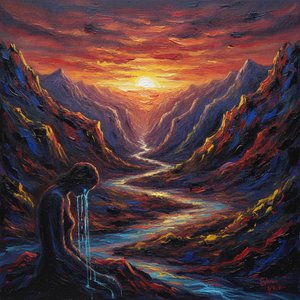
Capturing Emotion: A Journey Through the Soul of Expressionist Landscapes
Explore the profound emotional depth of Expressionist landscapes. Discover how Post-Impressionist masters moved beyond light to capture the soul through vibrant color and form. A curated journey for true art lovers seeking the beauty of expressive mastery.

The Magic of Lithography: Capturing Light and Texture in Every Impressionist Print
Discover the enchanting world of lithography through an Impressionist lens. Explore how this timeless technique captures the luminous light and delicate textures of masters like Monet and Renoir, offering a profound way to bring art history into your home with elegance and soul.

The Magic of Giclée: Bringing Impressionist Masterpieces to Your Walls with Vivid Detail
Discover the breathtaking beauty of Impressionist masterpieces with our museum-quality Giclée prints. Experience vivid detail, archival pigments, and the luminous light of Monet and Van Gogh, expertly preserved to bring timeless elegance and sophisticated artistry into your home.

Beyond the Light: Capturing Raw Emotion and Subjective Vision in Post-Impressionist Landscapes
Explore the profound emotional depth of Post-Impressionist landscapes. Discover how masters like Van Gogh moved beyond light to capture raw human feeling through vibrant color and expressive texture in this expert art history retrospective.
Avastage teoseid, mis on koondatud teemade, stiilide ja omaduste kaupa.


