


 Vaata sisu
 Jaga teost
 Jaga
Jaga
 Detailid
 Õppekate juhend

 Laadi alla
 Sarnased teosed
 Röntgenuuring
 Slaidietendus
 Statistika
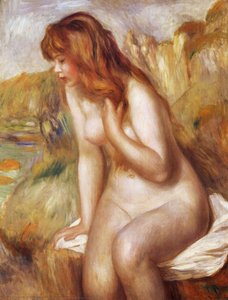
Nude
 Oil On Canvas
- WallArt
- Impressionist Movement
 1895
1895- Early Medieval
 104.0 x 88.0 cm
Experience the luminous beauty of Pierre-Auguste Renoir's 'Nude'! This iconic Impressionist masterpiece captures feminine grace and light with delicate brushstrokes, a timeless symbol of Parisian elegance.
 Loe lähemalt
Avasta Pierre-Auguste Renoari (1841–1919) sädelevad impressionistlikud maalijad! Tutvu portreedega, Pariisi eluga ja naiseliku ilu esitlustega tema ikoonilistes teostes.
Käsitsi valmistatud õlimaalireproduktsioon
Meie kunstnike poolt tellimusel valmistatud käsitsi maalitud õli-kainaste teos teie soovitud suuruses ja raamis. ( Lülita trükkitoodetele Ülemineku digitaalse pildi müügi kanalisse)




P118B €10

P118H €10

P118W €10

P438Z €10

P508JH €12

P508YH €12

P805H €10

P805Z €10

P919BZ €10

P919G €10

P919XJ €10

P959ZH €10

P968JZ €12

W106C €8

W218G €10

W218JH €8

W218Y €10

W307PJ €10

W316G €10

W316PJ €8

W316Y €10

W398PJ €8

W4111J €10

W500HY €15

W500JH €15

W692G €12

W849H €8

W940BG €15

W953PJ €8




Standardne suurus
kohandatud
CM
INCH
Vali meie eelmääratud suurused, mis vastavad teose algupärastele proportsioonidele.
Loading sizes...

laius
kõrgus
Sisestage vajalik laius ja kõrgus, et teos sobiks teie raamile või seinale. Kuna tegu on käsipainatud teosega, siis erineva kujuga suuruse korral võib kunstnik jätta pildi ümber veidi rohkem marginaali või lõigata osa ära — valik on teie. Enne maali alustamist saadame teile kinnitamiseks digitaalse näidisprojektsiooni. Sellel lehel näidatud pilt ei kajasta tegelikku tulemust — seda näitab ainult näidisprojekttsioon.
Näited muudetavatest elementidest: asenda nägu kliendi fotoga; lisa lemmikloom (nt asenda kass koeraga); lisa taustale peidetud sõnum; muuda tausta maastikku või elemente.
Pärast tellimust saadab TopImpressionists.com meeskond kliendile e-posti juhised ning esitab eelvaate kavandi
Pärast tellimust saadab TopImpressionists.com meeskond kliendile e-posti juhised ning esitab eelvaate kavandi
Maailmline tarne 3–4 nädala jooksul tavalise 5 nädala asemel. (23 oktoober). Kvaliteedis kompromisse ei tehta.

Tasuta ekspresssaatmine üle maailma

Kõrgekvaliteediline lina-kangastest muld

Täielik transpordikindlustus

Tollimaksude tagastamise garantii

Värvitoime täpsuse garantii

100 päeva tagastusõigus (ainult defektide korral)

100% raha tagasi garantii

Hulgusoodustus
 Klaasivalik on saadaval ainult kuni 110 cm suuruses teostes

Nude
Reproduktsiooni materjal
Reproduktsiooni mõõtmed
-


Lõppsumma
€ 236
The Genesis of a Masterpiece: Renoir’s Nude (1895)
Pierre-Auguste Renoir's Nude , painted in 1895, isn’t merely a depiction of a woman; it’s an immersion into the heart of Impressionism – a movement defined by capturing fleeting moments and the subjective experience of light. Born in Limoges, France, Renoir’s artistic journey began with porcelain painting, a pragmatic necessity that ultimately fueled his deep appreciation for color and form. His relocation to Paris ignited a passion for observing the vibrant life of the city, particularly its people and their interactions. This early exposure, coupled with his meticulous study of Old Masters at the Louvre – absorbing their mastery of light and shadow – laid the foundation for his distinctive style. Nude exemplifies this evolution, moving beyond rigid academic constraints to embrace a more sensual and atmospheric approach.

A Symphony of Light and Color: Technique and Influence
The painting’s power resides in Renoir's masterful manipulation of light. He doesn’t strive for photographic realism but instead employs broken brushstrokes – a hallmark of Impressionism – to create an illusion of shimmering light on the woman’s skin and the surrounding foliage. Notice how he uses short, vibrant strokes of color, layering them to build depth and volume. This technique is reminiscent of Renaissance masters like Leonardo da Vinci, yet Renoir adapts it with his characteristic lightness and spontaneity. The play of light and shadow isn't merely decorative; it subtly defines the form, creating a sense of both vulnerability and quiet strength in the subject. The composition itself – the woman’s relaxed posture, her gaze directed off-camera – invites the viewer to complete the scene, adding an element of mystery and intrigue.
- Brushwork: Short, broken strokes create a shimmering effect.
- Color Palette: Vibrant yet harmonious hues capture the warmth of sunlight.
- Light & Shadow: Used to sculpt form and evoke atmosphere.
Contextualizing Beauty: The Parisian Scene and Artistic Legacy
Nude was created during a period of significant social and artistic change in Paris. The late 19th century witnessed the rise of modernism, challenging traditional notions of beauty and representation. Renoir’s work reflects this shift, moving away from idealized classical forms towards a more naturalistic portrayal of everyday life. The painting's setting – likely a garden or park – speaks to the growing appreciation for leisure and outdoor pursuits among Parisian society. Furthermore, Renoir’s influence extends far beyond Impressionism. Artists like Paul Cézanne, who followed in his footsteps, recognized the importance of structure and formal qualities in art, demonstrating how Renoir's emphasis on these elements paved the way for Post-Impressionist developments. The painting stands as a testament to the enduring power of beauty and the artist’s ability to capture its essence.
Emotional Resonance: A Moment of Serenity
Beyond its technical brilliance, Nude possesses a profound emotional resonance. There's an undeniable sense of tranquility and vulnerability in the subject’s pose – a quiet moment of contemplation amidst nature. The off-camera gaze suggests a private thought or feeling, inviting the viewer to empathize with her experience. Renoir masterfully uses color and light to create a mood of gentle warmth and serenity, making this painting not just a visual delight but also a deeply evocative work of art. It’s a reminder that beauty can be found in the simplest of moments – a woman bathed in sunlight, lost in thought.
Küsimused ja vastused
Kui eraldavad teose "Nude" värvid?
Teose „Nude“, autor Pierre-Auguste Renoir värvid on Clear Color Presence kütkusega ja Vivid intensiivsusega.
Kas saan teose "Nude" näha täiskuunil slideshowina?
Teost „Nude“, autor Pierre-Auguste Renoir saab vaadata diapositena teose Slideshow lehel.
Mis on teose „Nude“, autor Pierre-Auguste Renoir valgusus?
Teose „Nude“, autor Pierre-Auguste Renoir kirjeldatud luminants on Soft Shadow.
Sarnased teosed




Kunstniku elulugu
Pierre-Auguste Renoir: Valgusest ja Elurõõmust Värvitud Maailm
Pierre-Auguste Renoir, sündinud 1841. aastal Limoges’i väikelinnas Prantsusmaal, tegi vapustava tee lihtsast portselanimaalist üheks impressionismi peamiseks esindajaks. Tema loo aluseks on vankumatu pühendumus ja kunstiline visioon. Noorena kolis pere Pariisi majanduslike võimaluste otsingul – kogemus, mis kujundas sügavalt tema kunstilist maailmavaadet. Elav linn, täis võivat tänavaelu ja mitmekesiseid tegelasi, sai inspiratsiooniks paljudele hilisematele töödele. Esialgu portselanimaali õpilasena leidis Renoir lohutust Louvre’i galeriides, kus ta uuris hoolikalt vanameistreid, omandades ilu armastuse, mis sai tema stiili tuntuks jämaks. See varajane kokkupuude tekitas temas kirge, mis ületas pelgalt käsitöö – see oli kutsumus jäädvustada valguse ja elu olemust lõuendale. Hiljem astus ta Charles Gleyre’i stuudiosse, kus sõlmis eluaegseid sõprussuhteid tulevaste kunstnikega Claude Monet, Alfred Sisley ja Frédéric Bazille – oluline hetk, mis pani aluse impressionistlikule liikumisele.Realismist Sädelevate Impressioonideni
Renoir’i kunstiline arenemine oli põnev teekond, mida mõjutasid mitmesugused meistrid. Ta kaldus algul Gustave Courbet’ ja Édouard Maneti reaalsete kujutiste poole, väärtustades nende pühendumust kaasaegse elu ausale ja otsekui esitamisele. Kuid just Peter Paul Rubensi ja Jean-Antoine Watteau sädelevad paletid ning sensuaalsed vormid lumjasid teda tõeliselt, sisseistutades tema töödesse ilu sügava hindamise ja kalduvuse kujutada rõõmu ja puhkust. Need varajased mõjud sulatusid kokku, kui Renoir hakkas looma oma ainulaadset stiili, mida iseloomustavad elav värvus, katkendlikud pintslitõmbed ning keskendumine valguse lenduvate efektide jäädvustamisele. Osalemine 1874. aastal toimunud esimeses impressionistide näitusel oli veelahing, kuigi algselt kohtati kriitikat traditsionalistlike kunstiringkondade poolt. See julge samm tähistas akadeemiliste konventsioonide hüljamist ja uue kunstilise visiooni omaksvõtmist – ühte, mis püüdis jäädvustada mitte ainult seda, mida silm näeb, vaid kuidas on tunda konkreetset hetke. Sellised maalid nagu *Tants Moulin de la Galette’il* (1876) iseloomustavad seda lähenemist, asetades vaataja elava Pariisi ööelu atmosfääri, kus päikesevalgus on hajutatud ja rõõmsad tegelased liiguvad.Elutähtsad Hetked: Peamised Teosed ja Teemad
Renoir’i looming on elurõõmu tähistamine – intiimsed kokkutulekud, päikeseküllased maastikud ning naise keha sädelev ilu. *Paadisõitjate lõuna* (1880–81) seisab võib-olla tema kõige tuntuma teosena, kujutades sõbralikku seltskonda, kes naudib rahulikult pärastlõunat Seine’i jõe ääres. Maal on õpetus valguse ja liikumise jäädvustamisest, kus tegelased on suplevad soojas päikesevaelgus ning peegeldused särgivad vees. *Vannist väljunud naine* (1885–87) näitab Renoir’i suurepärast oskust kujutada naise alastit, rõhutades õrna nahatooni ja graatsilisi poose. Tema maalijad ei ole pelgalt reaalsuse esitusi; need on läbi imbunud soojusest, intiimsusest ja rõõmust, mis kõnetab vaatajates sügavalt. Ta ei olnud huvitatud suurtest ajaloolistest narratiividest ega dramaatilistest allegoriatest; pigem keskendus ta igapäevaelu olemusele ilu tõstmisele, muutledes tavalisi hetki kunstiteosteks. *Tants Bougival’il* on veel üks tähistatud teos, mis näitab tema võimekust jäädvustada lendlevaid muljeid ja atmosfäärilisi efekte, luues liikumise ja spontaansuse tunde.Suund Vormi ja Struktuuri Poole: Hilisemad Aastad ja Pärand
1890ndatel Renoir’i stiilis toimus oluline muutumine. Kuigi ta ei hüljanud kunagi oma impressionistlikke juuri, hakkas ta liikuma poole vormi ja struktuuri suhtes rohkem skulptuurse ja klassikalise lähenemisega, mida mõjutasid tema reisi Itaaliasse ning uuesti huvi vormi ja struktuuri vastu. See muutus oli osaliselt ka füüsiliste piirangute põhjustatud – artrit kohandas järk-järgult oma tehnikat. Vaatamata nendele väljakutsetele jätkas Renoir maalimist vankumatu pühendusega, luues teoseid, mida iseload täisviljad figuurid ja soojem palett. Tema hilisemad maalijad peegeldavad sageli kaalukamat meeleolu, kuid need säilitavad samas sama põhipõlgust ilu vastu, mis määras tema varasemat tööd. Renoiri pärand ulatub tema perekonna läbi; poeg Jean Renoir sai tuntuks filmirežissöörina, jätkates loova vaimu põlvest põlve. Pierre-Auguste Renoir suri 1919. aastal jättes maha püüsiva teose kogu, mis inspireerib ja rõõmustab publikke üle maailma. Ta jääb üheks kõige armastatuma kunstiajaloo figuuriks, tähistatuna võimega jäädvustada elurõõmu ja inimese kogemuse ilu ületamatu tundlikkusega ja graatsusega.Püsiv Mõjutus
- Renoir’i mõju järgnevatele kunstnike põlvedele on eeldav. Tema rõhk valgusele, värvile ning lenduvate hetkede jäädvustamisele rajas teed paljudele kaasaegsetele kunstilistele suundadele.
- Tema ilu ja sensuaalsuse tähistamine kõnetab jätkuvalt publikke tänapäevani, muutes tema tööd universaalselt atraktiivseks.
- Ta mängis olulist rolli impressionismi kui suure jõu kinnistamisel kunstiajalukku, väljakutsetes traditsiooniliste konventsioonidele ja avades uusi võimalusi kunstilise väljenduse jaoks.
- Tema maalijate püsiiv populaarsus – reproduktsioonid lugematutel plakatitel, kalendreitel ja muul kaupmeel – tõestab tema töö igavõitu kvaliteeti.

Pierre-Auguste Renoir
1841 - 1919 , Prantsusmaa
Lühikest infot
- Artistic Movement Or Style: Impressionism
- Artists Or Movements Influenced By This Artist: Impressionism
- Artists Who Influenced This Artist:
- Rubens
- Watteau
- Courbet
- Manet
- Date Of Birth: 25. veebruar 1841
- Date Of Death: 3. detsember 1919
- Full Name: Pierre-Auguste Renoir
- Nationality: Prantsuse
- Notable Artworks:
- Tants Moulin de la Galette'il
- Paadipartii lõunatamine
- Pärast vanni
- Tants Bougival'il
- Place Of Birth: Limoges, Prantsusmaa
Sarnased artiklid

Paul Cézanne: 25 Meisterteost, mis Muutsid Maailma Kunsti | TopImpressionists
Avastage Paul Cézanne 25 kõige ikoonilisemat teost! Sukeldume postimpressionismi maailma, värviliste still life'ide ja Mont Sainte-Victoire maalide lugudesse. Leidke inspiratsiooni interjööri disainiks TopImpressionists.com-is. Vaadake maali reproduktsioone!

Impressionismi 10 Meisterteost: Kunsti ja Sisustamise Klassikud
Avasta impressionismi 10 legendaarset meistriteost! Monet, Renoir ja teised kunstnikud lõid ajatu kunsti. Tutvu lugudega, tehnikatega ning kaunista oma kodu TopImpressionists.comi kvaliteetsete reproduktsioonidega. Uuri kollektsiooni online!

The Enduring Allure of the Nude: A Historical & Artistic Exploration of the Human Form
Explore the captivating history of nude art! Discover iconic paintings & artists from classical to modern eras. Uncover symbolism, techniques & find museum-quality reproductions at TopImpressionists.

Pierre-Auguste Renoiri 25 parimat teost: Impressiooni ja ilu meistriteosed kodus
Avastage Pierre-Auguste Renoiri 25 parimat teost! Sukelduge impressioonismi maailma, nautides valgusrikkaid maale ja romantikat. Kunstiteosed kodu sisustuseks – eksklusiivne kollektsioon TopImpressionists.com'is. Vaata kohe!

Impresionismi 10 Meisterteost: Kunsti Ajaloos Muutnud Maalid | TopImpressionists
Avastage 10 impressionismi suurmeisterteost! Claude Monet, Renoir ja teised kunstnikud muutsid maalikunsti. Loe nende lugusid ja leia täiuslik sisustusidee TopImpressionists.com-is. Kunstireprodutsioonid otse sinu koju!
Avastage teoseid, mis on koondatud teemade, stiilide ja omaduste kaupa.


