

 Eelvaade
 Saada
Saada Jaga
Jaga
 Teave teose kohta
 Juhend

 Laadi alla
 Sarnased teosed
 Röntgenuuring
 Slaidietendus
 KÜSIMUSED JA VASTUSID
 Statistika
Uncle Tom and LIttle Eva


Explore 'Uncle Tom and Little Eva' by Robert Seldon Duncanson, a poignant 1866 painting reflecting abolitionism & the complexities of race in American art. Discover its historical context & artistic significance.
 Loe lähemalt
Avastage Robert S. Duncanson (1821-1872), esimene rahvusvahelise tunnustusega afroamerika maaparid. Uurige tema rahustavat Ohio Valley maastikku ja võimalikke rassistilisi metafoore romantilises kunstis.
Giclée / Kunstiprint
Muuseumikvaliteediga giclée- või kangasprint kiire tootmisega ja paindlikud viimistlusvõimalused. ( Osta käsitsi maalatud teos Lülita digitaalse pildi juurde)




P118B €10

P118H €10

P118W €10

P438Z €10

P508JH €12

P508YH €12

P805H €10

P805Z €10

P919BZ €10

P919G €10

P919XJ €10

P959ZH €10

P968JZ €12

W106C €8

W218G €10

W218JH €8

W218Y €10

W307PJ €10

W316G €10

W316PJ €8

W316Y €10

W398PJ €8

W4111J €10

W500HY €15

W500JH €15

W692G €12

W849H €8

W940BG €15

W953PJ €8




Standardne suurus
kohandatud
CM
INCH
Vali meie eelmääratud suurused, mis vastavad teose algupärastele proportsioonidele.
Loading sizes...

laius
kõrgus
Sisestage vajalik laius ja kõrgus, et see sobiks teie raamile või seinale. Trükki saab ainult lõigata, seda ei saa kunagi pildist suuremaks teha, seega ka erineva mustega suurus kaotab osa pildist. Enne trükkimist saadame teile kinnitamiseks digitaalse näidisprojektsiooni. Sellel lehel näidatud pilt ei kujuta reaalset lõiget — seda näitab ainult näidisprojektsioon.
Ülemaailmne tarne () 2 nädala jooksul, tavalise 4/5 nädala asemel. (4 november)

Tasuta ekspresssaatmine üle maailma

Kõrgekvaliteediline lina-kangas

Täielik transpordikindlustus

Tollimaksude tagastamise garantii

Värvitoime täpsuse garantii

100 päeva tagastusõigus (ainult valmistusdefektide korral)

100% raha tagasi garantii

Hulgusoodustus
 Klaasivalik on saadaval ainult kuni 110 cm suuruses teostes

Uncle Tom and LIttle Eva
Giclée / Kunstiprint
Reproduktsiooni suurus
-


Koguhind
€ 62
A Poignant Encounter in the American Landscape
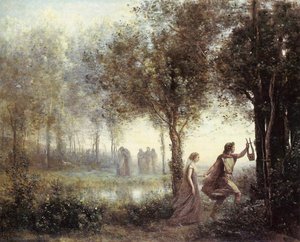
In the tender brushstrokes of Robert Seldon Duncanson’s 1853 masterpiece, Uncle Tom and Little Eva, we are invited into a moment of profound stillness and quiet connection. The painting presents a scene of serene companionship, where a man and a young girl sit nestled beneath the protective canopy of a sprawling tree. Clad in luminous white garments that seem to catch the soft, filtered light of the afternoon, they exist in a world seemingly removed from the turbulence of their era. As the woman—or perhaps the youthful figure representing Eva—points toward a distant horizon, her gesture draws our eyes across the tranquil water where a solitary boat rests near the shore. This delicate interaction between the figures and the vastness of the landscape creates a sense of longing and wonder, capturing a fleeting instance of peace amidst the shifting tides of history.
Duncanson, a pioneer of the American landscape tradition, utilizes his mastery of light and atmosphere to elevate this narrative scene into something much more than a mere portrait. The composition is enriched by the presence of birds in flight, scattered throughout the sky like living notes of music, adding a layer of kinetic energy to an otherwise motionless tableau. Through his expert use of color and texture, Duncanson achieves a luminous quality that breathes life into the natural elements, from the verdant foliage of the sheltering tree to the shimmering reflections on the water's surface. For the discerning collector or interior designer, this piece offers a sophisticated interplay of light and shadow, making it an ideal centerpiece for spaces that value tranquility, depth, and historical resonance.
Historical Resonance and Symbolic Depth
To understand the emotional weight of Uncle Tom and Little Eva, one must look through the lens of its mid-19th-century context. Created in 1853, a period of intense social upheaval in the United States, the painting subtly engages with the cultural zeitgeist of the time. The figures, evocative of characters from Harriet Beecher Stowe’s influential literature, represent much more than a simple pastoral scene; they embody themes of innocence, resilience, and the enduring human spirit. The choice of white clothing serves as a powerful symbol of purity and spiritual light, contrasting beautifully with the earthy, grounded tones of the American landscape that Duncanson so loved to depict.
The artistry lies in how Duncanson weaves these heavy historical themes into a soft, romanticized aesthetic. He does not rely on overt political statements but instead uses the harmony of nature—the calm water, the steady tree, and the rhythmic flight of birds—to suggest a yearning for peace and justice. This subtle approach allows the artwork to resonate on multiple levels: as a beautiful landscape, a touching character study, and a profound historical document. For those seeking to adorn their homes with art that inspires contemplation, this reproduction offers an unparalleled opportunity to possess a piece that is as intellectually stimulating as it is visually breathtaking.
A Timeless Addition to the Refined Interior
For the art enthusiast or the professional decorator, a high-quality reproduction of this work serves as more than just decoration; it acts as a window into a pivotal moment in American art history. The painting’s palette—a sophisticated blend of soft whites, deep greens, and tranquil blues—complements a wide array of interior styles, from classic traditionalism to modern organic aesthetics. Its ability to evoke a sense of calm and nostalgia makes it a transformative element in any room, providing a focal point that invites guests to linger and reflect.
Owning a piece that celebrates the legacy of Robert Seldon Duncanson means bringing into one's environment a testament to perseverance and artistic brilliance. The meticulous detail captured in every leaf and every ripple of water ensures that this reproduction maintains the soul of the original 1853 masterpiece. Whether placed in a sunlit library or a quiet study, Uncle Tom and Little Eva continues to tell a story of connection, beauty, and the enduring power of the natural world.
Korduvad küsimused
Kas teos "Uncle Tom and LIttle Eva" on üldmuljelt pigem hele või tumene?
Teose „Uncle Tom and LIttle Eva“, autor Robert Seldon Duncanson eregus on bright ja luminants on Gentle Luminance.
Millist meeleheust väljendab teos „Uncle Tom and LIttle Eva“, autor Robert Seldon Duncanson suunatud stiilis Hudson River School?
"Uncle Tom and LIttle Eva" kannab endas Tranquil emotsionaalset toonist, mis on omane Hudson River School suunale.
Millist tunnet tekitavad teose „Uncle Tom and LIttle Eva“, autor Robert Seldon Duncanson värvid?
Teos „Uncle Tom and LIttle Eva“, autor Robert Seldon Duncanson ühendab endas Earthy värvipaletti ja Tranquil toonist.


Kunstniku elulugu
Amerikaanide maastikuva kujutluse pioneer
Robert Seldon Duncanson, nimi, mis kõlab nii kunstilise briljantsuse kui ka ajaloolise tähtsusega, tõusis 19. sajandi Ameerika kunstis esile kui murdeliseline tegelane. Sündinud umbes 1821. aastal New Yorgi Fayetteville'is euroopa ja afrikaanide päritolu vanematepoegade lapsedena — tema isa, John Dean Duncanson, oli vaba must korraldaja, kes õpetas talle hagi ja õppimise väärtusi — navigeeris Duncanson maailmas, mida täitsid rassistlikud eelarvamused, saavutades samal ajal rahvusvahelist tunnustust maastikupeetrena. Tema teekond oli isetehtud hariduse, vankumatatu pühenduse ja sügava sidumuse loodusega, mis lõpuks establishis teda kui esimesena afroamerikaanlikku kunstnikku, kes sai laialdaset tunnustust mõlemal Atlandi mere pooli. Perekonna kolimine Michigani Monroe'sse nägi noort Robertit õppimas puuseppamises ja maalistuses, paljastades varajase kunstilise talenti, mis määraks peagi tema elu tee.Portreedi maalistamisest panoramilisteni
Duncataoni kunstiline areng algas portreetide maalistamisest, mis oli praktiline vahend professionaalina ennast kinnistamiseks. Kuid Ohio osariigi Cincinnati kasvav kultuuriline keskkond — linn, mida tuntakse kui "Lääne Aten"}, kutsumus teda 1840. aastal, pakkudes võimalusi kasvuks ja nähtavuseks, mida teistest kohtadest ei olnud kättesaadav. Suures osades ise õppinud Duncanson teritas oma oskusi hoolikalt trükiste ja graveerimiste õppimise, otse loodusest joonistamise ning tunnustatud meistrite teoste täpselt kopeerimise kaudu. See rangus võimaldas tal arendada teravat silma detailidele ja märkimisväärset tehnilist oskust, vaatamata puudule ametlikul koolitusel. Just Cincinnati's alustas ta oma üleminekut maastikupeetuse suunas, tõdetud Ameerika metsikususe romantilistest ideaalidest ja ülevustest. Hudson River Schooli mõju muutus tema töös üha selgemaks, eriti Thomas Cole'i emotsionaalsed kompositsioonid, kelle draamatilised loodusluure kujutlused kõlastasid Duncansoni enda kunstilist tundlikkust. Ta ei kopeerinud pelgalt stseenide sisu; ta tõlkis neid unikaalse isikupärase vaatega, andes oma linale rahu ja vaimse ühenduse tunde.Euroopa reis ja rahvusvaheline tunnustus
Duncansoni karjääri pöördepunkt saabus 1853–1854. aastal koos pikema Euroopa ringreisiga. See teekond pakkus talle väärtuslikku kokkupuudet Euroopa meistrite teostega, laiendades tema kunstilisi horisonte ja täpsustades tema tehnikat. Ta õppis klassikalistelt meistardelt, imeldes nende lähenemist valgusele, värvidele ja kompositsioonile, mida ta hiljem integreeris oma eripärases stiilis. Pärast naasmist näitas Duncansoni töö uut sofistikatsiooni ja küpsust, kütates tähelepanu mitte ainult Amerikas, vaid ka Inglismaal, Šotimaas ja Kanadas. Järgnesid näiletud, kinnistades tema mainet kunstnikuna, kellel on märkimisväärne talent ja visjon. Ta sai võtmefigureks Ohio jõeoru maastikutraditsiooni arendamisel, tabades piirkonna rahulikku ilu suurepäraselt oskuslikult. Tema maalid ei olnud lihtsalt kohade esitused; need olid meeleolu, atmosfääri ja looduse ülevuse jõu väljendused.Pärand ja ajalooline tähendus
Robert Seldon Duncansoni pärand ulatub kaugele tema kunstilistest saavutustest. Ta murdis barjääre afroamerikaanlike kunstnike jaoks perioodil, mida isutas laialdane rassistiline diskrimineerimine, olles inspiratsiooniks tulevatele põlvkedele. Tema edu väljakutsus valitsevaid ühiskondlikke norme ja demonstreeris kunsti võimekust eelarvamustest üle tõusta. Kuigi kunstite historiansid arutavad jätkuvalt üle selle, kuni määral tema rassist mõjutas tema kunstilist väljendust — mõned viidates peidetud sümbolitele rassistilistel teemadel tema maastikudes —, on vaatamata asjaolu, et Duncansoni elu lugu on vastupanu, talendi ja igavene inimvaim tõisteks. Palju aastate jooksul oli tema töö ebaõiglaselt üle vaadatud, kuid hiljutine teaduslik uurimine ja näiletud on ta mõjud Ameerika kunstilo history.- Peamised teemad: Maastikupeetus, romantism, Hudson River Schooli mõju, vaimne ühendus loodusega.
- Olulised teosed: “Maastik lambastega”, “Rooside tasapaineline elu” ja arvukad Ohio jõeoru kujutlused.

Robert Seldon Duncanson
1821 - 1872 , USA
Lühikest infot
- Artistic Movement Or Style: Hudson River School
- Artists Or Movements Influenced By This Artist: ['Ohio River Valley traditsioon']
- Artists Who Influenced This Artist: ['Thomas Cole']
- Date Of Birth: u 1821
- Date Of Death: 21. detsember 1872
- Full Name: Robert Seldon Duncanson
- Nationality: ameriklik
- Notable Artworks:
- Maaldis koos lambastega
- Rooside vaat
- Place Of Birth: Fayetteville, USA
Sarnased artiklid

Capturing the Soul of Nature: A Journey Through the Sublime Majesty of American Romanticism
Explore the breathtaking beauty of American Romanticism. Discover how Hudson River School masters captured the sublime spirit of the wilderness through luminous oil landscapes and emotional depth. A journey into the soul of nature for the true art enthusiast.
Avastage teoseid, mis on koondatud teemade, stiilide ja omaduste kaupa.
