

 Vaata sisu
 Jaga teost
 Jaga
Jaga
 Detailid
 Õppekate juhend

 Laadi alla
 Sarnased teosed
 Röntgenuuring
 Slaidietendus
 Statistika
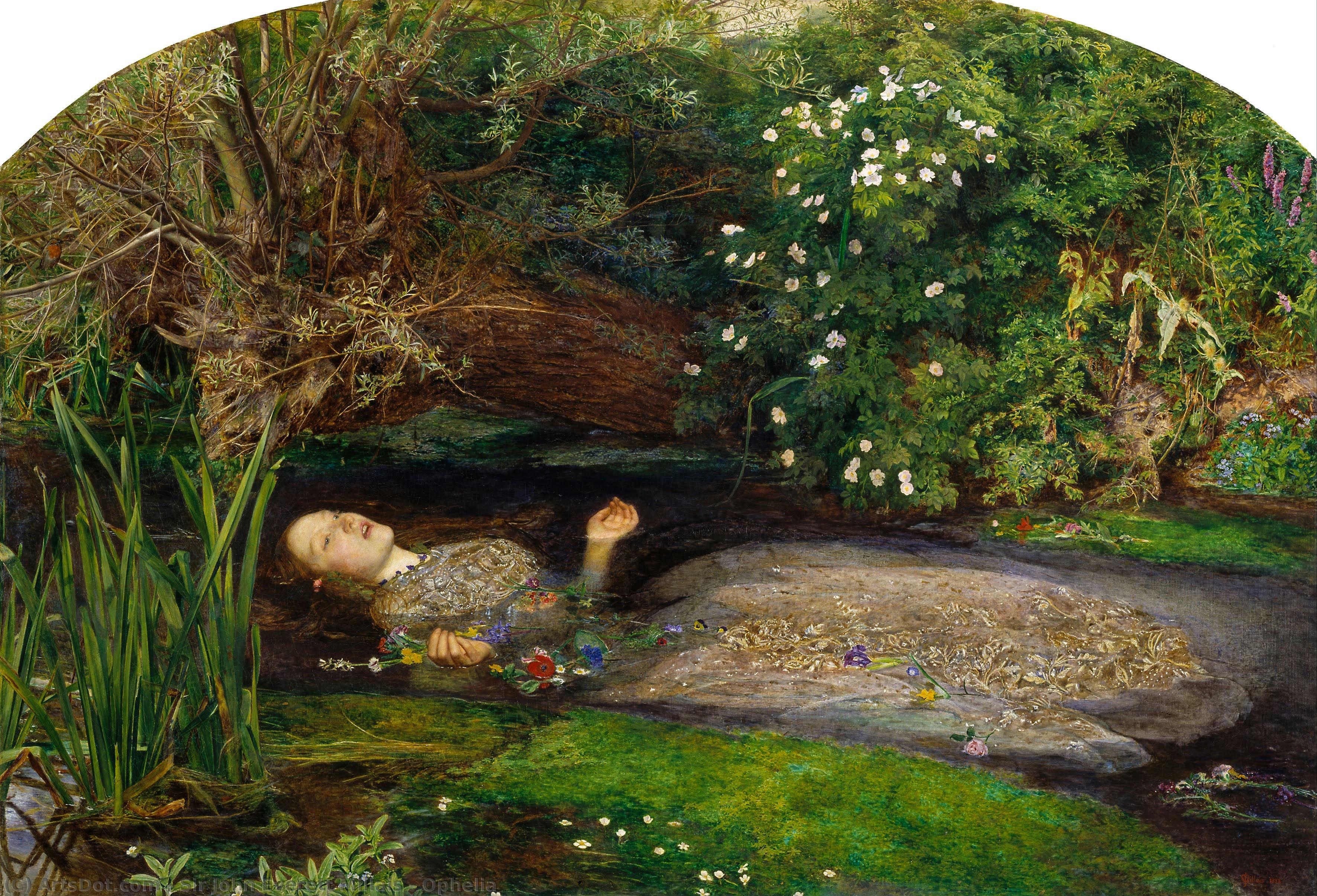
Ophelia
 Oil On Canvas
- WallArt
- Pre-Raphaelite
 1851
1851 11.0 x 76.0 cm
 Tate Britain
Experience Millais’ "Ophelia" – a breathtaking Pre-Raphaelite masterpiece! Explore its serene beauty, intricate detail & symbolic depth. A timeless work of art.
 Loe lähemalt
"Avastage Sir John Everett Millais (1829-1896) kunst – Pre-Raphaeliitide liikumise rajaja. Imetlege tema detailset realismit, ikoonilisi teoseid nagu "Ophelia" ja "Kristus vanemate kodus" ning viktoriaanlikku mõju."
Giclée / Kunstiprint
Muuseumikvaliteediga giclée- või kangasprint kiire tootmisega ja paindlikud viimistlusvõimalused. ( Telli käsitsi maalitud reproduktsioon Ülemineku digitaalse pildi müügi kanalisse)




P118B €10

P118H €10

P118W €10

P438Z €10

P508JH €12

P508YH €12

P805H €10

P805Z €10

P919BZ €10

P919G €10

P919XJ €10

P959ZH €10

P968JZ €12

W106C €8

W218G €10

W218JH €8

W218Y €10

W307PJ €10

W316G €10

W316PJ €8

W316Y €10

W398PJ €8

W4111J €10

W500HY €15

W500JH €15

W692G €12

W849H €8

W940BG €15

W953PJ €8




Standardne suurus
kohandatud
CM
INCH
Vali meie eelmääratud suurused, mis vastavad teose algupärastele proportsioonidele.
Loading sizes...

laius
kõrgus
Type the width and the height you need, to fit your frame or your wall. A print can only be cut, never made bigger than the picture, so a size with a different shape loses a part of the image. We send you a digital mockup to approve before we print anything. The picture shown on this page does not show the real cut — only the mockup does.
Ülemaailmne tarne () 2 nädala jooksul, tavalise 4/5 nädala asemel. (14 oktoober)

Tasuta ekspresssaatmine üle maailma

Kõrgekvaliteediline lina-kangastest muld

Täielik transpordikindlustus

Tollimaksude tagastamise garantii

Värvitoime täpsuse garantii

100 päeva tagastusõigus (ainult defektide korral)

100% raha tagasi garantii

Hulgusoodustus
 Klaasivalik on saadaval ainult kuni 110 cm suuruses teostes

Ophelia
Giclée / Kunstiprint
Reproduktsiooni mõõtmed
-


Lõppsumma
€ 60
A Frozen Moment of Melancholy: Millais’s “Ophelia”
Sir John Everett Millais's "Ophelia," painted in 1851–52, isn’t merely a depiction of a tragic Shakespearean scene; it’s an immersive experience—a meticulously crafted tableau of sorrow and beauty that continues to captivate viewers over a century and a half later. This iconic Pre-Raphaelite masterpiece transcends its literary source, becoming a profound meditation on loss, innocence, and the poignant surrender to nature's embrace. The painting immediately draws the eye with its luminous palette and astonishing level of detail, inviting the viewer into a world both idyllic and profoundly mournful.
Millais’s genius lies not just in his technical skill—though that is undeniably remarkable—but in his ability to evoke an atmosphere of palpable grief. He achieved this through a radical departure from conventional artistic practices for the time, choosing to paint *en plein air* (outdoors) and working directly from nature. This commitment to realism, coupled with the Pre-Raphaelite Brotherhood’s fascination with medieval and Renaissance art, resulted in a work that feels simultaneously ancient and utterly contemporary. The scene unfolds along the Hogsmill River near Ewell, Surrey, where Millais meticulously recreated the landscape, capturing the dappled sunlight filtering through the foliage and the shimmering reflections on the water's surface.
The Figure of Despair
At the heart of “Ophelia” is her figure—a young woman reclining gracefully in the stream, her expression a mixture of serene acceptance and heartbreaking resignation. Elizabeth Siddall, Millais’s model for Ophelia, endured an extraordinary ordeal to achieve this portrayal. For weeks, she posed submerged in a bathtub filled with cold water, draped in heavy velvet robes to simulate the chill of the river. This dedication to realism extended beyond mere appearance; it was a deliberate attempt to capture the physical sensation of drowning—a testament to Millais’s commitment to portraying the subject matter with unflinching honesty.
The details surrounding Siddall's posing are particularly poignant, revealing the demanding nature of Pre-Raphaelite art production. The discomfort she experienced led to a severe illness, requiring medical attention and ultimately shaping the painting’s atmosphere of vulnerability. Millais’s careful observation of her posture, the delicate drape of her gown, and the subtle expression on her face all contribute to the overwhelming sense of tragedy.
Symbolism Woven into the Scene
“Ophelia” is rich in symbolic detail, each element carefully chosen to deepen the narrative’s emotional resonance. The flowers scattered around her—violets, pansies, poppies, willow branches, and daisies—are not merely decorative; they carry specific meanings rooted in Victorian symbolism. Violets represent faithfulness and modesty, while poppies symbolize death and sleep. The willow branch, a traditional symbol of mourning, drapes over the riverbank, mirroring Ophelia’s descent into sorrow. Even the arrangement of the flowers suggests a deliberate composition—a visual representation of her fragmented thoughts and memories.
The inclusion of a silver casket, partially submerged in the water, further reinforces the theme of loss and remembrance. It is a relic from her past, a symbol of her shattered engagement and the world she has lost. The presence of a small mouse nestled amongst the embroidery on the table adds an unexpected layer of detail—a reminder of mortality and the fragility of life.
A Legacy of Beauty and Sorrow
“Ophelia” remains one of the most celebrated paintings in the Pre-Raphaelite canon, admired for its technical brilliance, emotional depth, and enduring power. It’s a work that invites repeated viewing—each encounter revealing new layers of meaning and nuance. Beyond its artistic merit, “Ophelia” has become an iconic image of female vulnerability and tragic beauty, frequently referenced in literature, film, and popular culture. Its depiction of a young woman surrendering to the embrace of nature continues to resonate with viewers today, serving as a poignant reminder of the ephemeral nature of life and the enduring power of art to capture both its splendor and its sorrow.
Reproductions of “Ophelia” offer an accessible way to experience this masterpiece firsthand. Whether displayed in a grand salon or a cozy study, this evocative image will undoubtedly spark conversation and inspire contemplation for years to come.
Küsimused ja vastused
Milline suurus on soovituslik teosele "Ophelia" ruumis Living Room?
Living Room jaoks on teose „Ophelia“, autor John Everett Millais soovitatav trükimõõt Medium.
Mis on soovitatav trükkimõõt teosele „Ophelia“, autor John Everett Millais?
Soovitatav trükimõõt teosele „Ophelia“, autor John Everett Millais on Medium.
Kuidas kontrast ja harmonii "Ophelia" teoses ühes tuttuvad?
Teose „Ophelia“, autor John Everett Millais väruanalüüs on tuvastatud Balanced kontrast ja Balanced Harmony harmoonia.
Kunstniku elulugu
A Prodigy of the Pre-Raphaelites: The Life and Art of Sir John Everett Millais
Born in Southampton 1829. aastal, astus John Everett Millais Royal Academy Schools’i juba üllataval eleveni vanuses – noorim õpilane, kes kunagi kooli vastu võetud oli. See varajane andekuse ilmutus ennustas karjääri, mis mitte ainult ei defineerinud kunstiliikumist, vaid ka köitis viktoriaanlikku kujutlusvõimet oma hingatavale realismiga ja emotsionaalse sügavusega. Juba varasest east omandas Millais tähelepanuväärse vaatlustalendi, kvaliteedi, mis sai tema kunstiliste stiili nurgakiviks. Ta ei maalinud lihtsalt seda, mida ta nägi; ta rekonstrueeris seda hoolikalt, imbudes iga pintslikäiguga peaaegu fotograafilise täpsusega. See pühendumine tõele esitusel eraldas teda ja viis lõpuks väljakutsega Briti kunsti kehtivatele konventsioonidele.The Birth of a Brotherhood and Artistic Rebellion
Millais’ kunstiline trajektuur võttis 1848. aastal pöördelise suuna, kui ta Dante Gabriel Rossetti ja William Holman Huntiga asutas Pre-Raphaelite Brotherhoodi. See ei olnud lihtsalt esteetiline valik; see oli teadlik mässu akadeemilise kunsti vastu – kunsti, mis oli liialt kaugel loodusest ja varase renessansi meistrite siirusest, need töötasid *enne* Raphaeli. Pre-Raphaelites otsisid taaselustada Jan van Eycki ja Fra Angelico kunstnike selgust, detaile ja elavaid värvipalette. Nende manifest oli tõele loodusele, idealiseeritud vormide tagasilükkamine ja embrasse teemad kirjandusest, müütoloogist ja igapäevaelust. Millais’ varased tööd, näiteks Isabella, demonstreerisid koheselt seda uut lähenemisviisi – tähelepanuväärset detailidele tähelepanu koos narratiivse intensiivsusega, mis köitis ja sageli provotseeris publikut. Tema kõige vastuolulisem töö sel perioodil, Christ in the House of His Parents (1849-50), kujutas Püha perekonda mitte eeterlike olenditena, vaid tavaliste töölisklassi inimestena, mis tekitas kriitikute seas viha, kes leidsid selle realismi häirivaks ja isegi blasphemous.Evolving Styles and Victorian Sensibilities
1850ndate keskpaik tähistas Millais’ jaoks olulist muutust nii isiklikult kui ka kunstiliselt. Tema abiellumine Effie Grayga, pärast tema abielu John Ruskiniga tühistati, mõjutas sügavalt tema tööd. Ta liikus intensiivselt detailse, sümbolilise stiili juurest oma varase Pre-Raphaelite maalide juurest laiemasse, atmosfääri realistlikku suunas. See muutus ei olnud lihtsalt stilistiline eelistus; see kajastas kasvavat seotust kaasaegse eluga ja soovi tabada looduse lühiajalist ilu. Maalid nagu Autumn Leaves näitavad seda uut suunda – rahuliku kujutise noortest naistest, kes loovad lehti jões, täis melanhooliat ja nostalgiat. Ta saavutas ka märkimisväärset edu portreekunstnikuna, tabades viktoriaanlikke figuure, sealhulgas John Gladstone’i ja Benjamin Disraeli sarnasusi. See periood nägi Millais’ laialdast populaarsust ja rahalist kindlust, kuid see tõi ka kriitikat neilt, kes tundsid, et ta oli kompromiteerinud oma kunstilisi põhimõtteid.Legacy and Lasting Influence
Kriitikast hoolimata on Sir John Everett Millais endiselt üks 19. sajandi Briti kunsti olulisemaid figuure. Tema mõju ulatub kaugele Pre-Raphaelite Brotherhoodist; ta aitas määratleda realismi ja narratiivse maali standardeid, inspireerides põlvkondi kunstnikke. Tema ikoonilised pildid – Ophelia, oma kummitava ilu ja sümbolilise rikkusega, A Huguenot, kujutades hetke poeetilist draamat, ja lugematu teine – jätkavad tänapäeval publikut resoneerima. Millais’ võime ühendada hoolikas vaatlus emotsionaalse sügavusega, tema värvi ja kompositsiooni meisterlikkus ning tema valmisolek kunstilisi konventsioone väljakutsuda kinnistasid ta tõeliseks innovaatoriks. 1896. aastal valiti ta Royal Academy presidendiks, mis on tunnistus tema püsivast pärandist – kuigi kahjuks ta suri vaid mõned kuud hiljem. Tema tööd jätkavad tähistamist muuseumides ja kollektsioonides üle maailma, tagades, et tema kunsti ilu ja jõud kestavad põlvkondade jooksul.Major Works & Collections
- Christ in the House of His Parents (1849-1850): Tate Britain, London – Vastukäiv meistriteos, mis näitab varase Pre-Raphaelite realismi.
- Ophelia (1851-1852): Tate Britain, London – Võib-olla tema kuulsaim töö, tuntud oma kummitava ilu ja sümbolilise sügavuse poolest.
- A Huguenot (1851-1852): Private Collection – Dramaatiline kujutus usulistest konfliktidest ja keelatud armastusest.
- Mariana (1850-1851): Manchester Art Gallery – Inspireeritud Shakespeare’ist ja Tennysonist, mis näitab Millais’ oskust meeleolu ja atmosfääri tabada.
- Autumn Leaves (1855-1856): City of Manchester Art Galleries – Rahulik ja elav maali, mis kajastab tema arenevat stiili.

John Everett Millais
1829 - 1896 , Ühendkuningriik
Lühikest infot
- Artistic Movement Or Style: Pre-Raphaeliidid, Realism
- Artists Or Movements Influenced By This Artist: Pre-Raphaeliidi liikumine
- Date Of Birth: 8. juuni 1829
- Date Of Death: 13. august 1896
- Full Name: Sir John Everett Millais
- Nationality: Briti
- Notable Artworks:
- Christ in the House...
- Ophelia
- A Huguenot
- Mariana
- Place Of Birth: Southampton, Ühendkuningriik
Sarnased artiklid

The Pre-Raphaelite Brotherhood: Rediscovering Beauty, Romance, and Medieval Magic in Victorian Art
Embark on a journey through the Pre-Raphaelite Brotherhood. Discover the romantic symbolism, medieval magic, and radical beauty of Rossetti and Burne-Jones in this expert exploration of Victorian art history.
Avastage teoseid, mis on koondatud teemade, stiilide ja omaduste kaupa.


