


 Eelvaade
 Saada
Saada Jaga
Jaga
 Teave teose kohta
 Juhend

 Laadi alla
 Sarnased teosed
 Röntgenuuring
 Slaidietendus
 Q&A
Q&A Statistika
Interior A Lady


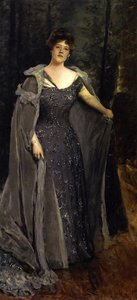
A serene interior portrait by Sir John Lavery captures a woman seated gracefully near a window overlooking a tranquil landscape, embodying late Victorian Impressionism's focus on light and emotion.
 Loe lähemalt
Sir John Lavery (1856–1941) – Iiri portreitkunstnik, kes jäädvustas Edwardia ajastu ülemuslikku seltskonda ja sõjaaegset olukorda. Hästi tuntud oma stiili poolest, mis on mõjutatud Whistlerist ning tähtsaks kunstnikuks Briti kunstis.
Giclée / Kunstiprint
Muuseumikvaliteediga giclée- või kangasprint kiire tootmisega ja paindlikud viimistlusvõimalused. ( Osta käsitsi maalatud teos Lülita digitaalse pildi juurde)




P118B €10

P118H €10

P118W €10

P438Z €10

P508JH €12

P508YH €12

P805H €10

P805Z €10

P919BZ €10

P919G €10

P919XJ €10

P959ZH €10

P968JZ €12

W106C €8

W218G €10

W218JH €8

W218Y €10

W307PJ €10

W316G €10

W316PJ €8

W316Y €10

W398PJ €8

W4111J €10

W500HY €15

W500JH €15

W692G €12

W849H €8

W940BG €15

W953PJ €8




Standardne suurus
kohandatud
CM
INCH
Vali meie eelmääratud suurused, mis vastavad teose algupärastele proportsioonidele.
Loading sizes...

laius
kõrgus
Sisestage vajalik laius ja kõrgus, et see sobiks teie raamile või seinale. Trükki saab ainult lõigata, seda ei saa kunagi pildist suuremaks teha, seega ka erineva mustega suurus kaotab osa pildist. Enne trükkimist saadame teile kinnitamiseks digitaalse näidisprojektsiooni. Sellel lehel näidatud pilt ei kujuta reaalset lõiget — seda näitab ainult näidisprojektsioon.
Ülemaailmne tarne () 2 nädala jooksul, tavalise 4/5 nädala asemel. (31 oktoober)

Tasuta ekspresssaatmine üle maailma

Kõrgekvaliteediline lina-kangas

Täielik transpordikindlustus

Tollimaksude tagastamise garantii

Värvitoime täpsuse garantii

100 päeva tagastusõigus (ainult valmistusdefektide korral)

100% raha tagasi garantii

Hulgusoodustus
 Klaasivalik on saadaval ainult kuni 110 cm suuruses teostes

Interior A Lady
Giclée / Kunstiprint
Reproduktsiooni suurus
-


Koguhind
€ 61
A Moment of Quietude
Step closer and observe the way the light settles within this room. In this scene from London, painted around 1896-1897, a woman rests upon a chaise lounge, her posture one of calm repose. The composition draws your eyes upward, following the vertical lines of the window and the heavy draperies to a large pane that looks out over a distant, rolling landscape. There is a certain stillness here, an intentional pause in time. The lady sits slightly off-center, her presence anchored by the diagonal line of the lounge, which introduces a subtle sense of movement into an otherwise stationary moment.
The palette is restrained, relying on creams, beiges, and delicate pinks to establish an atmosphere of Edwardian elegance. These warm, muted tones are balanced by the cooler, softer shades visible through the window, where the verdant hills meet the sky. It is a study in harmony, where the interior world and the natural world outside exist in a quiet, shared breath.
The Impressionist Touch
If you look at the texture of the paint, you can see the artist's hand at work. The technique leans into late Victorian Impressionism, utilizing visible brushstrokes to build layers of pigment. There is a palpable physicality in the impasto, particularly where the light hits the window shutters and the folds of the drapery on the left. These thicker applications of paint lend a sense of immediacy to the scene, as if the light might shift at any second.
The edges of the figure and the furniture are not sharply defined; instead, they blend softly into the surrounding atmosphere. This softness allows the light to become the true subject. The diffused glow from the window casts gentle shadows across the woman’s face and dress, highlighting the fine details of the fabric while maintaining a sense of atmospheric depth. Through this method, the painting captures a feeling of light and air rather than a mere photographic record of a room.
Symbolism and Presence
There is a subtle dialogue happening between the domestic space and the landscape beyond. The window acts as a connection to the outside world, offering a glimpse of vitality and nature against the controlled tranquility of the interior. This contrast reflects the values of the era—a balance between the grace of private life and the expansive freedom of the natural environment.
The woman’s demeanor, characterized by composure and subtle contemplation, embodies the ideals of feminine grace prevalent in late 19th-century society. Her presence is not demanding; she simply exists within the light. To sit with this work is to experience a sense of domestic peace, finding beauty in the quiet, unhurried intervals of life.
Korduvad küsimused
Mille kohta on teos "Interior A Lady" ja milline on selle atmosfäär?
Teos „Interior A Lady“, autor John Laver ühendab endas woman, chaise lounge, window, draperies, landscape, cream tones, pink hues ning loob Elegant atmosfääri.
Milline on „Interior A Lady“, autor John Laver koht kunstiloos?
Teos „Interior A Lady“, autor John Laver kuulub Impressionism suunale, mis on osa 19th Century ajastust. Koos annavad need teosele selle koha kunstiajas.
Kas teose "Interior A Lady" värvid on tugevad või pehmed?
Teose „Interior A Lady“, autor John Laver värvid on Vivid intensiivsusega.
Sarnased teosed




Kunstniku elulugu
Sir John Lavery: Belfastist, Portreede ja Ajastu Peegel
Sir John Lavery (1856–1941) on iiri päritolu kunstnik, kelle nimi on tihedalt seotud Briti portreekunstiga varase 20. sajandi alguses. Tema elu oli põnev segu lihtsatest algustest, ülesmäge võitlustest ja lõpuks triumfist, mis viis ta kõrgesse seltskonda ja rahvusvahelisse kuulsusse. Lavery ei olnud pelgalt portree maalija; ta oli ajastu peegel, jäädvustades oma pintsliga nii Edwardiaani ajastu luksust kui ka maailmasõja varjusid.
Sündinud Belfasti vaesele perekonda, kaotas Lavery vara lapsepõlves. See raske algus ei takistanud teda aga kunstist kirge arendamast. Pärast õpetamist fotograafia ateljees Glasgow's, otsustas ta keskenduda maalikunstile ja jätkas õpinguid Pariisi Académie Julianis. Seal tutvus ta impressionismi mõjuga ning hakkas omakorda seda oma töösse integreerima, kuid säilitades samal ajal klassikalisest portreekunstist tuntud täpsuse ja detailiarmastuse.
Glasgow Schooli Väljund ja Portreede Meisterlikkus
Tagasi Glasgow's liitus Lavery Glasgow Schooli kunstnike ringiga, kus ta omakorda mõjutas kohalikku kunsti. Tema varased tööd näitavad juba tema eripära – värvi kasutamist ning valgustandust, mis andis teostele peena helkiv välimuse. 1888. aastal saabus Lavery karjääri jaoks murdepunkt: ta sai tellimuse maalida kuninganna Viktoria visiiti Glasgow International Exhibitionile. See ülesanne tõstis teda kiiresti kuulsusse ja avas ukse Londoni kõrgesse seltskonda.
Lavery portreed olid silmapaistvad oma psühholoogilise sügavusega ning võimega tabada istujate isiksust. Ta ei maalind pelgalt nägusid; ta püüdis edastada nende hinge, sotsiaalset staatust ja sisemisi tundmusi. Tema portreed olid täpsed, kuid samal ajal ka kunstiliselt väljendunud, säilitades tasakaalu realistliku kujutise ja impressionistliku värvimaailma vahel. Ta oli võimeline jäädvustama nii aristokraatlikku elegantsi kui ka lihtsama rahva ausust.
Sõjaajad ja Rahvusliku Sümbolina Teos
Esimene maailmasõda muutis Lavery loomingut. Kuigi ta ei saanud esirealiini sõjaväe kunstnikuks terviseprobleemide tõttu, dokumenteeris ta Briti kodumaa sõjaelu – laevu, lennukeid ja õhulaevu. Need tööd annavad ainulaadse ülevaate sõjategevusest kodumaal, keskendudes tehnoloogilistele arengutele ja logistikale. Lavery'l oli võime tabada ajastu vaimu ning kujutada seda oma maalidel.
Sõjajärgne periood tõi talle rahvusliku tunnustuse – rüütlikindlust 1921. aastal ja valimist Royal Academy liikmeks. Tema elu põimus tihedalt Asquithi perekonna eluga, ning ta lõi hulga portreede ja idüllilisi maale, mis pakkusid pilgu nende privileegide maailma. Lavery osales ka Iiri iseseisvuse sündmustes, pakkudes oma Londoni maja kohtumispaigaks oluliste läbirääkimiste jaoks.
Pärand ja Jätkuva Väärtusega Kunst
Sir John Lavery jättis püsiva jälje Briti kunstiajalukku. Tema maalijõud, võime tabada inimeste isiksust ning värvide kasutamise oskus on endiselt väärt imetlemist. Lavery' portreed on tänapäevani hinnatud oma elegantsuse, tehnilise meisterlikkuse ja psühholoogilise sügavusega. Tema teos "Iiri allegoria" ilmus Iiri pangatähtede kujutisel aastatel 1928–1975 – tõestus tema rahvuslikust tähendusest.
Lavery' looming on näide ajastust, kus kunst ja ühiskond olid tihedalt põimunud. Ta oli portreekunstnik, kes ei peljanud kujutada nii kuningaid kui ka tavainimesi, jäädvustatades oma pintsliga ajastu olulised hetked ja isikud. Tema pärand elab edasi läbi tema teoste, mis jätkuvad inspireerima kunstnikke ja vaimustama vaatajaid üle maailma.
Lavery Kunsti Peamised Jõujooned
- Impressionistlikud Tehnikad: Kasutas impressionismi elemente oma töös, eriti valguse ja värvi kasutuses.
- Portreede Meisterlikkus: Tuntud võimega jäädvustada nii füüsilist sarnasust kui ka psühholoogilist sügavust portreedel.
- Peamised Teemad: Portreed, ühiskondlikud stseenid, sõjajärgne elu, maastikud.
- Elegantne Stiil: Tema maalijõud on sageli iseloomustatud elegantsuse, värskusega ja viimistletud esteetilise tundlikkusega.

John Laver
1856 - 1941 , Iirimaa
Lühikest infot
- Artistic Movement Or Style: Impressionism, portreed
- Artists Who Influenced This Artist: ['James McNeill Whistler']
- Date Of Birth: 20 märts 1856
- Date Of Death: 10 jaanuar 1941
- Full Name: Sir John Lavery
- Nationality: Iiri
- Notable Artworks:
- Mrs Lavery
- Michael Collins
- Summer on the River
- Place Of Birth: Belfast, Iirimaa
Sarnased artiklid

10 Masterpiece Landscape Paintings That Will Transform Your Perspective
Journey through history with 10 iconic landscape paintings. From Impressionist light to Romantic vistas, discover the stories behind these timeless masterpieces. Find museum-quality art reproductions and decor inspiration at TopImpressionists.com. Explore the full collection online.

10 Breathtaking Masterpieces That Redefine the Landscape Genre
Journey through history with 10 iconic landscape paintings that capture the soul of nature. From Impressionist light to dramatic vistas, explore the stories behind these timeless masterpieces and find museum-quality reproductions for your decor. Discover all masterpieces on TopImpressionists.com
Avastage teoseid, mis on koondatud teemade, stiilide ja omaduste kaupa.


