
Shown: · With its frame:
 Eelvaade
 Saada
Saada Jaga
Jaga
 Teave teose kohta
 Juhend

 Laadi alla
 Sarnased teosed
 Röntgenuuring
 Slaidietendus
 Q&A
Q&A Statistika

€ 239
Käsitsi valmistatud õlimaalireproduktsioon
Meie kunstnike poolt tellimusel valmistatud käsitsi maalitud õli-kainaste teos teie soovitud suuruses ja raamis. ( Lülita trükkitoodetele Lülita digitaalse pildi juurde)
Size
·Standardne suurus
kohandatud
CM
INCH
Vali meie eelmääratud suurused, mis vastavad teose algupärastele proportsioonidele.
Loading sizes...

laius
kõrgus
Sisestage vajalik laius ja kõrgus, et teos sobiks teie raamile või seinale. Kuna tegu on käsipainatud teosega, siis erineva kujuga suuruse korral võib kunstnik jätta pildi ümber veidi rohkem marginaali või lõigata osa ära — valik on teie. Enne maali alustamist saadame teile kinnitamiseks digitaalse näidisprojektsiooni. Sellel lehel näidatud pilt ei kajasta tegelikku tulemust — seda näitab ainult näidisprojektsioon.
 Loe lähemalt
Finish
·
White €1

Blurside €1

Extended €1

P118B €10

P118H €10

P118W €10

P438Z €10

P508JH €12

P508YH €12

P805H €10

P805Z €10

P919BZ €10

P919G €10

P919XJ €10

P959ZH €10

P968JZ €12

W106C €8

W218G €10

W218JH €8

W218Y €10

W307PJ €10

W316G €10

W316PJ €8

W316Y €10

W398PJ €8

W4111J €10

W500HY €15

W500JH €15

W692G €12

W849H €8

W940BG €15

W953PJ €8

H24-GOLD €30

H24-SILVER €30

H36-GOLD €45

H36-SILVER €45
Shipped in a protective tube, ready for your own framer.
Above 105 cm the frame is shipped as a kit for a professional framer — read the details.
Extras
optionalWhat do the extras include?
Examples of what can be changed: Replace face with customer photo; Add pet (e.g., replace cat with dog); Include hidden message in background; Change background landscape or elements.
After order, TopImpressionists.com team will email client for instructions and provide a mockup preview
After order, TopImpressionists.com team will email client for instructions and provide a mockup preview
Maailmline tarne 3–4 nädala jooksul tavalise 5 nädala asemel. (2 november). Kvaliteedis kompromisse ei tehta.
Kaitsevärnitsus
Nimesildikiri
Graveeritud pronksplaadi üksikasjad
This elegant plaque features the artist's name and the title of the artwork, finely engraved for a timeless presentation.
It is made from bronze with a refined, elegant finish. The text is precisely laser-engraved for a sharp and permanent result. Measuring 9x2 cm, the plaque is compact yet easy to read. It's built to be durable and scratch-resistant, offering a professional, museum-quality look. Mounting is simple thanks to the included adhesive backing.
Läbipaistva akrüülplaadi üksikasjad
The plaque includes essential engraved details such as the artist's name, the title of the artwork, the date it was created, the type of media used-like oil on canvas or watercolor-a brief description of the piece, and a QR code that links to the complete artwork information.
It is crafted from clear acrylic, offering a sleek, modern appearance. The text is UV-engraved in black to ensure strong visual contrast. With a size of 10x15 cm, it ensures optimal readability. It comes equipped with two metal hooks for secure wall mounting. The plaque is designed to be weather-resistant, making it suitable for various environments, and it includes interactive features that work seamlessly with smartphone scanning.
Musta akrüülplaadiรายละเอียด (Note: The user provided "Musta akrüülplaadi detailid" as the current translation and asked for an improved version. Since "Musta akrüülplaadi
This elegant plaque includes engraved information such as the artist's name, the title of the artwork, the date it was created, the type of media used (like oil on canvas or watercolor), a short description of the artwork, and a QR code for quick access to more information.
The plaque itself is made from refined black acrylic with a premium finish. The text is laser-engraved in white for high contrast and readability. Its size is 10x15 cm, designed to be easy to read. It comes with two metal hooks for professional mounting. The design is sleek and fits any interior style. It is also weather-resistant and durable, with built-in digital integration for mobile compatibility.
Klaasivalik on saadaval ainult kuni 110 cm suuruses teostes
 Klaasivalik on saadaval ainult kuni 110 cm suuruses teostes
- Tasuta ekspresssaatmine üle maailma
- Kõrgekvaliteediline lina-kangas
- Täielik transpordikindlustus
- Tollimaksude tagastamise garantii
- Värvitoime täpsuse garantii
- 100 päeva tagastusõigus (ainult valmistusdefektide korral)
- 100% raha tagasi garantii
- Hulgusoodustus


Kogumisobjekti kirjeldus
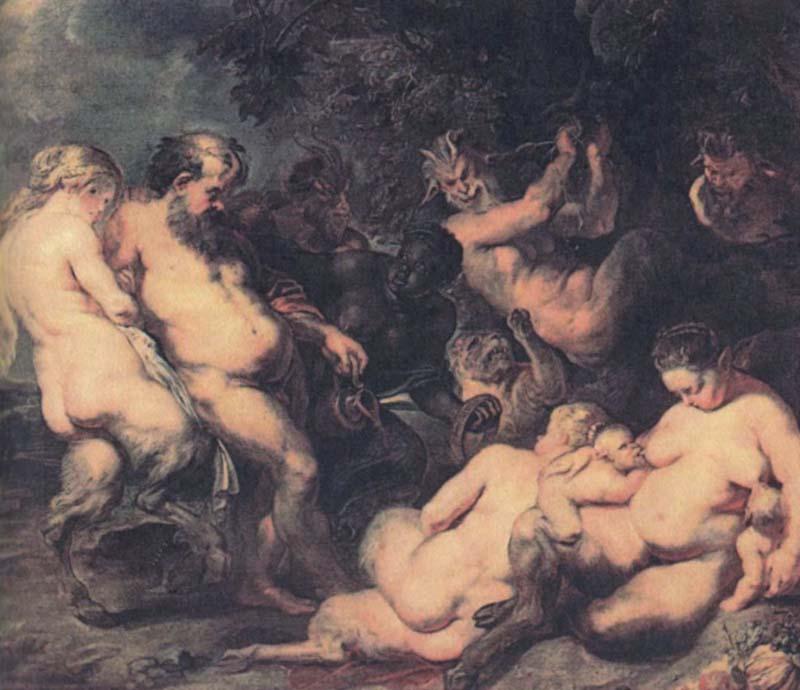
Experience the raw energy of Rubens' "Bacchanale"! This Baroque masterpiece captures a wild celebration with nude figures, vibrant colors, and dynamic movement – a captivating glimpse into 17th-century ecstasy.
Kunstniku elulugu
Sir Peter Paul Rubens oli barokkiaegade suurmeister! Tema ikonilised tööd nagu 'Immakorda Kristuse tõstmine' ja 'Piibli episoodid' on tuntud värviküllastusega ning dünaamilise kompositsiooni poolest. Tutvuge tema eluga ja kunstiga!
About the painting
The Frenzied Dance of Divinity: Peter Paul Rubens’s “Bacchanale”
Peter Paul Rubens' "Bacchanale," painted around 1615, isn’t merely a depiction of revelry; it’s a visceral embodiment of the Baroque spirit—a tempestuous collision of classical mythology, raw emotion, and dynamic movement. This monumental oil on canvas transports us to a moonlit forest, teeming with figures caught in an ecstatic dance before Bacchus, the god of wine and fertility. The painting pulsates with life, demanding our attention and inviting us into its chaotic, intoxicating world. It’s a work that speaks not just to the eye but directly to the senses, capturing the very essence of unbridled joy and primal instinct.
Rubens, a master of color and composition, was deeply influenced by the Counter-Reformation's need for dramatic religious imagery. Yet, he skillfully blended this influence with his own exuberant style, creating works that were both profoundly spiritual and intensely sensual. “Bacchanale” exemplifies this duality perfectly. The figures, rendered in Rubens’ signature glowing palette of reds, golds, and deep blues, are not idealized heroes but deeply human—prone to lust, intoxication, and a complete abandonment of restraint. This departure from the more restrained styles of earlier periods was revolutionary, reflecting a shift towards embracing earthly pleasures within a framework of religious devotion.
A Symphony of Form and Color
Technically, “Bacchanale” is a tour de force. Rubens’s brushwork is loose and energetic, creating an immediate sense of movement and dynamism. Notice how he uses rapid, short strokes to depict the swirling fabrics and the frenzied gestures of the dancers. The figures are not meticulously rendered with anatomical precision; instead, they are captured in moments of intense emotion, their forms simplified and exaggerated to heighten the drama. The use of *chiaroscuro* – the dramatic contrast between light and dark – further emphasizes this sense of movement and adds a layer of theatricality to the scene. The lighting seems to emanate from within the figures themselves, bathing them in an otherworldly glow.
Rubens’s mastery of color is equally remarkable. He employs a vibrant, almost overwhelming palette, using rich reds and golds to represent the intoxicating effects of wine and revelry. These warm tones are juxtaposed with cooler blues and greens, creating a dynamic visual tension that mirrors the emotional turmoil of the scene. The sheer intensity of the colors contributes significantly to the painting’s overall impact, drawing the viewer into its chaotic embrace.
Mythological Roots and Symbolic Layers
The subject matter itself—the bacchanal—is steeped in classical mythology. The Bacchanalia were wild festivals held in honor of Dionysus (Bacchus), where participants indulged in wine, music, dance, and ecstatic rituals. These celebrations represented a temporary escape from the constraints of civilized society, a return to primal instincts and a celebration of life’s fleeting pleasures. In “Bacchanale,” Rubens transforms this ancient myth into a powerful allegory for human nature—a reminder of our capacity for both joy and excess.
Beyond the mythological narrative, the painting is rich in symbolic detail. The abundance of food and drink symbolizes fertility and prosperity, while the nudity of the figures represents freedom from shame and social constraints. Even the forest setting itself can be interpreted symbolically—representing a wild, untamed space where human desires are unleashed without restraint. The inclusion of satyrs and nymphs further reinforces the painting’s connection to pagan traditions, adding another layer of complexity to its meaning.
A Legacy of Baroque Grandeur
“Bacchanale” stands as one of Rubens' most celebrated works, a testament to his artistic genius and his ability to capture the spirit of the Baroque era. Its dramatic composition, vibrant colors, and powerful emotional impact continue to resonate with viewers today. Reproductions of this masterpiece offer a remarkable opportunity to experience the intensity and dynamism of Rubens’s vision—a chance to step into a world of ecstatic revelry and witness the raw beauty of human passion. It's a painting that invites contemplation, sparking questions about our own relationship to pleasure, excess, and the enduring power of myth.
Korduvad küsimused
Kuidas teose „Bacchanale“, autor Peter Paul Rubens meeleolu on kirjeldatud?
Teose „Bacchanale“, autor Peter Paul Rubens üldine meeleolu on Dramatic. See meeleolu kirjeldab teose üldist atmosfääri.
Kas saan teost "Bacchanale" lähemalt uurida?
Teose „Bacchanale“, autor Peter Paul Rubens Röntgenuuring leht on interaktiivne vaatur, mis võimaldab liikuda läbi teose üheksateist optilise kihti, sealhulgas röntgenlaadunäoga vaadet.
Milline „Bacchanale“, autor Peter Paul Rubens trükkimõõt sobib soovitud ruumile?
Teose „Bacchanale“, autor Peter Paul Rubens soovitatav trükimõõt Living Room jaoks on Large.
Quick facts and art quiz
About Peter Paul Rubens

Peter Paul Rubens
1577 - 1640, Saksa
Kunstniku elulugu
Sir Peter Paul Rubens: A Baroque Master!
Peter Paul Rubens, a name synonymous with the exuberant grandeur of the Baroque era, stands as one of Flanders’s most celebrated artists and arguably Europe's foremost painter of his time. More than simply capturing visual beauty, Rubens sought to evoke emotion, convey moral lessons, and celebrate human potential—a mission that cemented his place in art history and continues to inspire admiration today. Born in Siegen, Germany, on June 28th, 1577, Rubens’s early life was marked by upheaval – a formative experience that subtly infused his artistic vision with an undercurrent of drama and resilience. His father, Jan Rubens, a lawyer fleeing religious persecution for Calvinist beliefs, relocated the family from Antwerp, then firmly under Spanish rule, initiating a period of displacement that would shape Peter Paul’s worldview. This initial exile instilled in him a profound appreciation for adaptability—a quality that served him exceptionally well throughout his multifaceted career as an artist, diplomat, and scholar. Following Jan Rubens' untimely death in 1587, the family returned to Antwerp, where young Peter Paul received a humanist education before embarking on his artistic training around 1590, apprenticing under Tobias Verhaecht and Adam van Noort—acquiring foundational skills in drawing and mastering the techniques of oil painting.The Italian Awakening: Absorbing Renaissance Genius
A pivotal moment arrived in 1600 when Rubens undertook a transformative journey to Italy – a pilgrimage that irrevocably altered his artistic trajectory. For eight years, he immersed himself in the masterpieces crafted by Michelangelo, Raphael, and Titian—absorbing their mastery of form, color, and composition with unwavering dedication. The influence of these Renaissance titans is palpably present in Rubens’s early Italian works, characterized by classical themes and idealized figures – a deliberate effort to emulate the stylistic ideals of his predecessors. Yet, Rubens didn't merely imitate; he synthesized these influences with his innate talent—developing a distinctive style that transcended mere replication. He meticulously studied anatomy, achieving an unprecedented level of realism in depicting the human body—a hallmark of his Baroque aesthetic. This pursuit of anatomical accuracy wasn’t solely driven by artistic ambition; it reflected a broader humanist conviction that championed observation and understanding as pathways to knowledge and beauty. Rubens's meticulous approach extended beyond mere visual representation; he engaged deeply with philosophical concepts, fostering an intellectual curiosity that enriched his artistic endeavors.A Painter of Epic Scale: Defining the Baroque Style
Rubens’s artistic output was astonishingly diverse—spanning history paintings, mythological scenes, portraits, landscapes, and religious commissions—demonstrating a remarkable versatility that defied categorization. He achieved unparalleled success in monumental canvases intended for churches and palaces—creating immersive experiences for viewers through masterful use of color, light, and dramatic composition. Consider The Descent from the Cross (c. 1616-1617), arguably Rubens’s most iconic work: The painting depicts Jesus Christ descending from the cross, surrounded by Mary Magdalene, Nicodemus, Joseph of Arimathea, and John Evangelist—a scene rendered with breathtaking realism and imbued with profound emotional resonance. Rubens skillfully employed chiaroscuro – dramatic contrasts between light and shadow – to heighten the sense of pathos and convey the spiritual significance of the event. Similarly, The Raising of the Cross (1610-1611) captures the fervor and energy of the biblical narrative—figures surging upwards in dynamic movement against a turbulent sky—a testament to Rubens’s ability to translate theological concepts into visual spectacle. His technique was equally remarkable – utilizing impasto—thickly applied paint—to create textural surfaces that seemed to pulsate with life, alongside delicate glazing techniques to achieve luminous effects—a masterful demonstration of artistic innovation.Diplomacy and Patronage: Shaping European Culture
Beyond his prodigious artistic achievements, Rubens possessed considerable diplomatic acumen—serving as envoy for the Habsburg Netherlands during periods of intense political instability. He skillfully navigated complex negotiations, securing alliances and bolstering Habsburg prestige—a role that afforded him invaluable insight into the dynamics of European politics. His reputation as a cultured humanist extended beyond formal scholarship; he amassed an impressive collection of antiquities and artworks—demonstrating a passion for beauty and intellectual stimulation that mirrored his artistic sensibilities. Rubens’s patronage played a crucial role in fostering artistic innovation—supporting young artists and commissioning ambitious projects that elevated Antwerp to the forefront of European art culture. He established a large studio staffed by numerous assistants—producing an astounding volume of paintings that catered to the tastes of aristocratic patrons throughout Europe—a testament to his entrepreneurial spirit and unwavering dedication to his craft.Legacy: An Enduring Influence on Art History
Rubens’s influence reverberates through subsequent generations of artists—inspiring painters like Anthony van Dyck, Jacob Jordaens, and Eugène Delacroix—who adopted his dynamic compositions, vibrant color palettes, and sensual depictions of the human form as hallmarks of their own artistic styles. His legacy extends beyond stylistic imitation; Rubens championed a humanist worldview that emphasized observation, reason, and empathy—values that continue to resonate with contemporary audiences. He remains, centuries later, an undisputed titan in the annals of art history—a symbol of Baroque grandeur, artistic innovation, and enduring cultural significance.Quick facts about Peter Paul Rubens
- Artistic Movement Or Style: Барокко
- Artists Or Movements Influenced By This Artist: ['Антони ван Дейк']
- Artists Who Influenced This Artist:
- Микеланджело
- Рафаэль
- Тициан
- Date Of Birth: 28 juin 1577
- Full Name: Sir Peter Paul Rubens
- Nationality: Фламандская
- Notable Artworks:
- Схождение Христа с Креста
- Подъем Креста
- Портрет Изабеллы Бранта
- Place Of Birth: Siegen, Германія
Avastage teoseid, mis on koondatud teemade, stiilide ja omaduste kaupa.


Peter Paul Rubens
Bacchanale
() ·
With its frame: · Hand-painted in oil on linen
Total