

 Vaata sisu
 Jaga teost
 Jaga
Jaga
 Detailid
 Õppekate juhend

 Laadi alla
 Sarnased teosed
 Röntgenuuring
 Slaidietendus
 Statistika
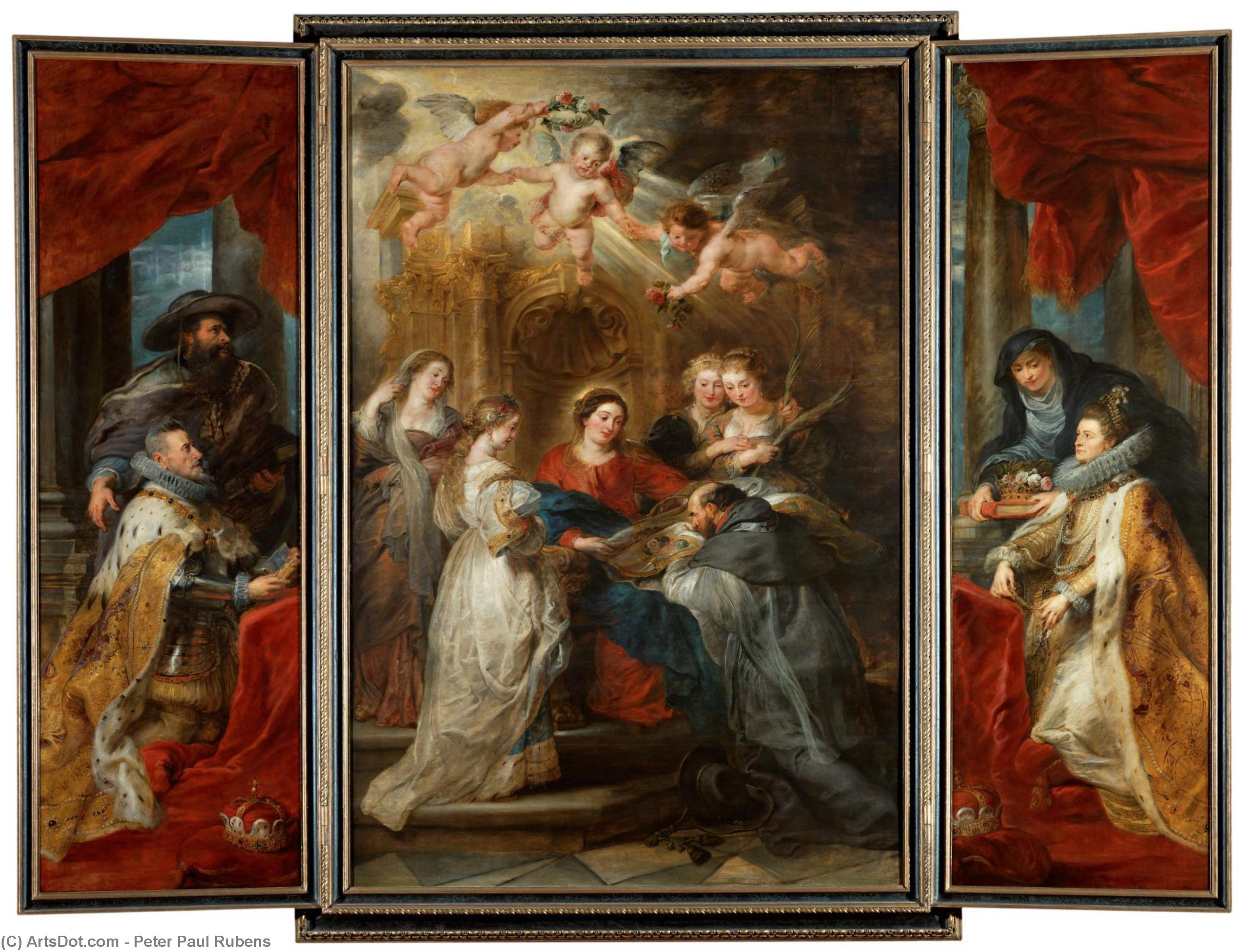
Ildefonso Altar


Peter Paul Rubens’ ‘Ildefonso Altar’: Impeksantne barokse triptyk, mis kujutab jumaliku avaldiseisu ja Hispaania pärandit. Avane selle rikkaliku sümbolismiga ja meistritehnika – ajatu meistritöö!
 Loe lähemalt
Sir Peter Paul Rubens oli barokkiaegade suurmeister! Tema ikonilised tööd nagu 'Immakorda Kristuse tõstmine' ja 'Piibli episoodid' on tuntud värviküllastusega ning dünaamilise kompositsiooni poolest. Tutvuge tema eluga ja kunstiga!
Giclée / Kunstiprint
Muuseumikvaliteediga giclée- või kangasprint kiire tootmisega ja paindlikud viimistlusvõimalused. ( Telli käsitsi maalitud reproduktsioon Ülemineku digitaalse pildi müügi kanalisse)




P118B €10

P118H €10

P118W €10

P438Z €10

P508JH €12

P508YH €12

P805H €10

P805Z €10

P919BZ €10

P919G €10

P919XJ €10

P959ZH €10

P968JZ €12

W106C €8

W218G €10

W218JH €8

W218Y €10

W307PJ €10

W316G €10

W316PJ €8

W316Y €10

W398PJ €8

W4111J €10

W500HY €15

W500JH €15

W692G €12

W849H €8

W940BG €15

W953PJ €8




Standardne suurus
kohandatud
CM
INCH
Vali meie eelmääratud suurused, mis vastavad teose algupärastele proportsioonidele.
Loading sizes...

laius
kõrgus
Sisestage vajalik laius ja kõrgus, et see sobiks teie raamile või seinale. Trükki saab ainult lõigata, seda ei saa kunagi pildist suuremaks teha, seega ka differentse vormiga suurus kaotab osa pildist. Enne trükkimist saadame teile kinnitamiseks digitaalse näidisprojektsiooni. Sellel lehel näidatud pilt ei kujuta reaalset lõiget — seda näitab ainult näidisprojekttsioon.
Ülemaailmne tarne () 2 nädala jooksul, tavalise 4/5 nädala asemel. (23 oktoober)

Tasuta ekspresssaatmine üle maailma

Kõrgekvaliteediline lina-kangastest muld

Täielik transpordikindlustus

Tollimaksude tagastamise garantii

Värvitoime täpsuse garantii

100 päeva tagastusõigus (ainult defektide korral)

100% raha tagasi garantii

Hulgusoodustus
 Klaasivalik on saadaval ainult kuni 110 cm suuruses teostes

Ildefonso Altar
Giclée / Kunstiprint
Reproduktsiooni mõõtmed
-


Lõppsumma
€ 61
Teema ja Kompositsioon
See imelise mitu paneeli moodustunud altarimärk on keskendunud Saint Ildefonsuse jumaliku avaldusele Vaimustatud Maarjalt. Koht on rikkalikult asustatud elegantsetega rõivad, sealhuljas patrons ja pühad, mis on kujutatud teatraalselt ja dünaamiliselt kompositsiooni, mis kutsub vaatajadid sügavamaks usulisse narratiivi. Figuuride väljendusrikkad gestikulatsioonid ja tähelepanelikud pilguvad tekitavad tunne jumaliku imetlusest ja vaimsest hingamatusest, kutsuvad vaatajadid mõtlema jumala kohtumisele, mis on kujutatud rikkalikus raamides.
Kunstiline Stil ja Tehnika
1632. aastal Peter Paul Rubens poolt tehtud see töö näitab Baroksti stiili ülima energiat ja emotsionaalset intensiivsust. Rubeseni valgus-varju dramaatiliselt kontrasti oskus suurendab figuuride kolmemõõdulikkust ja realismit, samas kui tema elav värvigamma rõhutab soojust, luksust ja energiat. Tekstiilides, arhitektuuris ja taevastes elementides olevad detailid näitavad tema oskust ja tähelepanelikust käsitööd, mis annab visuaalselt meele äratundvad tükid, mis säälivad liikumist ja elu.
Ajaline Kontekst ja Sümbolism
See altarimärk oli tellitud Baroksti perioodil, mille eesmärgiks oli inspiratsioon ja usuliste ja poliitiliste kohustuste tugevdamine. See loodi algselt kiriku jaoks St. Ildefonsuse kirikus Venetsias, mis peegeldab vastureformatsiooni rõhu emotsionaalsele osalusele ja vaimsele põgenelemisele. Jumala avalduse keskküljel Saint Ildefonsus Vaimustatud Maarja kasulaga sümboliseerib jumalakäitumist ja pühade tõe üleandmist. Lisaks paneelid, mis näitavad Hollandi kuningriigi valitsejate Isabella Clara Eugeniat ja Albert VII-d koos nende pühadega, rõhutab selle rolli kui tunnistus usu, lojaalsuse ja jumalakäitumise legitimatsioonist.
Emotsionaalne Vaik ja Kunstiline Tähtsus
Rubeseni maastur kompositsioon ja elavad kujud tekitavad võimele emotsiooni, inspireerides imetlust ja pühakest vaatajatele. Suurus ja teatraalsus selle näituses suurendab vaimse kogemuse, muutes selle ideaalse keskenduse nii usulise kontsetatsiooniks kui ka stiilse interjööri dekoratsiooniks. Selle rikkad sümbolid ja dünaamilised tähendused teevad sellest ajastatud kunstiteose, mis jätkab helisammumist armastusest, kogujate ja interjööri kujundajate jaoks, kes soovivad oma ruumi muuta jumalase iluga ja ajaloolise tähtsusega.
Sobib Reproduktiooni ja Näitamine
See kvaliteetne reproduktioon püüab kokku iga nüanss Rubeseni algse töö, võimaldades kunstihuvilistele tuua Baroksti brilantsi oma kodudesse või kogudesse. See on näidatud suure elutuba, pühakojas või galeriis, see teeb selle keskenduse, mis kutsub üles arutama ja imetlema.
Küsimused ja vastused
Kust teose „Ildefonso Altar“, autor Peter Paul Rubens külastajad pärit on?
Statistika teose „Ildefonso Altar“, autor Peter Paul Rubens kohta on saadaval teose Statistika lehel: teose kuukaudsed külastused, kunstniku teoste külastused ning viimaste külastajate riikide ja keelte jaotus.
Kas on olemas sarnaseid teoseid kui "Ildefonso Altar"?
Teosest „Ildefonso Altar“, autor Peter Paul Rubens leidetavad sarnased teosed lehelt Sarnased teosed.
Kuidas saan teoseid „Ildefonso Altar“, autor Peter Paul Rubens vaadata diapositatsioonina?
Teost „Ildefonso Altar“, autor Peter Paul Rubens saab vaadata diapositena teose Slideshow lehel.
Kunstniku elulugu
Sir Peter Paul Rubens: A Baroque Master!
Peter Paul Rubens, a name synonymous with the exuberant grandeur of the Baroque era, stands as one of Flanders’s most celebrated artists and arguably Europe's foremost painter of his time. More than simply capturing visual beauty, Rubens sought to evoke emotion, convey moral lessons, and celebrate human potential—a mission that cemented his place in art history and continues to inspire admiration today. Born in Siegen, Germany, on June 28th, 1577, Rubens’s early life was marked by upheaval – a formative experience that subtly infused his artistic vision with an undercurrent of drama and resilience. His father, Jan Rubens, a lawyer fleeing religious persecution for Calvinist beliefs, relocated the family from Antwerp, then firmly under Spanish rule, initiating a period of displacement that would shape Peter Paul’s worldview. This initial exile instilled in him a profound appreciation for adaptability—a quality that served him exceptionally well throughout his multifaceted career as an artist, diplomat, and scholar. Following Jan Rubens' untimely death in 1587, the family returned to Antwerp, where young Peter Paul received a humanist education before embarking on his artistic training around 1590, apprenticing under Tobias Verhaecht and Adam van Noort—acquiring foundational skills in drawing and mastering the techniques of oil painting.The Italian Awakening: Absorbing Renaissance Genius
A pivotal moment arrived in 1600 when Rubens undertook a transformative journey to Italy – a pilgrimage that irrevocably altered his artistic trajectory. For eight years, he immersed himself in the masterpieces crafted by Michelangelo, Raphael, and Titian—absorbing their mastery of form, color, and composition with unwavering dedication. The influence of these Renaissance titans is palpably present in Rubens’s early Italian works, characterized by classical themes and idealized figures – a deliberate effort to emulate the stylistic ideals of his predecessors. Yet, Rubens didn't merely imitate; he synthesized these influences with his innate talent—developing a distinctive style that transcended mere replication. He meticulously studied anatomy, achieving an unprecedented level of realism in depicting the human body—a hallmark of his Baroque aesthetic. This pursuit of anatomical accuracy wasn’t solely driven by artistic ambition; it reflected a broader humanist conviction that championed observation and understanding as pathways to knowledge and beauty. Rubens's meticulous approach extended beyond mere visual representation; he engaged deeply with philosophical concepts, fostering an intellectual curiosity that enriched his artistic endeavors.A Painter of Epic Scale: Defining the Baroque Style
Rubens’s artistic output was astonishingly diverse—spanning history paintings, mythological scenes, portraits, landscapes, and religious commissions—demonstrating a remarkable versatility that defied categorization. He achieved unparalleled success in monumental canvases intended for churches and palaces—creating immersive experiences for viewers through masterful use of color, light, and dramatic composition. Consider The Descent from the Cross (c. 1616-1617), arguably Rubens’s most iconic work: The painting depicts Jesus Christ descending from the cross, surrounded by Mary Magdalene, Nicodemus, Joseph of Arimathea, and John Evangelist—a scene rendered with breathtaking realism and imbued with profound emotional resonance. Rubens skillfully employed chiaroscuro – dramatic contrasts between light and shadow – to heighten the sense of pathos and convey the spiritual significance of the event. Similarly, The Raising of the Cross (1610-1611) captures the fervor and energy of the biblical narrative—figures surging upwards in dynamic movement against a turbulent sky—a testament to Rubens’s ability to translate theological concepts into visual spectacle. His technique was equally remarkable – utilizing impasto—thickly applied paint—to create textural surfaces that seemed to pulsate with life, alongside delicate glazing techniques to achieve luminous effects—a masterful demonstration of artistic innovation.Diplomacy and Patronage: Shaping European Culture
Beyond his prodigious artistic achievements, Rubens possessed considerable diplomatic acumen—serving as envoy for the Habsburg Netherlands during periods of intense political instability. He skillfully navigated complex negotiations, securing alliances and bolstering Habsburg prestige—a role that afforded him invaluable insight into the dynamics of European politics. His reputation as a cultured humanist extended beyond formal scholarship; he amassed an impressive collection of antiquities and artworks—demonstrating a passion for beauty and intellectual stimulation that mirrored his artistic sensibilities. Rubens’s patronage played a crucial role in fostering artistic innovation—supporting young artists and commissioning ambitious projects that elevated Antwerp to the forefront of European art culture. He established a large studio staffed by numerous assistants—producing an astounding volume of paintings that catered to the tastes of aristocratic patrons throughout Europe—a testament to his entrepreneurial spirit and unwavering dedication to his craft.Legacy: An Enduring Influence on Art History
Rubens’s influence reverberates through subsequent generations of artists—inspiring painters like Anthony van Dyck, Jacob Jordaens, and Eugène Delacroix—who adopted his dynamic compositions, vibrant color palettes, and sensual depictions of the human form as hallmarks of their own artistic styles. His legacy extends beyond stylistic imitation; Rubens championed a humanist worldview that emphasized observation, reason, and empathy—values that continue to resonate with contemporary audiences. He remains, centuries later, an undisputed titan in the annals of art history—a symbol of Baroque grandeur, artistic innovation, and enduring cultural significance.
Peter Paul Rubens
1577 - 1640 , Saksa
Lühikest infot
- Artistic Movement Or Style: Барокко
- Artists Or Movements Influenced By This Artist: ['Антони ван Дейк']
- Artists Who Influenced This Artist:
- Микеланджело
- Рафаэль
- Тициан
- Date Of Birth: 28 juin 1577
- Full Name: Sir Peter Paul Rubens
- Nationality: Фламандская
- Notable Artworks:
- Схождение Христа с Креста
- Подъем Креста
- Портрет Изабеллы Бранта
- Place Of Birth: Siegen, Германія
Sarnased artiklid

Paul Cézanne: 25 Meisterteost, mis Muutsid Maailma Kunsti | TopImpressionists
Avastage Paul Cézanne 25 kõige ikoonilisemat teost! Sukeldume postimpressionismi maailma, värviliste still life'ide ja Mont Sainte-Victoire maalide lugudesse. Leidke inspiratsiooni interjööri disainiks TopImpressionists.com-is. Vaadake maali reproduktsioone!

The Dramatic Flourish: Exploring the Baroque Movement's Enduring Legacy in Art History
Explore the dramatic world of Baroque art! Discover iconic artists like Caravaggio & Rubens, defining techniques, and its lasting impact on art history. Expert insights for collectors & enthusiasts at TopImpressionists.

Paul Klee Parimad Teosed: 25 Kunstiteost, Mis Inspireerivad | TopImpressionists
Avastage Paul Klee 25 parimat teost! Sukeldume ekspressionismi, kuubism ja abstraktse kunsti maailma. Lugege kunstniku lugusid ning leidke inspiratsiooni interjööridisainiks TopImpressionists.com-is. Avastage kõik meistriteosed veebis!

Peter Paul Rubens: A Baroque Master's Life, Legacy & Enduring Influence
Discover the life & art of Peter Paul Rubens, the most influential artist of the Flemish Baroque tradition. Explore his masterpieces, legacy, and impact on art history with TopImpressionists.

The Grandeur of Baroque Portraiture: Power, Emotion & Artistic Innovation
Explore the grandeur of Baroque portraiture! Discover Rubens, Van Dyck & the masters of 17th-century art. Uncover symbolism, techniques & lasting influence. Expert insights for collectors and enthusiasts.
Avastage teoseid, mis on koondatud teemade, stiilide ja omaduste kaupa.


