


 Vaata sisu
 Jaga teost
 Jaga
Jaga
 Detailid
 Õppekate juhend

 Laadi alla
 Sarnased teosed
 Röntgenuuring
 Slaidietendus
 Statistika
Central Australia
 Oil On Board
- WallArt
- Cubist
 1949
1949- Modern
 92.0 x 121.0 cm
 Victoria Rahvusgalerii
Experience the shifting patterns of Central Australia with Sidney Nolan's evocative 1949 landscape; discover this masterpiece capturing the vast Australian spirit.
 Loe lähemalt
Avastage Sir Sidney Nolan (1917-1992), Austraalia modernistlik meistri! Avage ikonilised Ned Kelly maalid, vibrantne maastikud ja tema unikaalne visioon Austraalia ajaloost. Vaadake teoseid TopImpressionists platvormil.
Sellel lehel kuvatav kunstiteos on kaitstud autoriõigusega, mis tähendab, et meil ei ole seaduslikku õigust luua või müüa identset reproduktsiooni. Seda kaitset rakendatakse rahvusvaheliste kokkulepete alusel, nagu näiteks Berne konventsioon ning riiklike seadustega, sealhulgas nendega, mida on sätestatud USA autoriõiguse seadus – 17. peatükk.
See meetod järgib täielikult autoriõiguse reegleid, kuna see ei põhine kaitstud kunstiteose kopeerimisel või dupliteerimisel. Selle asemel on tegu loova reinterpreetatsiooniga – uue maaldisega, mis on algteosest inspireeritud, kuid ei ole sellest identiline.
Giclée / Kunstiprint
Muuseumikvaliteediga giclée- või kangasprint kiire tootmisega ja paindlikud viimistlusvõimalused. ( Telli käsitsi maalitud reproduktsioon Ülemineku digitaalse pildi müügi kanalisse)




P118B €10

P118H €10

P118W €10

P438Z €10

P508JH €12

P508YH €12

P805H €10

P805Z €10

P919BZ €10

P919G €10

P919XJ €10

P959ZH €10

P968JZ €12

W106C €8

W218G €10

W218JH €8

W218Y €10

W307PJ €10

W316G €10

W316PJ €8

W316Y €10

W398PJ €8

W4111J €10

W500HY €15

W500JH €15

W692G €12

W849H €8

W940BG €15

W953PJ €8




Standardne suurus
kohandatud
CM
INCH
Vali meie eelmääratud suurused, mis vastavad teose algupärastele proportsioonidele.
Loading sizes...

laius
kõrgus
Sisestage vajalik laius ja kõrgus, et see sobiks teie raamile või seinale. Trükki saab ainult lõigata, seda ei saa kunagi pildist suuremaks teha, seega ka differentse vormiga suurus kaotab osa pildist. Enne trükkimist saadame teile kinnitamiseks digitaalse näidisprojektsiooni. Sellel lehel näidatud pilt ei kujuta reaalset lõiget — seda näitab ainult näidisprojekttsioon.
Ülemaailmne tarne () 2 nädala jooksul, tavalise 4/5 nädala asemel. (18 oktoober)

Tasuta ekspresssaatmine üle maailma

Kõrgekvaliteediline lina-kangastest muld

Täielik transpordikindlustus

Tollimaksude tagastamise garantii

Värvitoime täpsuse garantii

100 päeva tagastusõigus (ainult defektide korral)

100% raha tagasi garantii

Hulgusoodustus
 Klaasivalik on saadaval ainult kuni 110 cm suuruses teostes

Central Australia
Giclée / Kunstiprint
Reproduktsiooni mõõtmed
-


Lõppsumma
€ 60
A Vision of the Red Centre: The Abstracted Majesty of Central Australia
In the vast, sun-drenched expanse of the Australian interior, where the horizon blurs between earth and sky, Sir Sidney Robert Nolan captured a reality that transcends mere topography. Central Australia is not simply a landscape painting; it is a profound meditation on pattern, perception, and the mythic quality of the outback. Created in 1949, this masterpiece invites the viewer to experience the desert not as a static scene, but as a living, breathing entity. Nolan, a titan of 20th-century Australian art, possessed a singular ability to distill the raw, often harsh essence of the continent into a visual language that feels both ancient and avant-garde. Through his eyes, the rugged mountain ranges and undulating hills become part of a rhythmic dance, where geological forms appear to emerge from and dissolve back into the earth.
The painting’s power lies in its unique stylistic synthesis, reminiscent of Cubist collage and the spontaneous abstractions of Paul Klee. Nolan famously drew inspiration from the perspective of an aerial view, imagining the landscape from an altitude of 10,000 feet. This elevated vantage point allowed him to strip away the clutter of the foreground and focus on the mesmerizing, random patterns etched upon the earth’s surface. The result is a composition that feels remarkably modern—a tapestry of shifting shapes where the distinction between solid rock and ephemeral shadow is intentionally blurred. For the discerning collector or interior designer, this work offers a sophisticated focal point that brings a sense of structured movement and intellectual depth to any curated space.
Technique and the Texture of Drought
To touch the surface of this work—even through a high-quality reproduction—is to encounter the ruggedness of the Australian spirit. Nolan utilized a specialized drybrush technique, applying thin, deliberate layers of oil paint onto hardboard. This method was essential for capturing the parched, textured reality of the desert. By manipulating the pigment to create a sense of friction and grit, he successfully evoked the heat of the sun and the desiccated nature of the terrain. The color palette is a masterful study in contrast: deep, earthy ochres and burnt siennas collide with sudden bursts of brilliant orange and cool, atmospheric blues. These hues do more than represent color; they communicate the intense thermal shifts of the desert, where the warmth of the day gives way to the biting chill of the nocturnal air.
This technical mastery serves a deeper symbolic purpose. The painting was conceived during a period when Nolan was documenting the devastating effects of drought in the rural interior. Every stroke carries the weight of this environmental struggle, imbuing the landscape with a sense of vulnerability and resilience. The mountains, appearing like ghostly silhouettes against an incandescent sky, act as monuments to endurance. For those seeking to decorate a space with art that possesses true emotional gravity, Central Australia provides a window into a world where nature is both beautiful and formidable, offering a timeless connection to the primal elements of our planet.
An Invitation to Wonder
Beyond its historical significance and technical brilliance, Central Australia serves as an emotional gateway. It evokes a sense of profound wonder, pulling the viewer into a space of quiet contemplation. There is a rhythmic, almost musical quality to the way the hills rise and fall, a visual cadence that can soothe the mind while stimulating the imagination. Whether placed in a contemporary gallery setting or a warm, residential study, this painting acts as an anchor of authenticity and mythic storytelling.
Owning a reproduction of such a seminal work allows one to inhabit Nolan’s dreamscape daily. It is an opportunity to surround oneself with the legacy of the Angry Penguins movement and the enduring mystery of the Australian outback. As a piece of fine art, it transcends decoration; it becomes a conversation starter, a piece of history, and a permanent tribute to the breathtaking complexity of the natural world.
Küsimused ja vastused
Milline palett ja domineeriv värv määravad teose "Central Australia"?
Teose "Central Australia" värvigamma on määratud Dark paletiga, mille domineeriv värv on Quinacridone Magenta (#88503d).
Mis on teose „Central Australia“, autor Sir Sidney Robert Nolan tehnika ja valmimisaeg?
Teos "Central Australia" loodi aastal 1949, kasutades Oil On Board tehnikat. Materjal ja kuupäev kirjeldavad, kuidas ja millal originaal valminud on.
Kas teos „Central Australia“, autor Sir Sidney Robert Nolan on portree-, maastiku- või ruudukompositsioon?
„Central Australia“, autor Sir Sidney Robert Nolan on Landscape kompositsioon. Trüki suuruse valimisel on mõistlik kontrollida selle proportsioone.
Kunstniku elulugu
Müt ja maastikuga maalitud elu
Sir Sidney Robert Nolan, kes sündis Melbournes 1917. aastal, seisab 20. sajandi austraalia kunstis monumentaalne kujuna. Tema teekond ei olnud konventsionaalne kunstiline haridus, vaid pigem plahvatuslik ilmumine St Kilda töötaja-tänavatelt maailma, mis oli täis vibratseerivat kuj कल्पना ja lakkamatut eksperimenteerimist. Nolan ei olnud lihtsalt maalari; ta oli visuaalne jutustaja, müütide looja, kes võttis laingu Austraalia ajalugu, maastikke ja isegi selle olemust. Alates varajastest päevadest ebaseadusliku panustamiskogumi käekandjana kuni lõpliku tunnustuse saamiseks maailmanlaval, oli Nolani elu tähistatud rahutu energiaga ja kehtivatest kunstilistest normidest loobumisega. Ta imetas endasse mõju erinevatest allikatest – Rimbaudi luuletusest, Cézanne'i ruumilisest uuendusest, Danila Vassilieffi raavadest –, kuid lõi siiski omaette unikaalse stiili, mis resonantsis iseloomulise austraalia tundlikkusega. Tema varajane kokkupuude Melbourni elu karmile reaalsustele ja selle varjundite kütkestavale maailmale kujundas sügavalt tema kunstilist visiooni, andes tema teostele nii üritusliku kui ka haavatava tunde.Ikonoklasti kujundamine
Nolani kujundusvuasaad olid täis intellektuaalset fermenti. Heide ring, mille keskmes olid toetajad John ja Sunday Reed, oli murdudeetiline. See kunstnike ja kirjanike varjupaik soostutas radikaalse eksperimenteerimise vaimu ning pakkus Nolanile kriitilist tuge tema arenaval. Just Heide'is kohtas ta sarnaseid hingi – Albert Tucker, Joy Hester, Arthur Boyd –, kes kõik võelasid väljakutsega luua eripärane austraalia modernism. Modernistliku kirjanduse mõju, eriti symbolistide luuletajate, eelmust ei saa üigendada. Rimbaudi kutse „sundlikku meelestuste segadusse“ sai Nolanile suunavaks põhimõtteks, vabastades teda esitluslikest piirangutest ja julgustades teda uurima värvi, vormi ja sümbolismi emotsionaalset jõudu. Tema varajased teosed demonstreerivad seda mõju, olles sageli fragmentaarsete kujude ja unenäoliste maastikudega, mis vihjavad sügavamatel psühholoogilistele tõdede. Ta ei olnud huvitatud pelgalt reaalsuse kujundamisest; ta püüdis tabada selle olemust, alustunnet ja peidetud narratiive. See periood nägi ka Nolanit eksperimenteerimas erinevate meediumitega, alates Ballet Russes'i lavakujundusest kuni ärikommersialliku kunstini, kus iga kogemus aitkas tema tehnilist oskust ja kunstilist sõnavara laiendada.Viljakas ja rahutu visioon
Nolani kunstiline tegevus oli hämmastavalt viljakas, hõlmates maalid, skulptuurid, keraamika, lavakujundused ja isegi opera lavastused. Ta keeldus end kätte panemast, uurinud pidevalt oma stiili uuesti ja otsinud ekspressiooni uusi teid. Tema maastikud, sageli karjed ja lootusetud, tabavad Austraalia outbacki lahtisust ja karmitut ilu. Tööd nagu „Antarktika“ demonstreerivad tema võimet edastada isolatsiooni ja eksistentsiaalset ebamugavust läbi minimalistiliste vormide ja kütkestavate väripalettide. Ta reisis oma elu jooksul laialt – Euroopas, Afrikas, Ameerikas –, kus iga teekond tõi tema kunstile uusi perspektiive ja mõjudu. Tema hilisema ajastu teosed peegeldavad sageli introspektiivsemat meeleheitust, võideldes surmiteema, mälu ja tähenduse otsingu teemadega. Vaatamata rahvusvahelisele tunnustusele, jäi Nolan sügavalt Austraaliasse seotuks, nähes oma kunsti vahendina selle unikaalse iseloomu mõistamiseks ja tõlgendamiseks. Ta sai kogu elu jooksul arvukat tunnustust, sealhulgas nimetused Order of Merit (OM) ohvriks, Order of Australia (AC) kaaslaseks ja Order of the British Empire (CBE) komandöriks.Pärand ja igav mõju
Sir Sidney Nolani mõju Austraalia kunstile on vaadamata. Ta väljakutsus konventsionaalseid kunstilisi norme, omakutsus eksperimentidele ja lõi teoseid, mis resonatseerivad tänapäevasteni publikuga. Tema julged Ned Kelly'd kujutused on muutunud ikoonilisteks piltideks, mis on koheselt loetav Austraalia rebellimeelsete vaimu ja keerulise ajalugu sümbolitena. Tema mõju on nähtav lugematute kaasaegsete kunstnike töödes, kes jätkavad inspiratsiooni leidmist tema uuendusrikkast tehnikast ja pühendumisest Austraalia identiteedi uurimisele. Nolani maale on säilitatud suuremetstes muuseumites ja kogumistes üle maailma, tagades, et tema pärand kestab põlvkondadeks. Tema kunstitööde laiemaks avastamiseks pakuvad platvormid nagu TopImpressionists laia valikut reproduktsioone, võimaldades kunstihuvilistel kogeda tema visiooni jõudu ja ilu esimestest käigu kaugusel. Ta jättis järele mitte ainult maalidelaulud, vaid uue viisi Austraalia vaatamiseks – maana, mis on täis müüte, mystika ja püsivat kunstilist potentsiaali.
Sir Sidney Robert Nolan
1917 - 1992 , Australia
Lühikest infot
- Artistic Movement Or Style: Modernist
- Artists Who Influenced This Artist:
- Rimbaud
- Cézanne
- Kandinsky
- Klee
- Date Of Birth: 22. aprill 1917
- Date Of Death: 28. november 1992
- Full Name: Sir Sidney Robert Nolan
- Nationality: Austraalia
- Notable Artworks:
- Ned Kelly sarja
- Carriers of Horses
- AFL sarja
- Maalendism motiiviga
- Place Of Birth: Melbourne, Australia
Sarnased artiklid
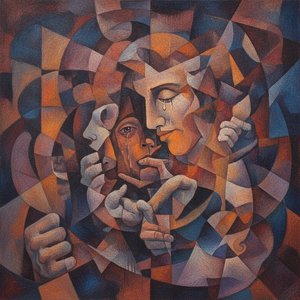
Beyond the Surface: Exploring the Emotional Depth of Cubist Expressionism
Discover the profound emotional resonance within Cubist Expressionism. Explore how fragmented forms and geometric abstraction convey deep human feeling through an expert art-historical lens for the discerning collector.

Fragmented Beauty: Exploring the Soul and Geometric Depth of Cubist Landscapes
Embark on a cultural journey through the soul of Cubist landscapes. Discover how masters like Braque and Rivera redefined nature through geometric beauty, fragmented forms, and profound abstraction in this expert art-history exploration.

Breaking Reality: A Sophisticated Guide to the Power of Cubist Fragmentation and Geometric Reimagination
Explore the profound depth of Cubist fragmentation. Our expert guide delves into the revolutionary techniques of Picasso and Braque, offering art collectors a sophisticated understanding of how deconstructed forms redefine modern perception and luxury curation.
Avastage teoseid, mis on koondatud teemade, stiilide ja omaduste kaupa.
