Vaata sisu
 Jaga teost
 Jaga
Jaga
 Detailid
 Õppekate juhend

 Laadi alla
 Sarnased teosed
 Röntgenuuring
 Slaidietendus
 Statistika
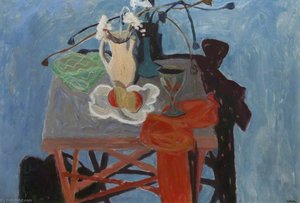
Florence
 Acrylic On Canvas
- WallArt
- Cubist Modernism
 1924
1924 66.0 x 91.0 cm
 Royal Scottish Academy of Art - Architecture
Sir William George Gillies’ "Florence" captures the vibrant Italian city with its iconic bridge and bustling scene. A stunning example of his artistic style, this painting showcases a beautiful representation of Florence's charm.
 Loe lähemalt
Avastage W.G. Gilliesi Šoti paisjad ja vaateldid. Leidke üles tema kubistlikud mõjud, seosed 1922. grupiga, Edinburghi Kunstikolledži pärand ning sügav mõju 20. sajandi kunstile.
Sellel lehel kuvatav kunstiteos on kaitstud autoriõigusega, mis tähendab, et meil ei ole seaduslikku õigust luua või müüa identset reproduktsiooni. Seda kaitset rakendatakse rahvusvaheliste kokkulepete alusel, nagu näiteks Berne konventsioon ning riiklike seadustega, sealhulgas nendega, mida on sätestatud USA autoriõiguse seadus – 17. peatükk.
See meetod järgib täielikult autoriõiguse reegleid, kuna see ei põhine kaitstud kunstiteose kopeerimisel või dupliteerimisel. Selle asemel on tegu loova reinterpreetatsiooniga – uue maaldisega, mis on algteosest inspireeritud, kuid ei ole sellest identiline.
Giclée / Kunstiprint
Muuseumikvaliteediga giclée- või kangasprint kiire tootmisega ja paindlikud viimistlusvõimalused. ( Telli käsitsi maalitud reproduktsioon Ülemineku digitaalse pildi müügi kanalisse)




P118B €10

P118H €10

P118W €10

P438Z €10

P508JH €12

P508YH €12

P805H €10

P805Z €10

P919BZ €10

P919G €10

P919XJ €10

P959ZH €10

P968JZ €12

W106C €8

W218G €10

W218JH €8

W218Y €10

W307PJ €10

W316G €10

W316PJ €8

W316Y €10

W398PJ €8

W4111J €10

W500HY €15

W500JH €15

W692G €12

W849H €8

W940BG €15

W953PJ €8




Standardne suurus
kohandatud
CM
INCH
Vali meie eelmääratud suurused, mis vastavad teose algupärastele proportsioonidele.
Loading sizes...

laius
kõrgus
Sisestage vajalik laius ja kõrgus, et see sobiks teie raamile või seinale. Trükki saab ainult lõigata, seda ei saa kunagi pildist suuremaks teha, seega ka differentse vormiga suurus kaotab osa pildist. Enne trükkimist saadame teile kinnitamiseks digitaalse näidisprojektsiooni. Sellel lehel näidatud pilt ei kujuta reaalset lõiget — seda näitab ainult näidisprojekttsioon.
Ülemaailmne tarne () 2 nädala jooksul, tavalise 4/5 nädala asemel. (25 oktoober)

Tasuta ekspresssaatmine üle maailma

Kõrgekvaliteediline lina-kangastest muld

Täielik transpordikindlustus

Tollimaksude tagastamise garantii

Värvitoime täpsuse garantii

100 päeva tagastusõigus (ainult defektide korral)

100% raha tagasi garantii

Hulgusoodustus
 Klaasivalik on saadaval ainult kuni 110 cm suuruses teostes

Florence
Giclée / Kunstiprint
Reproduktsiooni mõõtmed
-


Lõppsumma
€ 61
The Heart of Tuscany Captured: An Exploration of Gillies’ “Florence”
William George Gillies' "Florence," painted in 1924, isn’t merely a depiction of an Italian city; it’s a vibrant distillation of its spirit – a testament to the enduring beauty and bustling life of one of Europe’s most historically significant urban centers. This captivating canvas transports us directly to the heart of Tuscany, offering a glimpse into a world brimming with energy, commerce, and artistic resonance. The painting immediately draws the eye towards the graceful bridge that dominates the composition, its arched form acting as a visual anchor amidst the dynamic scene below. This isn’t a photographic representation; rather, Gillies employs a masterful blend of observation and imagination to create an atmosphere thick with movement and light.
Gillies, a key figure in the 1922 Group – a collective dedicated to promoting modern art in Scotland – was deeply influenced by both the Impressionists and the burgeoning Cubist movement. His early travels to Paris and Italy exposed him to these revolutionary styles, which he skillfully integrated into his own distinctive approach. “Florence” showcases this evolution; while retaining elements of traditional landscape painting, it’s imbued with a sense of fractured perspective and flattened planes reminiscent of Cubism, particularly in the treatment of the buildings lining the riverbank. The careful layering of color and brushstrokes creates an illusion of depth, inviting the viewer to lose themselves within the bustling cityscape.
A Symphony of Color and Light
The painting’s palette is remarkably rich and evocative. Gillies masterfully utilizes a range of warm ochres, deep blues, and vibrant reds to capture the essence of Florentine light. The sun, though not explicitly depicted, casts a golden glow across the scene, illuminating the reflections shimmering on the river's surface. Notice how he employs broken color – small dabs and strokes of contrasting hues – to suggest texture and form, particularly in the details of the buildings and boats. This technique adds a dynamic quality to the composition, preventing it from feeling static or overly formal.
- Dominant Colors: Warm ochres, deep blues, vibrant reds, and touches of green.
- Light & Shadow: Gillies expertly utilizes light and shadow to create a sense of depth and atmosphere.
- Brushwork: Loose, expressive brushstrokes contribute to the painting’s dynamic feel.
Symbolism and Historical Context
Beyond its aesthetic qualities, “Florence” is steeped in historical significance. The city itself represents a pivotal moment in Western civilization – the birthplace of the Renaissance, a period marked by an unprecedented flourishing of art, science, and culture. The bridge, a recurring motif in Gillies’ work, symbolizes connection and transition, linking the past with the present. The numerous boats navigating the river evoke the importance of trade and commerce to Florence's prosperity during this era. Furthermore, the painting subtly references the city’s architectural grandeur – the imposing buildings lining the riverbank are reminiscent of the palaces and churches that define Florence’s iconic skyline.
Painted in 1924, “Florence” reflects a period of renewed interest in classical art and culture following World War I. Gillies' work embodies a spirit of optimism and renewal, capturing the vibrant energy of a city poised to embrace the future while honoring its rich heritage. The painting’s enduring appeal lies not only in its technical brilliance but also in its ability to transport us back in time and evoke the timeless beauty of Florence.
Bringing “Florence” Home: A Reproduction for Your Space
TopImpressionists offers meticulously crafted, hand-painted reproductions of William George Gillies’ "Florence," ensuring that you can experience the full impact of this remarkable artwork within your own home. Our skilled artisans use traditional techniques and high-quality materials to faithfully recreate Gillies' unique style and color palette. Whether you are an art collector, a design enthusiast, or simply someone seeking to add a touch of timeless elegance to your space, our reproduction of “Florence” is the perfect choice. It’s more than just a print; it’s a window into the heart of Tuscany, capturing the spirit and beauty of one of the world's most beloved cities.
Küsimused ja vastused
Mis vanuses loos Sir William George Gillies teose "Florence"?
Kui teos "Florence" loodi aastal 1924, oli Sir William George Gillies (sündinud aastal 1898) 26 aastane.
Milline värv silmapaistvalt "Florence" esile tuleb?
Espresso (#513e27) on teose „Florence“, autor Sir William George Gillies domineeriv värv.
Kust saan leida statistikat teose „Florence“, autor Sir William George Gillies kohta?
Teose "Florence" jaoks on olemas Statistika leht. See kajastab teose ja kunstniku teiste teoste kuutlikke külastusi riigi ja keele järgi lahutatud statistikaga.
Kunstniku elulugu
Sir William George Gillies: Elu Šoti kunsti maailmas
Varajane elu ja haridus
- Sündinud: Haddington, East Lothian, Ühendatud Kuningriik, 1898.
- Gillies õppis alguses Edinburgi Kunstikolledžis, kuid tema õpingud katkestas esimene maailmasõda, kus ta teenis Kunlari insinööriväes.
- Pärast sõda naasid ta oma hariduse lõpetama Edinburgi Kunstikolledžis, kust ta lõppes edukalt ja pühenduslik õpetaja aastateks üle 44 aasta.
Kunstiline areng ja mõjutid
- Gilliesi kunstiline teekond algas kubismi uurimisega pärast Pariisis André Lhote juures õppimist (1923) ja Itallia reisimist (1924).
- Tema varajased teosed, nagu „Two Pots, Saucer and Fruit” (1933), peegeldavad seda mõjutust, näidates Cézanne'ist inspireeritud kompositsiooni koos Braque'i ja Picasso'n lõõngumatu väripaletiga.
- Murdiliseks hetkeks aast另 1934, mil ta kohtus Paul Klee loominguga, mis inspireeris teda kasutama kompositsioonides loovamat värvikasutust ja lapselikke elemente.
- Ta liikus ajapikku eemale rangist kubismist, arendades välja eripärase stiili, mis on juurdunud Šoti maastiku ja hübriidkunst (still life) traditsioonidesse.
- Maastikud: Gillies on kuulus oma Lothiani, Fife'i ja Borderi piirkondade Šoti maastiku kujutuste poolest. Ta suutis nende maastike olemuse üles tundlikule silmale.
- Hübriidkunst (Still Life): Üks teine oluline keskpunkt olid hübriidkompositsioonid, mis sisaldasid sageli tema noemaa Emma Smith Gillest valmistatud keraamikat, kelle varajane surm 1936. aastal teda sügavalt mõnud.
- Portreemine: Kuigi ta eksperimenteeris oma karjääri alguses portreedi kunstiga, muutusid maastikud ja hübriidkunst tema peamiseks teemadeks.
- Sir William George Gillies on peetud üheks Šoti kõige olulisemaks 20. sajandi maalari.
- Tema töö sildab tühimikku varajase modernismi ja selgelt eristuva Šoti kunstilise identiteedi vahel.
- Pärand: Tema mõju ulatub kaugemale kui ainult tema maalidest, kujundades läbi oma õpetamise ja mentorluse kogu Šoti kunsti suunda.
- Ta surmas 1973. aastal, jättides järele rikkalikud teosed, mida tänu nende ilule, tundlikkusele ja ajatulkususele jätkub ka tänapäevalgi austatud.

Sir William George Gillies
1898 - 1973 , Ühendkuningriik
Lühikest infot
- Birth Date: 1898
- Birth Place: Haddington, Ühendatud Kuningriik
- Death Date: 1973
- Influenced By:
- André Lhote
- Cézanne
- Braque
- Picasso
- Paul Klee
- Movement:
- Kubism
- Šoti Lackistid
- Name: Sir William George Gillies
- Nationality: Šoti
- Notable Works:
- Noored poiss koos teekannuga
- Vaaterinne Vahtlikud pilvedega
- Stilleben – Kollane kann ja triibuline kangas
- Linnu tee päritolu (Jacopo Tintoretto järele)
Sarnased artiklid

Hudsoni jõe koolkonna 10 meistriteost: Kunst ja kodu
Avasta Hudsoni jõe koolkonna 10 vapustavat meistriteost! Bierstadt, Church jt legendid loonud romantilised loodusmaalingud. Kunstnikest lood ja värvid inspireerivad interjööri. Leia oma uus seinakaunastus TopImpressionists.com-ist!

Romantilise Maastikukunsti 10 Meisterteost: Kunstiteosed Koduks TopImpressionists.com'ist
Avastage 10 romantilise maastikukunsti meistriteost! Tutvuge Caspar David Friedrichi, J.M.W. Turneri ja teiste suurte kunstnike loominguga TopImpressionists.com-is. Leidke täiuslik õlimaal või reproduktsioon koduks – inspireeriv kollektsioon ootab!

John Constable: 25 Suurimat Teost Inglise Maastikumaali Tippu
Avastage John Constable'i 25 suurimat teost! Sukeldu inglise maastikumaali romantismisse, imetlege Dedham Vale ilu ja leia inspiratsiooni kodukaunistuseks. Kvaliteetsed kunstireprodutsioonid TopImpressionists.com-is. Vaata kohe!

Evocations of Place: A Historical Journey Through Landscape Art
Explore the rich history of landscape art with TopImpressionists. Discover renowned artists, movements like Impressionism & tonalism, and expert guidance for collecting timeless pieces. Find your perfect serene escape today!

Evocations of Place: A Historical Journey Through Landscape Art
Explore the rich history of landscape art with TopImpressionists. Discover renowned artists, movements like Impressionism & Romanticism, and expert guidance for collecting timeless pieces. Find your perfect serene escape today!
Avastage teoseid, mis on koondatud teemade, stiilide ja omaduste kaupa.