Eelvaade
 Saada
Saada Jaga
Jaga
 Teave teose kohta
 Juhend

 Laadi alla
 Sarnased teosed
 Röntgenuuring
 Slaidietendus
 Q&A
Q&A Statistika
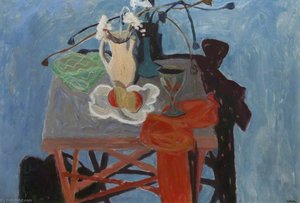
Interior

- 127.0 x 174.0 cm


Gillies’ artistic development was significantly shaped by his exposure to Cubist principles and the visionary aesthetics of Paul Klee.
 Loe lähemalt
Avastage W.G. Gilliesi Šoti paisjad ja vaateldid. Leidke üles tema kubistlikud mõjud, seosed 1922. grupiga, Edinburghi Kunstikolledži pärand ning sügav mõju 20. sajandi kunstile.
Sellel lehel kuvatav kunstiteos on kaitstud autoriõigusega, mis tähendab, et meil ei ole seaduslikku õigust luua või müüa identset reproduktsiooni. Seda kaitset rakendatakse rahvusvaheliste kokkulepete alusel, nagu näiteks Berne konventsioon ning riiklike seadustega, sealhulgas nendega, mida on sätestatud USA autoriõiguse seadus – 17. peatükk.
See meetod järgib täielikult autoriõiguse reegleid, kuna see ei põhine kaitstud kunstiteose kopeerimisel või dupliteerimisel. Selle asemel on tegu loova reinterpreetatsiooniga – uue maaldisega, mis on algteosest inspireeritud, kuid ei ole sellest identiline.
Giclée / Kunstiprint
Muuseumikvaliteediga giclée- või kangasprint kiire tootmisega ja paindlikud viimistlusvõimalused. ( Osta käsitsi maalatud teos Lülita digitaalse pildi juurde)




P118B €10

P118H €10

P118W €10

P438Z €10

P508JH €12

P508YH €12

P805H €10

P805Z €10

P919BZ €10

P919G €10

P919XJ €10

P959ZH €10

P968JZ €12

W106C €8

W218G €10

W218JH €8

W218Y €10

W307PJ €10

W316G €10

W316PJ €8

W316Y €10

W398PJ €8

W4111J €10

W500HY €15

W500JH €15

W692G €12

W849H €8

W940BG €15

W953PJ €8




Standardne suurus
kohandatud
CM
INCH
Vali meie eelmääratud suurused, mis vastavad teose algupärastele proportsioonidele.
Loading sizes...

laius
kõrgus
Sisestage vajalik laius ja kõrgus, et see sobiks teie raamile või seinale. Trükki saab ainult lõigata, seda ei saa kunagi pildist suuremaks teha, seega ka erineva mustega suurus kaotab osa pildist. Enne trükkimist saadame teile kinnitamiseks digitaalse näidisprojektsiooni. Sellel lehel näidatud pilt ei kujuta reaalset lõiget — seda näitab ainult näidisprojektsioon.
Ülemaailmne tarne () 2 nädala jooksul, tavalise 4/5 nädala asemel. (31 oktoober)

Tasuta ekspresssaatmine üle maailma

Kõrgekvaliteediline lina-kangas

Täielik transpordikindlustus

Tollimaksude tagastamise garantii

Värvitoime täpsuse garantii

100 päeva tagastusõigus (ainult valmistusdefektide korral)

100% raha tagasi garantii

Hulgusoodustus
 Klaasivalik on saadaval ainult kuni 110 cm suuruses teostes

Interior
Giclée / Kunstiprint
Reproduktsiooni suurus
-


Koguhind
€ 61
A Window Into Domestic Tranquility: Exploring William Gillies’ “Interior”
William George Gillies (1898 – 1973), a Scottish painter whose career spanned decades of artistic exploration, remains an enduring figure in British Modernism. His work embodies a quiet contemplation of everyday life, capturing the essence of domestic serenity with remarkable precision and subtle emotional resonance. “Interior,” completed in 1938, exemplifies Gillies’ distinctive approach – blending influences from Cézanne and Picasso with a burgeoning fascination for Paul Klee’s imaginative use of colour.
Subject Matter & Composition: The painting depicts a familial scene within a living room. A man and woman stand attentively near a window, bathed in diffused light—a deliberate choice that underscores the importance of natural illumination in Gillies' aesthetic vision. Two children are present, one playfully holding a ball, injecting an element of youthful energy into the otherwise tranquil composition. The arrangement is carefully considered, prioritizing balance and visual harmony.
Style & Technique: Gillies’ style leans heavily towards Cézanne’s geometric simplification and Picasso’s muted palette, yet he transcends mere imitation. He achieves a remarkable level of realism through meticulous observation—evident in the depiction of textures like the worn upholstery of the armchair and the smooth surface of the vases. However, unlike purely representational art, Gillies imbues his canvases with an underlying sense of abstraction. The fragmented planes of colour and form subtly suggest movement and depth, mirroring the complexities hidden beneath the surface of domestic life.
Historical Context: “Interior” was created during a period of significant artistic experimentation in Britain following World War I. Gillies’ engagement with Cubism reflected the broader intellectual currents of the time—a desire to challenge traditional perspectives and embrace new visual languages. Simultaneously, his encounter with Klee signaled a shift towards incorporating childlike spontaneity and emotional expression into his art – a reaction against the perceived rigidity of earlier artistic movements.
Symbolism & Emotional Impact: Beyond its formal qualities, “Interior” speaks to deeper themes of family connection and domestic comfort. The window serves as a visual metaphor for openness and contemplation—a reminder that beauty can be found in simplicity and stillness. The carefully placed objects – vases, bowls, apples – contribute to the overall atmosphere of refined elegance. Ultimately, Gillies’ masterpiece evokes a feeling of warmth, tranquility, and understated joy—capturing the quiet dignity of everyday life with an artist's unwavering eye.
Reproductions & Inspiration: Today, “Interior” continues to inspire artists and designers alike. High-quality reproductions allow viewers to appreciate Gillies’ masterful technique and capture the painting’s evocative mood. Consider incorporating elements of Cézanne’s geometric precision alongside Picasso’s muted palette into your own interior design projects – a testament to the enduring legacy of this remarkable Scottish painter.
Korduvad küsimused
Kas „Interior“, autor Sir William George Gillies on maalid, joonis või etsing?
Kataloogis on teos „Interior“, autor Sir William George Gillies liigitatud kui WallArt. See kategooria aitab leida sarnaseid teoseid.
Kui populaarne on teos "Interior" suunaga Cubist Influences aastal?
Cubist Influences suunnas on teos "Interior" Recognized populaarsusega.
Kes on teose "Interior" autor ja millises stiilis see on kujutatud?
Teose "Interior" on loonud Sir William George Gillies Cubist Influences stiilis. Kunstnik ja suunamine määratlevad teose traditsiooni.
Sarnased teosed


Kunstniku elulugu
Sir William George Gillies: Elu Šoti kunsti maailmas
Varajane elu ja haridus
- Sündinud: Haddington, East Lothian, Ühendatud Kuningriik, 1898.
- Gillies õppis alguses Edinburgi Kunstikolledžis, kuid tema õpingud katkestas esimene maailmasõda, kus ta teenis Kunlari insinööriväes.
- Pärast sõda naasid ta oma hariduse lõpetama Edinburgi Kunstikolledžis, kust ta lõppes edukalt ja pühenduslik õpetaja aastateks üle 44 aasta.
Kunstiline areng ja mõjutid
- Gilliesi kunstiline teekond algas kubismi uurimisega pärast Pariisis André Lhote juures õppimist (1923) ja Itallia reisimist (1924).
- Tema varajased teosed, nagu „Two Pots, Saucer and Fruit” (1933), peegeldavad seda mõjutust, näidates Cézanne'ist inspireeritud kompositsiooni koos Braque'i ja Picasso'n lõõngumatu väripaletiga.
- Murdiliseks hetkeks aast另 1934, mil ta kohtus Paul Klee loominguga, mis inspireeris teda kasutama kompositsioonides loovamat värvikasutust ja lapselikke elemente.
- Ta liikus ajapikku eemale rangist kubismist, arendades välja eripärase stiili, mis on juurdunud Šoti maastiku ja hübriidkunst (still life) traditsioonidesse.
- Maastikud: Gillies on kuulus oma Lothiani, Fife'i ja Borderi piirkondade Šoti maastiku kujutuste poolest. Ta suutis nende maastike olemuse üles tundlikule silmale.
- Hübriidkunst (Still Life): Üks teine oluline keskpunkt olid hübriidkompositsioonid, mis sisaldasid sageli tema noemaa Emma Smith Gillest valmistatud keraamikat, kelle varajane surm 1936. aastal teda sügavalt mõnud.
- Portreemine: Kuigi ta eksperimenteeris oma karjääri alguses portreedi kunstiga, muutusid maastikud ja hübriidkunst tema peamiseks teemadeks.
- Sir William George Gillies on peetud üheks Šoti kõige olulisemaks 20. sajandi maalari.
- Tema töö sildab tühimikku varajase modernismi ja selgelt eristuva Šoti kunstilise identiteedi vahel.
- Pärand: Tema mõju ulatub kaugemale kui ainult tema maalidest, kujundades läbi oma õpetamise ja mentorluse kogu Šoti kunsti suunda.
- Ta surmas 1973. aastal, jättides järele rikkalikud teosed, mida tänu nende ilule, tundlikkusele ja ajatulkususele jätkub ka tänapäevalgi austatud.

Sir William George Gillies
1898 - 1973 , Ühendkuningriik
Lühikest infot
- Birth Date: 1898
- Birth Place: Haddington, Ühendatud Kuningriik
- Death Date: 1973
- Influenced By:
- André Lhote
- Cézanne
- Braque
- Picasso
- Paul Klee
- Movement:
- Kubism
- Šoti Lackistid
- Name: Sir William George Gillies
- Nationality: Šoti
- Notable Works:
- Noored poiss koos teekannuga
- Vaaterinne Vahtlikud pilvedega
- Stilleben – Kollane kann ja triibuline kangas
- Linnu tee päritolu (Jacopo Tintoretto järele)
Sarnased artiklid

Capturing the Highlands: A Guide to Iconic Scottish Landscape Paintings and the Romantic Tradition
Explore the profound beauty of the Scottish Highlands through the lens of Romanticism. Discover the history, technique, and atmospheric mastery behind iconic landscape paintings from the Old Masters to museum-quality oil reproductions for collectors.

Paul Cézanne: 25 Meisterteost, mis Muutsid Maailma Kunsti | TopImpressionists
Avastage Paul Cézanne 25 kõige ikoonilisemat teost! Sukeldume postimpressionismi maailma, värviliste still life'ide ja Mont Sainte-Victoire maalide lugudesse. Leidke inspiratsiooni interjööri disainiks TopImpressionists.com-is. Vaadake maali reproduktsioone!

Romantilise Maastikukunsti 10 Meisterteost: Kunstiteosed Koduks TopImpressionists.com'ist
Avastage 10 romantilise maastikukunsti meistriteost! Tutvuge Caspar David Friedrichi, J.M.W. Turneri ja teiste suurte kunstnike loominguga TopImpressionists.com-is. Leidke täiuslik õlimaal või reproduktsioon koduks – inspireeriv kollektsioon ootab!

John Constable: 25 Suurimat Teost Inglise Maastikumaali Tippu
Avastage John Constable'i 25 suurimat teost! Sukeldu inglise maastikumaali romantismisse, imetlege Dedham Vale ilu ja leia inspiratsiooni kodukaunistuseks. Kvaliteetsed kunstireprodutsioonid TopImpressionists.com-is. Vaata kohe!

Sir William George Gillies: A Scottish Colourist's Journey Through Landscape & Abstraction
Explore the captivating world of Sir William George Gillies, a leading Scottish Colourist. Discover his journey from Cubism to iconic landscapes & still lifes. Expert insights for collectors and art enthusiasts.
Avastage teoseid, mis on koondatud teemade, stiilide ja omaduste kaupa.