


 Vaata sisu
 Jaga teost
 Jaga
Jaga
 Detailid
 Õppekate juhend

 Laadi alla
 Sarnased teosed
 Röntgenuuring
 Slaidietendus
 Statistika
Hawking
 Acrylic On Canvas
- WallArt
 1902
1902- 19th Century
 120.0 x 104.0 cm
 National Trust
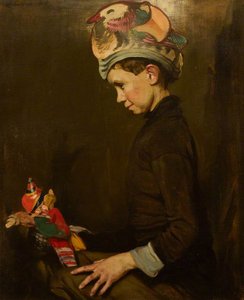
Sir William Nicholson's 'Hawking' (1902) depicts a young boy with a bird, alongside dogs and a horse – a poignant portrait reflecting early 20th-century life.
 Loe lähemalt
Avastage Sir William Nicholson (1872-1949), Briti maalikunstnik, tuntud silmapaistvate portreedega, elegantsete natuurivaikutega ja uuenduslike puugravüüridega. Tutvuge tema Beggarstaffsi koostööga ning püsiva mõjuga 20. sajandi kunstile.
Ostke kõrglahutusel ja täiustatud digitaalne pilt, mis on oluliselt parem kui veebilehel näidatud eelvaade.
Iga fail on meie spetsialistide poolt hoolikalt ette valmistatud, kasutades kaasaegseid tööriistu ja professionaalset käsitsi retušeerimist. Tagame, et igal pildil on erakordne selgus, täpne värvitäpsus ja peen detail.
Lõplik fail saadetakse e-posti teel 72 tunni jooksul ning on optimeeritud koheseks kasutamiseks professionaalsetes, toimetuslikes ja trüki keskkondades. See on sama kvaliteet, mida usaldavad tipptasemel disainistuudiod, kirjastused ja galeriid.
Digitaalne pilt
Laadi alla kõrge resolutsiooniga fail isiklikuks vaatamiseks, trükkimiseks ja loomingulisteks projektideks. ( Lülita trükkitoodetele Telli käsitsi maalitud reproduktsioon)
Sisse kuulub iga digitaalse pildi tellimusega
Professionaalne digitaalne kohaletoimetamine, garanteeritud
Valides TopImpressionists.com, ei saa sa lihtsalt pilti – saad professionaalselt parandatud digitaalse teose, mida on valmistatud täpsusega ja mis on toetatud rahuldamatusgarantiiga. Siin on kõik, mis sinu tellimusega automaatselt kaasneb:

Kiire e-posti edastus
Teie kõrge resolutsiooniga digitaalne pildifail saadetakse teile e-posti 72 tunni jooksul pärast tellimist – kohe kasutamiseks valmis.

Tehisintellektiga täiustatud digitaalne fail
Teie teos on professionaalselt optimeeritud arenenud tehisintellekti tööriistade ja käsitsi redigeerimise abil, tagades maksimaalse detailitaseme, selguse ja värvitäpsuse.

Tasuta eluaegne uuesti saatmine
Kas kustutasid faili kogukalu unustamisel või kustutamisel? Puudub mure – saad selle uuesti igal ajal ilma lisatasuta.

Puuduvad importimaksud – alati
Nautige oma teoseid koheselt ilma tolli-, maksude või tarnimaskuludeta – digiletchargused on alati maksuvabadud.

Värvitäpsuse garantii
Me tagame, et teie digitaalne pilt kajastaks originaali värve professionaalsete tööriistade ja värvihalduse abil võimalikult täpselt.

100 päeva rahuldamatuse garantii
Kui te ei ole oma digitaalse pildi eest rahul, siis me parandame seda või tagastame 100% summast 100 päeva jooksul – küsimusteta.

100% raha tagastamise garantii
Ei ole rahul? Saate täielise tagastaja 100 päeva jooksul pärast digitaalse faili kättesaamist – ilma küsimusteta.

Suurema tellimuse soodustused
Osta 3 pilti, säästa 10% - Osta 5, säästa 15% - Osta 10+, säästa 20%. Sobib suurepäraselt loomingulisteks projektideks, galeriideks ja agentuurideks.
The Enigmatic Figure of Hawking
William Nicholson’s “Hawking,” painted in 1902, isn't merely a portrait; it’s a carefully constructed tableau of Victorian sensibilities layered with subtle anxieties and burgeoning modernity. The subject, a young boy holding a bird on his arm while accompanied by two dogs, immediately evokes a sense of domesticity—a scene seemingly plucked from the heart of Edwardian England. Yet, closer inspection reveals a complex interplay of elements that hint at deeper currents beneath the surface of this carefully arranged image. The boy’s posture is slightly awkward, his gaze averted, suggesting a quiet introspection or perhaps a touch of unease. The bird he cradles, likely a finch, symbolizes freedom and innocence, but its presence within the confines of the scene introduces an element of fragility and vulnerability.
A Collaboration Born of Artistic Vision
“Hawking” was a product of a remarkable artistic partnership between Nicholson and James Pryde, known collectively as the Beggarstaffs. This duo revolutionized illustration in the late 19th and early 20th centuries by employing a distinctive style characterized by bold lines, flattened perspectives, and a deliberately unpolished aesthetic. Their work rejected the fussy detail of academic portraiture, opting instead for a more immediate and dynamic approach. Nicholson’s contribution to this project was crucial; he brought a sophisticated understanding of composition and characterization, while Pryde provided the technical expertise in woodcut and lithography. The Beggarstaffs' style reflected a shift away from traditional illustration towards a more journalistic and evocative form of visual storytelling.
The Victorian Context: Restraint and Subversion
To fully appreciate “Hawking,” it’s essential to understand the broader context of Victorian England. The era was marked by strict social conventions, rigid moral codes, and a profound sense of propriety. Yet, beneath this veneer of respectability lay currents of change—industrialization, urbanization, and growing anxieties about modernity. Nicholson subtly captures these tensions within his painting. The dogs, symbols of loyalty and domesticity, are juxtaposed with the boy’s withdrawn demeanor, hinting at a disconnect between traditional values and emerging individualistic sensibilities. The inclusion of the bird, representing freedom, further underscores this subtle subversion of Victorian norms.
Symbolism and Emotional Resonance
Beyond its stylistic merits, “Hawking” is rich in symbolic meaning. The boy’s posture suggests a sense of isolation or perhaps a questioning of authority—a common theme in the literature of the period. The bird, as mentioned earlier, represents innocence and vulnerability, while the dogs embody loyalty and companionship. The overall composition creates a feeling of quiet contemplation, inviting the viewer to ponder the complexities of human relationships and the challenges of navigating a rapidly changing world. Nicholson’s masterful use of light and shadow further enhances the painting's emotional impact, creating a sense of depth and atmosphere that draws the eye inward.
A Legacy of Artistic Innovation
Sir William Nicholson’s “Hawking” stands as a testament to his artistic versatility and his ability to capture the spirit of his time. It is a remarkable example of Beggarstaff illustration, blending technical skill with evocative storytelling. Reproductions of this painting offer a captivating glimpse into Victorian England—a world of restrained elegance, hidden anxieties, and burgeoning modernity. Its enduring appeal lies in its ability to resonate with viewers on multiple levels, inviting them to contemplate the complexities of human experience and the timeless themes that continue to shape our understanding of ourselves and the world around us.
Küsimused ja vastused
Millast ajastu kuulub teos "Hawking"?
Teose „Hawking“, autor William Nicholson ajalooline periood on 19th Century. See klassifikatsioon aitab teost kunstiloostikuliselt paikata.
Millest tunnest on "Hawking" seotud?
Teos „Hawking“, autor William Nicholson edastab Melancholic emotsionaalset toonust.
Millist väripaletti teoses „Hawking“, autor William Nicholson on kasutatud?
Teose „Hawking“, autor William Nicholson väripalett on kirjeldatud kui Dark. See on lühike kirjeldus teose värvide kohta.
Sarnased teosed


Kunstniku biograafia
Varajane Elu ja Kunstialgused
Sir William Newzam Prior Nicholson, sündinud 1872. aastal Newark-on-Trentis, kasvas üles keskkonnas, mis ühendas tööstusliku praktilisuse kunstilise tundlikkusega. Tema isa, edukas insener ja Konservatiivse Partei liige, õpetas distsipliini, samal ajal kui ema sugupuu seob teda Oxfordshire’i esteetiliste traditsioonidega. Juba varakult ilmutas Nicholson andekust kunsti suhtes, mida toetasid kohaliku maalikunstniku William Cubley tunnid, kes omakorda jälgis oma kunstilisi juuri Sir Joshua Reynoldsi juurde. See varajane kokkupuude pani aluse karjäärile, mis hõlmaks mitmeid erinevaid meediume ja stiile. Lühike periood Hubert von Herkomeri kunstikoolis osutus pöördeliseks, mitte ainult oskuste lihvimise poolest, vaid ka Mabel Pryde’iga tutvumise tõttu, kes hiljem tema abikaasaks sai ning oluliseks kaasautoriks tema kasvavas kunstilises teekonnas. Just Mabeli kaudu kohtus ta tema vennaga James Prydga, mille tulemuseks oli partnerlus, mis varsti revolutsioneeris graafilise disaini maailma.Beggarstaffid ja Plakatikunsti Revolutsioon
William Nicholsoni ja James Pryde’i koostöö, tuntud kui “J. & W. Beggarstaff,” tähistas pöördepunkte Briti visuaalkultuuris. Tagasilükkades valitsevat Victorian-ajastu plakatite üleküllast stiili, nad omaksid julge lihtsuse, mida iseloomustasid silmatorkavad siluetid, lamedad värvipinnad ja traditsioonilise perspektiivi tahtlik vältimine. Nende kujundused ei olnud pelgalt reklaamid; need olid avaldused – võimsad graafilised kompositsioonid, mis köitsid avalikkuse kujutlusvõimet. Plakatid lavastuste jaoks nagu “Don Quixote” ja väljaannete jaoks nagu “Harper’s Magazine” said koheselt äratuntavaks, mõjutades kunstnike ja disainerite põlvkonda. See periood ei piirdunud lihtsalt kommertsikunstiga; see puudutas visuaalse kommunikatsiooni ümberdefineerimist. Beggarstaffide töö väljakutse konventsioonidele sillutas teed kaasaegsele graafilisele disainile ja kinnistas Nicholsoni maine uuendajana. Nende mõju kajas kaugele plakatite valdkonnast, mõjutades illustratsiooni ja isegi maalikunsti tugeva vormi ja tahtliku kompositsiooni rõhu tõttu.Puidulõikudest Portreedele: Stiili Arenemine
Beggarstaffi partnerluse lõpetamise järel asus Nicholson stilistilise uurimise perioodi. Ta pööras tähelepanu puidulõikudele ja puugraveeringutele, tehnikatele, mis võimaldasid tal edasi viimistleda oma meisterlikkust joone ja vormi vallas. James McNeill Whistleri julgustusel omaksid ta need meetodeid, tootes keerukaid ja väljendusrikkaid trükke, mis demonstreerisid tema kasvavat kunstilist küpsust. Need tööd näitasid tähelepanuväärset võimet tabada olemust minimaalse detailiga – kvaliteeti, mis sai tema stiili tunnusjooneks. Samal ajal hakkas Nicholson end kehtestama portreekunstnikuna, saades tellimusi ajastu silmapaistvatelt figuuridelt. Tema portreed ei olnud pelgalt sarnasused; need olid sisukad iseloomu uuringud, mis paljastasid oma subjektide sisema elu peentest väljendusviisidest ja poosidest. Tööd nagu *Lady in Furs, Mme. P.* on selle oskuse näited, tabades mitte ainult füüsilist välimust, vaid ka isiksuse ja sotsiaalse staatuse tunde.Still Life’id, Maastikud ja Püsiv Pärand
Karjääri hilisemates etappides keskendus Nicholson üha enam still life’ile ja maastikumaalidele. Tema still life’id, näiteks *The Lowestoft Bowl*, on tuntud oma peenete detailide tähelepanu, harmooniliste värvipalettide ja vaikse intiimsuse poolest. Ta andis igapäevastele esemetele poeetilise kvaliteedi, tõstes need pelgalt representatsioonist ilu ja mõtiskluse sümboliteks. Tema maastikud, mis kujutavad sageli stseene tema reisidest Hispaaniasse ja Itaaliasse, näitavad tundlikkust valguse ja atmosfääri suhtes, tabades koha olemust tähelepanuväärse oskusega. Kogu oma elu jäi Nicholson mitmekülgne kunstnik, katsetades pidevalt uute tehnikate ja lähenemisviisidega. Ta autor lasteraamatuid, kujundas teatrile ning jätkas maalide kõrval trükke valmistamist. Sir William Nicholsoni mõju ulatub tema enda viljakale väljundile; ta inspireeris põlvkondi kunstnike oma pühendumusega meisterlikkusele, uuendusliku vaimuga ja võimega leida ilu tavalises. Tema töö on jätkuvalt tunnistuseks kunsti jõust valgustada inimkogemust ja muuta meie arusaama maailmast ümber. Ta suri 1949. aastal, jättes maha rikka kunstipärandi, mis tänini köidab ja inspireerib.
William Nicholson
1872 - 1949 , Ühendkuningriik
Kiired faktid
- Artistic Movement Or Style: Still life, portreekunst
- Artists Or Movements Influenced By This Artist: Varajane 20. sajandi kunst
- Artists Who Influenced This Artist:
- James Pryde
- Whistler
- Date Of Birth: 5. veebruar 1872
- Date Of Death: 16. mai 1949
- Full Name: Sir William Newzam Prior Nicholson
- Nationality: Briti
- Notable Artworks:
- Lady in Furs
- The Lowestoft Bowl
- Plaza de toros, Malaga
- Place Of Birth: Newark, Ühendkuningriik