


 Eelvaade
 Saada
Saada Jaga
Jaga
 Teave teose kohta
 Juhend

 Laadi alla
 Sarnased teosed
 Röntgenuuring
 Slaidietendus
 Q&A
Q&A Statistika
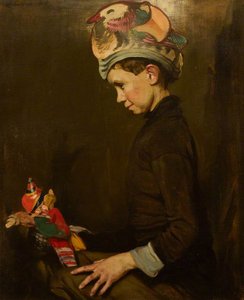
The First Communion
 Acrylic On Canvas
- WallArt
- Post-Impressionism
 1907
1907 58.0 x 53.0 cm
 National Trust
Sir William Nicholson's "The First Communion" (1907) captures innocence & youth as a young girl receives her sacrament. A beautiful depiction of faith and community, painted in rich detail.
 Loe lähemalt
Avastage Sir William Nicholson (1872-1949), Briti maalikunstnik, tuntud silmapaistvate portreedega, elegantsete natuurivaikutega ja uuenduslike puugravüüridega. Tutvuge tema Beggarstaffsi koostööga ning püsiva mõjuga 20. sajandi kunstile.
Giclée / Kunstiprint
Muuseumikvaliteediga giclée- või kangasprint kiire tootmisega ja paindlikud viimistlusvõimalused. ( Osta käsitsi maalatud teos Lülita digitaalse pildi juurde)




P118B €10

P118H €10

P118W €10

P438Z €10

P508JH €12

P508YH €12

P805H €10

P805Z €10

P919BZ €10

P919G €10

P919XJ €10

P959ZH €10

P968JZ €12

W106C €8

W218G €10

W218JH €8

W218Y €10

W307PJ €10

W316G €10

W316PJ €8

W316Y €10

W398PJ €8

W4111J €10

W500HY €15

W500JH €15

W692G €12

W849H €8

W940BG €15

W953PJ €8




Standardne suurus
kohandatud
CM
INCH
Vali meie eelmääratud suurused, mis vastavad teose algupärastele proportsioonidele.
Loading sizes...

laius
kõrgus
Sisestage vajalik laius ja kõrgus, et see sobiks teie raamile või seinale. Trükki saab ainult lõigata, seda ei saa kunagi pildist suuremaks teha, seega ka erineva mustega suurus kaotab osa pildist. Enne trükkimist saadame teile kinnitamiseks digitaalse näidisprojektsiooni. Sellel lehel näidatud pilt ei kujuta reaalset lõiget — seda näitab ainult näidisprojektsioon.
Ülemaailmne tarne () 2 nädala jooksul, tavalise 4/5 nädala asemel. (29 oktoober)

Tasuta ekspresssaatmine üle maailma

Kõrgekvaliteediline lina-kangas

Täielik transpordikindlustus

Tollimaksude tagastamise garantii

Värvitoime täpsuse garantii

100 päeva tagastusõigus (ainult valmistusdefektide korral)

100% raha tagasi garantii

Hulgusoodustus
 Klaasivalik on saadaval ainult kuni 110 cm suuruses teostes

The First Communion
Giclée / Kunstiprint
Reproduktsiooni suurus
-


Koguhind
€ 61
A Moment Frozen in Time: Sir William Nicholson’s “The First Communion”
Sir William Nicholson's "The First Communion," painted in 1907, isn’t merely a depiction of a religious ceremony; it’s a poignant snapshot of Victorian England imbued with a delicate blend of realism and sentimentalism. The painting captures a young girl, poised on the steps of an unassuming building – likely a church or community hall – as she prepares to receive her First Communion. Her posture, slightly hesitant yet undeniably hopeful, immediately draws the viewer in, establishing a quiet intimacy that transcends the formal setting. Nicholson masterfully utilizes light and shadow, bathing the scene in a soft, diffused glow that emphasizes the girl’s youthful face and the simple elegance of her white dress. The background, subtly rendered with a streetscape and a distant building, provides context without distracting from the central subject – a testament to Nicholson's skill in balancing detail and atmosphere.
The Beggarstaff Legacy and Artistic Influences
Understanding “The First Communion” requires acknowledging Sir William Nicholson’s place within the broader artistic landscape of his time. He was a key figure in the Beggarstaff partnership, alongside James Pryde, renowned for their groundbreaking graphic work – posters, illustrations, and designs that challenged Victorian conventions with their bold lines, dynamic compositions, and often satirical wit. This experience profoundly shaped Nicholson's approach to painting, instilling a keen eye for composition, color, and capturing fleeting moments of everyday life. The influence of the Pre-Raphaelites is also evident in the painting’s meticulous attention to detail and its focus on portraying human emotion with remarkable sensitivity. The careful rendering of textures – the fabric of the dress, the worn steps – speaks to a desire for realism tempered by an artistic vision.
Symbolism and Victorian Values
“The First Communion” is rich in symbolic meaning, deeply rooted in the values of the late 19th century. The girl’s white dress represents purity and innocence, a visual shorthand for her transition into adulthood and her acceptance within the Christian community. Her hesitant posture suggests both vulnerability and anticipation – she's on the cusp of a significant religious experience. The presence of other figures in the background—a man standing near the left side, another on the right, and two individuals closer to the center—adds a layer of social context, hinting at a community gathered to witness this important rite of passage. The clock mounted on the building’s exterior wall subtly references time and the passage of life, reinforcing the painting's theme of transition and growth. The bird flying above adds an element of lightness and hope, suggesting that this moment marks the beginning of a bright future.
A Window into Victorian Life and Nicholson’s Vision
Beyond its religious subject matter, “The First Communion” offers a valuable glimpse into Victorian society. The modest setting, the everyday attire of the figures, and the quiet dignity of the scene all speak to the values of restraint, piety, and community that were prevalent at the time. Nicholson’s ability to capture this atmosphere with such sensitivity is remarkable. He doesn't simply depict a religious ceremony; he creates a compelling portrait of a moment in time—a moment filled with hope, innocence, and the quiet beauty of human connection. The painting remains a powerful testament to Nicholson’s artistic talent and his profound understanding of the human condition. Reproductions of this evocative work continue to resonate with viewers today, offering a timeless reflection on faith, childhood, and the enduring power of art.
Korduvad küsimused
Kes lõi teose "The First Communion" ja millal?
Teose "The First Communion" autor on William Nicholson ja selle loomisaeg on 1907.
Mis on William Nicholson pseudonüümid või alternatiivsed nimed?
William Nicholson tuntub ära ka nime all Sir William Newzam Prior Nicholson, W. Nicholson.
Mis on teose „The First Communion“, autor William Nicholson orientatsioon?
Teose „The First Communion“, autor William Nicholson vorm on Portrait. See vorm kirjeldab kompositsiooni proportsioone.
Sarnased teosed



Kunstniku elulugu
Varajane Elu ja Kunstialgused
Sir William Newzam Prior Nicholson, sündinud 1872. aastal Newark-on-Trentis, kasvas üles keskkonnas, mis ühendas tööstusliku praktilisuse kunstilise tundlikkusega. Tema isa, edukas insener ja Konservatiivse Partei liige, õpetas distsipliini, samal ajal kui ema sugupuu seob teda Oxfordshire’i esteetiliste traditsioonidega. Juba varakult ilmutas Nicholson andekust kunsti suhtes, mida toetasid kohaliku maalikunstniku William Cubley tunnid, kes omakorda jälgis oma kunstilisi juuri Sir Joshua Reynoldsi juurde. See varajane kokkupuude pani aluse karjäärile, mis hõlmaks mitmeid erinevaid meediume ja stiile. Lühike periood Hubert von Herkomeri kunstikoolis osutus pöördeliseks, mitte ainult oskuste lihvimise poolest, vaid ka Mabel Pryde’iga tutvumise tõttu, kes hiljem tema abikaasaks sai ning oluliseks kaasautoriks tema kasvavas kunstilises teekonnas. Just Mabeli kaudu kohtus ta tema vennaga James Prydga, mille tulemuseks oli partnerlus, mis varsti revolutsioneeris graafilise disaini maailma.Beggarstaffid ja Plakatikunsti Revolutsioon
William Nicholsoni ja James Pryde’i koostöö, tuntud kui “J. & W. Beggarstaff,” tähistas pöördepunkte Briti visuaalkultuuris. Tagasilükkades valitsevat Victorian-ajastu plakatite üleküllast stiili, nad omaksid julge lihtsuse, mida iseloomustasid silmatorkavad siluetid, lamedad värvipinnad ja traditsioonilise perspektiivi tahtlik vältimine. Nende kujundused ei olnud pelgalt reklaamid; need olid avaldused – võimsad graafilised kompositsioonid, mis köitsid avalikkuse kujutlusvõimet. Plakatid lavastuste jaoks nagu “Don Quixote” ja väljaannete jaoks nagu “Harper’s Magazine” said koheselt äratuntavaks, mõjutades kunstnike ja disainerite põlvkonda. See periood ei piirdunud lihtsalt kommertsikunstiga; see puudutas visuaalse kommunikatsiooni ümberdefineerimist. Beggarstaffide töö väljakutse konventsioonidele sillutas teed kaasaegsele graafilisele disainile ja kinnistas Nicholsoni maine uuendajana. Nende mõju kajas kaugele plakatite valdkonnast, mõjutades illustratsiooni ja isegi maalikunsti tugeva vormi ja tahtliku kompositsiooni rõhu tõttu.Puidulõikudest Portreedele: Stiili Arenemine
Beggarstaffi partnerluse lõpetamise järel asus Nicholson stilistilise uurimise perioodi. Ta pööras tähelepanu puidulõikudele ja puugraveeringutele, tehnikatele, mis võimaldasid tal edasi viimistleda oma meisterlikkust joone ja vormi vallas. James McNeill Whistleri julgustusel omaksid ta need meetodeid, tootes keerukaid ja väljendusrikkaid trükke, mis demonstreerisid tema kasvavat kunstilist küpsust. Need tööd näitasid tähelepanuväärset võimet tabada olemust minimaalse detailiga – kvaliteeti, mis sai tema stiili tunnusjooneks. Samal ajal hakkas Nicholson end kehtestama portreekunstnikuna, saades tellimusi ajastu silmapaistvatelt figuuridelt. Tema portreed ei olnud pelgalt sarnasused; need olid sisukad iseloomu uuringud, mis paljastasid oma subjektide sisema elu peentest väljendusviisidest ja poosidest. Tööd nagu *Lady in Furs, Mme. P.* on selle oskuse näited, tabades mitte ainult füüsilist välimust, vaid ka isiksuse ja sotsiaalse staatuse tunde.Still Life’id, Maastikud ja Püsiv Pärand
Karjääri hilisemates etappides keskendus Nicholson üha enam still life’ile ja maastikumaalidele. Tema still life’id, näiteks *The Lowestoft Bowl*, on tuntud oma peenete detailide tähelepanu, harmooniliste värvipalettide ja vaikse intiimsuse poolest. Ta andis igapäevastele esemetele poeetilise kvaliteedi, tõstes need pelgalt representatsioonist ilu ja mõtiskluse sümboliteks. Tema maastikud, mis kujutavad sageli stseene tema reisidest Hispaaniasse ja Itaaliasse, näitavad tundlikkust valguse ja atmosfääri suhtes, tabades koha olemust tähelepanuväärse oskusega. Kogu oma elu jäi Nicholson mitmekülgne kunstnik, katsetades pidevalt uute tehnikate ja lähenemisviisidega. Ta autor lasteraamatuid, kujundas teatrile ning jätkas maalide kõrval trükke valmistamist. Sir William Nicholsoni mõju ulatub tema enda viljakale väljundile; ta inspireeris põlvkondi kunstnike oma pühendumusega meisterlikkusele, uuendusliku vaimuga ja võimega leida ilu tavalises. Tema töö on jätkuvalt tunnistuseks kunsti jõust valgustada inimkogemust ja muuta meie arusaama maailmast ümber. Ta suri 1949. aastal, jättes maha rikka kunstipärandi, mis tänini köidab ja inspireerib.
William Nicholson
1872 - 1949 , Ühendkuningriik
Lühikest infot
- Artistic Movement Or Style: Still life, portreekunst
- Artists Or Movements Influenced By This Artist: Varajane 20. sajandi kunst
- Artists Who Influenced This Artist:
- James Pryde
- Whistler
- Date Of Birth: 5. veebruar 1872
- Date Of Death: 16. mai 1949
- Full Name: Sir William Newzam Prior Nicholson
- Nationality: Briti
- Notable Artworks:
- Lady in Furs
- The Lowestoft Bowl
- Plaza de toros, Malaga
- Place Of Birth: Newark, Ühendkuningriik
Sarnased artiklid

Sacred Narratives on Canvas: Exploring Religious Painting Through History
Explore the rich history of religious painting with TopImpressionists.com! Discover iconic artworks, symbolism & techniques from antiquity to the Renaissance. Enhance your art appreciation today.

Sir William Nicholson: A Study in Post-Impressionist Portraiture & Decorative Modernism
Explore the life & work of Sir William Nicholson, a pivotal British Post-Impressionist painter. Discover his striking portraits, innovative woodcuts, and lasting influence on early 20th-century art. Expert insights for collectors.

Sacred Narratives Embodied: A Comprehensive Exploration of Religious Iconography in Art History
Explore the rich history of religious iconography in art! Discover symbolism, movements & masterpieces from Byzantine to Renaissance periods. Expert insights for collectors and enthusiasts at TopImpressionists.

Penry Williams: Evoking Welsh Nostalgia Through Impressionistic Landscapes
Explore the captivating world of Penry Williams (1802-1885), a Welsh artist renowned for his evocative Impressionistic landscapes and scenes of Italy. Discover his life, style & legacy with TopImpressionists.

Ben Nicholson OM: Modernism's Abstract Pioneer & the Poetics of Relief
Explore the revolutionary abstract art of Ben Nicholson OM. Discover his geometric masterpieces, collaborations with Barbara Hepworth & investment potential. Expert insights for collectors.