


 Vaata sisu
 Jaga teost
 Jaga
Jaga
 Detailid
 Õppekate juhend

 Laadi alla
 Sarnased teosed
 Röntgenuuring
 Slaidietendus
 Statistika
Gustave Klimt


A striking collage of urban decay meets the golden elegance of Gustav Klimt as Syrian artist Tammam Azzam blends classical beauty with modern reality, inviting you to explore this powerful contemporary masterpiece.
 Loe lähemalt
Tammam Azzam: Syrian artist blending classical masterpieces with destroyed cityscapes. Explore his poignant mixed media & collage works addressing loss, resilience & rebuilding after conflict. Discover his impactful art now!
Sellel lehel kuvatav kunstiteos on kaitstud autoriõigusega, mis tähendab, et meil ei ole seaduslikku õigust luua või müüa identset reproduktsiooni. Seda kaitset rakendatakse rahvusvaheliste kokkulepete alusel, nagu näiteks Berne konventsioon ning riiklike seadustega, sealhulgas nendega, mida on sätestatud USA autoriõiguse seadus – 17. peatükk.
Austasena ja seaduslikuna alternatiivina pakume originaalist inspireeritud, käsitsi maalitud isikupärastatud teoseid. Meie osutavad ja professionalsed kunstnikud uurivad hoolikalt originaali stiili, meelemoi ja kunstilist olemust, et luua uus, ainulaadne teos, mis tekitab sama tunnet – olles samal ajal omaette originaalne looming.
See meetod järgib täielikult autoriõiguse reegleid, kuna see ei põhine kaitstud kunstiteose kopeerimisel või dupliteerimisel. Selle asemel on tegu loova reinterpreetatsiooniga – uue maaldisega, mis on algteosest inspireeritud, kuid ei ole sellest identiline.
Käsitsi valmistatud õlimaalireproduktsioon
Meie kunstnike poolt tellimusel valmistatud käsitsi maalitud õli-kainaste teos teie soovitud suuruses ja raamis. ( Lülita trükkitoodetele Ülemineku digitaalse pildi müügi kanalisse)




P118B €10

P118H €10

P118W €10

P438Z €10

P508JH €12

P508YH €12

P805H €10

P805Z €10

P919BZ €10

P919G €10

P919XJ €10

P959ZH €10

P968JZ €12

W106C €8

W218G €10

W218JH €8

W218Y €10

W307PJ €10

W316G €10

W316PJ €8

W316Y €10

W398PJ €8

W4111J €10

W500HY €15

W500JH €15

W692G €12

W849H €8

W940BG €15

W953PJ €8




Standardne suurus
kohandatud
CM
INCH
Vali meie eelmääratud suurused, mis vastavad teose algupärastele proportsioonidele.
Loading sizes...

laius
kõrgus
Sisestage vajalik laius ja kõrgus, et teos sobiks teie raamile või seinale. Kuna tegu on käsipainatud teosega, siis erineva kujuga suuruse korral võib kunstnik jätta pildi ümber veidi rohkem marginaali või lõigata osa ära — valik on teie. Enne maali alustamist saadame teile kinnitamiseks digitaalse näidisprojektsiooni. Sellel lehel näidatud pilt ei kajasta tegelikku tulemust — seda näitab ainult näidisprojekttsioon.
Näited muudetavatest elementidest: asenda nägu kliendi fotoga; lisa lemmikloom (nt asenda kass koeraga); lisa taustale peidetud sõnum; muuda tausta maastikku või elemente.
Pärast tellimust saadab TopImpressionists.com meeskond kliendile e-posti juhised ning esitab eelvaate kavandi
Pärast tellimust saadab TopImpressionists.com meeskond kliendile e-posti juhised ning esitab eelvaate kavandi
Maailmline tarne 3–4 nädala jooksul tavalise 5 nädala asemel. (22 oktoober). Kvaliteedis kompromisse ei tehta.

Tasuta ekspresssaatmine üle maailma

Kõrgekvaliteediline lina-kangastest muld

Täielik transpordikindlustus

Tollimaksude tagastamise garantii

Värvitoime täpsuse garantii

100 päeva tagastusõigus (ainult defektide korral)

100% raha tagasi garantii

Hulgusoodustus
 Klaasivalik on saadaval ainult kuni 110 cm suuruses teostes

Gustave Klimt
Reproduktsiooni materjal
Reproduktsiooni mõõtmed
-


Lõppsumma
€ 236
A Collision of Eras: The Poignant Vision of Tammam Azzam
In the evocative piece titled Gustave Klimt, contemporary Syrian artist Tammam Azzam orchestrates a breathtaking dialogue between the gilded splendor of the past and the fractured reality of the present. At first glance, the viewer is drawn into a familiar embrace, recognizing the unmistakable essence of Klimt’s iconic romanticism. However, as the eye wanders across the canvas, the illusion of a seamless masterpiece begins to splinter. Azzam utilizes a sophisticated collage technique that overlays the lush, golden warmth of Art Nouveau with the stark, gritty textures of urban decay. This juxtaposition creates a profound tension, where the timeless beauty of a lover's embrace meets the literal and metaphorical cracks of a world in transition.
The subject matter serves as a hauntingly beautiful meditation on resilience. By integrating elements of modern street art and architectural fragmentation, Azzam transforms a classic symbol of intimacy into a commentary on survival. The presence of contemporary detritus—the subtle inclusion of modern objects like cell phones amidst the painted scenery—acts as a temporal bridge, pulling the viewer out of the historical dreamscape and into our immediate, hyper-connected reality. This technique forces an emotional confrontation: we are asked to witness how much of our classical heritage remains intact when faced with the relentless pressures of modern conflict and urban transformation.
Technique and Visual Narrative
The visual impact of this work lies in its masterful use of contrast. The vibrant yellow palette provides an energetic focal point for any sophisticated space, yet beneath this brightness lies a deep, intellectual gravity. Azzam’s method is not merely a reproduction of a style, but a reimagining of history itself. Through the careful layering of textures, he creates a sense of depth that invites the eye to linger on both the smooth, painted surfaces and the jagged, broken edges of the composition. The image presents a close-up view where a man's face is rendered in stark black against a luminous background, creating a silhouette that feels both intimate and ghostly.
For the discerning collector or interior designer, this artwork offers a unique opportunity to introduce a conversation piece that transcends mere decoration. It functions as an anchor for a room, providing a sense of movement and narrative depth. The way the light seems to emanate from the golden tones, only to be interrupted by the shadows of urban fragmentation, makes it a dynamic element in any curated environment. Whether placed in a minimalist modern gallery or a richly textured classical study, the piece commands attention through its ability to bridge the gap between the museum and the street.
Symbolism and Emotional Resonance
Beyond its aesthetic brilliance, Gustave Klimt carries a heavy emotional weight. It is a work that speaks to the human condition—the struggle to maintain beauty and connection in the face of destruction. The fragmentation of the image serves as a metaphor for the fractured lives of those living through conflict, yet the persistence of the central figures suggests an unbreakable bond of humanity. This duality makes the piece incredibly powerful; it is simultaneously a lament for what has been lost and a celebration of what remains.
Owning a high-quality reproduction of this work allows one to curate an environment filled with meaning. It is more than just art; it is a window into a complex historical and contemporary dialogue. The piece invites viewers to reflect on the fragility of civilization and the enduring power of art to reconstruct our sense of self. For those seeking inspiration, Azzam’s vision provides a profound reminder that even amidst the cracks of a broken world, beauty continues to find a way to emerge.
Küsimused ja vastused
Kust saan näha originaalteost „Gustave Klimt“, autor Tammam Azzam?
Originaalteost "Gustave Klimt" saab vaadata Atassi Foundation for Art and Culture, Dubai, United Arab Emirates-is.
Mis on teose „Gustave Klimt“, autor Tammam Azzam loomisaeg?
Teos "Gustave Klimt" on pärit aastast 2013. See ajastu aitab mõistust seda teost Tammam Azzam karjääri ja selle ajastu kontekstis.
Kes on teose "Gustave Klimt" autor ja millises suunast see on?
Teose "Gustave Klimt" on loonud Tammam Azzam Contemporary Art stiilis. Kunstnik ja suunamine määratlevad teose traditsiooni.
Kunstniku elulugu
Tammam Azzam: Bridging Destruction and Beauty Through Collage
Tammam Azzam (born Damascus, Syrian Arab Republic in 1980) is a Syrian artist whose distinctive approach to visual storytelling combines the grandeur of European masters with the stark realities of urban decay. His work powerfully confronts themes of loss, resilience, and the imperative to rebuild after conflict—a reflection of his own experiences navigating the turbulent landscape of Syria’s recent history. Graduating from Damascus Faculty of Fine Arts in 2001, Azzam honed his skills through intensive workshops led by Marwan, a celebrated Syrian artist who profoundly shaped his artistic vision. Initially experimenting with mixed media, he swiftly recognized the potential of collage as a medium to articulate complex emotions and narratives.- Early Influences: Marwan’s mentorship instilled in Azzam a dedication to confronting difficult subjects with sensitivity and artistry.
- The Klimt Overlay Technique: Azzam gained international acclaim in 2013 when he pioneered the innovative method of layering photographs of bombed buildings onto reproductions of iconic artworks like Gustav Klimt's *The Kiss*. This technique serves as a poignant juxtaposition—a visual dialogue between devastation and enduring beauty.
- Material Exploration: Azzam’s artistic practice utilizes acrylic paint alongside collage materials, including paper fragments and architectural elements. He meticulously constructs his compositions to emphasize the physical remnants of conflict while simultaneously conveying an optimistic message about rebuilding and reimagining spaces.
A Collage Narrative – Fragments of Memory
His signature style—characterized by fragmented images and textured surfaces—captures the essence of urban landscapes scarred by war. Azzam’s works depict skeletal buildings, symbolizing not merely physical destruction but also the erasure of history and identity. The deliberate use of collage underscores this concept, mirroring the process of reconstructing a shattered world from salvaged pieces. Azzam's artistic exploration extends beyond Syria; he has resided in Germany since 2016, fostering collaborations with fellow artists at institutes like the Institute of Advanced Studies in Delmenhorst.Exhibitions and Recognition
Azzam’s compelling artwork has garnered recognition across continents. He showcased his talent at Ayyam Gallery in Dubai, Art Dubai, Untitled Miami, and Haines Gallery San Francisco, notably achieving success at the Armory Show in New York in 2018. These exhibitions have cemented Azzam's position as a significant voice within contemporary art discourse—a testament to his ability to transform personal experience into universally resonant artistic statements.Contemporary Significance
Tammam Azzam’s work transcends mere aesthetic appeal; it embodies a powerful commentary on the human condition amidst adversity. By repurposing classical imagery alongside photographic documentation of destruction, he compels viewers to contemplate the enduring power of art as a tool for remembrance and transformation. His artistic legacy continues to inspire dialogue about confronting trauma and envisioning futures rooted in compassion and creativity.
Tammam Azzam
1980 - , Syrian Arab Republic
Lühikest infot
- Artistic Movement Or Style: Mixed media & Collage
- Artists Or Movements Influenced By This Artist: Classical Masters
- Artists Who Influenced This Artist: Marwan
- Date Of Birth: 1980
- Full Name: Tammam Azzam
- Nationality: Syrian
- Notable Artworks:
- Gustave Klimt's The Kiss
- Untitled
- Place Of Birth: Damascus, Syrian Arab Republic
Sarnased artiklid

The Unvarnished Truth: A Cultural Journey Through the Soul of American Realism
Explore the profound beauty of American Realism. From the Ashcan School's urban grit to intimate portraits, discover how artists captured the authentic soul of a nation through unvarnished truth and masterful observation.
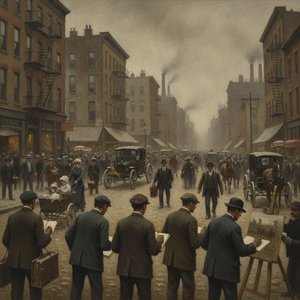
The Ashcan School: Capturing the Raw, Unfiltered Soul of Urban Life through American Realism
Discover the raw beauty of the Ashcan School. Explore how masters like Bellows and Henri captured the gritty, vibrant soul of early 20th-century New York through profound American Realism and evocative urban landscapes.