


 Vaata sisu
 Jaga teost
 Jaga
Jaga
 Detailid
 Juhend

 Laadi alla
 Sarnased teosed
 Röntgenuuring
 Slaidietendus
 Statistika
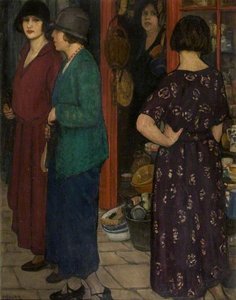
Moroccan Butcher Shop


Experience daily life in Morocco through Theo van Rysselberghe's 'Moroccan Butcher Shop.' This vibrant post-impressionist painting captures bustling market scenes with bold colors and dynamic brushstrokes.
 Loe lähemalt
Avastage Théo van Rysselberghe elavad neoimpressionistlikud maalid! Uurige tema maastikke, portreid ja Maroko stseene – Les XX võtmeisik, kes ühendab valgust ja värvi. Belgia kunstniku teed murdja.
Giclée / Kunstiprint
Muuseumikvaliteediga giclée- või kangasprint kiire tootmisega ja paindlikud viimistlusvõimalused. ( Telli käsitsi maalitud reproduktsioon Ülemineku digitaalse pildi müügi kanalisse)




































Standardne suurus
kohandatud
CM
INCH
Vali meie eelmääratud suurused, mis vastavad teose algupärastele proportsioonidele.
Loading sizes...

laius
kõrgus
Saate sisestada oma mõõdud, et need sobiks konkreetse raami või ruumi sisse. Kui valitud suurus ei vasta originaalteose proportsioonidele, lõigame teose ära või laiendame pilti peegeldatud või ühtlase servaga. Enne tootmisprotsessi algust saadetakse Teie kinnitamiseks digitaalne näidis.
Palun märka, et ekraanil kuvatav eelvaade ei kajasta tegelikku lõigamist või laiendamist. Ainult näidis kujutab täpselt lõplikku kompositsiooni.
Kuigi erimõõdu on saadaval, soovitame originaaproportsioonide säilitamiseks valida mõõt ette määratud nimekirjast.
Ülemaailmne tarne () 2 nädala jooksul, tavalise 4/5 nädala asemel. (23 september)

Tasuta ekspresssaatmine üle maailma

Kõrgekvaliteediline lina-kangastest muld

Täielik transpordikindlustus

Tollimaksude tagastamise garantii

Värvitoime täpsuse garantii

100 päeva tagastusõigus (ainult defektide korral)

100% raha tagasi garantii

Hulgusoodustus
 Klaasivalik on saadaval ainult kuni 110 cm suuruses teostes

Moroccan Butcher Shop
Giclée / Kunstiprint
Reproduktsiooni mõõtmed
-


Lõppsumma
$ 69
Moroccan Butcher Shop: A Glimpse into Daily Life
Theo van Rysselberghe's "Moroccan Butcher Shop," painted in 1882, is a captivating post-impressionist work that transports viewers to the vibrant heart of Moroccan daily life. This oil on canvas painting offers more than just a snapshot; it’s an exploration of culture, commerce, and the human condition through the lens of a skilled artist.
Artistic Style and Influences
Van Rysselberghe's artistic style was deeply rooted in post-impressionism, characterized by bold colors, visible brushstrokes, and a focus on capturing the essence of a scene rather than meticulous detail. The "Moroccan Butcher Shop" exemplifies this approach with its dynamic composition and vivid palette. Influenced by Impressionism’s emphasis on light and color, van Rysselberghe also incorporated elements of Realism in his depiction of everyday life. His travels to Morocco significantly shaped his artistic vision, allowing him to portray the unique atmosphere and culture of North Africa.
Subject Matter and Composition
The painting centers around a bustling butcher's stall within an outdoor market setting. The scene is alive with activity: figures engaged in selling meat, observing the wares, and interacting with one another. Van Rysselberghe masterfully uses composition to create a sense of depth and movement. A flattened perspective draws attention to the foreground, while the dynamic arrangement of elements guides the viewer's eye through the lively scene. The butcher’s stall itself is rendered with careful detail, showcasing hanging meat, barrels, and other market paraphernalia that contribute to the authenticity of the portrayal.
Symbolism and Emotional Impact
Beyond its surface depiction of a marketplace, "Moroccan Butcher Shop" carries subtle symbolic weight. The figures represent the working class and the essence of daily commerce. The butcher's trade itself can be interpreted as representing primal urges or mortality, though van Rysselberghe’s portrayal avoids any sense of celebration, instead conveying a feeling of quiet observation. The muted color palette—dominated by earthy tones with hints of cooler blues and greens—contributes to the painting’s overall somber yet captivating mood. The visible brushstrokes add texture and energy, creating an emotional resonance that invites viewers to connect with the scene on a deeper level.
Availability of Reproductions
For art enthusiasts seeking to bring this stunning post-impressionist masterpiece into their homes or collections, high-quality, handmade oil painting reproductions of "Moroccan Butcher Shop" are available. These reproductions are meticulously crafted by skilled artists using premium materials and techniques, ensuring a faithful representation of the original artwork. You can find more information about these reproductions on TopImpressionists.com.
Sarnased teosed



Kunstniku elulugu
Valguse pioneer: Théo van Rysselberghe elu ja kunst
Théophile “Théo” van Rysselberghe, sündinud Gentis Belgias 1862. aastal, kerkis esile olulise kujuna Impressionismi ja Neo-Impressionismi vahelisel sillal. Tema teekond ei olnud kohese stiililise veendumuse tee, vaid pigem arenev uurimine, mis sai alguse reisidest, intellektuaalsest vahetusest ning kirest tabada valguse olemust. Van Rysselberghe kasvas mugavas prantsuskeelses kodanlikus perekonnas ja sai esialgsed kunstiharidused Genti Akadeemias Theo Canneeli juhendamisel, seejärel prestiižses Kuninglike Kunstide Akadeemias Brüsselis. Need kujundavad aastad andsid talle aluse traditsioonilises realismis, mis ilmneb varajastes töödes nagu *Autoportree pipetiga* (1880), mida iseloomustab sombune toon ja täpne detail – peegeldus valitsevas Belgia kunstikliimas. Kuid ka nende varajaste teoste sees hakkasid ilmnema idanevad tundlikkused valguse ja värvi suhtes, mis viitasid tema tulevasele suunale. Oluline töö sel perioodil, *Laps avatud metsalagudes* (1880), tähistas peent lahknevust, vihjates heledamale paletile ja vabemale pintslikäigule, mis defineerisid hilisemad stiilid.Maroko muljed ja Les XX sünd
Transformatiivne peatükk avanes van Rysselberghe reisidega Marokosse aastatel 1882–1888. Need pikemad viibimised sukeldasid ta maailma elavates värvides, intensiivses päikesevalguses ja eksootilistes maastikes – teravas kontrastis tema varasemates töödes valitsevate sumedate toonidega. Maalid nagu *Araabia tänavasaapasepp* (1882), *Araabia poiss* (1882) ja *Puhkav valvur* (1883) demonstreerivad kasvavat fassineerumist valguse mõju tabamisest vormile, liikudes rangest realismist impressionistlikuma tundlikkuseni. Maroko kogemus ei olnud pelgalt visuaalne vaatlus; see oli sukeldumine erineksesse kultuuri, mis avardas tema kunstilisi horisonte ja andis talle elupikkuse armastuse reiside vastu. Brüsselisse naastes sai van Rysselberghe Belgia kunstimaailma vedav jõud, kaasasutades mõjukat rühmitust *Les XX* (Kakskümmend) 1883. aastal koos Octave Mausiga ja Émile Verhaereniga. See kollektiiv oli platvorm avangardkunsti esitlemiseks, tutvustades uusi liikumisi nagu Impressionism ja Sümbolism Belgia publikule, kes polnud selliste uuendustega suures osas tuttav. *Araabia fantaasia* (1884), suuremahuline eksootiline maal, sai tema kõige tuntuimaks tööks sel perioodil, demonstreerides tema meisterlikkust valguse ja kompositsiooni vallas.Neo-Impressionismi omaksvõtt: teaduslik lähenemine värvile
Tõeline pöördepunkt van Rysselberghe kunstilises arengus saabus tema kohtumisel Georges Seurati maaliga *Pühapäev La Grande Jatte’i saarel* kaheksandal impressionistide näitusel Pariisis 1886. aastal. Esialgu oli ta skeptiline Seurati täpse “pointillistliku” tehnika suhtes – puhtate värvipunktide süstemaatiline rakendamine ja vaataja silma võimalus neid optiliselt segada –, kuid järk-järgult hakkas ta hindama selle teaduslikku alust ja potentsiaali saavutada valgustusefekte. Ta hakkas katsetama divisionismiga, Neo-Impressionistliku meetodiga eraldada värvid nende koostisosadeks ja lasta vaataja silmal need optiliselt segada. See ei olnud lihtsalt tehniline muutus; see tähistas fundamentaalset muutust tema lähenemises maalimis – liikumist analüütlikuma ja objektiivsema esituse suunas valguse ja värvi osas. Ta sõbrunes tihedalt teiste Neo-Impressionistlike maalikunstnikega nagu Paul Signac, reisides temaga Prantsuse Rivieral ja vahetades ideid tehnika ja teooria kohta. Van Rysselberghe eristas end liikumises selle poolest, et rakendas pointillismi mitte ainult maastikele, vaid ka portreekunstile, luues hämmastavalt elavaid ja psühholoogiliselt tabavaid sarnasusi oma perekonnale ja sõpradele – töö nagu *Madame Charles Maus* (1890) on peamine näide.Pointillismi piiridest kaugemale: püsiv pärand
Kuigi ta oli Neo-Impressionismile pühendunud pikema perioodi jooksul, liikus van Rysselberghe hilistel 1890ndatel selle rangetest printsiipidest kaugemale. Ta otsis suuremat vabadust oma pintslikäigus ja kompositsioonis, uurides uusi viise emotsioonide ja atmosfääri väljendamiseks. Ta jäi viljakaks kunstnikuks, töötades erinevates meediumites, sealhulgas mööblidisainis, raamatuillustratsioonis ja dekoratiivkunsti vallas. Tema mõju ulatus kaugele Belgia piiridest, mõjutades kunstnikke nagu Piet Mondrian ja Jan Toorop, kes olid inspireeritud tema uuenduslikust värvi- ja valguskasutusest. Van Rysselberghe pärand ei seisne mitte ainult tema kaunites maalidess, vaid ka tema rollis kunstilise muutuse katalüsaatorina – modernismi pooldajana, kes aitas tuua uusi ideid ja tehnikaid Belgia kunstimaailma. Tema teoseid hoitakse nüüd silmapaistvates muuseumikollektsioonides üle maailma, sealhulgas Musée du Luxembourg Pariisis ja Museum voor Schone Kunsten Gentis, tagades, et tema panus kunsti ajalukku jääb tähistatuks ja hinnatuks põlvedeks. Tema pühendumine valguse, värvi ja vormi vahelise koosmõju uurimisele kinnistas ta koha tõeliseks kaasaegse maalikunsti pioneeriks.
Théo Van Rysselberghe
1862 - 1926 , Belgia
Lühikest infot
- Artistic Movement Or Style: Neo-Impressionism
- Artists Or Movements Influenced By This Artist:
- Neo-Impressionism
- Piet Mondrian
- Jan Toorop
- Artists Who Influenced This Artist:
- Jean-François Portaels
- Georges Seurat
- Paul Signac
- Date Of Birth: 23. november 1862
- Date Of Death: 13. detsember 1926
- Full Name: Théo van Rysselberghe
- Nationality: Belgia
- Notable Artworks:
- Arabian Phantasia
- Spanish Woman
- Sevillan Woman
- Place Of Birth: Gent, Belgia
Sarnased artiklid

Beyond the Light: Discovering the Soul and Emotional Depth of Post-Impressionism
Embark on a cultural journey through Post-Impressionism. Discover the profound emotional depth of masters like Van Gogh and Cézanne, exploring how they moved beyond light to capture the very soul of human experience through vibrant color and symbolic form.

The Soul of the Brushstroke: Decoding Van Gogh's Emotional Impasto
Explore the profound emotional depth of Van Gogh's impasto technique. Discover how his sculptural brushstrokes and textured oil layers define Post-Impressionism through an expert art-historical lens, perfect for discerning collectors and fine art enthusiasts.
Avastage teoseid, mis on koondatud teemade, stiilide ja omaduste kaupa.

