

![Self Portrait With Pipe [sketch] — Théo Van Rysselberghe](/media/artworks/images-full/9e/7b/9e7bce3a3cf712911704726cb84ae06e.jpg)
 Vaata sisu
 Jaga teost
 Jaga
Jaga
 Detailid
 Juhend

 Laadi alla
 Sarnased teosed
 Röntgenuuring
 Slaidietendus
 Statistika
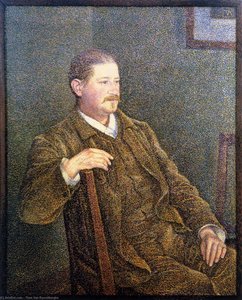
Self Portrait with Pipe [sketch]


Explore Théo van Rysselberghe's evocative Self Portrait with Pipe (1880), a seminal Neo-Impressionist masterpiece capturing light and introspection—a cornerstone of Belgian art history.
 Loe lähemalt
Avastage Théo van Rysselberghe elavad neoimpressionistlikud maalid! Uurige tema maastikke, portreid ja Maroko stseene – Les XX võtmeisik, kes ühendab valgust ja värvi. Belgia kunstniku teed murdja.
Käsitsi valmistatud õlimaalireproduktsioon
Meie kunstnike poolt tellimusel valmistatud käsitsi maalitud õli-kainaste teos teie soovitud suuruses ja raamis. ( Lülita trükkitoodetele Ülemineku digitaalse pildi müügi kanalisse)




P118B $10

P118H $10

P118W $10

P438Z $10

P508JH $12

P508YH $12

P805H $10

P805Z $10

P919BZ $10

P919G $10

P919XJ $10

P959ZH $10

P968JZ $12

W106C $8

W218G $10

W218JH $8

W218Y $10

W307PJ $10

W316G $10

W316PJ $8

W316Y $10

W398PJ $8

W4111J $10

W500HY $15

W500JH $15

W692G $12

W849H $8

W940BG $15

W953PJ $8




Standardne suurus
kohandatud
CM
INCH
Vali meie eelmääratud suurused, mis vastavad teose algupärastele proportsioonidele.
Loading sizes...

laius
kõrgus
Sa võite sisestada oma mõõtmed konkreetse raami või ruumi sobivuse tagamiseks. Kui teie valitud suurus ei vasta originaalpildi proportsioonidele, siis kärvime kunstiteost või laiendame maali täiendavate käsitsi maalitud elementidega. Enne tootmise algust saadetakse teile heakskiitmiseks digitaalne eelvaade.
Palun pidage meeles, et ekraanil kuvatav eelvaade ei kajasta tegelikku kärpimist või laiendamist. Ainult eelvaade näitab täpselt lõplikku kompositsiooni.
Kuigi on saadaval kohandatud suurused, soovitame originaalproportsioonide säilimiseks valida mõõdud eelmääratletud nimekirjast.
Näited muudetavatest elementidest: asenda nägu kliendi fotoga; lisa lemmikloom (nt asenda kass koeraga); lisa taustale peidetud sõnum; muuda tausta maastikku või elemente.
Pärast tellimust saadab TopImpressionists.com meeskond kliendile e-posti juhised ning esitab eelvaate kavandi
Pärast tellimust saadab TopImpressionists.com meeskond kliendile e-posti juhised ning esitab eelvaate kavandi
Maailmline tarne 3–4 nädala jooksul tavalise 5 nädala asemel. (23 september). Kvaliteedis kompromisse ei tehta.

Tasuta ekspresssaatmine üle maailma

Kõrgekvaliteediline lina-kangastest muld

Täielik transpordikindlustus

Tollimaksude tagastamise garantii

Värvitoime täpsuse garantii

100 päeva tagastusõigus (ainult defektide korral)

100% raha tagasi garantii

Hulgusoodustus
 Klaasivalik on saadaval ainult kuni 110 cm suuruses teostes

Self Portrait with Pipe [sketch]
Reproduktsiooni materjal
Reproduktsiooni mõõtmed
-


Lõppsumma
$ 269
A Quiet Contemplation Captured in Light
In the intimate stillness of 1880, Theo van Rysselberghe captured more than just his own likeness; he captured a moment of profound psychological depth. In his Self Portrait with Pipe [sketch], the artist presents us with an earnest, unblinking gaze that bridges the gap between the canvas and the observer. Seated indoors, the subject is enveloped in an atmosphere of quiet introspection, where every detail—from the subtle texture of his attire to the steady presence of his pipe—serves to deepen the narrative of a man lost in thought. This is not merely a study of a face, but an invitation into the artist's inner sanctum, offering a window into the contemplative soul that would later define much of the Neo-Impressionist movement.
The technical mastery displayed in this early work hints at the revolutionary path van Rysselberghe was destined to tread. While his later fame rests upon the scientific precision of pointillism, this piece showcases a remarkable command of oil on canvas and a burgeoning sensitivity to light. The artist utilizes a meticulous approach reminiscent of the cloisonné technique, applying layers that create a rich, textural landscape of shadow and luminosity. Through a subdued palette, he achieves a sense of serene melancholy, using harmonious tones to build a composition that feels both physically grounded and spiritually ethereal. For the discerning collector or interior designer, this painting offers a sophisticated anchor for any space, providing a focal point that commands attention through subtlety rather than spectacle.
Symbolism and the Spirit of an Era
Beyond the visual surface, the artwork is steeped in the intellectual currents of late 19th-century Belgium. The inclusion of the pipe is far from incidental; it acts as a potent symbol of philosophical engagement, solitude, and the slow, deliberate passage of time. It represents the intellectual pursuit that characterized the era's burgeoning interest in psychology and self-awareness. As the viewer meets the artist's direct gaze, the pipe becomes a companion in thought, suggesting that the act of looking is itself an act of deep reflection.
Historically, this work emerges from a period of intense artistic experimentation. As van Rysselberghe moved away from the fleeting impressions of his predecessors toward a more structured exploration of color theory, this sketch stands as a vital precursor to his mature style. It embodies the tension between traditional realism and the scientific advancements in optical research that were beginning to reshape the art world. To possess a reproduction of this piece is to hold a fragment of art history—a moment where the weight of tradition meets the dawn of modern perception, making it an exquisite addition to any curated collection seeking both historical gravity and timeless emotional resonance.
Sarnased teosed



Kunstniku elulugu
Valguse pioneer: Théo van Rysselberghe elu ja kunst
Théophile “Théo” van Rysselberghe, sündinud Gentis Belgias 1862. aastal, kerkis esile olulise kujuna Impressionismi ja Neo-Impressionismi vahelisel sillal. Tema teekond ei olnud kohese stiililise veendumuse tee, vaid pigem arenev uurimine, mis sai alguse reisidest, intellektuaalsest vahetusest ning kirest tabada valguse olemust. Van Rysselberghe kasvas mugavas prantsuskeelses kodanlikus perekonnas ja sai esialgsed kunstiharidused Genti Akadeemias Theo Canneeli juhendamisel, seejärel prestiižses Kuninglike Kunstide Akadeemias Brüsselis. Need kujundavad aastad andsid talle aluse traditsioonilises realismis, mis ilmneb varajastes töödes nagu *Autoportree pipetiga* (1880), mida iseloomustab sombune toon ja täpne detail – peegeldus valitsevas Belgia kunstikliimas. Kuid ka nende varajaste teoste sees hakkasid ilmnema idanevad tundlikkused valguse ja värvi suhtes, mis viitasid tema tulevasele suunale. Oluline töö sel perioodil, *Laps avatud metsalagudes* (1880), tähistas peent lahknevust, vihjates heledamale paletile ja vabemale pintslikäigule, mis defineerisid hilisemad stiilid.Maroko muljed ja Les XX sünd
Transformatiivne peatükk avanes van Rysselberghe reisidega Marokosse aastatel 1882–1888. Need pikemad viibimised sukeldasid ta maailma elavates värvides, intensiivses päikesevalguses ja eksootilistes maastikes – teravas kontrastis tema varasemates töödes valitsevate sumedate toonidega. Maalid nagu *Araabia tänavasaapasepp* (1882), *Araabia poiss* (1882) ja *Puhkav valvur* (1883) demonstreerivad kasvavat fassineerumist valguse mõju tabamisest vormile, liikudes rangest realismist impressionistlikuma tundlikkuseni. Maroko kogemus ei olnud pelgalt visuaalne vaatlus; see oli sukeldumine erineksesse kultuuri, mis avardas tema kunstilisi horisonte ja andis talle elupikkuse armastuse reiside vastu. Brüsselisse naastes sai van Rysselberghe Belgia kunstimaailma vedav jõud, kaasasutades mõjukat rühmitust *Les XX* (Kakskümmend) 1883. aastal koos Octave Mausiga ja Émile Verhaereniga. See kollektiiv oli platvorm avangardkunsti esitlemiseks, tutvustades uusi liikumisi nagu Impressionism ja Sümbolism Belgia publikule, kes polnud selliste uuendustega suures osas tuttav. *Araabia fantaasia* (1884), suuremahuline eksootiline maal, sai tema kõige tuntuimaks tööks sel perioodil, demonstreerides tema meisterlikkust valguse ja kompositsiooni vallas.Neo-Impressionismi omaksvõtt: teaduslik lähenemine värvile
Tõeline pöördepunkt van Rysselberghe kunstilises arengus saabus tema kohtumisel Georges Seurati maaliga *Pühapäev La Grande Jatte’i saarel* kaheksandal impressionistide näitusel Pariisis 1886. aastal. Esialgu oli ta skeptiline Seurati täpse “pointillistliku” tehnika suhtes – puhtate värvipunktide süstemaatiline rakendamine ja vaataja silma võimalus neid optiliselt segada –, kuid järk-järgult hakkas ta hindama selle teaduslikku alust ja potentsiaali saavutada valgustusefekte. Ta hakkas katsetama divisionismiga, Neo-Impressionistliku meetodiga eraldada värvid nende koostisosadeks ja lasta vaataja silmal need optiliselt segada. See ei olnud lihtsalt tehniline muutus; see tähistas fundamentaalset muutust tema lähenemises maalimis – liikumist analüütlikuma ja objektiivsema esituse suunas valguse ja värvi osas. Ta sõbrunes tihedalt teiste Neo-Impressionistlike maalikunstnikega nagu Paul Signac, reisides temaga Prantsuse Rivieral ja vahetades ideid tehnika ja teooria kohta. Van Rysselberghe eristas end liikumises selle poolest, et rakendas pointillismi mitte ainult maastikele, vaid ka portreekunstile, luues hämmastavalt elavaid ja psühholoogiliselt tabavaid sarnasusi oma perekonnale ja sõpradele – töö nagu *Madame Charles Maus* (1890) on peamine näide.Pointillismi piiridest kaugemale: püsiv pärand
Kuigi ta oli Neo-Impressionismile pühendunud pikema perioodi jooksul, liikus van Rysselberghe hilistel 1890ndatel selle rangetest printsiipidest kaugemale. Ta otsis suuremat vabadust oma pintslikäigus ja kompositsioonis, uurides uusi viise emotsioonide ja atmosfääri väljendamiseks. Ta jäi viljakaks kunstnikuks, töötades erinevates meediumites, sealhulgas mööblidisainis, raamatuillustratsioonis ja dekoratiivkunsti vallas. Tema mõju ulatus kaugele Belgia piiridest, mõjutades kunstnikke nagu Piet Mondrian ja Jan Toorop, kes olid inspireeritud tema uuenduslikust värvi- ja valguskasutusest. Van Rysselberghe pärand ei seisne mitte ainult tema kaunites maalidess, vaid ka tema rollis kunstilise muutuse katalüsaatorina – modernismi pooldajana, kes aitas tuua uusi ideid ja tehnikaid Belgia kunstimaailma. Tema teoseid hoitakse nüüd silmapaistvates muuseumikollektsioonides üle maailma, sealhulgas Musée du Luxembourg Pariisis ja Museum voor Schone Kunsten Gentis, tagades, et tema panus kunsti ajalukku jääb tähistatuks ja hinnatuks põlvedeks. Tema pühendumine valguse, värvi ja vormi vahelise koosmõju uurimisele kinnistas ta koha tõeliseks kaasaegse maalikunsti pioneeriks.
Théo Van Rysselberghe
1862 - 1926 , Belgia
Lühikest infot
- Artistic Movement Or Style: Neo-Impressionism
- Artists Or Movements Influenced By This Artist:
- Neo-Impressionism
- Piet Mondrian
- Jan Toorop
- Artists Who Influenced This Artist:
- Jean-François Portaels
- Georges Seurat
- Paul Signac
- Date Of Birth: 23. november 1862
- Date Of Death: 13. detsember 1926
- Full Name: Théo van Rysselberghe
- Nationality: Belgia
- Notable Artworks:
- Arabian Phantasia
- Spanish Woman
- Sevillan Woman
- Place Of Birth: Gent, Belgia
Sarnased artiklid

Timeless Impressionism: Bringing the Soul of Monet and Van Gogh into Your Cultural Space
Discover the soul of Impressionism. Explore how the luminous light of Monet and the emotional depth of Van Gogh can transform your home with premium, hand-painted oil reproductions designed for the discerning art lover.

Capturing the Light: A Journey Through the Ethereal Magic of Impressionism and Post-Impressionism
Embark on a cultural journey through the luminous world of Impressionism. Discover the profound beauty of Monet, Van Gogh, and Cézanne through expert art history insights and explore how to bring these timeless masterpieces into your home with museum-quality hand-painted reproductions.
Avastage teoseid, mis on koondatud teemade, stiilide ja omaduste kaupa.
