

 Vaata sisu
 Jaga teost
 Jaga
Jaga
 Detailid
 Õppekate juhend

 Laadi alla
 Sarnased teosed
 Röntgenuuring
 Slaidietendus
 Statistika
Mary Phipps

 Loe lähemalt
Explore the portraits of Thomas Bardwell, an English painter known for his civic commissions & allegorical works like 'Joshua Ward.' Discover his treatise on painting & legacy in Norwich.
Ostke kõrglahutusel ja täiustatud digitaalne pilt, mis on oluliselt parem kui veebilehel näidatud eelvaade.
Iga fail on meie spetsialistide poolt hoolikalt ette valmistatud, kasutades kaasaegseid tööriistu ja professionaalset käsitsi retušeerimist. Tagame, et igal pildil on erakordne selgus, täpne värvitäpsus ja peen detail.
Lõplik fail saadetakse e-posti teel 72 tunni jooksul ning on optimeeritud koheseks kasutamiseks professionaalsetes, toimetuslikes ja trüki keskkondades. See on sama kvaliteet, mida usaldavad tipptasemel disainistuudiod, kirjastused ja galeriid.
Digitaalne pilt
Laadi alla kõrge resolutsiooniga fail isiklikuks vaatamiseks, trükkimiseks ja loomingulisteks projektideks. ( Lülita trükkitoodetele Telli käsitsi maalitud reproduktsioon)
Sisse kuulub iga digitaalse pildi tellimusega
Professionaalne digitaalne kohaletoimetamine, garanteeritud
Valides TopImpressionists.com, ei saa sa lihtsalt pilti – saad professionaalselt parandatud digitaalse teose, mida on valmistatud täpsusega ja mis on toetatud rahuldamatusgarantiiga. Siin on kõik, mis sinu tellimusega automaatselt kaasneb:

Kiire e-posti edastus
Teie kõrge resolutsiooniga digitaalne pildifail saadetakse teile e-posti 72 tunni jooksul pärast tellimist – kohe kasutamiseks valmis.

Tehisintellektiga täiustatud digitaalne fail
Teie teos on professionaalselt optimeeritud arenenud tehisintellekti tööriistade ja käsitsi redigeerimise abil, tagades maksimaalse detailitaseme, selguse ja värvitäpsuse.

Tasuta eluaegne uuesti saatmine
Kas kustutasid faili kogukalu unustamisel või kustutamisel? Puudub mure – saad selle uuesti igal ajal ilma lisatasuta.

Puuduvad importimaksud – alati
Nautige oma teoseid koheselt ilma tolli-, maksude või tarnimaskuludeta – digiletchargused on alati maksuvabadud.

Värvitäpsuse garantii
Me tagame, et teie digitaalne pilt kajastaks originaali värve professionaalsete tööriistade ja värvihalduse abil võimalikult täpselt.

100 päeva rahuldamatuse garantii
Kui te ei ole oma digitaalse pildi eest rahul, siis me parandame seda või tagastame 100% summast 100 päeva jooksul – küsimusteta.

100% raha tagastamise garantii
Ei ole rahul? Saate täielise tagastaja 100 päeva jooksul pärast digitaalse faili kättesaamist – ilma küsimusteta.

Suurema tellimuse soodustused
Osta 3 pilti, säästa 10% - Osta 5, säästa 15% - Osta 10+, säästa 20%. Sobib suurepäraselt loomingulisteks projektideks, galeriideks ja agentuurideks.
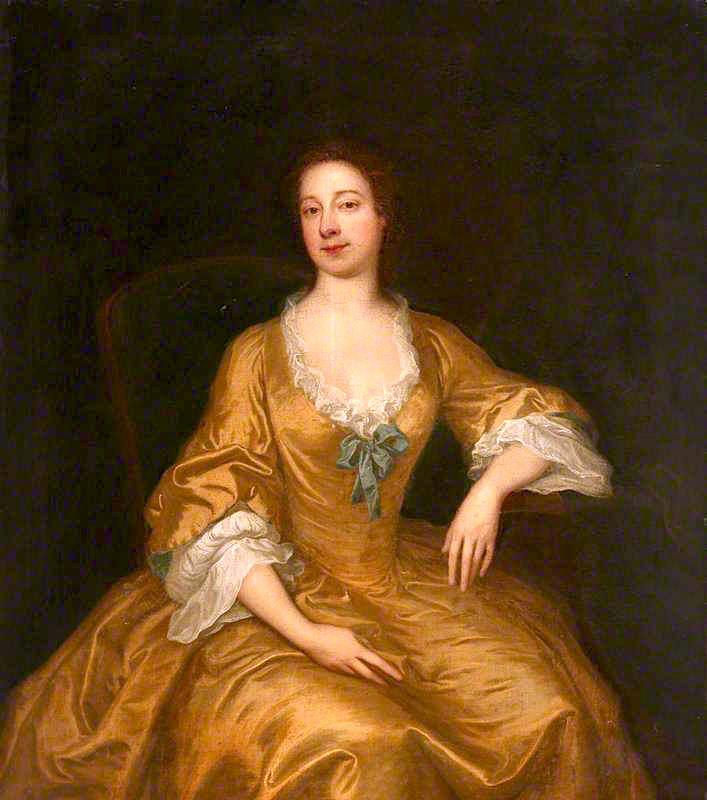
The painting Mary Phipps by Thomas Bardwell is a stunning example of 18th-century portraiture. Created in 1749, this oil on canvas piece is a testament to the artist's skill and attention to detail. As an expert in art and a salesman at https://TopImpressionists.com, I am delighted to delve into the intricacies of this artwork and explore its significance.
The Mary Phipps portrait is a remarkable example of 18th-century portraiture, and its beauty and significance can be appreciated by art lovers around the world. Whether you are an avid collector or simply someone who appreciates fine art, this painting is sure to captivate and inspire.
Artist Background
Thomas Bardwell was a British painter born in 1704. He established himself as a decorative painter and later focused on portrait painting, developing a style reminiscent of Thomas Hudson and Van Dyck. His work can be found in various collections, including the University of Oxford.The Painting
The Mary Phipps portrait showcases the subject's elegance and refinement. The woman is depicted sitting in a chair, wearing a yellow dress with a blue bow around her neck. Her long hair is styled in an intricate manner, and her expression is one of calmness and serenity. The background of the painting is simple, yet effective, allowing the viewer to focus on the subject.- The painting measures 76 x 64 cm, making it a substantial piece.
- The use of oil on canvas allows for rich colors and textures.
- The subject's attire and hairstyle are characteristic of the time period.
The Mary Phipps portrait is a remarkable example of 18th-century portraiture, and its beauty and significance can be appreciated by art lovers around the world. Whether you are an avid collector or simply someone who appreciates fine art, this painting is sure to captivate and inspire.
Küsimused ja vastused
Kas saan tellida teose "Mary Phipps" õli-reproduktsiooni?
Teose „Mary Phipps“, autor Thomas Bardwell käsitsi maalatud koopiaid müüakse saidil see veebileht: käsitsi maalatud õlireproduktsioon linaelapale, neid saab tellida sellelt lehelt Käsitsi maalatud reproduktsioon.
Kas teoses „Mary Phipps“, autor Thomas Bardwell kasutatakse tugevaid kontraste või pehmeid harronioid?
Teoses "Mary Phipps" on Statement kontrast ühendatud Strong Color Unity harmooniasusega.
Kust saan leida sarnaseid teoseid kui „Mary Phipps“, autor Thomas Bardwell?
Teosest „Mary Phipps“, autor Thomas Bardwell leidetavad sarnased teosed lehelt Sarnased teosed.
Kunstniku biograafia
Early Life and Apprenticeship
Thomas Bardwell, born in 1704, emerged from a family deeply rooted in the decorative arts rather than the established world of fine painting. His initial foray into artistry wasn’t through formal training but within the practical demands of his family's business in Bungay, Suffolk. He began by crafting painted panels – functional embellishments that nonetheless required a keen eye for composition and color. This early experience, though seemingly humble, laid a crucial foundation for his later success. It instilled in him a meticulous approach to craft and an understanding of the visual impact of imagery, even before he consciously aspired to be a portraitist. The earliest documented works, conversation pieces from 1736 – notably one potentially depicting the Brewster family of Beccles now held by the Geffrye Museum – offer glimpses into this formative period. These paintings, intimate scenes capturing familial life, reveal an emerging talent for characterization and narrative detail, hinting at a sensibility that would blossom in his more ambitious commissions.Breaking New Ground in Norwich
Bardwell’s trajectory took a significant turn in 1746 when he secured a commission from the Artillery Company of Norwich to paint William Crowe, who was soon to become mayor. This wasn't merely another portrait; it represented a challenge to the established artistic order within the city. Until then, John Theodore Heins, a German-born artist, had held a virtual monopoly on civic portraiture in Norwich. Bardwell’s success in capturing Crowe’s likeness – and securing this prestigious commission – effectively broke that hold, marking him as a formidable new presence on the local art scene. This initial triumph led to a series of nine portraits for St Andrew's Hall in Norwich, solidifying his reputation and establishing a distinctive style favored by the city’s prominent citizens. He wasn’t simply painting faces; he was becoming an integral part of documenting Norwich society itself.London Commissions and Allegorical Depth
The 1740s and 50s saw Bardwell extend his reach to London, where he undertook a variety of portrait commissions. However, it was during this period that he ventured beyond straightforward representation, demonstrating an ambition for more complex allegorical works. Joshua Ward Receiving Money from Britannia (and bestowing it as charity on the needy), painted in 1748 and now residing within the Royal College of Surgeons’ collection, stands as a prime example. This painting isn't just a portrait of Dr. Joshua Ward; it’s a carefully constructed visual narrative. The symbolic figures of Britannia and Charity flanking Ward, coupled with the throng of grateful patients, elevate the work beyond mere likeness to a celebration of philanthropy and civic virtue. An engraving after this piece, likely by Bernard Baron, further disseminated his imagery and influence. This period reveals Bardwell's growing sophistication in using symbolism to imbue his portraits with deeper meaning, moving him away from purely descriptive representation towards works that actively engaged with moral and social themes.Yorkshire, Scotland, and a Return to Norwich
Bardwell’s artistic journey wasn’t confined to the south of England. Between 1752 and 1753, he embarked on an extensive series of commissions in Yorkshire and Scotland, broadening his exposure to different patrons and regional styles. This period likely influenced his technique and further refined his ability to adapt to diverse aesthetic preferences. However, by 1759, Bardwell made the decision to settle permanently in Norwich. He became a central figure within the city’s artistic community, celebrated for his skill and dedication. An obituary published in a local newspaper lauded him as “an eminent portrait painter…who principally through the power of genius and dint of application, acquired a degree of perfection in his art.”Legacy and Theoretical Contributions
Bardwell’s impact extended beyond the canvas. In 1756, he published The Practice of Painting and Perspective Made Easy, a 64-page treatise dedicated to the Earl of Rochford. This work wasn't merely a technical manual; it reflected his own artistic philosophy and offered practical guidance for aspiring painters. It demonstrates a commitment to sharing his knowledge and promoting the art of painting beyond his immediate circle. According to a general history of Norfolk published in 1829, “the best of his portraits are at Langley,” with works by Turner and Carr also noted as holding historical subjects painted by Bardwell. While perhaps not achieving the widespread fame of some of his contemporaries, Thomas Bardwell carved out a significant niche for himself as a skilled portraitist, a breaker of artistic monopolies, and a thoughtful contributor to the discourse surrounding painting in 18th-century England. His legacy resides not only in the faces he captured but also in the enduring quality of his craftsmanship and his dedication to elevating the art of portraiture within his community.
Thomas Bardwell
1704 - 1767
Kiired faktid
- Full Name: Thomas Bardwell
- Nationality: English
- Date Of Birth: 1704
- Date Of Death: 1767
- Place Of Birth: Bungay, Suffolk
- Notable Artworks:
- Joshua Ward Receiving Money from Britannia
- Sir Thomas Churchman
- Artistic Movement Or Style: Portraiture
- Artists Who Influenced This Artist: ['John Theodore Heins']
- Artists Or Movements Influenced By This Artist: ['Romanticism']