


 Vaata sisu
 Jaga teost
 Jaga
Jaga
 Detailid
 Õppekate juhend

 Laadi alla
 Sarnased teosed
 Röntgenuuring
 Slaidietendus
 Statistika
The Fisherman


Discover Tom Thomson’s "The Fisherman" – a vibrant oil painting capturing rustic beauty & nature’s harmony. Explore impressionistic brushstrokes, warm tones, & Canadian landscape art.
 Loe lähemalt
Avastage Tom Thomson (1877-1917), ikoniline kanadala loodusmaastike maalari. Avastage tema vibrantid õliteemad ja pärand ettekäija Seveni grupile. #CanadianArt #TomThomson
Giclée / Kunstiprint
Muuseumikvaliteediga giclée- või kangasprint kiire tootmisega ja paindlikud viimistlusvõimalused. ( Telli käsitsi maalitud reproduktsioon Ülemineku digitaalse pildi müügi kanalisse)




P118B €10

P118H €10

P118W €10

P438Z €10

P508JH €12

P508YH €12

P805H €10

P805Z €10

P919BZ €10

P919G €10

P919XJ €10

P959ZH €10

P968JZ €12

W106C €8

W218G €10

W218JH €8

W218Y €10

W307PJ €10

W316G €10

W316PJ €8

W316Y €10

W398PJ €8

W4111J €10

W500HY €15

W500JH €15

W692G €12

W849H €8

W940BG €15

W953PJ €8




Standardne suurus
kohandatud
CM
INCH
Vali meie eelmääratud suurused, mis vastavad teose algupärastele proportsioonidele.
Loading sizes...

laius
kõrgus
Sisestage vajalik laius ja kõrgus, et see sobiks teie raamile või seinale. Trükki saab ainult lõigata, seda ei saa kunagi pildist suuremaks teha, seega ka differentse vormiga suurus kaotab osa pildist. Enne trükkimist saadame teile kinnitamiseks digitaalse näidisprojektsiooni. Sellel lehel näidatud pilt ei kujuta reaalset lõiget — seda näitab ainult näidisprojekttsioon.
Ülemaailmne tarne () 2 nädala jooksul, tavalise 4/5 nädala asemel. (23 oktoober)

Tasuta ekspresssaatmine üle maailma

Kõrgekvaliteediline lina-kangastest muld

Täielik transpordikindlustus

Tollimaksude tagastamise garantii

Värvitoime täpsuse garantii

100 päeva tagastusõigus (ainult defektide korral)

100% raha tagasi garantii

Hulgusoodustus
 Klaasivalik on saadaval ainult kuni 110 cm suuruses teostes

The Fisherman
Giclée / Kunstiprint
Reproduktsiooni mõõtmed
-


Lõppsumma
€ 61
A Moment Frozen in Time: The Essence of Algonquin
Tom Thomson's "The Fisherman" isn't merely a depiction of a solitary figure casting his line; it’s a profound immersion into the heart of Canadian wilderness, a distilled essence of the early 20th century’s burgeoning interest in capturing the soul of the land. Painted in 1917, during a pivotal period for both Thomson and the nascent Group of Seven, this oil on wood panel vibrates with an almost palpable sense of tranquility and rugged beauty. The scene unfolds within a dramatically rendered landscape – a rocky outcrop framing a rushing river, culminating in a distant, imposing waterfall. It’s a vista that speaks to the vastness and untamed spirit of Algonquin Park, a place that would become inextricably linked with Thomson's artistic vision.
Thomson, a self-taught artist who emerged from humble beginnings as a pen illustrator, possessed an uncanny ability to translate the raw energy of nature onto canvas. He eschewed academic precision in favor of a direct, emotionally charged approach – a technique that resonated deeply with the Canadian landscape and its people. “The Fisherman” exemplifies this style perfectly; the brushstrokes are loose and expressive, conveying movement and texture with remarkable immediacy. The artist doesn’t attempt to replicate reality with photographic accuracy but rather captures the *feeling* of being present in that specific moment, bathed in the light and surrounded by the sounds of nature.
Impressionistic Brushwork & a Palette of Earth
The painting's power lies significantly in its masterful use of color and texture. Thomson employs a predominantly warm palette – deep reds, oranges, and browns dominate, mirroring the hues of autumn foliage and the earth itself. These rich tones are juxtaposed with cooler blues and greens within the river and surrounding vegetation, creating a dynamic visual harmony. Crucially, he utilizes thick impasto—a technique involving applying paint in heavy layers—to build up texture on the rocks, water surface, and even the fisherman’s clothing. This tactile quality invites the viewer to almost *feel* the roughness of the stone beneath their fingertips or the coolness of the flowing water.
The composition itself is carefully considered. The diagonal thrust of the river draws the eye into the distance, while the towering cliffs provide a sense of scale and drama. Geometric shapes – triangles for the cliffs, curves for the river, and rectangles for the fisherman’s attire – are subtly integrated within the overall impressionistic style. This interplay between structured form and loose brushwork contributes to the painting's captivating visual rhythm.
Symbolism & a Portrait of the Canadian Spirit
Beyond its technical brilliance, “The Fisherman” carries significant symbolic weight. The solitary figure represents not just a fisherman but also embodies a deeper connection with nature – a theme central to Thomson’s work and increasingly important in early 20th-century Canada. The act of fishing itself can be interpreted as a metaphor for the human relationship with the natural world: a quiet, respectful engagement seeking sustenance and understanding. The vastness of the landscape underscores the individual's place within it – a humbling reminder of both our dependence on and connection to the environment.
Furthermore, the painting reflects the growing national identity in Canada at the time. Thomson’s focus on the Canadian wilderness resonated with a desire for self-expression and independence from European influences. His work helped to establish a distinctly Canadian artistic voice, paving the way for the Group of Seven and shaping the country's visual landscape for generations to come. “The Fisherman” stands as a testament to this legacy – a timeless image that continues to evoke feelings of peace, solitude, and profound connection with the natural world.
Küsimused ja vastused
Milline on teose „The Fisherman“, autor Tom Thomson värvitoon?
Teoses „The Fisherman“, autor Tom Thomson on kasutatud Earthy värvipaletti, kus domineerib Quinacridone Magenta (#81574c) värv.
Mis on teose „The Fisherman“, autor Tom Thomson luminants?
Teose „The Fisherman“, autor Tom Thomson kirjeldatud luminants on Soft Shadow.
Mis tüüpi teos on "The Fisherman"?
Teos „The Fisherman“, autor Tom Thomson on klassifitseeritud kui WallArt. See kategooria kirjeldab originaalteose kunstivormi.
Sarnased teosed


Kunstniku elulugu
Kanadala metsmaastikuva pioneer
Thomas John Thomson, keskjõigena tuntud kui Tom Thomson, on Kanada kunstipärandi keskne ja omavaitsusega tegelane. Kuigi tema aktiivne karjäär kestis vaid mõned aastad – tragöödiaga kolmekümmend üheksa aasta eas lõigatud –, kujundas ta ülemдаваid kanadala kunsti suundের ja toimis olulise eelkõrguna kuulsale Seveni grupile, jättides järele emotsionaalselt võimsad maastikud, mis kõlavad tänapäevani. Tema lugu on hilineva õitsemise, Ontario metsade metsikutest iludest oma hääle leidnud rahutu vaimu ning igavesti püüdmatu müüri tema ebaõnnestunud surma ümber.Maapiirkonnast kunstilise ärkamiseni
Sündinud 5. august 1877 Claremontis, Ontario, oli Thomsoni varajane elu süvenenud maaelu rütmidesse. Kasvanud üheksa lapsest üks põllumajapere keskkonnas, tekkis temaga sügav side loodusega – kuigi see ei avaldanud ennast alguses kunstina. Tema õpiroll oli katkendav, sagedasti haiguste ja eluliste vajadustega przerruptitud. Enne kunsti pühendamist proovis Thomson erinevaid ametid: töötas rauavalimikus, käibus lühikeseks ajaks ärikolledžis ning suunas end isegi Seattlesse, kus teritas oma oskusi kaubandusartistina. See periood oli kujutav; see ei olnud pelgalt tehnilise oskuse omandamine Maring & Laddi laadsete firmade juures, vaid ka kohtumine inimestega, keda hiljem becomeksid Kanada kunstimaastiku keskfiguurid – nagu J.E.H. MacDonald ja Lawren Harris. Need sidemed pakkusid olulist intellektuaalset ja kunstilist keskkonda, mis toitutas tema peitnud talenti. Kuid alles 1912. aastal avastatud Algonquin Park süütele Thomsoni kunstipassiooni. MacDonaldi õhutusel hakkas ta joonistama pargi hinget maalistavates vaadetes, alustades teekonda eneseavastuse poole läbi maastikumaalimise.Erineva stiili evolutsioon
Thomsoni varajased maalised paljastavad lubavuse, kuid veel eeriliselt puudutava talenti. Kuigi need näitasid kompositsiooni ja värvi mõistmist, puudus neist see eripärane hääl, mis hiljem tema täiskasvanud töö defineeris. Ajaga aga läbis tema stiil drastilise muudatuse. Ta lahutas konventsionaalsed tehnikad ning omakasutas julgemad ja ekspressiivsemad meetodid, mida iseloomustasid eraldavad värvid, paksult kantud värv – impasto – ja dünaamilised pintoonid. Need ei olnud pelgalt maastiku esitused; need olid visceraalne tõlgendused, edastades Kanada metsiku maailma energiat, atmosfääri ja emotsionaalset intensiivsust. Tema teemad jäid peaaegu eranditult maastikud: kõrged puud, laiad taevad, säravad järved, kargeid jõgesid ja valgus-varju peened nüanssid maastikul. Ta tabas mitte ainult seda, mida taPärand ja püsiv mõju
Maalid nagu The Jack Pine, The West Wind, Moonlight Sail ja Birch Grove, Autumn on muutunud Kanada identiteedi ja riigi loodusliku ilu ikoonilisteks sümboleks. Kuigi ta surmas enne Seveni grupi ametlikku asutamist 1920. aastal, peetakse Thomsoni laialdaselt ametlikuks liikmeks – alustavaks mõjutajaks, kelle kunstiline visioon tegi teed nende murdilike tööde loomisele. Tema julge värvikasutus, ekspressiivne pintoon ja unikaalsed kanadala teemad kujundasid grupi suunda sügavalt. Sündmustel, mis ümbritasid tema surma Canoe Lake'i uppumisel juulis 1eks 1917. aastal, on endiselt saladuslik olemus, lisades mystikat tema elule ja kunstile. Kas see oli tragöödia või midagi enam? See ebaselgus on aastakümneid kütnud spekulatsioone, kinnistades Thomsoni kohta Kanada kultuuri legendina. Täna asuvad tema teosed peamiselt suurtes Kanada institutsioonides nagu Ontario Kunstgaleriis, Kanadade Riiklik Kunstgaleriis, McMichael Canadian Art Collectionis ja Tom Thomson Art Galerias, tagades, et tema visioon jätkab inspiratsiooni andmist ka tulevatele põlvetele. Ta seisab kui tunnistus kunstilise avalduse võimekusele tabada üksi riigi hinge.Püsiv sümbol
Thomson on õigustatud tunnustusena Kanada modernkunsti pioneer, kes murdis Euroopa traditsioonidest ja lois unikaalse kanadala esteetika. Tema maalid on rohkem kui lihtsalt maastikud; need on Kanada metsiku maailma ja rahvusliku identiteedi võimsad sümbolid. Tema töö püsiv populaarsus räägib selle ajatustest ja universaalsest atraktsioonist. Ta ei måalinud lihtsalt seda, mida ta nägi; ta måalis, kuidas tundus olla kanadlane – olla ühenduses põhja maastiku laiuse ja iluga. Tema pärand jätkub kasvama, kinnistades tema positsiooni üna ühe Kanada armastatuima ja olulisema kunstnikuna – tõelise sümbolina riigi kunstipärandis.
Tom Thomson
1877 - 1917 , Kanada
Lühikest infot
- Artistic Movement Or Style: Kanada modernism
- Artists Or Movements Influenced By This Artist: ['Group of Seven']
- Artists Who Influenced This Artist:
- J.E.H. MacDonald
- Lawren Harris
- Date Of Birth: 5. august 1877
- Date Of Death: 8. juuli 1917
- Full Name: Thomas John Thomson
- Nationality: Kanada
- Notable Artworks:
- The Jack Pine
- The West Wind
- Moonlight Sail
- Birch Grove, Autumn
- Place Of Birth: Claremont, Canada
Sarnased artiklid

The Soul of Impressionism: Why Oil on Canvas Captures Eternal Light and Timeless Emotion
Discover the enchanting alchemy of Impressionism. Explore how the mastery of oil on canvas, through glazing and impasto, captures eternal light and emotion. Perfect for lovers of Monet and Van Gogh seeking the profound depth of hand-painted fine art.

The Timeless Charm of Oil on Board: Reimagining Texture and Light through the Impressionist Lens
Discover the profound intimacy of oil on panel. Explore how Impressionist masters used rigid supports to capture light, texture, and impasto depth through exquisite, handmade oil reproductions for discerning collectors.
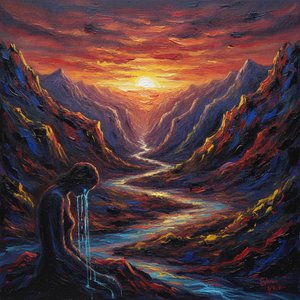
Capturing Emotion: A Journey Through the Soul of Expressionist Landscapes
Explore the profound emotional depth of Expressionist landscapes. Discover how Post-Impressionist masters moved beyond light to capture the soul through vibrant color and form. A curated journey for true art lovers seeking the beauty of expressive mastery.

Beyond the Light: Capturing Raw Emotion and Subjective Vision in Post-Impressionist Landscapes
Explore the profound emotional depth of Post-Impressionist landscapes. Discover how masters like Van Gogh moved beyond light to capture raw human feeling through vibrant color and expressive texture in this expert art history retrospective.