


 Vaata sisu
 Jaga teost
 Jaga
Jaga
 Detailid
 Õppekate juhend

 Laadi alla
 Sarnased teosed
 Röntgenuuring
 Slaidietendus
 Statistika
Twilight


 Loe lähemalt
Umberto Boccioni (1882–1916) – Itaalia futurismikunstnik, tuntud dünaamiliste maalide ja skulptuuride poolest! Avasta 'Inimese kehaharu dünaamika' jt teoseid, mis kujutavad liikumist ja modernset elu.
Käsitsi valmistatud õlimaalireproduktsioon
Meie kunstnike poolt tellimusel valmistatud käsitsi maalitud õli-kainaste teos teie soovitud suuruses ja raamis. ( Lülita trükkitoodetele Ülemineku digitaalse pildi müügi kanalisse)




































Standardne suurus
kohandatud
CM
INCH
Vali meie eelmääratud suurused, mis vastavad teose algupärastele proportsioonidele.
Loading sizes...

laius
kõrgus
Sa võite sisestada oma mõõtmed konkreetse raami või ruumi sobivuse tagamiseks. Kui teie valitud suurus ei vasta originaalpildi proportsioonidele, siis kärvime kunstiteost või laiendame maali täiendavate käsitsi maalitud elementidega. Enne tootmise algust saadetakse teile heakskiitmiseks digitaalne eelvaade.
Palun pidage meeles, et ekraanil kuvatav eelvaade ei kajasta tegelikku kärpimist või laiendamist. Ainult eelvaade näitab täpselt lõplikku kompositsiooni.
Kuigi on saadaval kohandatud suurused, soovitame originaalproportsioonide säilimiseks valida mõõdud eelmääratletud nimekirjast.
Näited muudetavatest elementidest: asenda nägu kliendi fotoga; lisa lemmikloom (nt asenda kass koeraga); lisa taustale peidetud sõnum; muuda tausta maastikku või elemente.
Pärast tellimust saadab TopImpressionists.com meeskond kliendile e-posti juhised ning esitab eelvaate kavandi
Pärast tellimust saadab TopImpressionists.com meeskond kliendile e-posti juhised ning esitab eelvaate kavandi
Maailmline tarne 3–4 nädala jooksul tavalise 5 nädala asemel. (26 september). Kvaliteedis kompromisse ei tehta.

Tasuta ekspresssaatmine üle maailma

Kõrgekvaliteediline lina-kangastest muld

Täielik transpordikindlustus

Tollimaksude tagastamise garantii

Värvitoime täpsuse garantii

100 päeva tagastusõigus (ainult defektide korral)

100% raha tagasi garantii

Hulgusoodustus
 Klaasivalik on saadaval ainult kuni 110 cm suuruses teostes

Twilight
Reproduktsiooni materjal
Reproduktsiooni mõõtmed
-


Lõppsumma
$ 269
A Symphony of Motion and Color: Exploring Umberto Boccioni’s “Twilight”
Umberto Boccioni’s “Twilight,” completed in 1909, stands as a cornerstone of the Futurist movement—a radical artistic rebellion against academic traditions that championed speed, dynamism, and the transformative power of industrial progress. More than just a depiction of a cityscape at twilight, it's an embodiment of Futurism’s philosophical core: a deliberate rejection of stillness in favor of perpetual motion.
Composition and Technique: Divisionist Brilliance
Painted in Divisionist style—a technique pioneered by Georges Seurat—Boccioni meticulously layered dots of color onto the canvas, creating an illusionistic depth that defies conventional representation. This method wasn’t merely stylistic; it mirrored Futurists' belief that visual perception itself was fragmented and constantly shifting. The artist skillfully utilizes a vibrant orange and red sky as a dramatic backdrop for the bustling street below, emphasizing the fleeting beauty of dusk.
The Urban Landscape Captured in Flux
Below this fiery expanse unfolds a scene teeming with life: pedestrians hurrying along sidewalks, two horses prominently positioned—one near the center, another on the right—and automobiles adding to the palpable sense of movement. Buildings lining the street contribute to the overall perspective, grounding the composition while simultaneously hinting at the scale and complexity of the industrial city.
Symbolism Beyond Representation
The smoke rising from the buildings isn’t merely atmospheric detail; it symbolizes the relentless march of technological advancement—a key preoccupation of Futurists. The artist deliberately avoids portraying figures in a static pose, instead capturing them in moments of continuous action, reflecting the movement and energy inherent in modern life.
A Legacy of Innovation
"Twilight" represents Boccioni’s masterful fusion of traditional painting techniques with modernist ideals. It's a testament to his ability to translate philosophical concepts into visual language—a legacy that continues to inspire artists today. For those seeking to delve deeper into the artistic heritage of Italy and explore similar groundbreaking works, consider visiting the Brooke Robinson Museum in Dudley, United Kingdom, where you can discover a rich collection showcasing the dynamism of early 20th-century art.


Kunstniku elulugu
Umborto Boccioni: Liikumise ja Modernismi Prohveteering
Umborto Boccioni, sündinud 1882. aastal Calabria Reggio linnas, oli Itaalia futurismiliikumise üks silmapaistvamaid tegelasi – jõud, mis püüdis murda kunstilisi konventsioone ja haarata kaasaegse maailma dünaamilisust. Tema elu, kuigi traagiliselt lühike, lõppes vaid kolmekümnese kolmeaastasena, sai tõestuseks tema vankumatust uskumust progressi, kiiruse ja masinajastu võluva energia poole. Boccioni varased aastad olid märgistatud pidevate üleviimistega seoses isa teenistuskohaga, kasvatus, mis tutvustas teda mitmesugustele maastikele ning sühendas temas rahutust vaimu. See rändav eksistents viis ta lõpuks Rooma, kus ta esmalt püsis dekoratiivsete kunstide õpingutel enne, kui suundus maalima, omandades mõjutusi ajastu Liberty stiili plakatikunstnikelt. Kuid just kohtamine futurismiga, mis tekitas Filippo Tommaso Marinetti kirjutiste poolest, tõi kaasa tema kunstilise tee tõelise põlemishetke.Futuristliku Vaimu Haaramine: Kunstniku Tõus
Aasta 1910 osutus Boccioni jaoks pöördeliseks. Ta kirjutas alla *Manifesto dei Pittori Futuristi*, kinnitades oma pühendumust liikumisele, mis tähistas tehnoloogiat, kiirust ja isegi vägivalda modernsuse sümbolitena. See ei olnud pelgalt esteetiline valik; see oli filosoofiline rebell traditsiooni raskusvõrgu vastu, soov tabada maailma olemust, mis kihutab määrusega ebakindla tuleviku poole. Boccioni sai kiiresti futurismile üks kõige jutukaim teoreetik, laienedes Marinetti algsete avalduste peale ja rakendades neid kujutavale kunstile. Ta väitis täielikust loobumisest esitluslikust täpsusest, soovitades selle asemel maalida nii, et see edastaks mitte ainult seda, *kui* asjad näevad välja, vaid *kui* need tunduvad liikumises – kiiruse sensatsioon, vormi fragmentatsioon, linnaelu ülev energia. Tema varasemad tööd, mis viitavad veel Impressionistlike ja Divisionistlike mõjudele, hakkasid demonstreerima kasvavat obsessiooni dünaamikaga. Sellised teosed nagu *Linn tõuseb* (1910-1911) on monumentaalsed nii ulatuse kui ka ambitsioonide poolest, kujutades modernse metropoli keerukat ehitust – keerlev võimsus inimkujudest, hoonetest ja masinatest, mis kehastab futuristlikku ideaali.Reaalne Dekonstrueerimine: Tehnika ja Teemad
Boccioni kunstiline areng iseloomustati üha radikaalsema lähenemisega vormile. Ta hüljaski traditsioonilised perspektiivi ja kompositsiooni mõisted, omaks fragmentatsiooni vahendina liikumise ja energia edastamiseks. Objektid jagati nende koostisosadeks, jõujooned kiirgasid väljapoole ning värvid segunesid keerlevates mustrites – kõik oli loodud visuaalse vibratsiooni loomiseks. See dekontruktsioon ei olnud pelgalt stilistiline; see põhines Boccioni veendumusel, et ka ise reaalsus on vedelik ja pidevalt muutuv. Ta püüdis esitada mitte asjade staatilist välimust, vaid nende dünaamilist olemust. Peamised teemad ilmusid tema loomingus: dünaamika, modernsuse tähistamine ja fanaatiline huvi inimkeha vastu kui energia ja liikumise väljendamise vahendina. See ilmneb võimsalt sellistes töödes nagu *Inimkeha dünaamilisus* (1913), kus kuju ei kujuta endast tahku vormi, vaid pigem fragmentide sarja, mis viitavad liikumisele ruumis. Ilmselt tema ikoonilisim looming, *Unikaalsed pidevusvormid ruumis* (1913) ületab maalimisvõtte täielikult – pronksist skulptuur, mis kehastab futuristlikku ideaali vapustava jõuga. Kuju näib olevat jäädvustatuna liikumisega, selle jäsemed ja torso on pikenenud ja moonutatud, andes tunde takistamatust hoost.Pärand ja Püsiv Mõju
Boccioni enneaegne surm 1916. aastal Esimese maailmasõja ajal võttis kunstimaailmalt tõeliselt visionääri talendi. Tema ideed ja teosed jäid aga kauaks peale tema surma kõlama. Ta mõjutas sügavalt mitte ainult hilisemaid futuristlikke kunstnikke, vaid ka selliseid liikumisi nagu Konstruktivism ja Abstract Expressionism. Tema dünaamika, modernsuse esitamine ja inimkehaga seotud teemad rajasid uusi kunstilise väljenduse vorme, luues väljakutsetele traditsioonilistele ilu- ja esindusmõistetitele.- Mõjud: Giacomo Balla Divisionistlikud tehnikad, Kubismi vormide fragmentatsioon ning Nietzsche filosoofia kirjutised.
- Tuntumad teosed: *Inimkeha dünaamilisus*, *Unikaalsed pidevusvormid ruumis*, *Linn tõuseb*, *Tsüklise sõitja dünaamilisus*.
- Histrooriline tähendus: Põhiliseks tegelaseks 20. sajandi kunstis, Boccioni väljakutsetele kunstilistele konventsioonidele ja aitas kujutada kaasaegse kunsti suunda. Tema dünaamika ja liikumise esitamine inspireerib jätkuvalt kunstnikke tänapäevani.

Umberto Boccioni
1882 - 1916 , Itaalia
Lühikest infot
- Artistic Movement Or Style: Futurism
- Artists Or Movements Influenced By This Artist:
- Constructivism
- Abstract Expressionism
- Artists Who Influenced This Artist:
- Giacomo Balla
- Divisionism
- Cubism
- Date Of Birth: 1882-10-19
- Date Of Death: 1916-08-17
- Full Name: Umberto Boccioni
- Nationality: Itaalia
- Notable Artworks:
- Dynamism of a Human Body
- Unique Forms of Continuity
- The City Rises
- Dynamism of a Cyclist
- Place Of Birth: Reggio Calabria, Itaalia
Sarnased artiklid
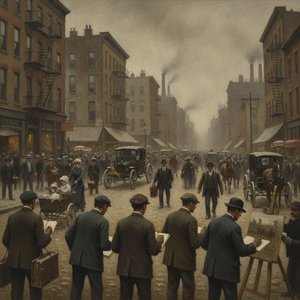
The Ashcan School: Capturing the Raw, Unfiltered Soul of Urban Life through American Realism
Discover the raw beauty of the Ashcan School. Explore how masters like Bellows and Henri captured the gritty, vibrant soul of early 20th-century New York through profound American Realism and evocative urban landscapes.
Avastage teoseid, mis on koondatud teemade, stiilide ja omaduste kaupa.


