

 Eelvaade
 Saada
Saada Jaga
Jaga
 Teave teose kohta
 Juhend

 Laadi alla
 Sarnased teosed
 Röntgenuuring
 Slaidietendus
 Q&A
Q&A Statistika
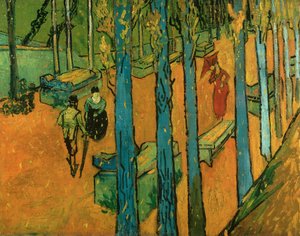
Tree roots

- 50.0 x 100.0 cm


Explore Vincent van Gogh’s ‘Tree Roots’! A captivating 1890 oil painting showcasing post-impressionist style & emotive brushwork. Discover this iconic artwork's history, influence & legacy.
 Loe lähemalt
Vincent van Gogh (1853-1890): Avastage hollandi postimpressionistmeister, kes lõi teosed 'Starry Night' ja 'Sunflowers'. Avastage tema julge stiil ja püsiv mõju kaasaegsele kunstile.
Giclée / Kunstiprint
Muuseumikvaliteediga giclée- või kangasprint kiire tootmisega ja paindlikud viimistlusvõimalused. ( Osta käsitsi maalatud teos Lülita digitaalse pildi juurde)




P118B €10

P118H €10

P118W €10

P438Z €10

P508JH €12

P508YH €12

P805H €10

P805Z €10

P919BZ €10

P919G €10

P919XJ €10

P959ZH €10

P968JZ €12

W106C €8

W218G €10

W218JH €8

W218Y €10

W307PJ €10

W316G €10

W316PJ €8

W316Y €10

W398PJ €8

W4111J €10

W500HY €15

W500JH €15

W692G €12

W849H €8

W940BG €15

W953PJ €8




Standardne suurus
kohandatud
CM
INCH
Vali meie eelmääratud suurused, mis vastavad teose algupärastele proportsioonidele.
Loading sizes...

laius
kõrgus
Sisestage vajalik laius ja kõrgus, et see sobiks teie raamile või seinale. Trükki saab ainult lõigata, seda ei saa kunagi pildist suuremaks teha, seega ka erineva mustega suurus kaotab osa pildist. Enne trükkimist saadame teile kinnitamiseks digitaalse näidisprojektsiooni. Sellel lehel näidatud pilt ei kujuta reaalset lõiget — seda näitab ainult näidisprojektsioon.
Ülemaailmne tarne () 2 nädala jooksul, tavalise 4/5 nädala asemel. (1 november)

Tasuta ekspresssaatmine üle maailma

Kõrgekvaliteediline lina-kangas

Täielik transpordikindlustus

Tollimaksude tagastamise garantii

Värvitoime täpsuse garantii

100 päeva tagastusõigus (ainult valmistusdefektide korral)

100% raha tagasi garantii

Hulgusoodustus
 Klaasivalik on saadaval ainult kuni 110 cm suuruses teostes

Tree roots
Giclée / Kunstiprint
Reproduktsiooni suurus
-


Koguhind
€ 61
A Final Vision: Decoding Van Gogh’s “Tree Roots”
Vincent van Gogh's "Tree Roots," painted in July 1890 during his stay in Auvers-sur-Oise, stands as a profoundly moving and arguably *final* statement from one of art history’s most celebrated figures. More than just a landscape, it is an intensely personal exploration of life, struggle, and the raw power of nature – a visual echo of Van Gogh's own turbulent inner world. This painting offers a glimpse into his unique perspective during the last weeks of his life, making it a particularly poignant work within his vast oeuvre.Subject & Composition: A Tangled Embrace
The composition is dominated by a dense network of tree roots and trunks, rendered with an almost claustrophobic intensity. Unlike traditional landscape paintings that emphasize open vistas, “Tree Roots” draws the viewer *into* the earth itself. The perspective is flattened, creating a sense of being enveloped by the natural world. There are no human figures present – a notable departure from some of his other works – focusing solely on the primal energy and complex structure of the trees. This deliberate omission amplifies the painting’s introspective quality, inviting contemplation on themes of growth, decay, and resilience.Style & Technique: Impasto and Emotional Expression
“Tree Roots” exemplifies Van Gogh's signature Post-Impressionist style. The canvas is alive with thick, swirling brushstrokes – a technique known as *impasto* – that imbue the painting with remarkable texture and dynamism. The colors, while not overtly bright, are used expressively to convey mood and emotion. Deep browns, greens, and blues intertwine, creating a sense of both vitality and melancholy. The energetic application of paint isn’t merely descriptive; it's an embodiment of Van Gogh’s emotional state, reflecting his inner turmoil and passionate engagement with the subject matter.Historical Context: A Final Chapter
Painted in the last months of his life, “Tree Roots” is often considered one of Van Gogh’s final works before his tragic death. Having recently left the asylum at Saint-Rémy, he sought solace and inspiration in the countryside near Paris. This period was marked by both hope and continued struggle with mental illness. The painting's creation coincided with a renewed sense of artistic purpose, yet also foreshadowed the profound sadness that would ultimately consume him. Interestingly, the location where Van Gogh painted this scene has been recently identified on the rue Daubigny in Auvers-sur-Oise, adding another layer to its historical significance.Symbolism & Emotional Impact: Life’s Struggle
The imagery of tree roots is rich with symbolic meaning. Roots represent foundations, origins, and the hidden forces that sustain life. However, their tangled and exposed nature also suggests vulnerability, struggle, and the inevitability of decay. Some scholars believe Van Gogh intended to depict a visual metaphor for his own personal battles – the unseen struggles that underpinned his artistic genius. The painting evokes feelings of unease, intensity, and a profound connection to the natural world. It’s a work that resonates deeply with viewers on an emotional level, prompting introspection and contemplation about the complexities of existence.Legacy & Collecting
“Tree Roots” remains a powerful testament to Van Gogh's enduring legacy. Its raw emotion, innovative technique, and symbolic depth continue to captivate audiences worldwide. For collectors and interior designers seeking a piece that embodies both artistic brilliance and emotional resonance, a high-quality reproduction of this masterpiece offers an opportunity to bring a touch of Van Gogh’s genius into any space.- Explore more Van Gogh: Discover additional works at TopImpressionists, offering handmade oil painting reproductions: https://TopImpressionists.com.
- Further Research: Delve deeper into the history and symbolism of “Tree Roots” through resources like Wikipedia: https://en.wikipedia.org/wiki/Tree_Roots
- Van Gogh Museum: Visit the Van Gogh Museum website for detailed information and images of his artwork.
Korduvad küsimused
Millisel tehnikal on teos "Tree roots" valmistatud ja mis on selle mõõtmed?
Teos "Tree roots" on valmistatud tehnikas Akrüül võimlusel ja mõõdud on algses vormis 50 x 100 cm.
Mis on teose „Tree roots“, autor Vincent Van Gogh domineeriv värv?
Teose "Tree roots" kõige silmapaistvam värv on Roosapruun (#b3a778). Dominantne värv on kasulik teose sobitamisel interjööriga.
Milline „Tree roots“, autor Vincent Van Gogh trükkimõõt sobib soovitud ruumile?
Soovitatav kombinatsioon teosele „Tree roots“, autor Vincent Van Gogh: Suur trükis Elutuba-s.
Sarnased teosed




Kunstniku elulugu
Strassimatsiooniga maaldud elu: Vincent van Gogh
Vincent Willem van Gogh, nimi, mis on sünkroonne elavuse ja rauwe emotsiooni kood, on kunstiajaloo üks tuntumaid ja armastatumaid isikuid. Sündinud 30. märtsil 1853 Zundertis, Hollandis, on tema teekond segase noormehelt, kes otsis eesmärki, kuni kunstilise visionäärini, kora lugu pühendumisest, võitlustest ja lõpuks kestvast pärandist. Kuigi ta saavutas oma elus vähe kaubanduslikku edu – müüdes enne surma vaid ühe maali, Punase Viinapuu – on Van Goghi mõju nüüdisaegsele kunstile mõõdetamatu, avades tee ekspressionismile ja mõjutades lugematuid tema jälgijaid. Tema lugu ei ole ainult pintslitõmmete ja kambda kohta jutt; see on tõestus inimliku välskänduse jõust vastupidiselt igale vastuiselule.
Varajased aastad ja kunstiline ärkamine
Van Goghi varajane elu oli märgitud mitmete täitmata püüdete poolt. Ta proovis oma kätt erinevates ametites – kunstikaupmehena, õpetajana ja isegi misjonärina – enne kui pühendus lõpuks maalile, suhtelisnes ta alles 27-aastasena. Need varajased kogemused kujundasid sügavalt tema maailmapilti ja leidsid oma tee tema kunstis. Tema esiletõstvad teosed, mis kirjaldasid talundaelu stseene Belgiumi maapiirkondades, peegeldavad sügavat empatiat tööklassiga ning kasutavad tumedaid toonide paletti, mis peegeldab nende raskusi. Mõjutatuna kunstnikest nagu Jean-François Millet, püüdis Van Gogh vangistada nende inimeste väärikust ja vastupidavust rangel realismil. Kuid just tema liikumine Pariisi 1886. aastal tõusus transformatsiooniks. Seal kohtus ta impressionismi ja postimpressionismiga, omastades Moneti, Renoiri ja Pissarro nagu meistrite tehnikad. See kokkupuude laiendas tema kunstilisi horisontsone, viies teda eksperimenteerima eremate värvide ja lõduma pintslitööga, säilitades siiski eraldatava emotsionaalse intensiivsuse, mida paljudel tema kaaslastel ei olnud. Tema vend Theo, kunstikaupmees, mängis selle perioodi jooksul kriitilist rolli, pakkudes finantsabi ja toimides elutähtsana sideena Pariisi kunstimaailmaga. Nende laialdane korrespondents pakub väärtuslikku vaadet Van Goghi kunstilisele arengule ja isiklikule võitlusele.
Lõunavalgus ja plahvatuslik loovus
Otsides elavamat maastiku ja uuenduslikkusest uurinud tunnet, kolis Van Gogh 1888. aastal Prantsusmaa lõunaosa Arlesi. See liikumine märgis intensiivse loovuse perioodi, mida iseloomustas värvide plahvatus ja eripärane impasto tehnika – värvi paksult kandele määrimine, luues tekstureeritud pinna, mis tundub energiaga pulsid. Just siin loodi mõned tema ikoonilisemad teosed: Päevalilled, Öökafeei ja Tähevöö. Provensist saadud tugev päikesekiirgus näib sündinud tema kuj कल्पना, viies teda kirjeldama maastikke ja hübriidseid stillelife ebatavalise elavusega. Tema soov kunstiliseks koostööks tõi ta kutsuma Paul Gauguini Arlesi, lootes luua utoopilist kunstnikukolooniat. Kuid nende suhe osutus äärmiselt äärmendavaks, culminatesides draamatilise konfrontatsiooniga, mille tulemusena mutiliseeris Van Gogh oma kõrvu. See sündettelegatsioon rõhutas tema vaimse seisundi habrastust ja märgis alguse perioodile, mis oli iseloomustatud asutuse all olevale elule ja kasvavale psühholoogiale.
Hilisemad aastad ja igavene pärand
Pärast oma psühholoogilist breakdownit sisenes Van Gogh vabatahtlikult Saint-Rémy's asutusse, kus jätkas produktivselt maalimist, vangistades ümbritsevad maastikud nii iluga kui ka segadusega. Teosed nagu Tähevöö, mis maalisiti sel ajal, on täidetud kosmilise imetusega ja sügava emotsionaalse sügavusega. Hiljem kolis ta Auvers-sur-Oise'i dr. Paul Gachet'i hoolule, kuid tema võitlused ei lõppenud. 29. juulil 1890, 37. aasta vanuses, surmas Van Gogh tragöödiatlikult ise tekitatud löögist. Vaatamata sellele, et ta saavutas oma elus vähe tunnustust, hakkas tema töö pärast surma tuntust saama suures osades tänu tema äitide Johanna van Gogh-Bongeri väsimatule pingele, kes päris tema vara ja pühendus oma kunstile. Täna on Van Goghi maalid üle maailma austatud nende emotsionaalse intensiivsuse, innovaatiliste tehnikate ja igavene selle ilu eest. Tema pärand ulatub kanga taga; temast on saanud kunstilise kannatuse, vastupanu vastuistele olukordadele ja kunsti võimekuse sümbol väljendada sügavamaid inimlikke emotsioone.
Olulised mõjud ja kunstiline areng
- Varajane realisme: Jean-François Millet'i kirjeldused talundaelust mõjutasid Van Goghi varajasi teoseid.
- Impressionism ja postimpressionism: Kokkupuude Monet, Renoir, Pissarro ja teistega Pariisis laiendas tema värvipaletti ja tehnikat.
- Jaapani joonised: Van Gogh oli sügavalt mõjutatud Jaapani puust lõikudest, mida ta innukalt kogus. Nende julged kompositsioonid ja tasased värvipinnad mõjutasid tema enda stiili.
- Emotsionaalne väljendus: Enam kõigist püüdis Van Gogh oma kunstis edastada emotsioone, eelistades subjektiivset kogemust üle objektiivse esituse. See keskendumine emotsionaalsele intensiivsustusele sai tema töö määravaks omaduseks ja avas tee ekspressionismile.

Vincent Van Gogh
1853 - 1890 , Holland
Lühikest infot
- Artistic Movement Or Style: Postimpressionism
- Artists Or Movements Influenced By This Artist:
- Expressionism
- Fauvism
- Artists Who Influenced This Artist:
- Jean-François Millet
- Rembrandt van Rijn
- Date Of Birth: 30. märts 1853
- Date Of Death: 29. juuli 1890
- Full Name: Vincent Willem van Gogh
- Nationality: Hollandlane
- Notable Artworks:
- Põldtöölised
- Keskpäevapäike
- Tähesinine öö
- Päevalilled
- Place Of Birth: Zundert, Holland
Sarnased artiklid

The Soul of the Brushstroke: Decoding Van Gogh's Emotional Impasto
Explore the profound emotional depth of Van Gogh's impasto technique. Discover how his sculptural brushstrokes and textured oil layers define Post-Impressionism through an expert art-historical lens, perfect for discerning collectors and fine art enthusiasts.
Avastage teoseid, mis on koondatud teemade, stiilide ja omaduste kaupa.


