


 Vaata sisu
 Jaga teost
 Jaga
Jaga
 Detailid
 Õppekate juhend

 Laadi alla
 Sarnased teosed
 Röntgenuuring
 Slaidietendus
 Statistika
St Luke


Witness the serene beauty of St Luke by Vincenzo Foppa (1510), a Renaissance masterpiece depicting the Evangelist's contemplative pose within a richly detailed fresco. Explore its symbolism and artistic significance.
 Loe lähemalt
Avasta Vincenzo Foppa (1427-1515), keeruline renessanssmaalnik ja Lombardi kooli asutaja. Uuringage tema freskoid, portrete ja ainulaadset kunstiliktuurit Bellini & Mantegna mõjus.
Käsitsi valmistatud õlimaalireproduktsioon
Meie kunstnike poolt tellimusel valmistatud käsitsi maalitud õli-kainaste teos teie soovitud suuruses ja raamis. ( Lülita trükkitoodetele Ülemineku digitaalse pildi müügi kanalisse)




P118B €10

P118H €10

P118W €10

P438Z €10

P508JH €12

P508YH €12

P805H €10

P805Z €10

P919BZ €10

P919G €10

P919XJ €10

P959ZH €10

P968JZ €12

W106C €8

W218G €10

W218JH €8

W218Y €10

W307PJ €10

W316G €10

W316PJ €8

W316Y €10

W398PJ €8

W4111J €10

W500HY €15

W500JH €15

W692G €12

W849H €8

W940BG €15

W953PJ €8




Standardne suurus
kohandatud
CM
INCH
Vali meie eelmääratud suurused, mis vastavad teose algupärastele proportsioonidele.
Loading sizes...

laius
kõrgus
Sisestage vajalik laius ja kõrgus, et teos sobiks teie raamile või seinale. Kuna tegu on käsipainatud teosega, siis erineva kujuga suuruse korral võib kunstnik jätta pildi ümber veidi rohkem marginaali või lõigata osa ära — valik on teie. Enne maali alustamist saadame teile kinnitamiseks digitaalse näidisprojektsiooni. Sellel lehel näidatud pilt ei kajasta tegelikku tulemust — seda näitab ainult näidisprojekttsioon.
Näited muudetavatest elementidest: asenda nägu kliendi fotoga; lisa lemmikloom (nt asenda kass koeraga); lisa taustale peidetud sõnum; muuda tausta maastikku või elemente.
Pärast tellimust saadab TopImpressionists.com meeskond kliendile e-posti juhised ning esitab eelvaate kavandi
Pärast tellimust saadab TopImpressionists.com meeskond kliendile e-posti juhised ning esitab eelvaate kavandi
Maailmline tarne 3–4 nädala jooksul tavalise 5 nädala asemel. (22 oktoober). Kvaliteedis kompromisse ei tehta.

Tasuta ekspresssaatmine üle maailma

Kõrgekvaliteediline lina-kangastest muld

Täielik transpordikindlustus

Tollimaksude tagastamise garantii

Värvitoime täpsuse garantii

100 päeva tagastusõigus (ainult defektide korral)

100% raha tagasi garantii

Hulgusoodustus
 Klaasivalik on saadaval ainult kuni 110 cm suuruses teostes

St Luke
Reproduktsiooni materjal
Reproduktsiooni mõõtmed
-


Lõppsumma
€ 236
The Serene Figure of St Luke – A Window into the Lombard School
Vincenzo Foppa’s fresco depicting St Luke, housed within the magnificent San Maurizio al Monastero Maggiore in Milan, is more than just a devotional image; it's a captivating glimpse into the artistic landscape of early 16th-century Italy. Created around 1510, this work stands as a testament to Foppa’s mastery of Renaissance techniques and his unique contribution to the burgeoning Lombard school of painting. The scene immediately draws the eye with its quiet dignity – St Luke, an elderly figure radiating wisdom and piety, occupies the central space, framed by the subtle yet powerful presence of two angelic figures. The muted palette—earth tones interwoven with delicate blues and greens—evokes a sense of timelessness and spiritual contemplation, characteristic of frescoes produced during this period. Notice how Foppa skillfully employs perspective to create depth, drawing the viewer into the scene and emphasizing St Luke’s importance within it.
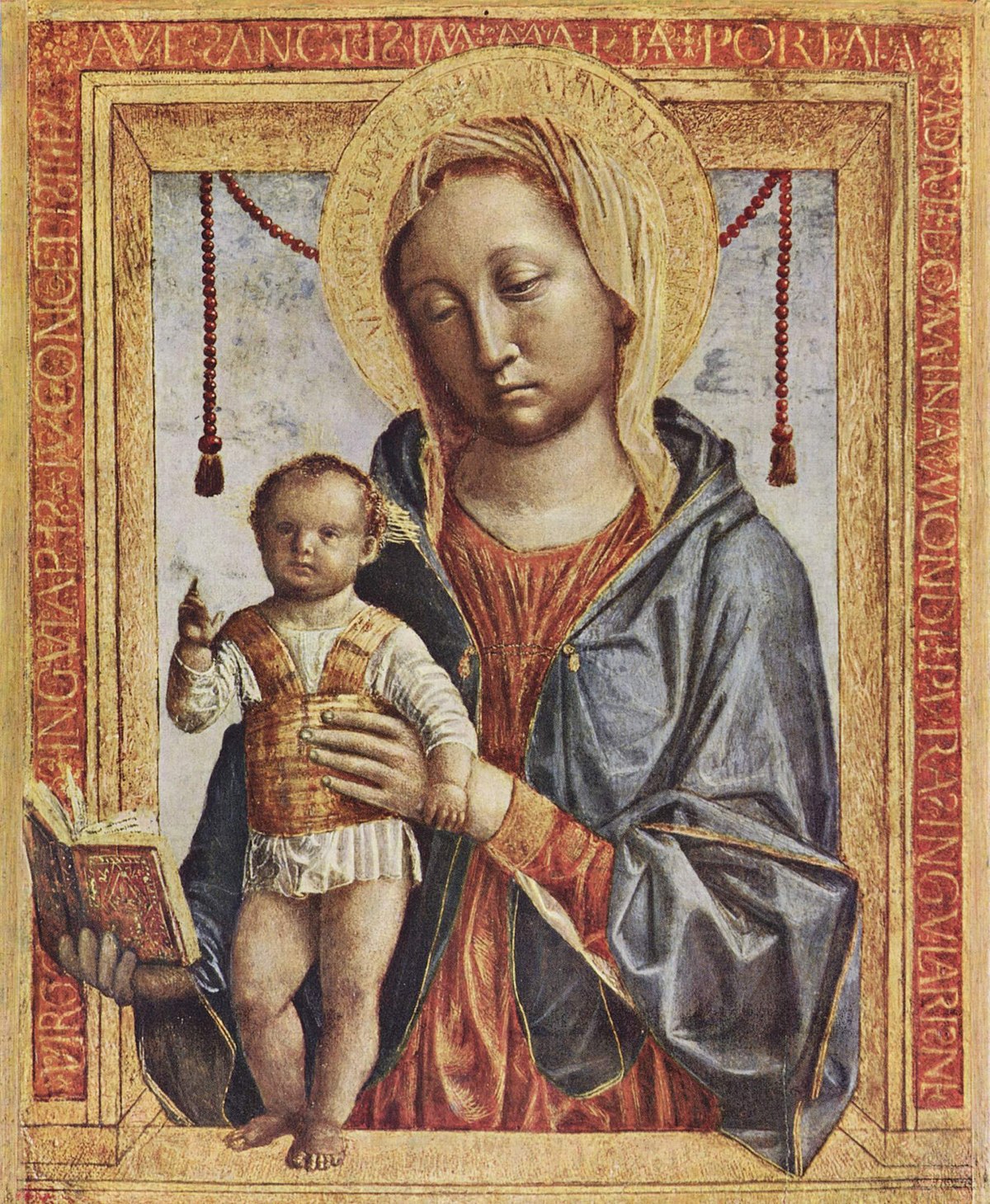
Hands of a Scholar and Evangelist
The hands of St Luke are particularly noteworthy, acting as focal points within the composition. Raised slightly above his body, they suggest both an act of offering and a gesture of pointing – perhaps towards the Gospel he is holding, or even to God himself. The detail in their rendering—the subtle veins, the delicate musculature—demonstrates Foppa’s meticulous attention to anatomical accuracy, a hallmark of Renaissance art. The ambiguity surrounding the objects held in his hands adds another layer of intrigue; while often interpreted as representing the Gospel of Luke, the second object remains deliberately obscured, inviting viewers to contemplate its symbolic significance. This deliberate withholding of clarity is not simply an artistic choice but reflects the complex and layered nature of faith itself.
A Symphony of Light and Shadow – The Lombard School’s Influence
Foppa's style firmly places him within the Lombard school, a movement that emerged in Northern Italy during the early 15th century. Unlike the High Renaissance ideals dominating Florence and Rome, the Lombard school prioritized a more intimate and emotionally resonant approach to painting. The use of diffused light, characteristic of fresco techniques, creates an atmospheric quality, bathing the scene in a soft glow. The influence of artists like Gentile da Fabriano and Pisanello is readily apparent – particularly in the delicate rendering of drapery and the expressive faces of the angels. The slightly elongated figures, a common feature of the Lombard style, contribute to a sense of grace and elegance. The background elements—the architectural details and floral motifs—further enhance this atmosphere, suggesting an interior setting within a sacred space.
Historical Context and Artistic Legacy
The creation of St Luke’s fresco coincided with a period of significant artistic and political change in Milan. The Sforza family, powerful dukes who ruled the city, were major patrons of the arts, commissioning works that reflected their wealth and prestige. Foppa's work is therefore inextricably linked to this vibrant cultural environment. His dedication to his craft, coupled with his technical skill and artistic vision, solidified his position as a leading figure in the Lombard school. Though relatively few of his paintings survive, St Luke’s fresco remains a powerful testament to his legacy – a serene and evocative depiction of faith, scholarship, and the enduring beauty of Renaissance art. It's a piece that invites contemplation and offers a profound connection to the artistic traditions of Northern Italy.
Küsimused ja vastused
Kust Vincenzo Foppa korduvad teemad St Luke kohta peegeldavad?
"St Luke" kujutab teemasid st luke, fresco, renaissance, angel, halo, gospel, lombardy, samal ajal kui Vincenzo Foppa tuntud teemad on bellini, mantegna, sforza patronage, christian iconography, divine presence, milanese religious art, civic pride, lombard school. Nende kahe võrdlemine näitab, kuidas teos seobub kunstniku tavalistega motiividega.
Kust saan osta teose „St Luke“, autor Vincenzo Foppa käsitsi maalatud reproduktsiooni?
Teose „St Luke“, autor Vincenzo Foppa käsitsi maaldatud reproduktsiooni saab tellada otse selle Käsitsi maalatud reproduktsioon lehelt: käsitsi maalatud õlireproduktsioon linaelapale, valmistatud tellimusest.
Mis on soovitatav trükimõõt teosele "St Luke"?
Teosele „St Luke“, autor Vincenzo Foppa on soovitatav printida suuruses Large. Suurust saab muuta, säilitades samal ajal proportsioonid.
Kunstniku elulugu
Lombard Visionaar: Vincenzo Foppa elu ja kunst
Vincenzo Foppa, nimi, mis võib olla vähem kohelt tunnistematav kui tema renessansikaalude kaasaegsete nimed, paistab samas olulise isiku kohalt Itaalia kunsthistoorias. Sündinud umbes 1427. aastal Bagnolo Mella's, lähed Brescia'd, emergeneeris Foppa kui varajase Lombard oskusoleku peavärvilugtu, luues erdistuva stiili, mis segas gotilisi traditsioone kasvava humanismi ideaalidega. Tema karjääri arenes peamiselt suure Sforza-pereme patronaaži all, Milaniku düked, ja tema mõju kõlas läbi Lombardia ja Liguria, enne kui ta pöördus oma sünnilaste Brescia'sse viimasele aastale, ning suri 1515. Kuigi jäljepääskev teoselu luuseum on suhteelliseelt väike – kahetsusväärne tagajärg ajast ja oluvest – jääb Foppa kunstnoolse visiooni mõju sügavalt nähtavaks Põhja-Itaalia maalingu arenguks.Areeni aastad ja kunstlik pagu
Kunstscena Brescia's ajal Foppa's noortes aastates ei olnud eriti elav, mis nõudis koolituse otsimist teises kohas. Tema õppniku details jäävad mõnda saladuslikkuse varjuga, kuid on selge, et ta läks kunstlikule pagule, et absorbeerida era vallitsevaid stiile ja tehnikaid. Varajased mõjud on tema tööd nägemisel selgelt nähtavad: Gentile da Fabriano delikate liirika Brescia's Broletto kapelis freskoos ja Jacopo Bellini peenestele *Annunciation* teostele. Viimane kunstnik tundub olnud eriti tugev mõju, kuna mõned teadlased arvestavad, et Foppa võis olla isegi tema juures otse õppinud. Teised potentsiaalsed mentorid on Bonifacio Bembo, samas kui spekulatsioon viitab ka varajase koolituse Padua's Francesco Squarcione all. Kuid tema varasemad teosed paljastavad stiililisi sarnastusi Pisanello ja Gentile da Fabrianoga, mis paljut võtab endale, et formaalne õppimine toimus tõenäoliselt Verona's – linna, mis oli sel ajal kunstliku innovatsiooni keskpunkt. See absorbeerimise ja eksperimenterimise periood laitis alusta Foppa ainulaadse erinevate mõjude sünergia jaoks.Sforza patroonatsioon ja Lombard innovatsioonid
Foppa's sõjatuse muutis dramaatiliselt, kui ta jõudis düke Francesco Sforza tähelepanu Pavia's umbes 1458. Tema oskused kinnitasid kiiresti encomendaid, sealhulgas prestžiilne projekt Genova's – freskood St. John the Baptist kapelisse katedraalis, mille kahetsuslikult kadus 16. sajandi renoveerimisainete ajal. Sforza'ilt saadud särav soovitusleter avas uksi edasiste võimaluste jaoks, ja 1463. aastal kutsuti Foppa ise Milanisse. Siin võttis ta omasega olulised projektid vastu, nagu freskood uue Ospedale Maggiore portiikile ning sarja keerukaid dekoratsioone Milano Medici pankis. Need viimased teosed on eriti märkimisväärsed, kuvades kaheksa Rooma keempere, sealhulgas Trajan detailse skitsiga, rinnakubastates draamatiselt portreedi Francesco Sforza ja tema pereli. See periood oli see aeg, mil Foppa tõeliselt paigutas Lombard oskusoleku tunnusmärkide. Tema maalingud alustasid näidata erdistuvat hallikast toonivärvi nahakuvustes, omadust, mis saaremas suuresti imiteeriti edaspidiste kunstnike poolt. Ta mestrilikult segas gotilist elegaanti perspektiivi ja naturalismi kasvava renessansiprintsiippidega, luues kompositionsione, mis olid nii visuaalselt võotavad kui ka intellektuaalselt huvitavad. The Young Cicero Reading, Medici pankade freskoodetel ülejäänud ainus sekulaarne fragment – nüüd Londonis Wallace Collection's kogudes – illustreerib seda sünergia, näites Foppa võime pöörata psykoloogilist sügavust ja narratiivset keerukust.Jääks ja ajalooline tähtsusega
Kuigi paljudest tema teostest on kadunud, oli Vincenzo Foppa mõju Lombard maalingu arengul sügav. Ta paigutas piirkondliku stiili, mis nägi luikena varajase gotika perioodi ja kõrge renessanssi vahel. Tema rõhutamine realistlikku esitamist, ühendatud peenega värvi ja kompozitsiooni gevoeliga, teel edasi kunstnikute jaoks nagu Vincenzo Civerchio ja Girolamo Romanino. Giorgio Vasari, kuulsus kunstihistorik, tunnistas Foppa ühe suuraimat maalajat oma ajast – tõestuseks tema oskusest ja maine kohta elukorra jooksul. Foppa kunstlik kahtumine venib üle puhta stiilileemitamise piiride. Ta näitas märkimisväärset võimega kohandada ja sünergiseerida erinevaid mõjude, luues unikaalselt Lombard maestetiikat, mis peegeldas tema ajast kultuurlikku ja poliitilist maisma. Tema töö embodies innovatsiooni ja eksperimenterimise vaimu, muutes teda mitte ainult mestri käsitsi töötaja, vaid ka visionaalse kunstniku, kes aitab vormida Itaalia renessanssi maalingu kurssi. Vincenzo Foppa, kuigi võib-olla vähem tähistatud kui mõned tema kuulsaimad kaasaegsed, jääb eluliselt isikuks 15. sajandi kunst rikkliku kudeliku tõusu mõistmisel Põhja-Itaalias.
Vincenzo Foppa
1427 - 1515 , Itaalia
Lühikest infot
- Artistic Movement Or Style: Varane renessaans
- Artists Or Movements Influenced By This Artist:
- Vincenzo Civerchio
- Girolamo Romanino
- Artists Who Influenced This Artist:
- Jacopo Bellini
- Gentile da Fabriano
- Date Of Birth: 1427
- Date Of Death: 1515
- Full Name: Vincenzo Foppa
- Nationality: Itaalia
- Notable Artworks:
- Madonna ja laps
- Kriistus (1456)
- Noor Cicero lugemine
- Place Of Birth: Bagnolo Mella, Itaalia
Sarnased artiklid

Capturing the Grey Light: A Journey Through the Soulful Atmosphere of the Hague School
Explore the evocative beauty of the Hague School. Discover how Dutch masters captured the soulful 'grey light' through atmospheric realism and tonalism, paving the way for Impressionism. A deep dive into the misty landscapes and emotional depth of this legendary art movement.

The Eternal Glow of Fresco: Capturing Light, Spirit, and the Timeless Majesty of Wall Art
Discover the enduring beauty of fresco painting. Explore the history, technique, and spiritual depth of mural art, from Michelangelo to modern luxury design. Learn how to bring the timeless glow of masterworks into your home through exquisite, hand-painted reproductions.