


 Vaata sisu
 Jaga teost
 Jaga
Jaga
 Detailid
 Õppekate juhend

 Laadi alla
 Sarnased teosed
 Röntgenuuring
 Slaidietendus
 Statistika
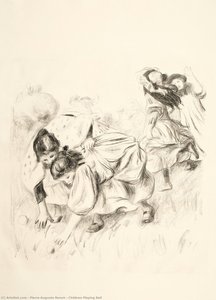
Children's Dance
 Painting
- Harlem Renaissance
 1941
1941- Modern
 94.0 x 86.0 cm
A vibrant and energetic depiction of children playing in the grass by Harlem Renaissance master William H. Johnson captures a joyful moment of communal play that invites you to bring this soulful piece into your collection.
 Loe lähemalt
William H. Johnson (1901-1970) oli oluline Harlem Renaissance’i maalikunstnik, tuntud väljendusrikaste portreedega ja afroameerika elu kujutavate rahvakunstistiilis teostega. Avastage tema võimsaid modernseid töid!
Sellel lehel kuvatav kunstiteos on kaitstud autoriõigusega, mis tähendab, et meil ei ole seaduslikku õigust luua või müüa identset reproduktsiooni. Seda kaitset rakendatakse rahvusvaheliste kokkulepete alusel, nagu näiteks Berne konventsioon ning riiklike seadustega, sealhulgas nendega, mida on sätestatud USA autoriõiguse seadus – 17. peatükk.
See meetod järgib täielikult autoriõiguse reegleid, kuna see ei põhine kaitstud kunstiteose kopeerimisel või dupliteerimisel. Selle asemel on tegu loova reinterpreetatsiooniga – uue maaldisega, mis on algteosest inspireeritud, kuid ei ole sellest identiline.
Giclée / Kunstiprint
Muuseumikvaliteediga giclée- või kangasprint kiire tootmisega ja paindlikud viimistlusvõimalused. ( Telli käsitsi maalitud reproduktsioon Ülemineku digitaalse pildi müügi kanalisse)




P118B €10

P118H €10

P118W €10

P438Z €10

P508JH €12

P508YH €12

P805H €10

P805Z €10

P919BZ €10

P919G €10

P919XJ €10

P959ZH €10

P968JZ €12

W106C €8

W218G €10

W218JH €8

W218Y €10

W307PJ €10

W316G €10

W316PJ €8

W316Y €10

W398PJ €8

W4111J €10

W500HY €15

W500JH €15

W692G €12

W849H €8

W940BG €15

W953PJ €8




Standardne suurus
kohandatud
CM
INCH
Vali meie eelmääratud suurused, mis vastavad teose algupärastele proportsioonidele.
Loading sizes...

laius
kõrgus
Sisestage vajalik laius ja kõrgus, et see sobiks teie raamile või seinale. Trükki saab ainult lõigata, seda ei saa kunagi pildist suuremaks teha, seega ka differentse vormiga suurus kaotab osa pildist. Enne trükkimist saadame teile kinnitamiseks digitaalse näidisprojektsiooni. Sellel lehel näidatud pilt ei kujuta reaalset lõiget — seda näitab ainult näidisprojekttsioon.
Ülemaailmne tarne () 2 nädala jooksul, tavalise 4/5 nädala asemel. (25 oktoober)

Tasuta ekspresssaatmine üle maailma

Kõrgekvaliteediline lina-kangastest muld

Täielik transpordikindlustus

Tollimaksude tagastamise garantii

Värvitoime täpsuse garantii

100 päeva tagastusõigus (ainult defektide korral)

100% raha tagasi garantii

Hulgusoodustus
 Klaasivalik on saadaval ainult kuni 110 cm suuruses teostes

Children's Dance
Giclée / Kunstiprint
Reproduktsiooni mõõtmed
-


Lõppsumma
€ 61
A Symphony of Joy: Rediscovering William H. Johnson’s Children's Dance
In the vibrant tapestry of American modernism, few works capture the pure, unadulterated essence of communal joy quite like William H. Resilient Johnson’s Children's Dance. Painted in 1941, this masterpiece serves as a window into a world where movement and melody intersect with the simplicity of childhood. The canvas unfolds with a rhythmic energy, presenting a group of children lost in the spontaneous choreography of play. As they dance amidst the lush greenery, their figures become part of a larger, living pattern, much like the syncopated beats of the jazz era that defined Johnson’s contemporary landscape. The presence of a faithful dog near the center and the quiet domestic details—a solitary chair and scattered bottles—ground this exuberant scene in a sense of lived reality, suggesting a sun-drenched afternoon where time itself seems to pause for the sake of delight.
Johnson’s unique stylistic language is on full display here, blending the sophisticated structural elements of modernist abstraction with the soulful, honest textures of folk art. His technique avoids the heavy, academic shadows of traditional realism, opting instead for bold, flat planes of color that allow the light to dance across the surface of the painting. The figures are rendered with a striking, rhythmic simplicity; their limbs and postures are expressive yet stylized, echoing the geometric grace found in African-inspired iconography. This approach does not merely depict a scene; it translates the feeling of motion into visual form. For the discerning collector or interior designer, this piece offers a profound sense of vitality, its bright palette and dynamic composition acting as a focal point that breathes life and warmth into any sophisticated space.
Beyond its aesthetic brilliance, Children's Dance carries a deep emotional resonance rooted in the artist’s heritage. As a pivotal figure of the Harlem Renaissance, Johnson possessed an unparalleled ability to weave themes of resilience and cultural identity into his work. While the subject matter appears lighthearted, there is an underlying strength in the way he celebrates community and the shared human experience. The painting acts as a celebration of life's enduring spirit—a testament to the idea that even amidst the complexities of history, moments of pure, collective harmony are possible. To possess a reproduction of this work is to invite not just a beautiful object into one's home, but a piece of American history that speaks of hope, movement, and the eternal magic of a shared moment in the sun.
Küsimused ja vastused
Millist suurust ja orientatsiooni soovitatakse teosele „Children's Dance“, autor William H. Johnson trükkimisel?
Large suurus, Square orientatsioon: see on teosele „Children's Dance“, autor William H. Johnson soovitatud trükkimise seadistus.
Kuidas tehnika ja stiil teoses "Children's Dance" kokku saavad?
„Children's Dance“, autor William H. Johnson ühendab endas Painting tehnikat ja Harlem Renaissance stiili. Tehnika ja suundumus kirjeldavad teose valmistusviisi ja stiili.
Mis tüüpi teos on "Children's Dance"?
Teos „Children's Dance“, autor William H. Johnson on klassifitseeritud kui wall art. See kategooria kirjeldab originaalteose kunstivormi.


Kunstniku elulugu
William H. Johnson: Vastupidavuse ja Visiooni Hääl
William Henry Johnson (1901–1970) on Ameerika kunstiajaloo nurgakivi, eriti Harlem Renaissance elava kangas. Sündinud Florence’is, Lõuna-Carolinas, algas tema kunstiline teekond Jim Crow Ameerika keerukustes, mis kujundasid tema maailmavaadet ja sügavalt mõjutasid tema eristuvat visuaalset keelt – modernse abstraktsiooni ja juurdunud rahvatraditsioonide segu, mis kestab tänini. Johnsoni varased aastad andsid talle sügava ühenduse afroameerika kultuuri ja vaimsusega. Ta omandas mõjutusi gospelmuusikast, põlvkondade kaudu edasi antud jututraditsioonidest ning Yoruba religiooni ikonograafiast, mis said oluliseks osaks tema kunstiprotsessis. See suuline traditsioon tõlgiti lõuenditele, mis olid täis sümboolset kujundit – vaimusid, loomi ja geomeetrilisi mustreid –, mis edastasid lugusid võitluseist, vastupidavusest ja vaimsest ületungimisest. Tema kunstiline areng toimus üle mandrite, Euroopast Mehhikosse, kus ta lihvis oma oskusi katsetades erinevate meediumitega, sealhulgas õlimaaliga, vesivärviga ja kollaažiga. Ta omaksid tehnikaid nagu impasto – paksu pigmendi kihtide pealekandmine –, et anda oma maalidele käegakatsutavat tekstuuri ja emotsionaalset intensiivsust. See lähenemine kajastas ekspressionismile omast väljenduslikku innukust, kuid Johnson säilitas ainulaadse esteetika, mis oli juurdunud tema isikupärases päritolus. Johnsoni loomingut iseloomustab hämmastav mitmekesisus teemades – portreed, mis tabavad afroameeriklaste väärikust ja vastupidavust, maastikud, mis kujutavad Lõuna-Carolinas maapiirkondade ilu, ning fantaasiarikad visioonid, mis uurivad mütoloogia ja vaimsuse teemasid. Tähelepanuväärsed tööd hõlmavad “Must Kristus” (1938), monumentaalset lõuendit, mis on täis Yoruba sümbolismi ja väljendab võimsalt usku ja kaastunnet; "Suur Vaim" (1964), mis kehastab Johnsoni šamaaniliku kujunduse uurimist ja vaimset otsingut; ning “Must poiss” (1937), südant puudutav kujutus nooruslikust süütusest, mis seisab silmitsi raskuste ees. Johnsoni kunstiline areng ei piirdunud ainult stiililise evolutsiooniga. Ta reisis laialdaselt, õppides ja ammutades inspiratsiooni erinevatest kultuuridest. Euroopas puutus ta kokku modernismiliikumistega, mis mõjutasid tema varaseid töid. Kuid Mehhikos avastas ta sügava ühenduse rahvakunstiga ja pre-kolumbia kunstiga, mis aitas tal arendada oma ainulaadset visuaalset keelt. Ta hakkas lõuenditele lisama sümbolismi ja kujundit, mis viitasid tema afroameerika päritolule ja vaimsusele.Harlem Renaissance’i Hing
Johnson naasis 1930. aastatel Ameerikasse ja said Harlem Renaissance'i silmapaistvaks figuuriks. Ta pühendas oma kunsti afroameeriklaste elukogemuste kujutamisele, keskendudes nende võitlusele, vastupidavusest ja vaimsusele. Tema portreed olid eriti mõjuvõimsad, kuna need tabasid tema mudelite väärikust ja tugevust. Ta maalis ka stseene igapäevaelust Harlemi linnakvartalis, kujutades muusikuid, tantsijaid ja tavalisi inimesi. Tema loomingut iseloomustas ainulaadne stiil, mis ühendas modernse abstraktsiooni ja rahvatraditsioonid. Ta kasutas julgeid värve, lihtsaid vorme ja sümbolismi, et edastada oma teemade emotsionaalset intensiivsust. Tema tööd olid mõjutatud ekspressionismist, kuid tal oli ka tugev seos afroameerika kunstipärandiga. Ta kasutas lõuenditel kujundit ja sümbolit, mis viitasid Yoruba religioonile, gospelmuusikale ja muudele afroameerika kultuurielementidele.Tehnikad ja Sümbolism
Johnsoni maalitehnika oli eriti väljenduslik. Ta kasutas sageli impasto-tehnikat, pealekandmist paksu pigmendi kihte, et anda oma töödele käegakatsutavat tekstuuri ja kolmemõõtmelisust. See tehnika aitas tal luua dünaamilisi ja emotsionaalselt intensiivseid kompositsioone. Ta kasutas ka julgeid värve ja lihtsaid vorme, et rõhutada oma teemade olulisi elemente. Tema loomingus mängib suurt rolli sümbolism. Ta kasutas lõuenditel kujundit ja sümboleid, mis viitasid tema afroameerika päritolule ja vaimsusele. Näiteks “Must Kristus” (1938) on täis Yoruba sümbolismi, mis väljendab usku ja kaastunnet. Ta maalis ka loomi, taime ja geomeetrilisi mustreid, mis viitasid tema mudelite kultuurilisele päritolule ja vaimsetele veendumustele.Pärand ja Mõju
William H. Johnsoni pärand ulatub kaugele tema kunstiliste saavutuste piiridest. Ta oli oluline õpetaja ja mentor, kes aitas kaasa noorte kunstnike talentide arendamisele, kes omaksid sarnaseid stilistilisi uurimusi. Tema mõju on näha järgnevatel põlvedel afroameerika maalikunstnikke, kes otsisid identiteedi ja kultuuripärandi kogemuste artikuleerimist uuenduslike visuaalsete sõnavarade kaudu. Tänapäeval asuvad Johnsoni maalid mainekates muuseumides üle maailma – sealhulgas Smithsonian American Art Museum ja Hampton University Museum –, mis on tunnistuseks nende püsivale kunstilisele väärtusele ja ajaloolisele tähtsusele Harlem Renaissance'i pühendumise embleemidena musta elu ausalt ja väärikalt kujutamisele. Tema looming jätkab inspireerimist ja väljakutset, pakkudes sügavat sissevaadet afroameerika kogemustesse ning kunstniku võimele ületada piire ja luua universaalselt resonantsi tekitavaid teoseid.Olulised Tööde Valik
- Must Kristus (1938): Monumentaalne lõuend, mis on täis Yoruba sümbolismi ja väljendab võimsalt usku ja kaastunnet.
- Suur Vaim (1964): Kehastab Johnsoni šamaanilise kujunduse uurimist ja vaimset otsingut.
- Must poiss (1937): Südant puudutav kujutus nooruslikust süütusest, mis seisab silmitsi raskuste ees.
- Sir William Johnsoni medalite esitlus indiaanlastele (1938-1939): Seeria maale, mis uurib ajaloolisi sündmusi ja afroameeriklaste rolli Ameerika ajaloos.
- William Johnson Fox (1940): Portree afroameerika mehest, kes kujutab tema väärikust ja tugevust.

William H. Johnson
1901 - 1970 , USA
Lühikest infot
- Artistic Movement Or Style: Harlemi renessanss; Ekspressionism
- Artists Or Movements Influenced By This Artist: ['Ekspressionism']
- Artists Who Influenced This Artist: ['John Wollaston']
- Date Of Birth: 1901
- Date Of Death: 1970
- Full Name: William Henry Johnson
- Nationality: Ameeriklaste rahvuslane
- Notable Artworks:
- Sir William Johnson...
- The Black Christ
- Black Boy
- Place Of Birth (City And Country): Florence, USA
Sarnased artiklid

Echoes of Tradition: Exploring the Enduring Legacy of Folk Art Movements
Explore the rich history of folk art movements worldwide! Discover definitions, notable artists, and the enduring legacy of this captivating tradition. Expert insights & high-quality reproductions at TopImpressionists.

William H. Johnson: A Life Painted in Bold Strokes – Race, Identity & Modernism
Explore the powerful life & art of William H. Johnson – a pivotal American painter who captured African American experiences with bold expressionism and folk art style. Discover his legacy at TopImpressionists.

Playful Masterpieces: Top 10 Artworks for a Joyful Home | TopImpressionists
Find joy & inspiration! Explore 10 playful masterpieces by Monet, Matisse & more. Discover art history, vibrant colors & uplifting stories behind these iconic paintings. Museum-quality reproductions at TopImpressionists.com – explore the full collection online!

Top 10 Artworks That Radiate Joy: Masterpieces for a Happier Home | TopImpressionists
Find joy & inspiration! Explore 10 iconic artworks – Van Gogh, Monet, Renoir & more – that radiate happiness. Discover the stories behind these masterpieces and bring uplifting art into your home with museum-quality reproductions from TopImpressionists.com.

The Soul of Tradition: Exploring the Vibrant Heritage and Naive Mastery of Global Folk Art
Discover the profound beauty of folk art through a cultural lens. Explore how naive masterpieces and vibrant global traditions preserve heritage, offering timeless inspiration for collectors and art enthusiasts seeking authenticity and soul in every brushstroke.