

 Vaata sisu
 Jaga teost
 Jaga
Jaga
 Detailid
 Õppekate juhend

 Laadi alla
 Sarnased teosed
 Röntgenuuring
 Slaidietendus
 Statistika
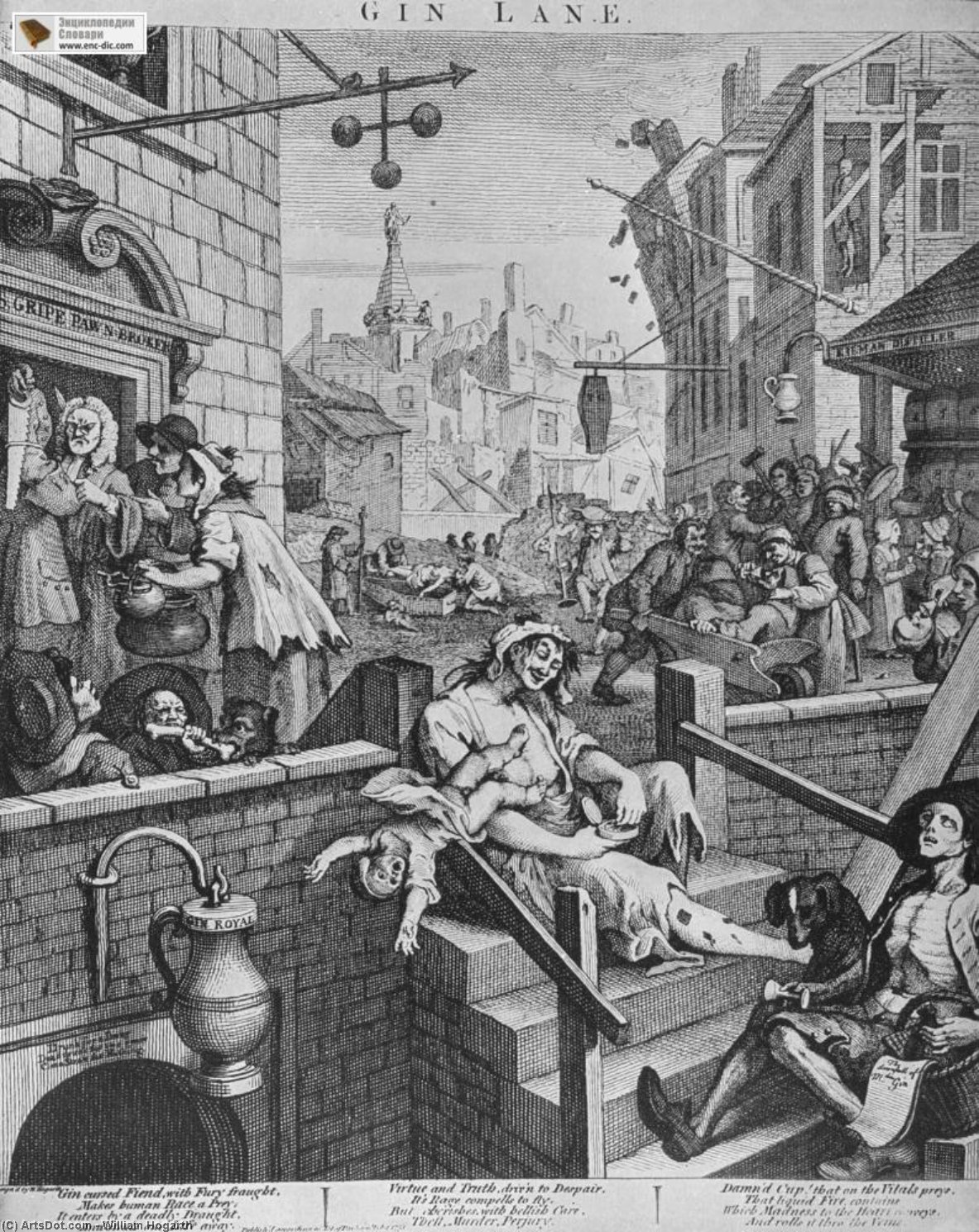
Gin Lane
 Engraving
- WallArt
- Moralistic Engraving
 1750
1750- Early Modern
 359.0 x 341.0 cm
Explore William Hogarth’s "Gin Lane," a stark 1750 engraving depicting London’s social decay & gin addiction. A powerful, detailed masterpiece of English moralistic art.
 Loe lähemalt
William Hogarth oli inglise maalikunstnik ja graveerija kes tunnustati suuresti oma innovaatiliste kirjelduvate kunstiteoste eest ning hiljemalt ka selle maailma mõjutamise eest. Tema suurimaks saavutuseks oli uus kunstiliik – moraalseid teemasid käsitlevad sarjad, mis olid täielikult erinevad eelmistelt töödele ja pakkusid kriitilist suhtumist tolleaegsete probleemide kohta. Lisaks sellele oli Ho
Ostke kõrglahutusel ja täiustatud digitaalne pilt, mis on oluliselt parem kui veebilehel näidatud eelvaade.
Iga fail on meie spetsialistide poolt hoolikalt ette valmistatud, kasutades kaasaegseid tööriistu ja professionaalset käsitsi retušeerimist. Tagame, et igal pildil on erakordne selgus, täpne värvitäpsus ja peen detail.
Lõplik fail saadetakse e-posti teel 72 tunni jooksul ning on optimeeritud koheseks kasutamiseks professionaalsetes, toimetuslikes ja trüki keskkondades. See on sama kvaliteet, mida usaldavad tipptasemel disainistuudiod, kirjastused ja galeriid.
Digitaalne pilt
Laadi alla kõrge resolutsiooniga fail isiklikuks vaatamiseks, trükkimiseks ja loomingulisteks projektideks. ( Lülita trükkitoodetele Telli käsitsi maalitud reproduktsioon)
Sisse kuulub iga digitaalse pildi tellimusega
Professionaalne digitaalne kohaletoimetamine, garanteeritud
Valides TopImpressionists.com, ei saa sa lihtsalt pilti – saad professionaalselt parandatud digitaalse teose, mida on valmistatud täpsusega ja mis on toetatud rahuldamatusgarantiiga. Siin on kõik, mis sinu tellimusega automaatselt kaasneb:

Kiire e-posti edastus
Teie kõrge resolutsiooniga digitaalne pildifail saadetakse teile e-posti 72 tunni jooksul pärast tellimist – kohe kasutamiseks valmis.

Tehisintellektiga täiustatud digitaalne fail
Teie teos on professionaalselt optimeeritud arenenud tehisintellekti tööriistade ja käsitsi redigeerimise abil, tagades maksimaalse detailitaseme, selguse ja värvitäpsuse.

Tasuta eluaegne uuesti saatmine
Kas kustutasid faili kogukalu unustamisel või kustutamisel? Puudub mure – saad selle uuesti igal ajal ilma lisatasuta.

Puuduvad importimaksud – alati
Nautige oma teoseid koheselt ilma tolli-, maksude või tarnimaskuludeta – digiletchargused on alati maksuvabadud.

Värvitäpsuse garantii
Me tagame, et teie digitaalne pilt kajastaks originaali värve professionaalsete tööriistade ja värvihalduse abil võimalikult täpselt.

100 päeva rahuldamatuse garantii
Kui te ei ole oma digitaalse pildi eest rahul, siis me parandame seda või tagastame 100% summast 100 päeva jooksul – küsimusteta.

100% raha tagastamise garantii
Ei ole rahul? Saate täielise tagastaja 100 päeva jooksul pärast digitaalse faili kättesaamist – ilma küsimusteta.

Suurema tellimuse soodustused
Osta 3 pilti, säästa 10% - Osta 5, säästa 15% - Osta 10+, säästa 20%. Sobib suurepäraselt loomingulisteks projektideks, galeriideks ja agentuurideks.
A Descent into London’s Shadows
In the heart of 18th-century London, amidst the swirling fog and the growing shadows of social upheaval, William Hogarth captured a moment of profound human tragedy that continues to haunt the viewer centuries later. His masterpiece, Gin Lane, is far more than a mere engraving; it is a visceral, breathing chronicle of a city in the throes of moral and physical decay. Completed in 1751, this work serves as a searing indictment of the "Gin Craze," a period when the cheap, accessible spirit flooded the streets of London, leaving a trail of broken families and shattered lives in its wake. As one gazes upon this intricate tableau, the sense of claustrophobia is immediate. The composition is a deliberate chaos, a densely populated lane where figures overlap and collide, creating an overwhelming atmosphere of misery that pulls the observer into the very center of the struggle.
Hogarth, a master of social satire and a keen observer of the human condition, employs a technique that breathes life into the grim reality of his subject. Through the meticulous use of hatching and cross-hatching, he achieves a remarkable tonal variation that defines the textures of a crumbling urban landscape. The starkness of the black and white medium enhances the dramatic lighting, casting deep, heavy shadows that seem to swallow the figures whole. Every line is purposeful, serving to delineate the skeletal forms of the suffering and the jagged, angular architecture of the decaying buildings. This precision allows the viewer to witness the fine details of despair—the slumped posture of a man lost to intoxication, the frantic movements of those caught in the grip of poverty, and the chilling stillness of death that permeates the scene.
Symbolism and the Weight of History
Beyond its surface-level depiction of poverty, Gin Lane is rich with symbolic language designed to provoke deep contemplation and social reform. Hogarth meticulously placed emblems of excess throughout the lane; overflowing gin barrels stand as silent sentinels of corruption, while the very architecture seems to be collapsing under the weight of vice. The presence of decaying bodies and the neglect of the innocent—such as the heartbreaking depiction of a mother unable to care for her child—act as powerful metaphors for the erosion of the social contract. This was not art created for mere decoration, but art intended to galvanette public opinion. It was part of a larger reformist movement, designed to be viewed alongside its counterpart, Beer Street, to contrast the perceived stability of traditional brewing with the destructive anarchy of the gin epidemic.
For the modern collector or interior designer, bringing a high-quality reproduction of this work into a space offers more than just a historical artifact; it introduces a profound narrative depth. The piece possesses an undeniable emotional gravity that commands attention, making it a striking focal point for those who appreciate art that challenges the status quo and explores the complexities of the human spirit. Whether placed in a study filled with historical texts or as a bold, monochromatic statement in a contemporary gallery-style room, Gin Lane serves as a timeless reminder of the power of art to act as a mirror to society, capturing the eternal struggle between chaos and order, and vice and virtue.
Kunstniku biograafia
Londoni elu tintides ja värvides: William Hogarthi maailm
William Hogarth, kes sündis 1697. aastal 18. sajandi Londoni puldavas südames, oli olnud palju enamat kui lihtsalt kunstnik; ta oli visuaalne ajaloolane, inimliku looduse terav vaatleja ja oma ajastu ühiskondlike voogude satiiriline kommentator. Tema elu lugu on lahutusmatult seotud Inglismaa lõimuga suurepärase transformatsiooni perioodil – selle kasvavate ambitsioonide, peitliste ärevuste ja igasuguse hiiliva ebaauskusega, mis leidsid kõigi nende jõukase väljenduse tema hämmastavalt detailsetes ja sageli teravates teostes. Kui ta oli vaevaastunud latini kooli õpetaja poeg, siis Hogarthi varased kogemused sisaldasid temas nii armastus õppimise vastu kui ka teravat teadlikkust sotsiaalsetest ebavõrdsustest – see alus tõususki tema kunstilise visiooni kujundamiseks. Algul oli ta õppinud graveerija juures, kuid demonstreeris kiiresti talenti, mis ulatus kaugele puhtast tehnilisest oskusest; tal oli loomulik võime märkida inimkäitumise nüansse ja tõlkida need kaasahaaravaks visuaalseks narratiiviks. Kuid ta ei suutnud piirata end traditsimoonse graveerimise raamides, otsides oma kasvavale loovusele ekspressiivsemat väljundit. See juhtis teda nii St Martin’s Lane Academiale kui ka Sir James Thornhilli õppetööle, kus ta täisas oma oskusi maalias ja kompositsioonis, imeldes mõjutusi, mis hiljem tema unikaalset stiili määrasid.Kaasaegsete moraalsete teemade sünnik Hogarthi tõeline innovatsioon ei olnud pelgalt selles, *mida* ta maalis, vaid *kuidas*. Ta tõi vastu maailma, mida nimetas „kaasaegseteks moraalseteks teemade sarjadeks“ – piltide kordade, mis olid loodud jutustama lugu, sageli tugeva satiilse teravusega. Need ei olnud üksildased portreid või maastikud; need olid visuaalsed romaanid, mis avanesid vaataja silme ees, pakkudes teravat kommentaari ajastikus ühiskonnale. 1742. aastal loodud A Harlot's Progress (Lootuse kadutus) on ehk tema kuulsaim näide. See kuuest maalist koosnevas sarjas jälgib hoolikalt Mary tragöödia – noore naise, kes saabus Londoni täis lootust, kuid lõpuks allujub linnaelu kiusatustele ja ohtudele. Iga stseen on kujundatud ääretult detailsetult, täidetud sümbolitega, mis paljastajavad teda ümbritsevat moraalset lagunemist. Sarnaselt sellele jutustab 1733. aastal alustatud A Rake's Progress (Lõbusmehe kadutus) Tom Rakewelli hoolimatut langust – mehe, kes pillerdab oma pärandi kumalatust mängu, debaušis ja lõpuks madnessuses. Need ei olnud pelgalt hoiatused; need olid kangevaatluslikud portreetsid ühiskonnast, kes võitles klasside, moraalist ja sotsiaalse liikuvuse probleemidega. Hogarthi genius peitus tema võimes tõsta igapäevased stseenid – Londoni puldavad tänavad, rikkate luksuslikud siseõued, vaestade rängad elud – kunstiteosteks, mis kõlastasid oma publikut sügavalt. Ta ei kartnud kujundada elu karmid reaalsused, esitades need naudingi ja patoosiga segatud viisil, mis sundis vaatajatele seisata silm saamatu tõdigusega nii endaga kui ka oma ühiskonnaga.
Tehnika ja mõjud: stiilide sünd Hogarthi kunstiline stiil oli mitmekoloogiliste mõjudude unikaalne amalgami. Ta austas suuresti hollandi žanripittide, nagu Pieter de Hoochi, realismit ja narratiivset detailset kuju, mis on nähtav tema hoolikas siseõude ja igapäevase elu kujundamises. Ka Prantsimaas loodud satiilised joonised mängisid rolli tema sotsiaalse kommentaari lähenemise vormimisel. Kuid Hogarth ei imiteerinud neid allikaid lihtsalt; ta sünteetiseeris need midagi täiesti uut ja selgelt oma kätte. Tema tehnikat iseloomustas meistraline jooneline ja varjundite kasutamine, mis on eriti ilmne tema graveerides. Ta kasutas eripärast ristivarjunduste tehnikat (cross-hatching), mis lõi sügavust ja tekstuuri, tuues oma stseenid elavaks üllastava selgusega. Tal oli ka erakordne silm kompositsioonile, korraldades kadrame sees figure ja objekte nii, et luua dünaamilisi ja kaasahaaravaid lugusid. Lisaks visuaalsele kunstile oli Hogarthit mõjutanud kirjandus, eriti Jonathan Swifti ja Henry Fieldingi teosed, kelle satiiriline vaim juhendas tema enda sotsiaalseid tähelepanuid. Ta uskois, et kunst ei tohiks olla pelgalt ilus, vaid peab ka teenima moraalset eesmärgi, väljakutses vaatajatele seisata silm oma ja ühiskonna ebamugavatele tõetustele. Ta püüdis hoida peeglit looduse ees, peegeldades nii selle ilu kui ka kolelust kangevaatlusliku aususega.
Pärand ja igav mõju
William Hogarthi mõju ulatub kaugele 18. sajandi kunsti piiridest. Tema töö sai tohutut populaarsust tänu tema maalistide põhjal loodud jooniste massprodutsioonile, muutes tema satiilised kommentaarid kunagi rohkem kättesaadavaks kui hiç varem. Teda peetakse laialt poliitilise karikatuuride ja trummikomiksite eeltulevaks, laidades aluse visuaalse lugujutamisele populaarkultuuris. Kunstnikud nagu James Gillray ja George Cruikshank olid otseselt tema stiilist mõjutatud, kandudes edasi tema sotsiaalse satiiri traditsiooni. Isegi kuulus esseist Charles Lamb tunnistas Hogarthi kujundite narratiivset jõudu, märkides kuulsa sõnadega, et need olid „nagu raamatud, mida on lugeda, rather than mereley looked at (lihtsalt vaadata“.- Hogarth lõi selgelt briti kunstiline identiteet.
- Tema töö pakub vääramatut ülevaadet 18. sajandi Inglismaa ühiskonnale.
- Ta mõjutas kunstnike ja satiirikute põlvkonnasid.

William Hogarth
1697 - 1764 , Ühendunud kuningriik
Kiired faktid
- Artistic Movement Or Style: Satire, Realism
- Artists Who Influenced This Artist:
- Pieter de Hooch
- Jonathan Swift
- Date Of Birth: 1697
- Date Of Death: 1764
- Full Name: William Hogarth
- Nationality: Briti
- Notable Artworks:
- A Harlot's Progress
- A Rake's Progress
- Place Of Birth: London, UK