


 Vaata sisu
 Jaga teost
 Jaga
Jaga
 Detailid
 Õppekate juhend

 Laadi alla
 Sarnased teosed
 Röntgenuuring
 Slaidietendus
 Statistika
Children Roller Skating


William Glackens' "Children Roller Skating" (1918) captures a lively street scene of kids enjoying their pastime, showcasing the artist’s signature realism and vibrant style.
 Loe lähemalt
Avastage William James Glackensi (1870-1938) realistlikud maalid, mis on Ashkani koolkonna olulised teosed. Elavate New Yorgi ja Pariisi linnavaadete ning igapäevaelu detailsete kujutustega kunstnik muutis ameerika kunsti.
Giclée / Kunstiprint
Muuseumikvaliteediga giclée- või kangasprint kiire tootmisega ja paindlikud viimistlusvõimalused. ( Telli käsitsi maalitud reproduktsioon Ülemineku digitaalse pildi müügi kanalisse)




P118B €10

P118H €10

P118W €10

P438Z €10

P508JH €12

P508YH €12

P805H €10

P805Z €10

P919BZ €10

P919G €10

P919XJ €10

P959ZH €10

P968JZ €12

W106C €8

W218G €10

W218JH €8

W218Y €10

W307PJ €10

W316G €10

W316PJ €8

W316Y €10

W398PJ €8

W4111J €10

W500HY €15

W500JH €15

W692G €12

W849H €8

W940BG €15

W953PJ €8




Standardne suurus
kohandatud
CM
INCH
Vali meie eelmääratud suurused, mis vastavad teose algupärastele proportsioonidele.
Loading sizes...

laius
kõrgus
Sisestage vajalik laius ja kõrgus, et see sobiks teie raamile või seinale. Trükki saab ainult lõigata, seda ei saa kunagi pildist suuremaks teha, seega ka differentse vormiga suurus kaotab osa pildist. Enne trükkimist saadame teile kinnitamiseks digitaalse näidisprojektsiooni. Sellel lehel näidatud pilt ei kujuta reaalset lõiget — seda näitab ainult näidisprojekttsioon.
Ülemaailmne tarne () 2 nädala jooksul, tavalise 4/5 nädala asemel. (26 oktoober)

Tasuta ekspresssaatmine üle maailma

Kõrgekvaliteediline lina-kangastest muld

Täielik transpordikindlustus

Tollimaksude tagastamise garantii

Värvitoime täpsuse garantii

100 päeva tagastusõigus (ainult defektide korral)

100% raha tagasi garantii

Hulgusoodustus
 Klaasivalik on saadaval ainult kuni 110 cm suuruses teostes

Children Roller Skating
Giclée / Kunstiprint
Reproduktsiooni mõõtmed
-


Lõppsumma
€ 61
William James Glackens’ “Children Roller Skating” – A Snapshot of Urban Joy
“Children Roller Skating,” painted in 1918 by William James Glackens, isn't merely a depiction of children enjoying an afternoon pastime; it’s a vibrant distillation of early 20th-century American life—a fleeting moment of unadulterated joy captured amidst the grit and bustle of New York City. Glackens, a key figure in the Ashcan School movement, rejected the idealized portrayals favored by the National Academy of Design, instead choosing to focus on the realities of everyday existence, often portraying it with a distinctive, almost frenetic energy. This painting exemplifies his talent for imbuing ordinary scenes with an extraordinary sense of life and movement.
The scene unfolds on a busy city street, likely in Greenwich Village, a neighborhood known for its bohemian spirit during this period. A group of children, rendered in Glackens’ characteristic bold brushstrokes and rich, dark palette, are engaged in spirited roller skating. Their faces are alight with laughter and excitement, their limbs moving with an infectious energy that spills out onto the canvas. The composition is dynamic—a swirling mass of movement and color—reflecting the lively atmosphere of the street. Glackens masterfully uses loose brushwork to convey a sense of spontaneity and immediacy, as if he’s capturing the scene in real-time.
A Window into the Ashcan School
Glackens' work is deeply rooted in the principles of the Ashcan School, an artistic movement that emerged in New York City around 1908. Rejecting the polished surfaces and mythological subjects favored by academic art, the Ashcan artists sought to portray the realities of urban life—the crowded streets, the working-class neighborhoods, and the everyday struggles of ordinary people. Glackens’ “Children Roller Skating” perfectly embodies this ethos. It's a far cry from the carefully staged portraits that dominated the art world at the time; instead, it offers an unfiltered glimpse into the lives of New Yorkers.
The painting’s style is distinctly American—a blend of realism and impressionism. Glackens employs a vibrant color palette, using dark blues, greens, and browns to create a sense of depth and atmosphere. He also utilizes broken brushstrokes and contrasting colors to capture the movement and energy of the scene. The figures are not rendered with meticulous detail but rather suggested through loose brushwork and expressive gestures. This technique contributes to the painting’s overall dynamism and immediacy.
Symbolism and Context
Beyond its immediate depiction of children roller skating, the painting carries a subtle layer of symbolism. Roller skating was a popular pastime in early 20th-century America, particularly among young people. It represented freedom, recreation, and a break from the constraints of Victorian society. The scene captures a moment of carefree joy—a reminder that even amidst the challenges of urban life, there is always room for laughter and play.
Furthermore, the painting reflects the changing social landscape of New York City at the turn of the century. The city was undergoing rapid industrialization and urbanization, leading to overcrowding, poverty, and social unrest. However, despite these challenges, there was also a sense of optimism and progress—a belief in the potential for a brighter future. “Children Roller Skating” captures this duality—the juxtaposition of hardship and hope, chaos and joy.
A Timeless Image of American Life
“Children Roller Skating” is more than just a painting; it’s a snapshot of a bygone era—a vibrant testament to the spirit of New York City in 1918. Glackens' masterful use of color, brushwork, and composition creates an image that is both captivating and emotionally resonant. It invites us to step back in time and experience the joy and energy of a group of children roller skating on a busy city street. Reproductions of this work offer a beautiful way to bring a piece of American history into your home or office, reminding us of the simple pleasures of life and the enduring power of art.
Küsimused ja vastused
Kas teose „Children Roller Skating“, autor William James Glackens värvid on eraldavad või pehmed?
Teose „Children Roller Skating“, autor William James Glackens värvid on Clear Color Presence kütkusega ja Vivid intensiivsusega.
Milline värv silmapaistvalt "Children Roller Skating" esile tuleb?
Walnut (#705535) on teose „Children Roller Skating“, autor William James Glackens domineeriv värv.
Millest tunnest on "Children Roller Skating" seotud?
Teos „Children Roller Skating“, autor William James Glackens edastab Nostalgic emotsionaalset toonust.
Sarnased teosed


Kunstniku elulugu
Varajane Elu Ja Kunstiline Algetegevus
William James Glackens, silmapaistev ameerika kunstnik, sündinud Philadelphias 1870. aastal, jättis kustutamatu jälje kunstiajaloo kangale oma võluvate realistlike maalidega. Tema kunstiline teekond oli tunnistuseks tema vankumatu kirest tabada igapäevaelu olemust. Glackensi varased aastad olid täidetud sisemise kalduvusega kunsti poole, mis viis ta Pennsylvania Kunstiakadeemiasse õppima. Thomas Anshutzi juhendamisel, tuntud realisti käe all, lihvis Glackens oma oskusi ja lõpuks sai üheks Ashkani koolkonna rajajaks. See liikumine lükkas tagasi traditsioonilised kunstilise ilu piirid, keskendudes selle asemel metropoli elukorraluste karmi reaalsusele.
Ashkani Koolkond Ja Uue Linnakultuuri Püüdmine
Glackensi töö iseloomustab tumedatoonilised, erksalt maalitud tänavapildid ja igapäevaelu kujutused enne I maailmasõda New Yorgis ja Pariisis. Ta ei peljanud näidata linna varjupoolegi – vaesust, töölisnädalasid, elavat sagimist ja rahva pulssi. Ashkani koolkond oli revolutsiooniline oma otseses ja kompromissitus stiilis, mis varem kunstimaailmas puudus. Glackensi maalidel on tunda tugevat sotsiaalset kommentaari, kuid see ei domineeri kunagi esteetilist naudingut. Ta suutis tabada ka linna glamuuri ja elavust, luues tasakaaluka pildi ajastust.
Tehniline Areng Ja Inspiratsioon Renoir’i Vaimus
Aastalõppudel Glackensi töö läbis olulise muutuse. Tema hilisemad teosed, mida mõjutas Pierre-Auguste Renoir, näitasid heledamat tooni, peegeldades tema arengut kunstnikuna. Ta katsetas erinevate pintslitehnikatega ja värvipalettidega, otsides uusi viise valguse ja varju mängu tabamiseks. Glackensi illustraatortöö Philadelphias ja New Yorgi ajalehtedes ja ajakirjades aitas tal teravdada oma tähelepanuvõimet detailidele ja kompositsioonile, mis hiljem kajastusid tema maalidel. Ta ei piirdunud ainult linnakultuuri püüdmisega; ta maalis ka portreid ja natüürmorte, näidates oma mitmekülgsust kunstnikuna.
Pärand Ja Mõju Ameerika Kunstile
Glackensi panus ameerika kunsti on mitmetahuline, ulatudes tema enda töödest kaugemale. Ta mängis olulist rolli Albert C. Barnesi abistamisel Euroopa maalide hankimisel Barnesi Fondi jaoks Philadelphias. See kollektsioon on saanud Ameerika kunstiajaloo nurgakiviks. Tema mõju ulatub paljudele hilisematele kunstnike põlvedele, kes otsisid inspiratsiooni tema realistlikust stiilist ja sotsiaalsest teadvusest. Glackensi töö on tänini oluline osa Ameerika kunstipärandist, pakkudes vaatajale ainulaadse pilgu ajastule ja inimelule.
Olulised Teosed Ja Kollektsioonid
- The Shoppers (New Realism, õlimaal lõuendil, Chrysleri Muuseum) – See teos on tunnistuseks Glackensi oskusest tabada linnaelu olemust. Maal kujutab elavat stseeni New Yorgi kaubamajas, täis inimesi ja sagimist.
- View of Haarlem with Bleaching Grounds, Jacob Isaakszoon van Ruisdaeli (Ruysdael) maal, näitab detailide tasandit ja meisterlikkust, mis defineerib Glackensi tööd. See teos on nüüd Chrysleri Muuseumi kollektsioonis.
Glackensi loomingut saab põhjalikult uurida siin, kus on esindatud lai valik tema töid. Täiendavat teavet William James Glackensi elust ja loomest leiab ka Wikipedia leheküljel.

William James Glackens
1870 - 1938 , Ameerika Ühendriigid
Lühikest infot
- Artistic Movement Or Style: Ashcan koolkond
- Artists Or Movements Influenced By This Artist: ['Pierre Auguste Renoir']
- Artists Who Influenced This Artist: ['Thomas Anshutz']
- Date Of Birth: Philadelphia, USA (1870)
- Date Of Death: Westport, Connecticut (1938)
- Full Name: William James Glackens
- Nationality: Ameeriklaste rahvuslane
- Notable Artworks:
- The Shoppers
- View of Haarlem
- Place Of Birth: Philadelphia, USA
Sarnased artiklid

Capturing the Light: A Journey Through the Soul of American Impressionism and the Hudson River School
Explore the luminous beauty of American Impressionism and the Hudson River School. Discover a curated journey through light, landscape, and history, celebrating the enduring legacy of masters through exquisite, hand-painted oil reproductions for the discerning art lover.
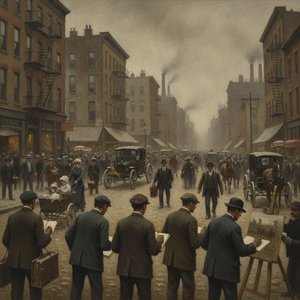
The Ashcan School: Capturing the Raw, Unfiltered Soul of Urban Life through American Realism
Discover the raw beauty of the Ashcan School. Explore how masters like Bellows and Henri captured the gritty, vibrant soul of early 20th-century New York through profound American Realism and evocative urban landscapes.

The Unvarnished Truth: A Cultural Journey Through the Soul of American Realism
Explore the profound beauty of American Realism. From the Ashcan School's urban grit to intimate portraits, discover how artists captured the authentic soul of a nation through unvarnished truth and masterful observation.
Avastage teoseid, mis on koondatud teemade, stiilide ja omaduste kaupa.
