


 Vaata sisu
 Jaga teost
 Jaga
Jaga
 Detailid
 Õppekate juhend

 Laadi alla
 Sarnased teosed
 Röntgenuuring
 Slaidietendus
 Statistika
May Day in Central Park


Experience William Glackens’ ‘May Day in Central Park’! A vibrant 1905 oil painting capturing NYC's energy. Ashcan School realism, dynamic brushwork & timeless beauty. Own a piece of art history!
 Loe lähemalt
Avastage William James Glackensi (1870-1938) realistlikud maalid, mis on Ashkani koolkonna olulised teosed. Elavate New Yorgi ja Pariisi linnavaadete ning igapäevaelu detailsete kujutustega kunstnik muutis ameerika kunsti.
Käsitsi valmistatud õlimaalireproduktsioon
Meie kunstnike poolt tellimusel valmistatud käsitsi maalitud õli-kainaste teos teie soovitud suuruses ja raamis. ( Lülita trükkitoodetele Ülemineku digitaalse pildi müügi kanalisse)




P118B €10

P118H €10

P118W €10

P438Z €10

P508JH €12

P508YH €12

P805H €10

P805Z €10

P919BZ €10

P919G €10

P919XJ €10

P959ZH €10

P968JZ €12

W106C €8

W218G €10

W218JH €8

W218Y €10

W307PJ €10

W316G €10

W316PJ €8

W316Y €10

W398PJ €8

W4111J €10

W500HY €15

W500JH €15

W692G €12

W849H €8

W940BG €15

W953PJ €8




Standardne suurus
kohandatud
CM
INCH
Vali meie eelmääratud suurused, mis vastavad teose algupärastele proportsioonidele.
Loading sizes...

laius
kõrgus
Sisestage vajalik laius ja kõrgus, et teos sobiks teie raamile või seinale. Kuna tegu on käsipainatud teosega, siis erineva kujuga suuruse korral võib kunstnik jätta pildi ümber veidi rohkem marginaali või lõigata osa ära — valik on teie. Enne maali alustamist saadame teile kinnitamiseks digitaalse näidisprojektsiooni. Sellel lehel näidatud pilt ei kajasta tegelikku tulemust — seda näitab ainult näidisprojekttsioon.
Näited muudetavatest elementidest: asenda nägu kliendi fotoga; lisa lemmikloom (nt asenda kass koeraga); lisa taustale peidetud sõnum; muuda tausta maastikku või elemente.
Pärast tellimust saadab TopImpressionists.com meeskond kliendile e-posti juhised ning esitab eelvaate kavandi
Pärast tellimust saadab TopImpressionists.com meeskond kliendile e-posti juhised ning esitab eelvaate kavandi
Maailmline tarne 3–4 nädala jooksul tavalise 5 nädala asemel. (26 oktoober). Kvaliteedis kompromisse ei tehta.

Tasuta ekspresssaatmine üle maailma

Kõrgekvaliteediline lina-kangastest muld

Täielik transpordikindlustus

Tollimaksude tagastamise garantii

Värvitoime täpsuse garantii

100 päeva tagastusõigus (ainult defektide korral)

100% raha tagasi garantii

Hulgusoodustus
 Klaasivalik on saadaval ainult kuni 110 cm suuruses teostes

May Day in Central Park
Reproduktsiooni materjal
Reproduktsiooni mõõtmed
-


Lõppsumma
€ 477
A Vibrant Snapshot of Urban Life: William James Glackens’ “May Day in Central Park”
William James Glackens' "May Day in Central Park," painted in 1905, isn’t merely a depiction of a park scene; it’s a vibrant portal into the heart of early 20th-century New York City. Captured during the height of the Ashcan School movement, this oil on canvas offers a raw and unvarnished glimpse of everyday life – a bustling celebration unfolding amidst the verdant backdrop of Central Park. Glackens, a key figure in this revolutionary artistic circle, eschewed the idealized portrayals favored by academic art, instead choosing to document the gritty realities of urban existence with an honesty that resonated deeply with his contemporaries and continues to captivate viewers today.
The painting immediately draws the eye into a scene brimming with energy. A diverse crowd – men in suits, women in fashionable dresses, children playing – are engaged in various activities: picnicking beneath towering trees, chatting animatedly, and simply enjoying the sunshine. The composition is masterfully balanced, guiding the viewer’s gaze through the lively tableau. Notice the careful placement of details—an apple resting on a blanket, a handbag casually draped over a chair—these small touches ground the scene in a palpable sense of realism, reminding us that this isn't a staged spectacle but an authentic moment captured by Glackens’ discerning eye.
The Ashcan School and its Rejection of Tradition
To fully appreciate “May Day in Central Park,” it’s crucial to understand the context of the Ashcan School. Emerging in the late 19th and early 20th centuries, this movement represented a deliberate break from the established norms of American art. Artists like Glackens, Robert Henri, and John Sloan rejected the polished surfaces and mythological subjects favored by the National Academy of Design, instead focusing on depicting the lives of ordinary people in their urban environments. Glackens’ work embodies this ethos—he doesn't shy away from portraying the less glamorous aspects of city life, capturing its energy, its chaos, and its inherent beauty with a bold and unapologetic style.
His technique reflects this commitment to realism. Glackens employs a distinctive palette dominated by dark hues – deep greens, browns, and blues—contrasted sharply with the vibrant pinks, creams, and whites of the figures. This creates a dynamic visual effect, emphasizing the movement and vitality of the scene. His brushwork is loose and expressive, conveying a sense of immediacy and capturing the fleeting moments of urban life. The impasto technique – applying paint thickly to the canvas – adds textural richness and depth, further enhancing the painting’s visceral impact.
Symbolism and Emotional Resonance
Beyond its realistic depiction of a park gathering, “May Day in Central Park” carries deeper symbolic weight. May Day itself represents renewal, celebration, and the arrival of summer – themes powerfully conveyed through the painting's joyful atmosphere. The figures engaged in various activities—picnicking, playing, conversing—suggest a sense of community and shared experience. The presence of the trees, bathed in dappled sunlight, evokes feelings of tranquility and connection to nature, offering a welcome respite from the hustle and bustle of city life.
Glackens’ masterful use of light and color contributes significantly to the painting's emotional resonance. The warm hues create a sense of warmth and vitality, drawing the viewer into the scene and inviting them to share in the joy of the moment. The composition is carefully balanced, ensuring that all elements contribute to the overall feeling of optimism and celebration. “May Day in Central Park” isn’t just a painting; it's an invitation to step back in time and experience the vibrant spirit of early 20th-century New York City.
Bringing History Home: Reproductions Available
Today, reproductions of "May Day in Central Park" are available through TopImpressionists.com, offering art lovers the opportunity to own a piece of this iconic American masterpiece. These meticulously crafted reproductions capture the essence of Glackens’ original work, allowing you to bring the energy and beauty of Central Park into your home or office. For further insights into William James Glackens and the Ashcan School, we encourage you to explore resources like Wikipedia and WikiArt.
Küsimused ja vastused
Millist emotsiooni „May Day in Central Park“, autor William James Glackens edastab?
Teos „May Day in Central Park“, autor William James Glackens edastab Tranquil emotsionaalset toonust.
Millist teemat ja atmosfääri „May Day in Central Park“, autor William James Glackens ühendab?
Teos „May Day in Central Park“, autor William James Glackens ühendab endas central park, new york city, urban scene, leisure, social gathering, 1905, american art, impressionism ning loob Calm atmosfääri.
Kust saan näha originaalteost „May Day in Central Park“, autor William James Glackens?
Originaalteost „May Day in Central Park“, autor William James Glackens hoiustatakse Fine Arts Museums of San Francisco, San Francisco, USA muuseumis. Reproduktsioon võimaldab teost koduses keskkonnas esitleda.
Sarnased teosed


Kunstniku elulugu
Varajane Elu Ja Kunstiline Algetegevus
William James Glackens, silmapaistev ameerika kunstnik, sündinud Philadelphias 1870. aastal, jättis kustutamatu jälje kunstiajaloo kangale oma võluvate realistlike maalidega. Tema kunstiline teekond oli tunnistuseks tema vankumatu kirest tabada igapäevaelu olemust. Glackensi varased aastad olid täidetud sisemise kalduvusega kunsti poole, mis viis ta Pennsylvania Kunstiakadeemiasse õppima. Thomas Anshutzi juhendamisel, tuntud realisti käe all, lihvis Glackens oma oskusi ja lõpuks sai üheks Ashkani koolkonna rajajaks. See liikumine lükkas tagasi traditsioonilised kunstilise ilu piirid, keskendudes selle asemel metropoli elukorraluste karmi reaalsusele.
Ashkani Koolkond Ja Uue Linnakultuuri Püüdmine
Glackensi töö iseloomustab tumedatoonilised, erksalt maalitud tänavapildid ja igapäevaelu kujutused enne I maailmasõda New Yorgis ja Pariisis. Ta ei peljanud näidata linna varjupoolegi – vaesust, töölisnädalasid, elavat sagimist ja rahva pulssi. Ashkani koolkond oli revolutsiooniline oma otseses ja kompromissitus stiilis, mis varem kunstimaailmas puudus. Glackensi maalidel on tunda tugevat sotsiaalset kommentaari, kuid see ei domineeri kunagi esteetilist naudingut. Ta suutis tabada ka linna glamuuri ja elavust, luues tasakaaluka pildi ajastust.
Tehniline Areng Ja Inspiratsioon Renoir’i Vaimus
Aastalõppudel Glackensi töö läbis olulise muutuse. Tema hilisemad teosed, mida mõjutas Pierre-Auguste Renoir, näitasid heledamat tooni, peegeldades tema arengut kunstnikuna. Ta katsetas erinevate pintslitehnikatega ja värvipalettidega, otsides uusi viise valguse ja varju mängu tabamiseks. Glackensi illustraatortöö Philadelphias ja New Yorgi ajalehtedes ja ajakirjades aitas tal teravdada oma tähelepanuvõimet detailidele ja kompositsioonile, mis hiljem kajastusid tema maalidel. Ta ei piirdunud ainult linnakultuuri püüdmisega; ta maalis ka portreid ja natüürmorte, näidates oma mitmekülgsust kunstnikuna.
Pärand Ja Mõju Ameerika Kunstile
Glackensi panus ameerika kunsti on mitmetahuline, ulatudes tema enda töödest kaugemale. Ta mängis olulist rolli Albert C. Barnesi abistamisel Euroopa maalide hankimisel Barnesi Fondi jaoks Philadelphias. See kollektsioon on saanud Ameerika kunstiajaloo nurgakiviks. Tema mõju ulatub paljudele hilisematele kunstnike põlvedele, kes otsisid inspiratsiooni tema realistlikust stiilist ja sotsiaalsest teadvusest. Glackensi töö on tänini oluline osa Ameerika kunstipärandist, pakkudes vaatajale ainulaadse pilgu ajastule ja inimelule.
Olulised Teosed Ja Kollektsioonid
- The Shoppers (New Realism, õlimaal lõuendil, Chrysleri Muuseum) – See teos on tunnistuseks Glackensi oskusest tabada linnaelu olemust. Maal kujutab elavat stseeni New Yorgi kaubamajas, täis inimesi ja sagimist.
- View of Haarlem with Bleaching Grounds, Jacob Isaakszoon van Ruisdaeli (Ruysdael) maal, näitab detailide tasandit ja meisterlikkust, mis defineerib Glackensi tööd. See teos on nüüd Chrysleri Muuseumi kollektsioonis.
Glackensi loomingut saab põhjalikult uurida siin, kus on esindatud lai valik tema töid. Täiendavat teavet William James Glackensi elust ja loomest leiab ka Wikipedia leheküljel.

William James Glackens
1870 - 1938 , Ameerika Ühendriigid
Lühikest infot
- Artistic Movement Or Style: Ashcan koolkond
- Artists Or Movements Influenced By This Artist: ['Pierre Auguste Renoir']
- Artists Who Influenced This Artist: ['Thomas Anshutz']
- Date Of Birth: Philadelphia, USA (1870)
- Date Of Death: Westport, Connecticut (1938)
- Full Name: William James Glackens
- Nationality: Ameeriklaste rahvuslane
- Notable Artworks:
- The Shoppers
- View of Haarlem
- Place Of Birth: Philadelphia, USA
Sarnased artiklid
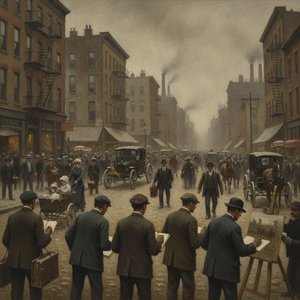
The Ashcan School: Capturing the Raw, Unfiltered Soul of Urban Life through American Realism
Discover the raw beauty of the Ashcan School. Explore how masters like Bellows and Henri captured the gritty, vibrant soul of early 20th-century New York through profound American Realism and evocative urban landscapes.
Avastage teoseid, mis on koondatud teemade, stiilide ja omaduste kaupa.
