

 Eelvaade
 Saada
Saada Jaga
Jaga
 Teave teose kohta
 Juhend

 Laadi alla
 Sarnased teosed
 Röntgenuuring
 Slaidietendus
 Q&A
Q&A Statistika
Woodland Brook


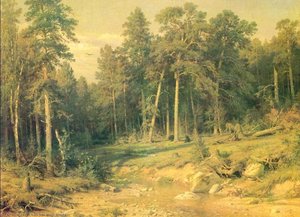
Experience the serene beauty of William Trost Richards’ ‘Woodland Brook.’ This Hudson River School masterpiece captures a tranquil forest scene with meticulous detail and warm colors, showcasing nature's tranquility.
 Loe lähemalt
William Trost Richards (1833-1905): Ameerika maastikukunstnik, tuntud detailsete vesivärvimaalide ja õlimaalidega Valgetest Mägedest, rannajoontest ning meriskäbedest. Ühendab Hudsoni koolkonna realismi ja Pre-Raphaeliidi täpsust.
Giclée / Kunstiprint
Muuseumikvaliteediga giclée- või kangasprint kiire tootmisega ja paindlikud viimistlusvõimalused. ( Osta käsitsi maalatud teos Lülita digitaalse pildi juurde)




P118B €10

P118H €10

P118W €10

P438Z €10

P508JH €12

P508YH €12

P805H €10

P805Z €10

P919BZ €10

P919G €10

P919XJ €10

P959ZH €10

P968JZ €12

W106C €8

W218G €10

W218JH €8

W218Y €10

W307PJ €10

W316G €10

W316PJ €8

W316Y €10

W398PJ €8

W4111J €10

W500HY €15

W500JH €15

W692G €12

W849H €8

W940BG €15

W953PJ €8




Standardne suurus
kohandatud
CM
INCH
Vali meie eelmääratud suurused, mis vastavad teose algupärastele proportsioonidele.
Loading sizes...

laius
kõrgus
Sisestage vajalik laius ja kõrgus, et see sobiks teie raamile või seinale. Trükki saab ainult lõigata, seda ei saa kunagi pildist suuremaks teha, seega ka erineva mustega suurus kaotab osa pildist. Enne trükkimist saadame teile kinnitamiseks digitaalse näidisprojektsiooni. Sellel lehel näidatud pilt ei kujuta reaalset lõiget — seda näitab ainult näidisprojektsioon.
Ülemaailmne tarne () 2 nädala jooksul, tavalise 4/5 nädala asemel. (2 november)

Tasuta ekspresssaatmine üle maailma

Kõrgekvaliteediline lina-kangas

Täielik transpordikindlustus

Tollimaksude tagastamise garantii

Värvitoime täpsuse garantii

100 päeva tagastusõigus (ainult valmistusdefektide korral)

100% raha tagasi garantii

Hulgusoodustus
 Klaasivalik on saadaval ainult kuni 110 cm suuruses teostes

Woodland Brook
Giclée / Kunstiprint
Reproduktsiooni suurus
-


Koguhind
€ 61
A Moment of Tranquil Reflection: William Trost Richards’ “Woodland Brook”
William Trost Richards' "Woodland Brook," painted in 1861, isn’t merely a depiction of a forest scene; it’s an invitation to stillness. This oil on canvas, currently residing within the Detroit Institute of Arts, embodies the spirit of the Hudson River School while simultaneously hinting at the burgeoning Pre-Raphaelite influence that would soon reshape American landscape painting. Richards, a meticulous observer and dedicated craftsman, sought not to glorify nature with dramatic vistas but rather to capture its quiet dignity and inherent beauty through painstaking detail and a profound understanding of light and atmosphere.
The painting immediately draws the eye into a serene woodland setting. A gently flowing stream, rendered with remarkable precision in Richards’ brushwork, snakes its way through a dense forest floor. The trees themselves—a mix of maples, birches, and pines—are not idealized symbols but individual specimens, each bearing the unique markings of age and experience. Richards' technique is characterized by a layering of thin glazes, building up color gradually to achieve an astonishing sense of depth and luminosity. Notice how he uses warm ochres and browns in the undergrowth, contrasted with cooler greens and blues in the shadowed depths of the trees – a masterful manipulation of value that creates a convincing illusion of three-dimensionality.
The Language of Light and Color
Richards’ mastery lies not just in his technical skill but also in his ability to evoke mood through color. The painting is bathed in a soft, diffused light, characteristic of the Luminist style – a movement Richards helped pioneer. This isn't harsh sunlight; it’s a gentle illumination that seems to emanate from within the forest itself. The use of complementary colors—the vibrant greens against the warm browns and yellows—intensifies the sense of depth and creates a visual harmony that is both captivating and calming. The dappled light filtering through the leaves adds an element of magic, suggesting hidden secrets and quiet contemplation.
Interestingly, Richards included two figures within this vast landscape – small, almost ghostly presences near the center and slightly to the right. Their inclusion isn’t about narrative; rather, they serve as a poignant reminder of humanity's place within the grandeur of nature. They invite us to consider our own relationship with the environment, prompting reflection on scale and perspective.
Historical Context and Artistic Influences
"Woodland Brook" sits comfortably at the intersection of two significant artistic movements. Richards was a key figure in the Hudson River School, known for their detailed depictions of American landscapes. However, unlike some of his contemporaries who embraced romanticized themes, Richards prioritized scientific accuracy and observational realism. He studied botany extensively, meticulously documenting the flora of the White Mountains, which heavily influenced his work. Furthermore, Richards’ attention to detail and use of color bear a striking resemblance to the Pre-Raphaelites, particularly their interest in capturing the beauty of nature with an almost photographic quality.
The painting's creation coincided with a period of significant change in American art. The Civil War had profoundly impacted the nation, leading many artists to turn inward and explore themes of spirituality and introspection – qualities that are powerfully present in Richards’ work. “Woodland Brook” offers a respite from the turmoil of the era, inviting viewers to find solace and beauty in the natural world.
Bringing "Woodland Brook" Home
TopImpressionists is proud to offer meticulously crafted hand-painted reproductions of William Trost Richards' "Woodland Brook." Each reproduction captures the essence of the original painting – its luminous colors, intricate detail, and profound sense of tranquility. Whether you’re an art collector, a design enthusiast seeking inspiration for your interior space, or simply someone who appreciates the beauty of nature, this artwork is sure to evoke a lasting impression. Consider how the painting's serene atmosphere can transform any room into a sanctuary of peace and contemplation. Explore our range of sizes and canvas options to find the perfect reproduction for your home or office – a timeless piece that will be cherished for generations to come.
Korduvad küsimused
Milline rahvuslik päritolu seisab teose "Woodland Brook" Hudson River School taga?
Teose "Woodland Brook" on loonud USA-s sündinud William Trost Richards, tuginedes Hudson River School suunale. Kunstniku päritolu seob teose Hudson River School stiiliga, mida praktiseerivad USA kunstnikud.
Milline on teose „Woodland Brook“, autor William Trost Richards emotsionaalne toon?
„Woodland Brook“, autor William Trost Richards edastab Tranquil emotsionaalset toonust.
Millist tehnikat teose „Woodland Brook“, autor William Trost Richards valmistamisel kasutati?
Teose „Woodland Brook“, autor William Trost Richards materjal on Oil On Canvas. Reproduktsioonide eesmärk on jälitada selle tehnika välimust.


Kunstniku elulugu
Varajane Elu ja Kunstiline Koolkond
William Trost Richards, sündinud Philadelphias 14. novembril 1833. aastal, hõivab ainulaadse positsiooni Ameerika maastikukunstnike pantheonis. Ta ei lähtunud draamatilisest efektist või romantiseeritud ideaalidest, mis iseloomustasid paljusid tema kaasaegseid Hudsoni koolkonna kunstnikke; selle asemel pühendus Richards peaaegu teaduslikule truudusele loodusele, kujutades stseene täpsusega ja detailidega, mis piirnesid fotorealismiga. Tema varajane elu andis aluse sellele eripärasele lähenemisviisile. Kuigi ta sai formaalset haridust Philadelphias Central High Schoolis, oli tema õpipoisikool 1850–1855 saksa kunstniku Paul Weberi juures koos tööga ornamentse metallitöö disainerina see, mis sisendas talle hoolikat käsitööd ja tähelepanekut. See kunstiõppe ja praktiliste oskuste segu oleks tema küpse stiili tunnusjooneks. Ta ei maalinud lihtsalt seda, mida ta *tundis* looduse kohta; ta dokumenteeris pingulikult seda, mida ta *nägi*.Euroopa Mõjud ja Ameerika Rannad
Richardsi kunstiline teekond viis ta 1853. aastal Euroopasse koos kaaskunstnike William Stanley Haseltine'i ja Alexander Lawrie'ga. See periood osutus oluliseks, tutvustades teda Düsseldorf koolkonna maalikunstiga – tuntud oma detailsete maastike poolest. Kuid naastes Ameerikasse, hakkas Richards looma oma eripärast rada. Ta eksponeeris Pennsylvania Akadeemia kaunites kunstides alates 1852. aastast kuni 1905. aastani, saades tunnustuse Philadelphia kunstiringkondades. Tema esimene suurem avalik näitus toimus 1858. aastal Albert Bierstadti korraldatud New Bedfordis Massachusettsis, seostades ta küll lahtiselt Hudsoni koolkonna traditsiooniga. Siiski eristus tema töö isegi siis. Kui teised otsisid looduse sublimeerse suuruse tabamist, keskendus Richards selle keerukatele detailidele – kivimite tekstuurile, valguse mängule vee peal, lehestiku õrnale struktuurile. 1862. aastal valiti ta National Academy of Designi au liikmeks ja täielikuks akadeemikuks 1905. aastal, kinnistades oma positsiooni Ameerika kunstiasutuses. Ta liitus ka Association for the Advancement of Truth in Artiga, Ameerika Pre-Raphaeliitide grupiga, rõhutades veelgi tema pühendumust realismile ja detailsele vaatlusele.Valged Mäed ja Rannikualused Unistused
Richards on ehk kõige tuntud oma New Hampshire'i Valgete Mägede akvarellvaadete poolest. Need teosed, mis loodi suvedel Idarannikul pärast tema Euroopa reisi, on tähelepanuväärsed peaaegu kliinilise täpsusega. Ta ei püüdnud peale suruda romantilist narratiivi maastikule; ta esitas selle lihtsalt sellisena nagu see oli – keeruline geoloogiliste moodustiste, taimestiku ja atmosfääritingimuste omavaheline seos. Paljud need akvarellid asuvad nüüd Metropolitan Museum of Arti kogus, mis kinnitab nende püsivat kunstilist väärtust. Hiljem oma karjääris nihutas Richards peaaegu täielikult fookuse rannikustseenidele, eriti New Jersey, Maine'i ja Rhode Islandi kallastel. Need maalid näitavad sügavat huvi ookeani rütmide vastu – pidevat lainete krahhi, valguse muutlikke mustreid veepinnal, taeva värvide peeneid gradatsioone. Ta ehitas 1881. aastal maja Jamestowni Rhode Islandil, kus elas ja töötas kuni oma surmani, täielikult sukeldunud meremaailma, mis sai tema peamiseks teemaks.Täpsuse ja Vaatluse Pärand
William Trost Richards suri 8. novembril 1905. aastal Newportis Rhode Islandil, jättes maha loomingu, mis jätkab publikut võlumas oma detailse täpsusega ja vankumatu pühendumisega realismile. Tema mõju on näha hilisemate kunstnike töödes, kes omaksid objektiivsemat lähenemisviisi maastikumaalile. Tema romantismist loobumine, tema nõudmine faktilise täpsuse järele ja tema meisterlik tehnika eristasid teda ainulaadse häälena Ameerika kunstiajaloo vallas. Ta ei olnud huvitatud ideaalsete looduse visioonide loomisest; ta tahtis tabada selle olemust kompromissitu aususega. Tema maalid on säilitatud arvukates mainekates muuseumides kogu Ameerika Ühendriikides, sealhulgas National Gallery, Saint Louis Art Museum ja Smithsonian American Art Museum, tagades tema pärandi kestmise põlvedeks. Tema tütar Anna Richards Brewster järgis ka tema jälgedes maalikunstnikuna, laiendades perekonna kunstilist panust.
William Trost Richards
1833 - 1905 , USA
Lühikest infot
- Artistic Movement Or Style: Hudson Riveri koolkond
- Artists Or Movements Influenced By This Artist: ['Anna Richards Brewster']
- Artists Who Influenced This Artist:
- Paul Weber
- Albert Bierstadt
- Date Of Birth: 14. november 1833
- Date Of Death: 8. november 1905
- Full Name: William Trost Richards
- Nationality: Ameeriklaste rahvus
- Notable Artworks:
- Lago Avernus
- Woodland Landscape
- Place Of Birth: Philadelphia, USA
Sarnased artiklid

Capturing the Soul of Nature: A Journey Through the Sublime Majesty of American Romanticism
Explore the breathtaking beauty of American Romanticism. Discover how Hudson River School masters captured the sublime spirit of the wilderness through luminous oil landscapes and emotional depth. A journey into the soul of nature for the true art enthusiast.

Capturing the Light: A Journey Through the Soul of American Impressionism and the Hudson River School
Explore the luminous beauty of American Impressionism and the Hudson River School. Discover a curated journey through light, landscape, and history, celebrating the enduring legacy of masters through exquisite, hand-painted oil reproductions for the discerning art lover.