


 Vaata sisu
 Jaga teost
 Jaga
Jaga
 Detailid
 Õppekate juhend

 Laadi alla
 Sarnased teosed
 Röntgenuuring
 Slaidietendus
 Statistika
Camp Fire


Experience Winslow Homer's 'The Northeaster,' a stunning watercolor capturing the raw power of the ocean and its dramatic beauty. A masterpiece from 1883, now at the Brooklyn Museum.
 Loe lähemalt
Winslow Homer (1836–1910) – Ameerika realistliku maalijana tuntud teoste poolest nagu 'Gulf Stream' ja 'Breezing Up'. Tema lood, meremaalid ja 19. sajandi elu kujutused peegeldavad Ameerika vaimu.
Käsitsi valmistatud õlimaalireproduktsioon
Meie kunstnike poolt tellimusel valmistatud käsitsi maalitud õli-kainaste teos teie soovitud suuruses ja raamis. ( Lülita trükkitoodetele Ülemineku digitaalse pildi müügi kanalisse)




P118B €10

P118H €10

P118W €10

P438Z €10

P508JH €12

P508YH €12

P805H €10

P805Z €10

P919BZ €10

P919G €10

P919XJ €10

P959ZH €10

P968JZ €12

W106C €8

W218G €10

W218JH €8

W218Y €10

W307PJ €10

W316G €10

W316PJ €8

W316Y €10

W398PJ €8

W4111J €10

W500HY €15

W500JH €15

W692G €12

W849H €8

W940BG €15

W953PJ €8




Standardne suurus
kohandatud
CM
INCH
Vali meie eelmääratud suurused, mis vastavad teose algupärastele proportsioonidele.
Loading sizes...

laius
kõrgus
Sisestage vajalik laius ja kõrgus, et teos sobiks teie raamile või seinale. Kuna tegu on käsipainatud teosega, siis erineva kujuga suuruse korral võib kunstnik jätta pildi ümber veidi rohkem marginaali või lõigata osa ära — valik on teie. Enne maali alustamist saadame teile kinnitamiseks digitaalse näidisprojektsiooni. Sellel lehel näidatud pilt ei kajasta tegelikku tulemust — seda näitab ainult näidisprojekttsioon.
Näited muudetavatest elementidest: asenda nägu kliendi fotoga; lisa lemmikloom (nt asenda kass koeraga); lisa taustale peidetud sõnum; muuda tausta maastikku või elemente.
Pärast tellimust saadab TopImpressionists.com meeskond kliendile e-posti juhised ning esitab eelvaate kavandi
Pärast tellimust saadab TopImpressionists.com meeskond kliendile e-posti juhised ning esitab eelvaate kavandi
Maailmline tarne 3–4 nädala jooksul tavalise 5 nädala asemel. (21 oktoober). Kvaliteedis kompromisse ei tehta.

Tasuta ekspresssaatmine üle maailma

Kõrgekvaliteediline lina-kangastest muld

Täielik transpordikindlustus

Tollimaksude tagastamise garantii

Värvitoime täpsuse garantii

100 päeva tagastusõigus (ainult defektide korral)

100% raha tagasi garantii

Hulgusoodustus
 Klaasivalik on saadaval ainult kuni 110 cm suuruses teostes

Camp Fire
Reproduktsiooni materjal
Reproduktsiooni mõõtmed
-


Lõppsumma
€ 235
Camp Fire by Winslow Homer: A Study in Rustic Tranquility
Winslow Homer’s “Camp Fire,” completed around 1883 and currently residing at the Metropolitan Museum of Art, stands as a cornerstone of American Realism—a movement dedicated to portraying life accurately without romantic embellishment. More than just a depiction of a campfire scene, it's an exquisitely crafted meditation on solitude, companionship, and the profound connection between humanity and nature.
Subject Matter & Composition: Homer captures a quintessential moment of rural American life—a group of men gathered around a crackling fire in the Adirondack Mountains. Two dogs flank the central figure, adding warmth and visual interest to the composition. The artist’s keen eye meticulously observes details like backpacks strapped on shoulders and a simple wooden chair positioned near the hearth, subtly conveying the activity of hikers or campers.
Style & Technique: Homer employed watercolor with blotting and scraping—a technique that allowed him to achieve remarkable textural effects. As noted by fellow artist Henry William Brewer, Homer skillfully utilized resist—thin layers of wax applied to paper before painting—to define the contours of tree trunks. This method ensured precise lines while simultaneously creating a dense, textured surface where subsequent washes were applied. The artist meticulously scrubbed away the resist after drying, leaving visible fragments that contributed to the overall visual richness.
Historical Context & Symbolism: Painted during Homer’s prolific period exploring the Adirondacks, “Camp Fire” reflects the burgeoning interest in plein air painting and the Romantic fascination with wilderness landscapes. The campfire itself symbolizes warmth, comfort, and human connection—a refuge from the anxieties of urban life. Furthermore, the towering cedar tree serves as a powerful emblem of resilience and endurance, mirroring Homer’s own artistic vision.
Emotional Impact: Viewing “Camp Fire” evokes a palpable sense of serenity and contemplation. The subdued palette—dominated by browns, blues, and ochres—enhances the painting's atmosphere of quiet reflection. Homer’s masterful rendering captures not only the visual beauty of the scene but also its emotional resonance—a celebration of simple pleasures and the restorative power of nature.
Resources for Further Exploration: To delve deeper into Winslow Homer’s artistic legacy, visit The Metropolitan Museum of Art to examine “Camp Fire” alongside other iconic works from his oeuvre. Alternatively, explore the history of painting on Wikipedia: History of Painting. For a stunning watercolor reproduction, consider purchasing one at TopImpressionists.com.
Küsimused ja vastused
Kust Winslow Homer korduvad teemad Camp Fire kohta peegeldavad?
Winslow Homer dokumenteeritud teemade — hudson river school, rural american life, romantic landscape style, symbolic narrative, iconic homer painting — seas eeldab teos "Camp Fire" erilist tähelepanu teemadel camping scene, firelight glow, outdoor landscape, american art, winslow homer, realism painting, nature imagery.
Millist atmosfääri toob ruumi „Camp Fire“, autor Winslow Homer reproduktsioon?
Teose „Camp Fire“, autor Winslow Homer Serene atmosfäär sobib ideaalselt selle soovituslikku ruumi: Living Room.
Mis on teose „Camp Fire“, autor Winslow Homer domineeriv värv?
Teose "Camp Fire" kõige silmapaistvam värv on Black (#111014). Dominantne värv on kasulik teose sobitamisel interjööriga.
Sarnased teosed


Kunstniku elulugu
Winslow Homer: Ameerika Realismi Võlu ja Merejõud
Winslow Homer, Bostonis 1836. aastal sündinud kunstnik, ei saanud oma kunstiakadeemilist haridust traditsiooniliselt Euroopas, vaid kujunes pigem Ameerika kogemusest – praktilisest vaatlusest ja otsekohesisest lähenemisest. Tema tee algas mitte suurejooneliste ajalooliste maalidega, vaid illustraatorina Harper's Weekly ajakojas juba kaksteaastaselt. See varajane õppetöö oli määravaks, teravdades eristuvat võimekust tabada vaatepilte selgus ja detailis – oskused, mis said tema küpse kunsti tuntuks tunnuseks. Ta ei õppinud perspektiivi Pariisis; ta õppis nägema Ameerikat, selle inimesi ja selle arenemist. Boston'i rahvarohked tänavad, maalilised New Englandi maaelu vaikne väärikus – need olid tema esimesed teemad, mis on esitatud täpsusega, mis sündis vajadusest printsuhkru ajakirjandusliku nõudmiste järgimiseks. See alus võimaldas tal liikuda maalimaailma, alguses vesivärvides, enne kui ta täielikult omaks võttis õlimaalide väljendusrikka potentsiaali.Sõjast Merejõuni: Kunstniku Teekond
Homeri varased maalid kujutasid sageli idüllilisi vaatepilte – lapsi mängimas, talunikke oma põlde harides, vaikseid hetki koduelus. Need tööd, kuigi võluvad, viitasid sügavamale kunstilise tundlikkuse poole, mis ootaski ennast valla laskmist. Katalüüsiks sellele muutumisele oli kahtlemata Ameerika sisepõlgus. Harper's Weekly ajakirja sõjaväekorrespondendina oli Homeril võimalust silmitseda konfliktide brutaalse reaalsusega. Ta ei keskendunud kangelaslikele lahingutele ega strateegiatele; pigem dokumenteeris ta sõdurite ja tsiviilisikude igapäevaelu, leina ja vastupanuvõime vaikseid hetki kaos keskel. See kogemus muutis sügavalt tema kunstilist visiooni. Maalilised vaated jäid varjuks keerulisemate teemade ees: traagikat kogenud veteranid, vabadusel navigeerivad endised orjad ja loodusmaastike karmi ilu, mida puudutab kannatus. Ta hakkas uurima võitlust, eraldust ja inimkonna hapnikku suhteid loodusega – teemasid, mis valitsesid tema jõulisemaid töid. Tema stiil arenes ka, muutudes julgemaks ja otsekohesemaks, kajastades seda raudseda emotsionaalset mõju, mida ta oli näinud.Valgus, Tekstuuri ja Ameerika Maastik: Meisterlikkus
Winslow Homeri kunstniku tehnika on koheselt äratuntav oma tugevuse ja tekstuuriga. Ta ei olnud huvitatud ajutistest muljetest; ta soovis luua lõuendi peale käegakatsutava reaalsustunde. Tema õlimaalidel iseloomulikud on otsekaaseline maalimisviis – kihtide värvi rakendamine enesekindlalt, mis loob sügavuse ja valgusküllasus. Tal oli erandusuus võime tabada valgust, olgu see päikese särav särgus ookeanil või pehme kuma maaelu kohal. See oskus laienes ka vesivärvidele, kus ta saavutas märkimisväärseid atmosfäärilisi efekte elavate värvide ja õrna pesemise abil. Breezing Up (A Fair Wind), maalitud aastal 1876, on selle oskuse tippnäide – quintessentsiaalne kujutus Ameerika mereelust, mis pulbitab energiat ja liikumist. The Gulf Stream, loodud aastakümneid hiljem, on võib-olla tema ikoonilisem teos, võimas ja sümboliline kujutamine ühest mehest, kes võitleb looduse jõudude vastu – metafoor inimvõitluseks ülekaaluliste raskuste vastu. Ta ei maalind lihtsalt seda, mida nägi; ta edastas tunde, emotsionaalse tõe inimese olukorra kohta.Pärand Ameerika Realismis
Kuigi Homer imestas Euroopa kunstnike, nagu Barbizoni koolkonna esindajate töid – tuntud oma realistlike kujutuste poolest maaliliste maaelu vaadete kohta –, ja tunnistas Courbet' ja Millet' mõju, ta lõi lõpuks omaette eraldi Ameerika tee. Ta keelas ära valitseva akadeemilise konventsiooni ja keskendus sellele, et tabada oma riigi ainulaadset vaimu. Tema pärand peitub tema võimes kujutada Ameerikat ausalt ja autentseks, seda ei romantiseerides ega idealiseerides. Ta ei tahtnud jäljendada Euroopa stiile; ta soovis luua kunsti, mis on ainulaadselt Ameerika, kajastades selle maastikke, inimesi ja väljakutseid. Innocence, poeetiline kujutus lapsest looduse taustal, ja Man of Science, näidates tema oskust tabada inimpsühholoogiat, on tõendid sellele pühendumusele. Tema mõju võib näha hilisemate Ameerika kunstnike töödes, kes püüdsid kujutada oma maad sarnase otsekohesusega ja emotsionaalse sügavusega.Püsiv Mõjutus: Homeri Histooline Tähtsus
Winslow Homeri kunst pakub sügava aknana 19. sajandi Ameerikasse, andes väärtuslikku sissevaadet tema aja sotsiaalsele, poliitilisele ja kultuurile. Tema maalitud teosed ei ole mitte ainult kaunid kujutised; need on võimsad avaldused inimeste vastupanuvõime kohta, looduse ilu ja jõu kohta ning Ameerika kogemuse keerukuse kohta. Ta suri aastal 1910, jättes maha rikkaliku teose, mis jätkab publiku seas kõlanud helisid tänapäevani. Tema võime tabada rahvus muutuvat vaimu – kodusõja järelajast kuni uue sajandi alguseni – tagab tema koha Ameerika ühe olulisema ja püsivaima kunstnikuna. Ta ei maalind lihtsalt pilte; ta dokumenteeris hetke ajas, säilitades selle tulevatele põlvedele.- Tema töö jätkab kaasaegsete kunstnike inspireerimist.
- Homer jääb oluliseks tegelaseks Ameerika realismi arengus.

Winslow Homer
1836 - 1910 , Ameerika Ühendriigid
Lühikest infot
- Artistic Movement Or Style: Ameerika realism
- Artists Or Movements Influenced By This Artist: ['Ameerika kunstnikud']
- Artists Who Influenced This Artist:
- Barbizon koolkond
- Courbet
- Millet
- Date Of Birth: 24. veebruar 1836
- Date Of Death: 29. september 1910
- Full Name: Winslow Homer
- Nationality: Ameerika Ühendriigid
- Notable Artworks:
- Breezing Up
- The Gulf Stream
- Innocence
- Man of Science
- Place Of Birth: Boston, USA
Sarnased artiklid
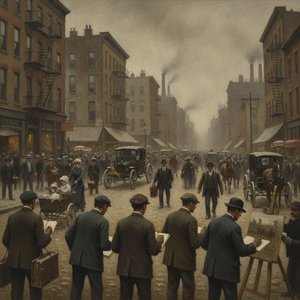
The Ashcan School: Capturing the Raw, Unfiltered Soul of Urban Life through American Realism
Discover the raw beauty of the Ashcan School. Explore how masters like Bellows and Henri captured the gritty, vibrant soul of early 20th-century New York through profound American Realism and evocative urban landscapes.

The Unvarnished Truth: A Cultural Journey Through the Soul of American Realism
Explore the profound beauty of American Realism. From the Ashcan School's urban grit to intimate portraits, discover how artists captured the authentic soul of a nation through unvarnished truth and masterful observation.
Avastage teoseid, mis on koondatud teemade, stiilide ja omaduste kaupa.


