A Life Woven in Poetry and Paint: The World of Yosa Buson
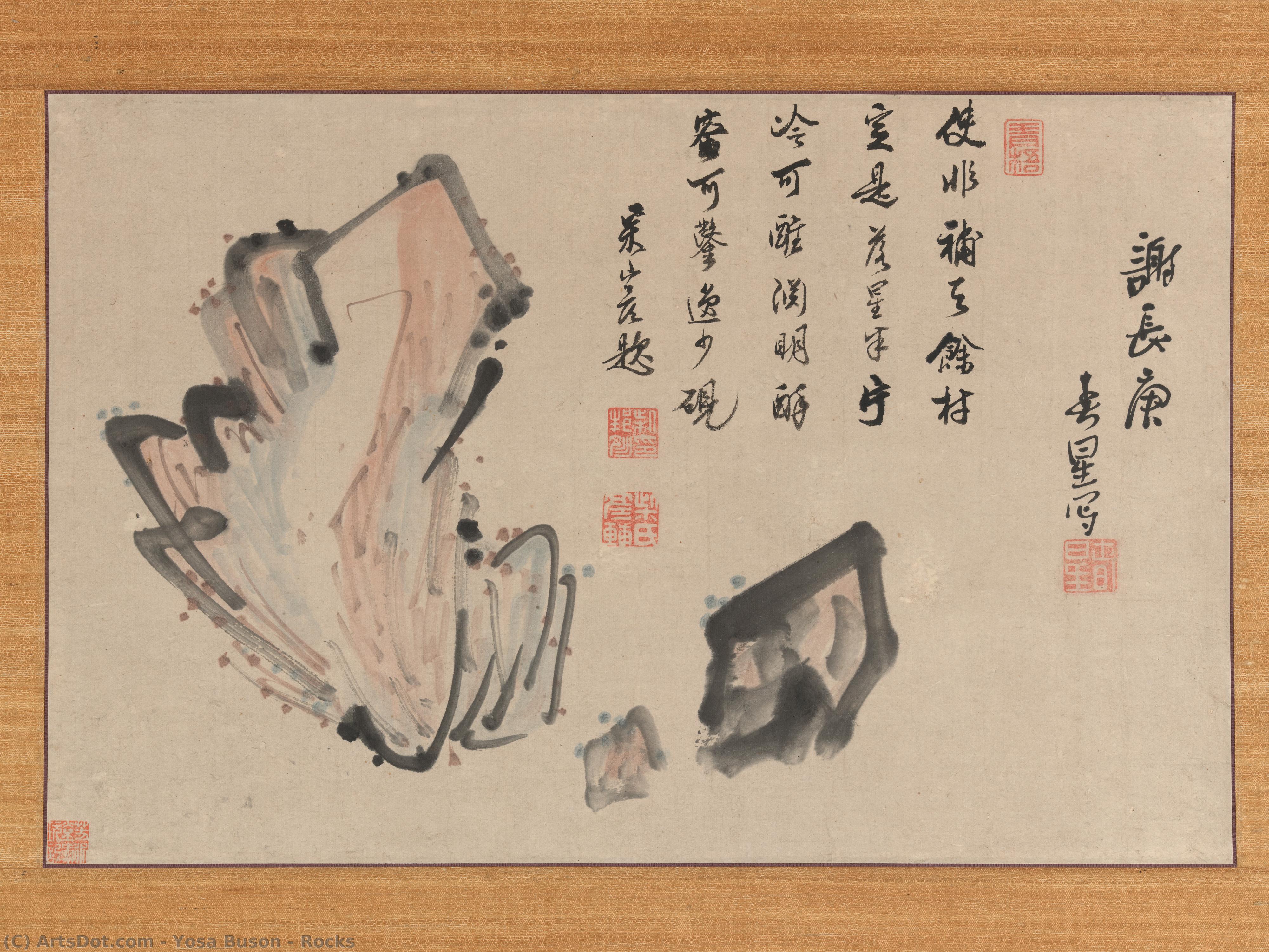
Yosa Buson, born into a modest samurai family in 1716 in Kii Province (present-day Wakayama Prefecture), Japan, was not destined for the battlefield. Though his lineage carried with it certain expectations, Buson’s heart lay elsewhere – in the delicate art of poetry and the evocative power of painting. His early life was marked by financial hardship following his father's death, forcing him to seek opportunities beyond the traditional path. He initially pursued a career as a clerk, but this proved unsatisfying, fueling a growing desire to dedicate himself fully to artistic expression. This yearning led him on a journey that would ultimately establish him as one of the most celebrated masters of *haiga*, a genre blending haiku poetry with expressive ink wash painting, and a significant figure in Edo period art.
The Blossoming of Haiga: A Synthesis of Art Forms
Buson’s artistic development was profoundly shaped by his immersion in the world of *haiku*. He wasn't merely writing poems; he sought to visually embody their essence, creating a harmonious fusion of word and image. He moved to Yosa (hence his name), where he continued honing his skills as a poet and began seriously pursuing painting around 1745. Unlike many artists who illustrated pre-existing poetry, Buson often composed the poem *specifically* to accompany his paintings – or vice versa. This unique approach elevated *haiga* from a secondary art form to one of independent artistic merit. His style was characterized by a refined simplicity and an acute sensitivity to nature. He didn’t aim for photographic realism; instead, he captured the mood, atmosphere, and underlying spirit of a scene with sparse brushstrokes and carefully chosen colors. His paintings often depicted landscapes, birds, flowers, and scenes from everyday life, imbued with a sense of quiet contemplation and subtle beauty.
Influences: Tradition and Personal Vision
Buson’s artistic lineage is complex, drawing upon both traditional Japanese aesthetics and the influence of Chinese art. He studied classical painting styles, absorbing techniques and motifs from masters like Sesshū Tōyō and Bada Shanren. However, he wasn't simply a copyist. He skillfully adapted these influences to his own unique vision, infusing them with a distinctly Japanese sensibility. The poetry of Matsuo Bashō, the most famous haiku poet in history, was also a major source of inspiration. Buson admired Bashō’s ability to evoke profound emotions and insights through concise language and evocative imagery. He even traveled extensively throughout Japan, following in Bashō's footsteps, seeking to experience the same landscapes and capture the same spirit of *wabi-sabi* – the acceptance of transience and imperfection.
Zen Buddhism, with its emphasis on intuition and direct experience, also played a crucial role in shaping Buson’s artistic philosophy.
Major Achievements and Lasting Legacy
Buson's impact extended beyond his individual artworks. He actively promoted *haiga* as a legitimate art form, establishing schools and mentoring students. His most significant contribution was arguably the elevation of *haiku* poetry itself. By pairing his poems with compelling visuals, he demonstrated the power of this concise art form to convey complex emotions and profound insights. He published several influential anthologies of his work, including
Seirōshū (Collection of Blue Roofs) and
Yosa no Bushi (Poems from Yosa), which helped popularize *haiga* and inspire a new generation of artists and poets. His paintings are renowned for their delicate brushwork, subtle color palettes, and evocative atmosphere. He masterfully captured the essence of Japanese landscapes and everyday life, imbuing his works with a sense of quiet contemplation and profound beauty.
Historical Significance: A Bridge Between Eras
Yosa Buson died in 1783, leaving behind a rich artistic legacy that continues to resonate today. He stands as a pivotal figure in the history of Japanese art, bridging the gap between traditional aesthetics and emerging modern sensibilities. His work reflects the cultural shifts of the Edo period – a time of relative peace and prosperity that fostered artistic innovation. He helped establish *haiga* as a respected art form, influencing countless artists and poets who followed in his footsteps. More than just an artist, Buson was a poet-painter, a traveler, and a philosopher whose work embodies the spirit of Zen Buddhism and the beauty of the natural world. His paintings and poems continue to be celebrated for their timeless elegance, subtle power, and profound insights into the human condition.
- Master of Haiga: Revolutionized the genre by composing poetry specifically to accompany his paintings.
- Influence on Haiku: Elevated haiku poetry through visual representation, demonstrating its artistic potential.
- Zen Buddhist Philosophy: Infused his work with a sense of contemplation and acceptance of transience.
- Travel & Inspiration: Followed in the footsteps of Bashō, capturing the spirit of Japanese landscapes.


 Eelvaade
 Lülita trükile
 Saada
Saada Jaga
Jaga
 Teave teose kohta

 Laadi alla
 Sarnased teosed
 Röntgenuuring
 Slaidietendus
 Loe lähemalt






































 Klaasivalik on saadaval ainult suuruses kuni 110 cm



