


 Katso seinällä
 Lähetä
 Jaa
Jaa
 Tarkemmat tiedot
 Opas
Opas

 Lataa kuva
 Samanlaisia kohteita
 Röntgenkuvaus
 Diaesitys
 Tilastot
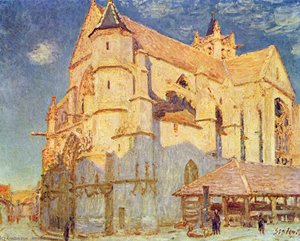
The Church at Moret, Rainy Morning
 Oil On Canvas
- WallArt
- Impressionist Landscape
 1893
1893 81.0 x 65.0 cm
Alfred Sisley’s Impressionist masterpiece captures a tranquil rainy morning scene at Moret Church, France—a luminous depiction of faith and fleeting light, inviting you to explore this serene beauty.
 Lue lisää
Alfred Sisley (1839-1899): Ranskalainen impressionisti, tunnettu rauhallisista maisemista ja valon kauniista vangitsemisesta joissa on tyyppiesesti puroja ja maaseutua.
Käsinmaalattu öljyvärinen jäljennös
Käsinmaalattu öljyväri kankaalle haluamassasi koossa ja kehyksissä, taiteilijoidemme valmistamana tilauksesta. ( Vaihda tulosteeseen Siirry digitaaliseen kuvaan)




P118B $10

P118H $10

P118W $10

P438Z $10

P508JH $12

P508YH $12

P805H $10

P805Z $10

P919BZ $10

P919G $10

P919XJ $10

P959ZH $10

P968JZ $12

W106C $8

W218G $10

W218JH $8

W218Y $10

W307PJ $10

W316G $10

W316PJ $8

W316Y $10

W398PJ $8

W4111J $10

W500HY $15

W500JH $15

W692G $12

W849H $8

W940BG $15

W953PJ $8




Vakiokoko
mittatilaustyö
CM
INCH
Valitse valmiista mitoistamme sellaiset, jotka vastaavat teoksen alkuperäisiä mittasuhteita.
Loading sizes...

leveys
korkeus
Voit syöttää omat mitat sopimaan tiettyyn kehykseen tai tilaan. Jos valitsemasi koko ei vastaa alkuperäisen kuvan mittasuhteita, rajaamme taideteoksen tai jatkamme maalausta käsin maalatuilla elementeillä. Digitaalinen esikatselu lähetetään hyväksyttäväksi ennen tuotannon aloittamista.
Huomioithan, että näytöllä oleva esikatselu ei vastaa todellista rajausta tai jatkamista. Vain digitaalinen mallikuva näyttää lopullisen sommittelun tarkasti.
Vaikka mittatilaustyöt ovat mahdollisia, suosittelemme valitsemaan mitan ennalta määritetystä listasta alkuperäisten mittasuhteiden säilyttämiseksi.
Esimerkkejä muokattavista asioista: Vaihda kasvot asiakkaan omaan valokuvaan; Lisää lemmikki (esim. korvaa kissa koiralla); Lisää taustalle piilotettu viesti; Muuta taustan maisemaa tai elementtejä.
Tilauksen jälkeen TopImpressionists.com -tiimi lähettää asiakkaalle sähköpostitse ohjeet ja esikatselukuvan.
Tilauksen jälkeen TopImpressionists.com -tiimi lähettää asiakkaalle sähköpostitse ohjeet ja esikatselukuvan.
Maailmanlaajuinen toimitus () 3–4 viikossa tavallisen 5 viikon sijaan. (23 syyskuu). Laadusta ei tingitä.

Ilmainen pikatoimitus ympäri maailman

Korkealaatuinen pellavakangas

Kattava kuljetusvakuutus

Tulliveron palautustakuu

Takuu täydellisestä värien vastaavuudesta

100 päivän palautusoikeus valmistusvirhetapauksissa

100% rahat takaisin -takuu

Määräalennus saatavilla
 Lasivaihtoehto on saatavilla vain alle 110 cm kokoisille teoksille

The Church at Moret, Rainy Morning
Reproduktiotapa
Replikaatin koko
-


Kokonaishinta
$ 269
A Moment Captured in Watercolor Light
Alfred Sisley’s “The Church at Moret, Rainy Morning,” painted in 1893, stands as a quintessential emblem of Impressionist art—a testament to the movement's dedication to portraying fleeting impressions rather than meticulously rendered details. Held within the Museum Langmatt in Switzerland, this canvas (81 x 65 cm) isn’t merely a depiction of a church; it’s an embodiment of atmosphere and emotion, skillfully conveyed through Sisley’s masterful use of watercolor.
The Essence of Impressionism: Light and Atmosphere
Sisley's artistic philosophy revolved around capturing the ephemeral qualities of light—a preoccupation shared with Monet and Renoir. He sought to convey not what he *saw*, but how it *felt*. “The Church at Moret, Rainy Morning” exemplifies this approach perfectly. The overcast sky casts a diffused glow upon the stone façade of Saint-Sulpice church, highlighting its architectural grandeur while simultaneously softening its contours. This deliberate blurring of lines is characteristic of Impressionism’s rejection of academic conventions and embraces spontaneity.
Technique and Composition: Broken Brushstrokes
Sisley achieved this luminous effect through a technique rooted in broken brushstrokes—a hallmark of Impressionist painting. Rather than blending colors smoothly, he applied pigment in short, irregular dashes that allowed individual strokes to retain their vibrancy and texture. These visible marks contribute significantly to the painting’s dynamism, mirroring the subtle movement of raindrops glistening on the church roof and surrounding buildings. The composition is balanced by the inclusion of an old building with a pointed roof—a deliberate choice reflecting Sisley's fascination with rural landscapes and architectural forms.
Historical Context: Monet's Fellow Traveler
Painted during a period of artistic experimentation, “The Church at Moret” aligns itself closely with the broader Impressionist movement. Sisley collaborated extensively with Claude Monet on numerous projects, sharing a similar vision for capturing the beauty of nature and experimenting with innovative painting methods. Like Monet’s works—particularly his series depicting Rouen Cathedral—Sisley aimed to distill the essence of a particular scene into a single moment in time, prioritizing sensory experience over precise representation.
Symbolism and Emotional Resonance
Beyond its technical brilliance, “The Church at Moret” possesses a subtle symbolic depth. The church itself represents faith and tradition—values that resonated deeply within the Impressionist artists’ worldview. However, Sisley's focus isn’t on conveying religious dogma; instead, he invites viewers to contemplate the serenity of a rainy day and the quiet contemplation afforded by simple surroundings. The painting evokes feelings of peace, tranquility, and nostalgia—capturing not just what was seen but how it felt to be present in that particular place and time.
Samankaltaisia teoksia




Taiteilijan elämäkerta
A Life Immersed in Light and Landscape
Alfred Sisley, nimi usein kuultu yhdessä Monet’n, Renoir'n ja Pissarro'n kanssa, on ainutlaatuinen ja syvästi kaunis hahmo Impressionismin liikkeessä. Hän syntyi Pariisissa 30. lokakuuta 1839, brittiläisten vanhempien poikana – William Sisley, silkkiä myyvä kauppias, ja Felicia Sell, musiikin ystävä. Tämä monikulttuurinen tausta vaikutti hienovaraisesti hänen taiteelliseen näkökulmaansa. Vaikka hän vietti lähes koko elämänsä Ranskassa, Sisley säilytti brittiläisen kansalaisuuden, mikä myöhemmin aiheutti henkilökohtaista pettymystä, kun hän haki ranskaa luonnollista kansalaisuutta. Varhaiset vuotensa olivat mukavasti bourgeois-luokkaan kuuluvat, tarjoten mahdollisuuden hakeutua opiskelemaan aluksi kauppaoppiin Lontoossa 18-vuotiaana. Taiteen lumous kuitenkin osoittautui voimakkaammaksi, ja hän palasi Pariisiin vuonna 1861, aloittaen muodollisen koulutuksen sveitsiläisestä taidemaalarista Marc-Charles-Gabriel Gleyrestä École des Beaux-Artsissa. Täällä, vilkkaassa taiteellisessa ilmapiirissä aikakaudella, Sisley solmi tärkeitä ystävyyssuhteita Monet'n, Renoir'n ja Bazillen kanssa – suhteita, jotka syvästi muokkasivat hänen taiteellista polkuaan. Nämä seuralaiset jakavat kapinallisen henkeen, hyläten tiukat akatemian säännöt ja keskittyen vangitsemaan ohikiitäviä valon ja tunnelman vaikutuksia suoraan luonnollisesta maailmasta.The Quiet Master of Impressionism
Sisley'n omistautuminen *plein air* -maalaukseen – työskentely ulkona, suoraan luonnon äärellä – oli vakaata. Toisin kuin jotkut hänen aikansaikaistaan, jotka kokeilivat monenlaisia genrejä, Sisley pysyi uskollisena maisemille koko uransa ajan. Tämä keskittynyt omistautuminen mahdollisti hänen hienosäädettävänsä tunnusomaista tyyliään, joka on tunnettu rauhallisuudestaan, herkistä väripaleteistaan ja valon ja tunnelman hienovaraisesta esittäytymisestä. Hänen maalauksensa ovat usein peittyneet vaaleisiin sävyihin – vihreitä, pinkkejä, purppuroita, pölyisiä sinisiä ja kermanvärisiä – luoden rauhallisen pohdinnan tunnelman. Varhaiset teokset ovat suurin piirtein kadonneet ajan kanssa, mutta hänen kypsien maalauksensa paljastavat tarkkanäköisen havainnon luonnosta yhdistettynä runolliseen herkkyyteen. Hän ei keskittynyt suurten tarinoihin tai dramaattisiin eleisiin; pikemminkin hän löysi kauneutta arkisesta – rauhallisten jokien virtausta, auringonsäteiden läpäisevyyttä puissa ja maaseudun hiljaista viehätystä. Varhaiset taloudelliset vaikeudet, jotka johtivat hänen isänsä liiketoiminnan konkurssiin Ranskan-Preussin sodan jälkeen vuonna 1870, varjoivat suurinta osaa hänen urastaan. Hän oli todellinen Impressionisti, mutta yksi, jonka työ ei saanut laajaa tunnustusta eläessään.Rivers, Canals, and the Essence of Place
Sisley'n teosten toistuvat teemat ovat usein hänen intohimonsa veteen liittyen. Maisemamaalaukset muuttuivat tunnusomaisiksi aiheiksi, mikä ilmenee hänen sarjassaan maalauksia Thames-joen ympärillä Hampsteadissa vuonna 1874. Nämä teokset, jotka vangitsevat rauhallisen joen kauneuden ja sen ympäristön, ovat hänen parhaimmistaan – "täydellinen hetki Impressionismia", kuten taidehistorioitsija Kenneth Clark kuvaili niitä. Hän kehitti myös syvän yhteyden Moret-sur-Loingiin, jossa hän asui monien vuosien ajan, ikuistamalla sen kanavat, sillat ja ympäröivän maaseudun lukemattomiin maalauksiin. Maalauksia kuten "Watermill near Moret", "Barges on the Loing Canal, Spring" ja “Fields around the Forest” osoittavat hänen kykyään sisällyttää tavalliset paikat runolliseen kauneuteen. Hän ei ainoastaan kuvannut näitä paikkoja; hän vangitsi niiden *essenssin*, välittäen ei vain mitä ne näyttivät, vaan myös miten ne tuntuivat – rauhallinen tuuli, auringon lämpö, joen hiljainen kuohuilu. Tämä herkkyys tunnelmalle ja tunteille on ehkä Sisley'n ikuisesti kestävän perinnön keskeisin osa.Influences and a Lasting Legacy
Sisley'n taiteelliset vaikutteet olivat monipuolisia. Gleyren akateeminen koulutus tarjosi pohjan tekniikalle, kun taas Monet'n, Renoir'n ja Bazillen ystävyys edisti yhteistä sitoutumista Impressionististen periaatteisiin. Hän omaksui heidän painotuksensa ohikiitävien valon ja tunnelman vangitsemisessa, mutta kehitti oman ainutlaatuisen äänensä – yhden, joka on tunnettu hillityisyydestä ja hienovaraisuudesta. Vaikka hän työskenteli usein suhteellisen anonyymisti eläessään, hänen teoksensa ovat nyt arvostettuja kauneutensa, herkkyytensä ja omistautumisensa luonnon esittämiseen. Hänen vaikutuksensa näkyy myöhempien maisema-maalareiden töissä, jotka pyrkivät vangitsemaan ohikiitävien valoefektien hienovaraisuuden samalla tavalla. Hän edusti tärkeää linkkiä Barbizonin koulun ja Impressionismin täydellisen kukinnan välillä. Sisley kuoli 29. tammikuuta 1899 Moret-sur-Loingissa, ikäänsä 59 vuotta vanha, jättäen jälkeensä teoksen, joka inspiroi edelleen ihailua ja arvostusta.
Alfred Sisley
1839 - 1899 , Ranska
Tietoa taiteilijasta
- Artistic Movement Or Style: Impressionismi
- Artists Or Movements Influenced By This Artist: ['Barbizonin koulu']
- Artists Who Influenced This Artist:
- Gleyre
- Monet
- Renoir
- Date Of Birth: 1839-10-30
- Date Of Death: 1899-01-29
- Full Name: Alfred Sisley
- Nationality: Brittiläis-ranskalainen
- Notable Artworks:
- Joet Moretissa
- Kanavat Loingilla
- Place Of Birth: Pariisi, Ranska
Aiheeseen liittyvät artikkelit

10 legendaarista öljyvärimaalausta puulle – Taidehistrian mestariteoksia kotiisi
Tutustu 10 legendaariseen öljyvärimaalaukseen puulle! Uppoudu taidehistorian mestariteoksiin, tunnettujen taiteilijoiden tarinoihin ja inspiroiviin väripaletteihin. Löydä täydellinen seinätaide kotiisi TopImpressionists.comista – korkealaatuiset taidekopiot ja sisustusideoita odottavat!

Oil on Canvas: A Historical & Technical Exploration of a Timeless Artistic Medium
Explore the rich history & enduring techniques of oil painting on canvas. Discover the science behind its longevity, conservation practices, and contemporary relevance. Expert insights for art enthusiasts.

Alfred Sisley: Capturing the Ephemeral Essence of Impressionist Landscape
Explore the life & art of Alfred Sisley, a master of Impressionist landscape painting. Discover his dedication to 'en plein air' techniques and serene depictions of nature. Learn about his legacy & find high-quality reproductions at TopImpressionists.

Paul Cézannen 25 mestariteosta: Taidetta kotiisi – TopImpressionists.com
Tutustu Paul Cézannen 25 vaikuttavinta mestariteosta! Postimpressionismin huipputeoksia, still life -maalauksia ja ikonisia maisemia. Löydä taiteen tarinat ja inspiroi kotisi sisustusta TopImpressionists.com:ssa. Tutki kokoelma verkossa!

The Enduring Legacy of Oil on Canvas: Technique, History & Aesthetic Impact
Explore the rich history & techniques of oil painting – from Renaissance masters to Impressionism. Discover pigments, layering methods, and why this timeless medium endures. Expert insights for artists & art enthusiasts.
Tutustu teoksiin, jotka on järjestetty aiheiden, tyylien ja ominaisuuksien mukaan.


