


 Katso seinällä
 Lähetä
 Jaa
Jaa
 Tarkemmat tiedot
 Opas
Opas

 Lataa kuva
 Samanlaisia kohteita
 Röntgenkuvaus
 Diaesitys
 Tilastot
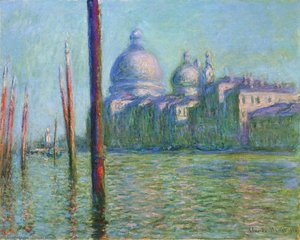
Kanava Grande 3


Claude Monetin Kanava Grande 3 - vaikuttava venäläinen maalainen! Tämä yksityiskohtainen öljyvärimaalaus tuo mestariteoksen kauneuden kotiisi korkealaatuisena jäljitelmänä. Tilaa nyt!
 Lue lisää
Tutustu impressionismin mestari Claude Monetiin, joka tunnetaan katoavan valon ja värin vangitsemisesta ikonisissa maisemissa, kuten Vesiliileissä ja heinäsuoissa.
Giclée- ja taideprintit
Museolaatuisia giclée- tai kankaitaulun tulosteita nopealla tuotannolla ja joustavilla viimeistelyvaihtoehdoilla. ( Tilaa käsinmaalattu jäljennös Siirry digitaaliseen kuvaan)




P118B €10

P118H €10

P118W €10

P438Z €10

P508JH €12

P508YH €12

P805H €10

P805Z €10

P919BZ €10

P919G €10

P919XJ €10

P959ZH €10

P968JZ €12

W106C €8

W218G €10

W218JH €8

W218Y €10

W307PJ €10

W316G €10

W316PJ €8

W316Y €10

W398PJ €8

W4111J €10

W500HY €15

W500JH €15

W692G €12

W849H €8

W940BG €15

W953PJ €8




Vakiokoko
mittatilaustyö
CM
INCH
Valitse valmiista mitoistamme sellaiset, jotka vastaavat teoksen alkuperäisiä mittasuhteita.
Loading sizes...

leveys
korkeus
Kirjoita tarvitsemasi leveys ja korkeus, jotta tuloste sopii kehyskokoon tai seinällesi. Tulostetta voidaan vain leikata, sitä ei voi koskaan tehdä suuremmaksi kuin alkuperäinen kuva, joten eri muotoinen koko aiheuttaa osan kuvasta katoamisen. Lähetämme sinulle digitaalisen mallikuvan hyväksyttäväksi ennen kuin aloitamme tulostuksen. Tällä sivulla näkyvä kuva ei näytä lopullista leikkausta — vain mallikuva näyttää sen.
Maailmanlaajuinen toimitus () 2 viikossa tavallisen 4–5 viikon sijaan. (22 lokakuu)

Ilmainen pikatoimitus ympäri maailman

Korkealaatuinen pellavakangas

Kattava kuljetusvakuutus

Tulliveron palautustakuu

Takuu täydellisestä värien vastaavuudesta

100 päivän palautusoikeus valmistusvirhetapauksissa

100% rahat takaisin -takuu

Määräalennus saatavilla
 Lasivaihtoehto on saatavilla vain alle 110 cm kokoisille teoksille

Kanava Grande 3
Giclée- ja taideprintit
Replikaatin koko
-


Kokonaishinta
€ 61
Claude Monet: The Impressionist Pioneer
Claude Monet (1840–1926) stands as an undisputed titan of Impressionism, a movement that irrevocably transformed the landscape of European art and fundamentally altered how artists perceived and represented the world around them. Born Oscar Claude Monet in Paris, France, his artistic journey began amidst the burgeoning intellectual ferment of the Belle Époque—a period characterized by optimism, technological advancement, and a fervent embrace of new ideas. Influenced profoundly by Eugène Boudin’s advocacy for plein air painting – capturing scenes directly from nature – Monet swiftly abandoned academic conventions favoring instead a revolutionary approach that prioritized fleeting impressions of light and color. This decision wasn't merely stylistic; it represented a profound philosophical shift toward experiencing the world as it truly appeared, rather than imposing preconceived notions upon it.- Early Influences: Boudin’s encouragement to paint outdoors instilled in Monet a lifelong dedication to observing and documenting natural phenomena with unprecedented accuracy.
- Academic Training: Despite his father's reservations about pursuing art professionally, Monet briefly studied at the Acadéemie Suisse and under Charles Gleyre, encountering fellow artists like Auguste Renoir who would become collaborators and friends.
The Grand Canal Series: Venice Revisited
Monet’s second visit to Venice in 1908 cemented his reputation as an artist capable of capturing the sublime beauty of urban landscapes. Driven by a desire to explore how light interacted with architectural forms, he embarked on a prolific series of paintings depicting the iconic Grand Canal—a waterway teeming with gondolas and reflecting the hazy glow of Venetian skies. Unlike traditional painters who sought to render precise details and perspective, Monet prioritized conveying atmosphere and emotion through subtle gradations of color and brushstrokes. His technique involved layering thin glazes of paint onto canvas, allowing light to penetrate through successive layers and creating shimmering effects that captured the ephemeral quality of Venetian daylight.- Technique: Monet’s masterful use of glazing—applying translucent layers of pigment—was instrumental in achieving his signature luminous style.
- Composition: He skillfully arranged gondolas and boats within the frame, emphasizing the interplay between light and shadow to heighten the dramatic impact of each scene.
Symbolism Beyond Representation
Monet’s artistic vision extended far beyond mere visual depiction; he sought to imbue his paintings with symbolic resonance—reflecting the philosophical currents of his time and conveying deeper truths about human experience. The Grand Canal series, for instance, served as a meditation on beauty, tranquility, and the passage of time—themes that resonated deeply with Impressionist artists who rejected sentimentalism in favor of capturing authentic emotion. Monet’s fascination with light—considered by him to be the primary agent of perception—mirrored the broader intellectual preoccupation with scientific inquiry and the challenge to traditional epistemological assumptions. His canvases became embodiments of a worldview rooted in observation, intuition, and an unwavering belief in the transformative power of art.- Light as Inspiration: Monet viewed light not merely as illumination but as an active force shaping our sensory experience—a concept central to Impressionist thought.
- Emotional Resonance: His paintings evoked feelings of serenity, wonder, and contemplation—reflecting the artists’ desire to communicate profound truths about human existence.
Legacy and Influence
Claude Monet's legacy transcends his artistic achievements; he established Impressionism as a dominant aesthetic force that continues to inspire artists worldwide. His pioneering approach to plein air painting revolutionized artistic practice, paving the way for subsequent movements such as Fauvism and Expressionism—all of which embraced bold color palettes and emotive brushstrokes in defiance of academic conventions. Monet’s unwavering commitment to capturing the fleeting beauty of nature cemented his place among the most influential artists of the 19th century—a testament to the enduring power of artistic vision and its capacity to reshape our understanding of the world. Photo Description: The painting is a beautiful representation of the Grand Canal in Venice, Italy. The scene features several boats floating on the water, with some closer to the foreground and others further away. There are also two gondolas visible in the image, one near the center and another towards the right side. In addition to the boats, there is a person standing close to the left edge of the painting, possibly enjoying the view or attending to their boat. The overall atmosphere of the painting is serene and picturesque, capturing the essence of Venice’s iconic waterway. Size: Unknown Date: Unknown ARTIST INFORMATION: ================== Artist: Claude Monet Birth Year: 1840 Death Year: 1926 Birth City: Paris Birth Country: France Biography:A Life Immersed in Light: The World of Claude Monet
Oscar-Claude Monet, a name synonymous with Impressionism, wasn't merely a painter of landscapes; he was a chronicler of fleeting moments, a poet of light and color. Born in Paris on November 14, 1840, his early life took an unexpected turn when his family relocated to Le Havre, Normandy, at the age of five. Although his mother, Louise-Justine Aubrée Monet, supported his ambitions to be a painter, his father, Claude-Adolphe, disapproved and wanted him to go into the family's ship-chandling and grocery business. He was very close to his mother, but she died in January 1857 when he was sixteen years old, and he was sent to live with his childless, widowed but wealthy aunt, Marie-Jeanne Lecadre. He went on to study at the Acadéemie Suisse, and under Charles Gleyre, where he was a classmate of Auguste Renoir. His early works include landscapes, seascapes, and portraits, but attracted little attention. A key early influence was Eugène Boudin, who introduced him to the concept of plein air painting. From 1883, Monet lived in Giverny, also in northern France, where he purchased a house and property and began a vast landscaping project, including a water-lily pond.
Monet’s ambition to document the French countryside led to a method of painting the same scene many times so as to capture the changing of light and the passing of the seasons. Among the best-known examples are his series of haystacks (1890–1891), paintings of Rouen Cathedral (1892–1894), and the paintings of water lilies in his garden in Giverny, which occupied him for the last 20 years of his life. Frequently exhibited and successful during his lifetime, Monet's fame and popularity soared in the second half of the 20th century when he became one of the world’s most famous painters and a source of inspiration for a burgeoning group of artists.
Monet was raised in Le Havre, Normandy, and became interested in the outdoors and drawing from an early age. Although his father, Claude-Adolphe, wanted him to go into the family's ship-chandling and grocery business, Monet wanted to become an artist. His mother was a singer, and supported Monet’s desire for a career in art.
On 1 April 1857, he entered Le Havre secondary school of the arts. He was an apathetic student who, after showing skill in art from a young age, began drawing caricatures and portraits of acquaintances at age 15 for money. He began his first drawing lessons from Jacques-François Ochard, a former student of Jacques-Louis David. His father disapproved of Monet’s artistic ambitions.
Monet married Camille Doncieux in 1873. They had a son together, Jean Monet.
Monet died on December 5, 1926, in Giverny. He is buried at Saint-Germain-des-Prés Cemetery in Paris.
Kysymykset ja vastaukset
Onko Claude Monet:n "Kanava Grande 3" pysty-, vaaka- vai neliökompositio?
Teoksella Claude Monet:n "Kanava Grande 3" on Vaakaorientaatio -muoto. Muoto kuvaa sommittelun mittasuhteita.
Mihin taidesuuntaukseen Claude Monet:n "Kanava Grande 3" kuuluu?
"Kanava Grande 3" on Impressionist Painting-tyylisuuntaan kuuluva teos. Tyylisuunta ilmaisee taiteellisen perinteen, johon teos kuuluu.
Miten teoksen "Kanava Grande 3" aihe liittyy Claude Monet'n tavallisiin teemoihin?
Claude Monet:n toistuvia teemoja ovat boudin’s impressionist vision, venetian light studies, philosophical observation, symbolic beauty quest, monet legacy influence; "Kanava Grande 3" keskittyy aiheisiin venice canal, light reflection, urban landscape, monet style, atmospheric impression, gondolas, summer sunlight.
Samankaltaisia teoksia




Taiteilijan elämäkerta
Valon valossa uppoutunut elämä: Claude Monetin maailma
Oscar-Claude Monet, nimi joka on synonyymi impressionismille, ei ollut pelkästään maisemamaalari; hän oli katoavien hetkien kronikoija, valon ja värin runoilija. Hän syntyi Pariisissa 14. marrasta 1840, mutta hänen varhaiset vuotensa saivat odottamattoman käänteen, kun perhe muutti Le Havreen Normandiaan viisivuotiaana. Vaikka hänen isänsä toivoi hänestä alun perin kaupallista uraa, nuoren Clauden luontainen taiteellinen lahjakkuus nousi nopeasti esiin ilmestyen ensin paikallisesti myydyissä hiilipiirroskarikatyyreissä – todisteena sekä hänen taidostaan että yrittäjähengestään. Kuitenkin ratkaisevaksi osoittautui kohtaaminen Eugène Boudinin kanssa. Boudin ei opettanut Monet’ta vain *miten* maalata; hän istutti häneen vallankumouksellisen ajatuksen maalata en plein air – suoraan luonnosta – käytännöstä, joka määrittäisi hänen koko taiteellisen matkansa.
Monetin virallinen koulutus alkoi Pariisissa, lyhyesti Académie Suessa ja myöhemmin Charles Gleyn alaisuudessa. Juuri täällä hän solmi pysyviä ystävyyssuhteita muiden taiteilijoiden, kuten Auguste Renoirin, kanssa – siteen, joka rakennettiin yhteisten taiteellisten turhautumisten ja halun varaan vapautua perinteisen akateemisen maalaustavan rajoitteista. Hänen varhaiset teoksensa osoittivat teknistä taituruutta, mutta niistä puuttui vielä se omaleimainen ääni, joka pian määrittelisi hänen tyylinsä. Seuraa epävarmuuden aika – Franco-Preussin sota pakotti Monet’n etsimään turvapaikkaa Lontoosta, missä hän uppoutui englantilaisten maisemamestareiden, kuten J.M.Wh Turnerin, työhön ja omaksui heidän ilmakehän vaikutelmia sekä innovatiivista värinkäyttöään.
Esteettisen vallankumouksen synty
Palattuaan Ranskaan Monet nousi kasvavan taiteellisen kapinan keskeiseksi hahmoksi. Tyytymättömänä Salonin konservatiivisiin standardeihin, hän liittyi muiden sammallaisten taiteilijoiden joukkoon järjestääkseen itsenäisiä näyttelyitä. Vuoden 1874 näyttely osoittautui käännekohdaksi ei vain Monetille, vaan koko taidemaailmalle. Juuri täällä esitettiin hänen maalauksensa ”Impression, soleil levant” (Impression, Sunrise) – usvainen kuvaus Le Havren satamasta aamunkoitteessa – ja siitä alkuperäisin tuo ivallinen termi "impressionismi". Nimi kuitenkin jäi elämään ja kehittyi kunnianmerkiksi liikkeelle, joka pyrki vangitsemaan kohteen subjektiivisen *vaikutelman* pikemminkin kuin sen tarkan esityksen.
Monetin tunnusomainen tyyli kukoisti tänä aikana: rennot, näkyvät siveltimenvedot, eloisat ja usein sekoittamattomat värit rinnakkain asetettuina (tekniikka, joka tunnetaan nimellä ”broken color”) sekä järkkymätön keskittyminan valon katoavaisuuden vangitsemiseen. Hän tavoitteli periksiantamattomasti plein air -harjoitustaan työskennellen nopeasti tallentaakseen välittömät havaintonsa ennen kuin muuttuvat olosuhteet muuttivat näkymää. Tämä omistautuminen ei koskenut vain sitä, mitä hän *näki*, vaan pikemminkin sitä, miltä hän *tuntui* vastauksena siihen – radikaali poikkeama taiteellisista konventioista.
Giverny: Valon ja heijastusten paratiisi
Vuonna 1883 Monet asettui Givernyyn, Pariisin luoteispuolelle, perustaaen kodin ja puutarhan, josta tulisi sekä hänen pyhättönsä että hänen suurin inspiraationlähteensä. Hän muutti kiinteistön huolellisesti hienostuneeksi paratiisiksi, joka sisälsi eksoottisia kukkia, itkuojia ja kuuluisimman osan: japanilaista siltaa reunustavan lumpeelammikon. Tämä ei ollut pelkkä koristepuutarha; se oli elävä laboratorio, jossa Monet saattoi tutkia valon vaikutuksia veteen, lehdistöön ja heijastuksiin hallituissa olosuhteissa.
Hänen elämänsä viimeiset vuosikymmenet omistettiin lähes kokonaan Givernyn lumpeelammikon maalaamiselle. Hän aloitti monumentaalisen Water Lilies -sarjan (Nymphéas), luoden valtavia kangasta, jotka esittivät lammen pinnan jatkuvasti muuttuvana värien ja valon kudoksena. Nämä eivät olleet vain maalauksia kukista; ne olivat upottavia kokemuksia, joiden tarkoituksena oli kietoa katsoja seesteisen kauneuden ja mietiskelevän tyynen maailman syleilyyn. Näiden teosten mittakaava on henkeäsalpaava, työntäen perinteisen maalaustaiteen rajoja ja ennakoiden abstraktia ekspressionismia.
Perintö: Pysyvä vaikutus taidehistoriaan
Claude Monet’n vaikutus taidehistoriaan on mittaamaton. Hän ei ollut ainoastaan impressionismin perustaja; hän muutti perustavanlaatuisesti tapaa, jolla taiteilijat havaitsevat ja esittävät ympäröivää maailmaa. Hänen painotuksensa subjektiiviseen kokemukseen, plein air -maalaustavan omaksuminen ja innovatiiviset tekniikat ravasivat tietä modernin taiteen tutkimuksille abstraktiosta ja epärepresentatiivisista muodoista.
Monet saavutti elinaikanaan huomattavaa kaupallista menestystä – mikä oli harvinaista hänen aikansa avantgarde-taiteilijoille. Hänen työnsä jatkavat ihailun herättämistä ja lumoavat yleisöjä ympäri maailmaa, vahvistaen hänen paikkansa yhtenä läntisen taiteen tärkeimmistä hahmoista. Hän kuoli 5. joulukuuta 1926 jättäen jälkeensä perinnön, joka resonoi sukupolvien yli taiteilijoiden ja taiteen ystävien keskuudessa. Hänen mestariteoksiaan säilytetään arvostetuissa instituutioissa, kuten Pariisin Musée d’Orsayssa ja Musée Marmottan Monetissa, varmistaen, että hänen visionsa jatkaa maailman valaisemista.
Keskeiset taiteelliset tekniikat
- Plein Air -maalaus: Keskeistä kehityksessään, mahdollistaen valon ja ilmakehän suoran havainnoinnin.
- Broken Color (Rikkonainen väri): Puhdasta väriä olevien pienten vetojen asettaminen rinnakkain optisen sekoittumisen saavuttamiseksi.
- Sarjamaalaus: Saman aiheen esittäminen eri valaistus- ja sääolosuhteissa – osoittaen ajan ja valon muuntautumisvoiman.

Claude Monet
1840 - 1926 , Ranska
Tietoa taiteilijasta
- Artistic Movement Or Style: Impressionismi
- Artists Or Movements Influenced By This Artist: ['Moderni taide']
- Artists Who Influenced This Artist:
- Eugène Boudin
- J.M.W. Turner
- Date Of Birth: 14. marraskuuta 1840
- Date Of Death: 5. joulukuuta 1926
- Full Name: Oscar-Claude Monet
- Nationality: Ranskalainen
- Notable Artworks:
- Auringonnousu
- Vesililjat
- Heinäkasat
- Place Of Birth: Pariisi, Ranska
Aiheeseen liittyvät artikkelit

Musée d'Orsay'n 25 mestariteosta: Taidetta, historiaa ja inspiraatiota kotiisi
Tutustu Musée d'Orsayn 25 mestariteokseen! Uppoudu impressionismin ja postimpressionismin maailmaan – Monet, Renoir, Van Gogh & muut. Taidetta kotiisi TopImpressionists.comista. Löydä kokoelma verkossa!

Capturing Light: The Revolution of Impressionism and the Enduring Legacy of Claude Monet
Explore the revolutionary history of Impressionism and the luminous legacy of Claude Monet. Discover how his mastery of light and color redefined modern art through an expert-led journey into the heart of 19th-century France.

Impressionismin mestariteokset: Maisemamaalauksen lumo TopImpressionistsissa
Tutustu impressionismin lumoavaan maailmaan! Koe Claude Monet'n, Renoir'n ja muiden mestareiden ikonisten maisemamaalausten tarinat. Löydä inspiraatiota sisustukseen TopImpressionistsista – taidetta museolaadulla. Explore the full collection online!

Claude Monet: 25 mestariteosta valokuvauksellisiin sisustuksiin – TopImpressionists.com
Tutustu Claude Monet'n 25 mestariteokseen! Uppoudu impressionismin maailmaan, vesililyistä Rouenin katedraaliin. Löydä taideprintit ja inspiraatiota sisustukseesi TopImpressionists.comista. Tutki kokoelma verkossa!

Top 10 Impressionistimaisemaa: Taideteokset jotka muuttivat taiteen – TopImpressionists.fi
Tutustu 10 ikoniseen impressionistimaisemaan! Claude Monet’n ja muiden mestareiden teokset heräävät eloon. Taiteen historiaa, tekniikoita ja inspiraatiota kotiisi – TopImpressionists.com:sta löydät museolaatuiset taideprintit ja sisustusehdotukset. Tutki kokoelma verkossa!
Tutustu teoksiin, jotka on järjestetty aiheiden, tyylien ja ominaisuuksien mukaan.


