


 Katso seinällä
 Lähetä
 Jaa
Jaa
 Tarkemmat tiedot
 Opas
Opas

 Lataa kuva
 Samanlaisia kohteita
 Röntgenkuvaus
 Diaesitys
 Tilastot
James Duff Corsindae


Kosmo Alexanderin maalauksessa näkyy James Duff Corsindae, italialainen sotilasmies, jonka tarkka anatominen kuvaus oli aikansa huipentuma. Näyttelyssä Edinburghissa.
 Lue lisää
A classical realism portraitist and teacher of Gilbert Stuart. Discover the legacy of his historic American colonial works today.
Käsinmaalattu öljyvärinen jäljennös
Käsinmaalattu öljyväri kankaalle haluamassasi koossa ja kehyksissä, taiteilijoidemme valmistamana tilauksesta. ( Vaihda tulosteeseen Siirry digitaaliseen kuvaan)




P118B €10

P118H €10

P118W €10

P438Z €10

P508JH €12

P508YH €12

P805H €10

P805Z €10

P919BZ €10

P919G €10

P919XJ €10

P959ZH €10

P968JZ €12

W106C €8

W218G €10

W218JH €8

W218Y €10

W307PJ €10

W316G €10

W316PJ €8

W316Y €10

W398PJ €8

W4111J €10

W500HY €15

W500JH €15

W692G €12

W849H €8

W940BG €15

W953PJ €8




Vakiokoko
mittatilaustyö
CM
INCH
Valitse valmiista mitoistamme sellaiset, jotka vastaavat teoksen alkuperäisiä mittasuhteita.
Loading sizes...

leveys
korkeus
Voit syöttää omat mitat sopimaan tiettyyn kehykseen tai tilaan. Jos valitsemasi koko ei vastaa alkuperäisen kuvan mittasuhteita, rajaamme taideteoksen tai jatkamme maalausta käsin maalatuilla elementeillä. Digitaalinen esikatselu lähetetään hyväksyttäväksi ennen tuotannon aloittamista.
Huomioithan, että näytöllä oleva esikatselu ei vastaa todellista rajausta tai jatkamista. Vain digitaalinen mallikuva näyttää lopullisen sommittelun tarkasti.
Vaikka mittatilaustyöt ovat mahdollisia, suosittelemme valitsemaan mitan ennalta määritetystä listasta alkuperäisten mittasuhteiden säilyttämiseksi.
Esimerkkejä muokattavista asioista: Vaihda kasvot asiakkaan omaan valokuvaan; Lisää lemmikki (esim. korvaa kissa koiralla); Lisää taustalle piilotettu viesti; Muuta taustan maisemaa tai elementtejä.
Tilauksen jälkeen TopImpressionists.com -tiimi lähettää asiakkaalle sähköpostitse ohjeet ja esikatselukuvan.
Tilauksen jälkeen TopImpressionists.com -tiimi lähettää asiakkaalle sähköpostitse ohjeet ja esikatselukuvan.
Maailmanlaajuinen toimitus () 3–4 viikossa tavallisen 5 viikon sijaan. (10 lokakuu). Laadusta ei tingitä.

Ilmainen pikatoimitus ympäri maailman

Korkealaatuinen pellavakangas

Kattava kuljetusvakuutus

Tulliveron palautustakuu

Takuu täydellisestä värien vastaavuudesta

100 päivän palautusoikeus valmistusvirhetapauksissa

100% rahat takaisin -takuu

Määräalennus saatavilla
 Lasivaihtoehto on saatavilla vain alle 110 cm kokoisille teoksille

James Duff Corsindae
Reproduktiotapa
Replikaatin koko
-


Kokonaishinta
€ 232
James Duff of Corsindae – Cosmo Alexanderin Maalaus: Tarkastelu Klassisen Aikakauden Eleganssiin
Cosmo Alexanderin maalauksesta ”James Duff of Corsindae” huokuu aikansa eleganssia ja tarkkuutta anatomian tuntemuksen pohjalta. Tämä vuoden 1760 teos, joka nykyisin sijaitsee Edinburghissa sijaitsevassa Scottish National Galleryssa, ei ole pelkästään henkilökohtainen muotokuva; se on myös mestariluokan esimerkki klassisen aikakauden taiteesta ja yksityiskohtaisten anatomian tutkimusten tuloksena syntynyt näkemys. Maalauksessa kuvataan James Duff niminen mies, jonka asu kertoo hänestä sotilasvirkailijana tai aatelisena – henkilö, joka oli tuohon aikaan merkittävässä asemassa yhteiskunnassa. Alexanderin tarkka anatomian tutkimus ja huolellinen työskentely ovat tehneet hänestä tunnetuksi erityisesti hevosen anatomian kuvaajana. Alexanderin ura taiteilijana alkoi hänen isänsä jalostuksen työssä, jossa hän oppi käsityötaitoja jo nuorena miehenä. Tämä kokemus vaikutti syvästi hänen maailmankuvaansa ja loi pohjan hänen tulevalle keskittyneisyyttään anatomian tutkimukseen. Hän oli erityisen kiinnostunut hevosen anatomiaan, mikä näkyy hänen monissa suurissa teoksissaan. Stubbsin työskentelyssä käytettiin huolellisesti tarkkaan valittuja värejä ja tekniikoita – erityisesti öljyväriä – jotka mahdollistivat realistisen kuvan luomisen sekä hevosen liikkeestä että lihasten rakenteesta. Tämä teknikka oli tuohon aikaan uraauurtavaa ja Stubbsin kyky vangita hevosen dynamiikka oli todellinen ihme. Maalauksessa Duffin katseeseen kohdistuva tarkka huomio tuo henkilökohtaisen tunnelman maalaukseen, joka korostaa yksilön asemaa yhteiskunnassa. Alexanderin työ ei ole pelkästään anatomian tutkimus; se on myös henkilökohtainen ilmaisu ja pyrkimys vangita tietty hetki ihmisen elämässä. ”James Duff of Corsindae” tuo esiin aikansa kulttuurin arvostuksen yksityiskohtiin ja tarkkuuteen sekä henkilökohtaisen tunteen voimakkaan ilmaisun. Tämä maalauksesta huokuva eleganssi ja syvyys tekevät siitä erityisen kiinnostavan sekä kokoelma- että sisustussuunnittelijoiden silmään.- Tyyli: Klassinen
- Tekniikka: Öljyväri
- Historia: Aikakausi oli tunnettu anatomian tutkimuksesta ja yksityiskohtaisen kuvan luomisesta.
- Symbolismi: Hevosen anatomia kuvastaa ihmisen voimaa ja liikettä sekä yhteiskunnallista asemaa.
Kysymykset ja vastaukset
Missä museossa alkuperäinen "James Duff Corsindae" on esillä?
Alkuperäinen Cosmo Alexander:n "James Duff Corsindae" on esillä Scottish National Gallery, Edinburgh, Yhdistynyt kuningaskunta-museossa. Reproduktio mahdollistaa teoksen näyttämisen kotona.
Onko teoksesta "James Duff Corsindae" saatavilla korkearesoluutioinen lataus?
Saadaksesi digitaalisen tiedoston teoksesta Cosmo Alexander:n "James Duff Corsindae", tilaa korkearesoluutioinen digitaalinen kuvalataus sivulta tämä sivu.
Onko Cosmo Alexander:n "James Duff Corsindae" -teoksesta saatavilla tietolomaketta opiskelijoille?
Cosmo Alexander:n "James Duff Corsindae" -teoksen Opas -sivu tarjoaa tulostettavan kahden sivun tietolomakkeen: teoksen ja sen tunnistetiedot, aikajanan, joka sijoittaa teoksen taiteilijan elinaikaan, muita taiteilijan teoksia, mitatun väripaletin sekä neljällä eri tyylillä valmiiksi muotoillut lähdeviitteet.
Kuka on luonut "James Duff Corsindae"?
Teos "James Duff Corsindae" on yhdistetty Cosmo Alexander.
Kuinka vanha Cosmo Alexander oli tehdessään "James Duff Corsindae"?
Cosmo Alexander oli 36 vuotias luodessaan teoksen "James Duff Corsindae" vuonna 1760. Ikä on laskettu taiteilijan syntymävuodesta 1724.
Miten teoksen Cosmo Alexander:n "James Duff Corsindae" värikompositio on rakennettu?
Cosmo Alexander:n "James Duff Corsindae" teoksen väriyhdistelmä yhdistää Voimakas kontrastin ja Vahva väriharmonia harmonian.
Milloin "James Duff Corsindae" on tehty?
"James Duff Corsindae" on peräisin vuodelta 1760. Teos sijoittuu Cosmo Alexander uran ja aikakauden kontekstiin.
Samankaltaisia teoksia


Taiteilijan elämäkerta
A Legacy of Portraiture and Pedagogy
The story of Cosmo Alexander is one of wandering brilliance and the profound influence of a master upon his pupil. Born in Scotland to the noted portrait painter John Alexander, Cosmo was destined for a life steeped in the traditions of fine art. Before his journey took him across the Atlantic, he refined his eye through extensive travels across Europe, documenting his presence in Italy between 1745 and 1751, including time in Rome. His artistic development continued in Holland, where he achieved professional recognition by joining the painters' guild at The Hague. These formative years in the great art centers of Europe provided him with a sophisticated foundation in classical techniques that would later define his work in the American colonies.
Though Alexander often referred to himself as a history painter, his enduring legacy resides in his mastery of the portrait. His style, which aligns closely with the Classical Realism later championed by John Singleton Copley, captured the essence of the Scottish community and the colonial elite with remarkable precision. As he moved through the American landscape between 1766 and 1772, his brush followed a path of significant historical importance. From the bustling streets of Philadelphia to the coastal elegance of Newport, Rhode Island, and even as far south as Charleston, South Carolina, Alexander sought to capture the likenesses of a burgeoning nation through a lens of European refinement.
The Teacher of a Master
Perhaps the most significant chapter in Alexander’s life was his role as a mentor. In Newport, Rhode Island, he encountered a young Gilbert Stuart, a meeting that would alter the course of American art history forever. Recognizing the potential in the fourteen-year-old, Alexander took Stuart on as an apprentice. This relationship was more than a mere professional arrangement; it was a passing of the torch from the Old World traditions to the New. The two traveled together through the colonies, eventually returning to Edinburgh in 1771, where the bond between master and student remained unbroken until Alexander’s sudden death.
Alexander's life was marked by both artistic triumph and personal hardship. Driven by financial debts that had forced him to leave London, he arrived in America with the hope of rebuilding his fortune through his craft. While his travels were frequent—visiting New York City, Boston, and Williamsburg—his ability to secure patrons remained a testament to his skill. In Burlington, New Jersey, he even resided within the governor's mansion, utilizing such high-profile connections to find sitters for his portraits. Though his life was cut short in Edinburgh, the impact of his work remains visible in the collections of prestigious institutions today.
- Key Artistic Contributions: Known for over twenty-five identified American portraits that showcase his skill in portraiture and historical genre painting.
- Notable Mentorship: Served as the primary teacher and mentor to the legendary American artist Gilbert Stuart.
- Geographic Reach: His career spanned Scotland, Italy, Holland, England, and various American colonies including New York, Pennsylvania, and Rhode Island.

Cosmo Alexander
1724 - 1772
Aiheeseen liittyvät artikkelit
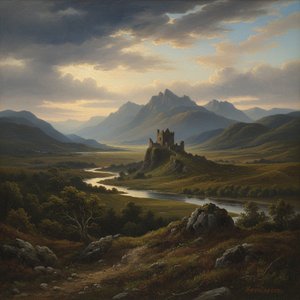
Alexander Nasmyth: Picturing Scotland's Romantic Landscape – Innovation & Identity
Explore the life & art of Alexander Nasmyth, a pivotal figure in Scottish Romantic landscape painting. Discover his iconic works, including portraits of Robert Burns, and learn about his lasting influence on national identity. Fine art reproductions available.

Romantic Realism's Finest: 10 Masterpieces for Your Home | TopImpressionists
Explore 10 defining masterpieces of Romantic Realism! Discover Courbet, Millet & Daumier's powerful paintings—capturing emotion and social realities. Find museum-quality reproductions for your home at TopImpressionists.com.

The Equine Muse: A Historical & Artistic Exploration of Horses in Painting
Explore the captivating history of horses in painting! Discover Renaissance masterpieces, Baroque grandeur & expert insights for collecting equestrian art. Learn about symbolism, techniques & lasting value with TopImpressionists.

The Noble Steed on Canvas: A Historical & Artistic Exploration of Horse Painting Across Cultures
Explore the rich history of horse painting! Discover masterpieces from Stubbs to Munnings & learn about symbolism, techniques & artists. Find museum-quality reproductions at TopImpressionists.

George Stubbs: Anatomical Precision & Romantic Vision in 18th-Century British Art
Explore the captivating world of George Stubbs, the 18th-century master renowned for his anatomical precision & Romantic animal paintings. Discover his legacy and investment potential.
Tutustu teoksiin, jotka on järjestetty aiheiden, tyylien ja ominaisuuksien mukaan.
