


 Esikatselu
 Jaa teos
 Jaa
Jaa
 Tiedot
 Opas
Opas

 Lataa kuva
 Samanlaisia kohteita
 Röntgenkuvaus
 Diaesitys
 Q&A
Q&A Tilastot
The Crowning with Thorns
 Oil On Canvas
- WallArt
- Baroque
 1621
1621 106.0 x 136.0 cm
 Alte Pinakothek
Experience the somber drama of The Crowning with Thorns by Dirck van Baburen (1621), a masterpiece of Dutch Baroque suffering; bring this profound moment home.
 Lue lisää
Dirck van Baburen (1595-1624) oli hollantilainen Caravaggisti-maalausaihe, tunnettu dramaattisesta tenebrismista, genre-kohtauksista ja uskonnollisista teoksista. Keskeinen hahmo Utrechtin koulukunnassa, vaikutti Rembrandtille ja barokki-taiteelle.
Giclée- ja taideprintit
Museolaatuisia giclée- tai kankaitaulun tulosteita nopealla tuotannolla ja joustavilla viimeistelyvaihtoehdoilla. ( Osta käsinmaalattu taideteos Siirry digitaaliseen kuvaan)




P118B €10

P118H €10

P118W €10

P438Z €10

P508JH €12

P508YH €12

P805H €10

P805Z €10

P919BZ €10

P919G €10

P919XJ €10

P959ZH €10

P968JZ €12

W106C €8

W218G €10

W218JH €8

W218Y €10

W307PJ €10

W316G €10

W316PJ €8

W316Y €10

W398PJ €8

W4111J €10

W500HY €15

W500JH €15

W692G €12

W849H €8

W940BG €15

W953PJ €8




Vakiokoko
räätälöity
CM
INCH
Valitse valmiista mitoistamme sellaiset, jotka vastaavat teoksen alkuperäisiä mittasuhteita.
Loading sizes...

leveys
korkeus
Syötä tarvitsemasi leveys ja korkeus, jotta tuloste sopii kehyksiisi tai seinällesi. Tulostetta voidaan vain leikata, sitä ei voida koskaan suurentaa alkuperäistä kuvaa suuremmaksi, joten eri muotoinen koko aiheuttaa osan kuvasta katoamisen. Lähetämme sinulle digitaalisen mallikuvan hyväksyttäväksi ennen kuin aloitamme tulostuksen. Tällä sivulla näkyvä kuva ei näytä lopullista rajausta — vain mallikuva näyttää sen.
Maailmanlaajuinen toimitus () 2 viikossa tavallisen 4–5 viikon sijaan. (30 lokakuu)

Ilmainen pikatoimitus ympäri maailman

Korkealaatuinen pellavakangas

Kattava kuljetusvakuutus

Tulliveron palautustakuu

Takuu täydellisestä värien vastaavuudesta

100 päivän palautusoikeus (vain valmistusvirheet)

100% rahat takaisin -takuu

Määräalennus tarjolla
 Lasivaihtoehto on saatavilla vain alle 110 cm kokoisille teoksille

The Crowning with Thorns
Giclée- ja taideprintit
Replikaatin koko
-


Kokonaishinta
€ 61
The Weight of Sacrifice: An Encounter with Dirck van Baburen's Devotion
To stand before a depiction such as The Crowning with Thorns is not merely to observe paint on canvas; it is to step into the crucible of profound human suffering and divine sacrifice. This masterful work, executed by Dirck van Baburen in 1621, captures one of the most emotionally charged moments in Christian iconography—the moment Christ is mocked and subjected to the agonizing indignity of the thorns.
Van Baburen, a key figure within the vibrant Utrecht School of Caravaggisti, channels the dramatic intensity that defined his era. His technique eschews mere narrative illustration for something far more visceral. The composition draws the viewer immediately into the harrowing tableau surrounding the central figure. Notice how the light does not illuminate evenly; rather, it seems to strike with a harsh, theatrical brilliance, carving out forms from deep shadow—a hallmark of Caravaggesque drama that lends an almost unbearable realism to the scene.
Mastery in Shadow and Light: Technical Brilliance
The technical prowess displayed here is breathtaking. Van Baburen utilizes tenebrism with remarkable skill, allowing the surrounding figures—the soldiers, the onlookers—to recede into palpable darkness. This dramatic contrast serves a dual purpose: it heightens the sense of isolation experienced by Christ, and simultaneously focuses all emotional energy onto his suffering form. The visible nails and outstretched arms are rendered with an almost painful clarity, forcing the viewer to confront the physical reality of the ordeal. It is this meticulous handling of texture—the rough wood of the cross, the yielding flesh, the sharp gleam of metal—that elevates the piece from devotional art to a profound study in human endurance.
Symbolism and Emotional Resonance
The symbolism woven throughout The Crowning with Thorns is rich and deeply resonant. The crown itself is not merely an object; it is a potent symbol of mockery, transforming royalty into suffering servitude. Yet, within that suffering lies the promise of salvation. The surrounding figures—some displaying detached curiosity, others perhaps exhibiting fear or pity—create a complex psychological landscape. They are witnesses, each representing a facet of humanity’s reaction to ultimate sacrifice: indifference, horror, and reluctant acknowledgment.
For the collector or decorator, this piece offers more than just religious grandeur; it provides an atmosphere of deep contemplation. It demands that one pause, reflect, and feel the weight of history and theology within a meticulously crafted visual narrative.
A Timeless Presence for Any Space
Reproducing such a powerful work allows us to bring this intense emotional gravity into modern living spaces. Whether placed in a formal study where deep thought is encouraged, or in a gallery setting meant to evoke contemplation, the drama inherent in Van Baburen’s brushwork will command attention. The somber palette and dramatic chiaroscuro ensure that it acts as an anchor of profound artistic weight, transforming any room into a space imbued with historical depth and enduring emotional resonance.
Kysymykset ja vastaukset
Miten "The Crowning with Thorns" asettuu osaksi Dirck Van Baburen'n teemoja ja tyyliä?
"The Crowning with Thorns" kuuluu Dirck Van Baburen:n Baroque-kauden tuotantoon, jonka tunnettuun teemaan kuuluvat caravaggism influence on utrecht school, biblical narrative of sacrifice, emotional intensity of suffering, focus on dramatic realism."
Kuka on luonut teoksen "The Crowning with Thorns" ja minä vuonna?
Dirck Van Baburen loi teoksen "The Crowning with Thorns" vuonna 1621.
Miten voin hankkia teoksen Dirck Van Baburen:n "The Crowning with Thorns" digitaalisen tiedoston?
Saadaksesi teoksen Dirck Van Baburen:n "The Crowning with Thorns" digitaalisen tiedoston, tilaa korkearesoluutioinen digitaalinen kuvalataus sen Digitaalinen teos -sivulta.
Taiteilijan elämäkerta
Varjo ja valo: Dirck van Baburenin elämä
Hollannin kultakauden vuosikirjoissa on harva nimi, joka herättää varjon ja äkillisen valon visuaalisen draaman yhtä voimakkaasti kuin Dirck van Baburen. Noin vuonna 1595 Wijk bij Duurstedessa syntynyt hänen elämänsä oli lyhyt mutta loistava meteoriitti taidehistorian kankaalla. Vaikka hänen vuotensa olivat traagisen lyhyet päättyen vuonna 1624, hän onnistui sytyttämään tyylillisen vallankumouksen, joka määritteli pohjoiseurooppalaisen estetiikan uudelleen. Utrechtin Caravaggisti-koulukunnan keskeisenä pilarina van Baburen ei ainoastaan maalannut kohtauksia; hän orkestroi syvän jännitteen hetkiä käyttäen tenebrismia – varjojen voimakasta kieltä – vetääkseen katsojan aiheidensa intiimiin ja usein karuun todellisuuteen.
Hänen mestaruutensa perusta laskettiin Utrechtin ateljeissa, arvostetun Paulus Moreelsen johdolla. Todellinen sielunsa ja siveltimensä metamorfoosi tapahtui kuitenkin hänen muutosvoimaisella pyhiinvaelluksellaan Roomaan vuosien 1612 ja 1615 välillä. Ikuisen kaupungin auringonvalosta kylpevillä mutta varjoisilla kaduilla van Baburen kohtasi Caravaggion vallankumouksellisen hengen. Syvän yhteyden kautta Bartolomeo Manfrediin, joka oli Caravaggion menetelmien uskollinen seuraaja, nuori hollantilainen imeytti itseensä chiaroscuro-tekniikan salaisuudet – taidon käyttää äärimmäisiä kontrasteja valon ja pimeyden välillä luodakseen tilan tuntua ja psykologista syvyyttä. Tämä Roomassa vietetty aika ei ollut pelkästään akateeminen kokemus; se oli sosiaalinen ja ammatillinen nousu, kun hän sai tilauksia arvostetuilta suojelijoilta, kuten kardinaali Scipione Borgheselta, mikä asetti hänet barokin liikkeen ytimeen.
Utrechtin Caravaggistien synty
Palatessaan Alankomaihin van Baburen ei saapunut pelkkänä oppilaana, vaan edelläkävijänä. Yhdessä aikalaistensa, kuten Hendrick ter Brugghenin ja Gerard van Honthorstin kanssa, hän johti liikettä, joka muutti hollantilaisen maalaustaiteen suunnan pysyvästi. Tätä Utrechtin Caravaggisteiksi kutsuttua kollektiivia leimasi pyrkimys siirtää italialaisen barokin dramaattinen intensiteetti paikalliseen kieleen. Heidän työnsä erosi edeltäjiensä huolitelluista ja seesteisistä maisemista, suosittaen sen sijaan:
- Genremalauksia: Eläväisiä, usein riehakkaita kuvauksia arkipäivän elämästä, kuten muusikoista, juojista ja talonpojista, esitettynä hämmästyttävällä läsnäolon tunnulla.
- Tenebrismia: Syvien, läpäisemättömien varjojen käyttöä, jotka nielevät taustan ja pakottavat katsojan silmän keskittymään ainoastaan valaistuihin hahmoihin.
- Emotionaalista välittömyyttä: Keskittymistä ihmisyyden peruskysymyksiin, vangiten ilon, surun tai mietiskelevän hiljaisuuden ohimenevät ilmeet.
Hänen tekninen taituruutensa antoi hänelle mahdollisuuden käsitellä valoa kuin fyysistä ainetta, veistäen hahmoja pimeydestä tarkkuudella, joka tuntui lähes käsinkosketeltavalta. Olipa kyseessä sitten uskonnollinen hurskaus tai tavernan vaatimaton toiminta, hänen siveltimensä jäljessä oli energiaa, joka rakensi sillan italialaisen taiteen monumentaalisen mittakaavan ja hollantilaisen perinteen intiimin, kotipesämäisen painopisteen välille.
Perintö ja historiallinen merkitys
Dirck van Baburenin vaikutus ulottuu paljon Utrechtin rajojen ulkopuolelle. Vaikka hänen uransa katkesi jo kolmekymmentoisena, hänen innovaatioidensa aallot etenivät vuosikymmenten läpi, vaikuttaen hollantilaisen barokin kehitykseen ja toimien jopa tyylillisenä esikuvana Rembrandt van Rijnin teoksille. Tapa, jolla Rembrandt myöhemmin hallitsi valoa herättääkseen syviä psykologisia totuuksia, on merkittävää velkaa Utrechtin mestareiden luomalle pohjalle.
Nykyään van Baburem muistetaan ei vain italialaisen mestarin seuraajana, vaan uuden visuaalisen kielen arkkitehtina. Hän muutti kankaan näyttämöksi, jossa valo ja varjo esittävät ikuista draamaa, varmistaen, että hänen nimensä jää taidehistoriaan syvällisyyden, draaman ja inhimillisyyden mestarina. Hänen kykynsä löytää poikkeuksellinen tavallisesta jatkaa kiehtomaan tutkijoita ja taiteen ystäviä yhtälailla, toimien todistuksena Caravaggion hengen kestävästä voimasta.

Dirck Van Baburen
1595 - 1624 , Alankomaat
Pähkinänkuoressa
- Artistic Movement Or Style: Caravaggisti; Utrechtin koulu
- Artists Or Movements Influenced By This Artist: ['Rembrandt van Riijn']
- Artists Who Influenced This Artist:
- Paulus Moreelse
- Bartolomeo Manfredi
- Date Of Birth: Utrecht, Alankomaat (1595)
- Date Of Death: 1624
- Full Name: Dirck Jaspersz. van Baburen
- Nationality: Alankomaalainen
- Notable Artworks:
- Prokuressi
- Filosofi
- Pyhä Franciskus meditaatiossa
- Place Of Birth: Wijk bij Duurstede
Aiheeseen liittyvät artikkelit

Giclée Prints: Archival Quality & Aesthetic Nuances for the Discerning Collector
Explore the world of giclée prints with TopImpressionists. Learn about archival quality, aesthetic nuances & investment potential. Expert guidance for discerning art collectors seeking museum-quality reproductions and lasting value.
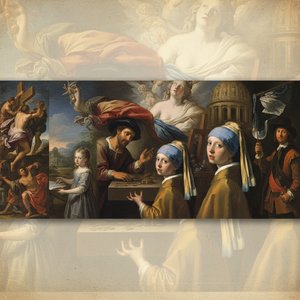
Barokin mestariteokset: Taidetta ja loistoa kotiisi – TopImpressionists.com
Uppoudu barokin loistokkuuteen! Tutustu Caravaggion, Rembrandtin ja Vermeerin kaltaisten mestareiden tunnetuimpiin teoksiin. Taidehistoriaa kotiisi – löydä upeat taidetulosteet ja canvas-taulut TopImpressionists.comista.

Echoes of Time: Exploring the Enduring Appeal & Historical Context of Vintage Art Prints
Explore the captivating world of vintage art prints! Discover their history, collecting tips & enduring appeal. Expert insights on chromolithography and building a legacy collection with TopImpressionists.

The Enduring Legacy of Fine Art Prints: Technique, History & Aesthetic Impact
Explore the rich history & techniques of fine art prints. Discover investment potential, assess authenticity, and learn how to preserve your collection with expert guidance. Trusted insights for discerning collectors.

Barokin loisto: Kuinka tuoda ylellisyyttä ja tunnetta nykyaikaiseen sisustukseen
Tutustu barokki sisustuksen loistoon! Opi luomaan ylellistä ja tunnelmallista kotia historiallisen tyylin inspiroimana. Vinkkejä, esimerkkejä ja in apua.