


 Katso seinällä
 Lähetä
 Jaa
Jaa
 Tarkemmat tiedot
 Opas
Opas

 Lataa kuva
 Samanlaisia kohteita
 Röntgenkuvaus
 Diaesitys
 Tilastot
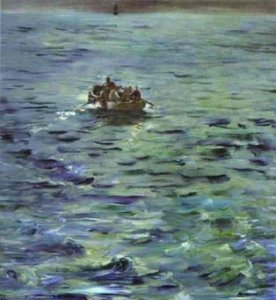
The lemon, Musée d'Orsay
 Oil On Canvas
- WallArt
- Contemporary Realism
 1880
1880- 19th Century
 14.0 x 22.0 cm
Édouard Manet’s ‘The Lemon,’ a vibrant Impressionist still life from 1880, captures the artist's revolutionary approach to light and form with its striking lemon subject. Discover this iconic piece and bring art home.
 Lue lisää
Tutustu Édouard Manetiin (1832-1883), realismin ja impressionismin sillanrakentajaan! Löydä ikonisia teoksia, kuten 'Le Déjeuner' ja 'Olympia', sekä hänen vaikutuksensa moderniin taiteeseen.
Giclée- ja taideprintit
Museolaatuisia giclée- tai kankaitaulun tulosteita nopealla tuotannolla ja joustavilla viimeistelyvaihtoehdoilla. ( Tilaa käsinmaalattu jäljennös Siirry digitaaliseen kuvaan)




P118B €10

P118H €10

P118W €10

P438Z €10

P508JH €12

P508YH €12

P805H €10

P805Z €10

P919BZ €10

P919G €10

P919XJ €10

P959ZH €10

P968JZ €12

W106C €8

W218G €10

W218JH €8

W218Y €10

W307PJ €10

W316G €10

W316PJ €8

W316Y €10

W398PJ €8

W4111J €10

W500HY €15

W500JH €15

W692G €12

W849H €8

W940BG €15

W953PJ €8




Vakiokoko
mittatilaustyö
CM
INCH
Valitse valmiista mitoistamme sellaiset, jotka vastaavat teoksen alkuperäisiä mittasuhteita.
Loading sizes...

leveys
korkeus
Kirjoita tarvitsemasi leveys ja korkeus, jotta tuloste sopii kehyskokoon tai seinällesi. Tulostetta voidaan vain leikata, sitä ei voi koskaan tehdä suuremmaksi kuin alkuperäinen kuva, joten eri muotoinen koko aiheuttaa osan kuvasta katoamisen. Lähetämme sinulle digitaalisen mallikuvan hyväksyttäväksi ennen kuin aloitamme tulostuksen. Tällä sivulla näkyvä kuva ei näytä lopullista leikkausta — vain mallikuva näyttää sen.
Maailmanlaajuinen toimitus () 2 viikossa tavallisen 4–5 viikon sijaan. (27 lokakuu)

Ilmainen pikatoimitus ympäri maailman

Korkealaatuinen pellavakangas

Kattava kuljetusvakuutus

Tulliveron palautustakuu

Takuu täydellisestä värien vastaavuudesta

100 päivän palautusoikeus valmistusvirhetapauksissa

100% rahat takaisin -takuu

Määräalennus saatavilla
 Lasivaihtoehto on saatavilla vain alle 110 cm kokoisille teoksille

The lemon, Musée d'Orsay
Giclée- ja taideprintit
Replikaatin koko
-


Kokonaishinta
€ 61
A Singular Still Life: ‘The Lemon’ by Édouard Manet
Édouard Manet's “The Lemon,” painted in 1880, isn’t merely a depiction of citrus fruit; it’s a deliberate provocation—a cornerstone of Impressionism’s rebellion against academic tradition. Captured on canvas measuring 14 x 22 cm, this deceptively simple composition embodies Manet’s unwavering commitment to portraying the world as he perceived it, rejecting idealized representations in favor of capturing fleeting moments and atmospheric nuances.
Realism Revisited: Technique and Observation
Manet eschewed the meticulous glazing techniques favored by his predecessors. Instead, he employed a looser brushstroke style—a technique honed through extensive study of Caravaggio and Velázquez—to achieve remarkable luminosity and immediacy. The artist meticulously observed the lemon’s form, capturing its subtle variations in color and texture with confident strokes. Notice how Manet skillfully renders the orange hues radiating from the lemon's peel, creating a vibrant interplay of light and shadow that elevates it beyond a mere botanical specimen.
A Parisian Snapshot: Context and Influence
Painted during a period of significant artistic ferment in Paris, “The Lemon” reflects the burgeoning interest in capturing everyday life—a departure from the grand narratives favored by Romanticism. Manet’s studio was situated amidst the vibrant intellectual landscape of Montmartre, where artists like Monet and Renoir were experimenting with new approaches to color and light. This influence is palpable in the painting's airy atmosphere and its rejection of theatrical poses.
Symbolic Resonance: Beyond Appearance
While seemingly unassuming, “The Lemon” carries symbolic weight. The lemon itself has long been associated with freshness, vitality, and optimism—qualities Manet sought to convey through his masterful rendering. Furthermore, the bowl’s stark black rim serves as a visual counterpoint to the lemon's brilliance, emphasizing its prominence within the composition and subtly hinting at themes of contrast and duality.
Emotional Impact: Capturing Transient Beauty
"The Lemon" transcends mere representation; it aspires to evoke emotion. Manet’s deliberate disregard for academic conventions—his focus on capturing a single, luminous object—demonstrates his belief that art should strive to capture the essence of experience. It's a testament to Manet’s genius that this seemingly simple still life continues to resonate with viewers today, reminding us of the transformative power of observation and the enduring beauty of fleeting moments.
Kysymykset ja vastaukset
Mistä maasta Contemporary Realism-tyylinen teos "The lemon, Musée d'Orsay" on peräisin?
"The lemon, Musée d'Orsay" on Édouard Manet tekemä teos, joka on syntynyt Contemporary Realism-suuntauksen vaikutuksesta; taiteilija on kotoisin Ranska. Taiteilijan alkuperä yhdistää teoksen Contemporary Realism-tyyliin, jota Ranska -maasta kotoisin olevat taiteilijat edustavat.
Milloin "The lemon, Musée d'Orsay" on luotu ja mihin taidesuuntaukseen se kuuluu?
Édouard Manet:n "The lemon, Musée d'Orsay" on peräisin vuodelta 1880 ja edustaa tyylisuuntaa Contemporary Realism.
Mihin vaiheeseen Édouard Manet uralla teoksen "The lemon, Musée d'Orsay" vuosiluku 1880 sijoittuu?
"The lemon, Musée d'Orsay", luotu vuonna 1880, kuuluu Édouard Manet'n uran Mature Period-vaiheeseen."
Samankaltaisia teoksia




Taiteilijan elämäkerta
Pariisin kapinallinen: Édouard Manetin elämä ja taide
Édouard Manet, syntynyt vuonna 1832 varakkaaseen porvarisperheeseen Pariisissa, ei ollut suinkaan kohtalossa mullistavan taiteilijan uraa. Hänen isänsä, arvostettu tuomari, näki pojalleen turvallisen tulevaisuuden laissa tai ehkä merivoimissa – kunnioitettavia ammatteja heidän sosiaaliseen asemaansa sopiviksi. Jo nuorena poikana Manetin sydän kuului taiteelle. Yhdestoista-vuotiaana hän aloitti muodollisen piirustuksenopetuksen, ja vaikka hän hetkeksi oppipoikana akateemisen maalarin Thomas Couturen ateljeessa, hän löysi nopeasti Couturen jäykät menetelmät tukahduttaviksi. Tämä varhainen vastustus ennusti elämänmittaista taiteellisten konventioiden haastamista. Manet ei ollut kiinnostunut pelkästään menneisyyden toistamisesta; hän pyrki vangitsemaan modernin Pariisin eloisuuden – ja joskus sen häiritseviä todellisuuksia. Hän vieraili Louvressa, ei vain kopioidakseen vanhoja mestareita, vaan purkaakseen heidän tekniikoitaan oppiakseen Caravaggiolta ja Velázquezilta, kuinka valo ja varjo voisivat muotoilla muotoa ja herättää tunteita. Kuitenkin taiteellisten suuntausten muutos, erityisesti Gustave Courbetin johtaman realismin nousu, sytytti todella Manetin luovan polun. Courbetin vaatimus kuvata jokapäiväistä elämää ilman idealisointia resonoi syvästi Manetin kanssa ja vapautti hänet historiallisten tai mytologisten aiheiden rajoituksista.Perinteiden murtaminen: Skandaali ja innovaatio
1860-luku oli intensiivisen taiteellisen levottomuuden aikaa Pariisissa, ja Manet löysi itsensä sen keskipisteestä. Japanilaisten painokuvien – *ukiyo-e* – saapuminen vaikutti syvästi hänen esteettisiin herkkyyksiinsä. Hän oli lumoutunut niiden litistetyistä perspektiiveistä, rohkeista sommitteluistaan ja silmiinpistävästä värien käytöstään, jotka tulivat hänen oman tyylinsä tunnusmerkeiksi. Tämä vaikutus yhdistettynä hänen kasvavaan hylkäämiseensä akateemiseen viimeistelyyn johti teoksiin, jotka järkyttivät ja skandalisoivat pariisilaista taidemaailmaa. Le Déjeuner sur l'herbe (Aamiainen ruohikolla), joka esiteltiin Salon des Refusésissa vuonna 1863 – näyttelyssä hylätyille teoksille virallisessa salonissa – sytytti kiistaa. Maalaus, jossa alaston nainen pikniköi huolettomasti kahden täysin pukeutuneen miehen kanssa, ei liittynyt pelkästään alastomuuteen; kyse oli *siitä, miten* tuo alastomuus esitettiin. Manetin hahmot puuttuivat perinteisten alastonkuvien idealisoiduista muodoista ja mytologisesta kontekstista. Ne olivat kiistattomasti moderneja, kohdaten katsojan häiritsevällä suoruudellaan. Le Déjeunerin ympärillä oleva skandaali voimistui hänen mestariteoksensa Olympian myötä vuonna 1865. Tämä maalaus, joka oli tahallinen uudelleentulkinta Titianin *Venuksesta Urbinossa*, esitti nykyaikaisen prostituoidun tuijottaen rohkeasti katsojaa. Häikäilemätön realismi ja provosoiva aihe kohtasivat laajaa paheksuntaa. Kriitikot syyttivät Manetia siveettömyydestä ja taiteellisesta epäpätevyydestä, mutta järkytyksen alla piili tunnustus siitä, että hän muutti perusteellisesti maalaamisen kieltä.Silta impressionismiin: Valo, siveltämät ja moderni elämä
Vaikka Manet ei koskaan täysin omaksunut nimikettä "impressionisti", hänen vaikutuksensa liikkeeseen oli kiistaton. Hän jakoi heidän hylkäämisensä akateemisia konventioita kohtaan ja sitoutumisensa vangitsemaan valon ja tunnelman ohikiitävät tehosteet. Hän esitteli töitään Monetin, Renoirin, Degasin ja muiden kanssa impressionistien itsenäisissä näyttelyissä vahvistaen asemansa avantgardessa. Manetin tekniikka kehittyi löysemmäksi siveltämätavaksi, jossa muodon vaikutus oli tarkemman yksityiskohdan sijaan etusijalla. Hän kokeili värejä käyttäen usein jyrkkiä kontrasteja luodakseen dramaattisia tehosteita. Skandaalimaisen alastomuuden lisäksi Manet tutki laajan valikoiman aiheita: muotokuvia – mukaan lukien vaikuttavat kuvaukset vaimostaan Suzannesta ja taiteilijatoveristaan Émile Zolasta; kohtauksia pariisilaisten yöelämästä, kuten A Bar at the Folies-Bergère, joka vangitsee mestarillisesti modernin kaupunkielämän vieraantumisen ja loiston; ja intiimejä kotikohtauksia. Hän ei vain dokumentoinut näitä aiheita; hän tutki niitä kyseenalaistaen yhteiskunnallisia normeja ja haastaen perinteisiä kauneuskäsityksiä.Perintö ja pysyvä vaikutus
Édouard Manetin ennenaikainen kuolema vuonna 1883 syfiliksen vuoksi katkaisi uran, joka oli jo peruuttamattomasti muuttanut taidehistorian kulun. Vaikka hänen maineensa kasvoi merkittävästi hänen kuolemansa jälkeen, hänen vaikutuksensa tunnettiin välittömästi nuorempien taiteilijoiden keskuudessa, jotka tunsivat hänet vapauttajana. Hän rikkoi esteitä haastaen perinteisiä aiheita, tekniikoita ja taiteellisia tarkoituksia koskevia käsityksiä. Hänen painotuksensa modernin elämän vangitsemisessa tasoitti tietä impressionismille ja postimpressionismille. Hänen innovatiivinen siveltämätapansa vaikutti sukupolviin maalaritaiteilijoita. Hänen halukkuutensa kohdata epämiellyttäviä totuuksia yhteiskunnasta pakotti katsojat kyseenalaistamaan omia oletuksiaan. Manetin maalaukset resonoivat edelleen tänään, paitsi esteettisen kauneutensa vuoksi myös niiden kestävyyden vuoksi. Hän on edelleen keskeinen hahmo realismin ja impressionismin siirtymässä ja häntä juhlitaan oikeutetusti yhtenä modernin taiteen perustajaisistä – pariisilaisena kapinallisena, joka uskalsi maalata maailman sellaisena kuin hän sen näki, kaikessa monimutkaisuudessaan ja ristiriitaisuudessaan. Hänen työnsä on voimakas muistutus siitä, että todellinen taiteellinen innovaatio johtaa usein vakiintuneiden normien haastamiseen ja aikamme epämiellyttävien totuuksien omaksumiseen.
Édouard Manet
1832 - 1883 , Ranska
Tietoa taiteilijasta
- Kansallisuus: Ranskalainen
- Koko Nimi: Édouard Manet
- Kuolinpäivä: 30. huhtikuuta 1883
- Merkittäviä Teoksia:
- Aamiainen ruohikolla
- Olympia
- Baaritiski Folies-Bergèressä
- Syntymäpaikka: Pariisi, Ranska
- Syntymäpäivä: 23. tammikuuta 1832
- Taidesuuntaus: Realismi, Impressionismi
- Taiteilijat Joihin Vaikutti:
- Claude Monet
- Pierre-Auguste Renoir
- Edgar Degas
- Vaikuttaneet Taiteilijat:
- Caravaggio
- Diego Velázquez
- Gustave Courbet
Aiheeseen liittyvät artikkelit

TopImpressionists.com F.A.Q.: Discover the Vibrant Beauty of Our Premium Art Poster Prints
Explore the technical excellence of TopImpressionists.com's premium art poster prints. Discover how our 12-color pigment system and archival inks capture the luminous beauty of Impressionist masterpieces with unmatched color fidelity and museum-grade durability for the discerning collector.

The Magic of Lithography: Capturing Light and Texture in Every Impressionist Print
Discover the enchanting world of lithography through an Impressionist lens. Explore how this timeless technique captures the luminous light and delicate textures of masters like Monet and Renoir, offering a profound way to bring art history into your home with elegance and soul.

The Magic of Giclée: Bringing Impressionist Masterpieces to Your Walls with Vivid Detail
Discover the breathtaking beauty of Impressionist masterpieces with our museum-quality Giclée prints. Experience vivid detail, archival pigments, and the luminous light of Monet and Van Gogh, expertly preserved to bring timeless elegance and sophisticated artistry into your home.
Tutustu teoksiin, jotka on järjestetty aiheiden, tyylien ja ominaisuuksien mukaan.


