

Shown: · With its frame:
 Esikatselu
 Jaa teos
 Jaa
Jaa
 Tiedot
 Opas
Opas

 Lataa kuva
 Samanlaisia kohteita
 Röntgenkuvaus
 Diaesitys
 Q&A
Q&A Tilastot
€ 239
Käsinmaalattu öljyvärinen jäljennös
Käsinmaalattu öljyväri kankaalle haluamassasi koossa ja kehyksissä, taiteilijoidemme valmistamana tilauksesta. ( Vaihda tulosteeseen Siirry digitaaliseen kuvaan)
Tämä teos on tekijänoikeuden suojaama
Tällä sivulla esitettyä taideteosta suojaa tekijänoikeuslaki, mikä tarkoittaa, ettemme voi laillisesti luoda tai myydä täsmälleen samanlaista jäljennöstä. Tämä suoja toteutetaan kansainvälisten sopimusten, kuten esimerkiksi Berne-konventio ja kansallisilla laeilla, mukaan lukien niillä määritellyt Yhdysvaltain tekijänoikeuslaki – Luku 17. Kaikki oikeudet pidätetään. Luvaton kopiointi tai jäljittely on kielletty.
Kunnioittavana ja laillisena vaihtoehtona tarjoamme alkuperäisestä inspiroituneita, yksilöllisiä ja käsinmaalattuja taideteoksia. Taitavat ja ammattimaiset taiteilijamme tutkivat huolellisesti alkuperäisen teoksen tyyliä, tunnelmaa ja taiteellista ydintä luodakseen uuden, ainutlaatuisen teoksen, joka herättää saman tunteen – säilyttäen samalla oman itsenäisen alkuperäisyytensä.
Tämä menetelmä noudattaa täysin tekijänoikeussäännöksiä, sillä se ei sisällä suojatun taideteoksen kopioimista tai jäljentämistä. Sen sijaan kyseessä on luova uudelleentulkinta – uusi maalaus, joka ammentaa vaikutteita alkuperäisestä, mutta ei ole sen identtinen kopio.
 Lue lisää
Size
·Vakiokoko
räätälöity
CM
INCH
Valitse valmiista mitoistamme sellaiset, jotka vastaavat teoksen alkuperäisiä mittasuhteita.
Loading sizes...

leveys
korkeus
Kirjoita tarvitsemasi leveys ja korkeus, jotta teos sopii kehyksiisi tai seinällesi. Koska kyseessä on käsinmaalattu teos, taiteilija voi maalata hieman enemmän kuvan ympärille tai rajata sitä hieman, jos haluat eri muotoisen koon — valinta on sinun. Lähetämme sinulle digitaalisen mallikuvan hyväksyttäväksi ennen kuin maalaus alkaa. Tällä sivulla näkyvä kuva ei vastaa lopullista tulosta — vain mallikuva näyttää sen.
Finish
·
White €1

Blurside €1

Extended €1

P118B €10

P118H €10

P118W €10

P438Z €10

P508JH €12

P508YH €12

P805H €10

P805Z €10

P919BZ €10

P919G €10

P919XJ €10

P959ZH €10

P968JZ €12

W106C €8

W218G €10

W218JH €8

W218Y €10

W307PJ €10

W316G €10

W316PJ €8

W316Y €10

W398PJ €8

W4111J €10

W500HY €15

W500JH €15

W692G €12

W849H €8

W940BG €15

W953PJ €8

H24-GOLD €30

H24-SILVER €30

H36-GOLD €45

H36-SILVER €45
Shipped in a protective tube, ready for your own framer.
Above 105 cm the frame is shipped as a kit for a professional framer — read the details.
Extras
optionalWhat do the extras include?
Examples of what can be changed: Replace face with customer photo; Add pet (e.g., replace cat with dog); Include hidden message in background; Change background landscape or elements.
After order, TopImpressionists.com team will email client for instructions and provide a mockup preview
After order, TopImpressionists.com team will email client for instructions and provide a mockup preview
Maailmanlaajuinen toimitus () 3–4 viikossa tavallisen 5 viikon sijaan. (1 marraskuu). Laadusta ei tingitä.
Suojalakkaus
Nimilaatta
Kaiverretun pronssilaatan tiedot
This elegant plaque features the artist's name and the title of the artwork, finely engraved for a timeless presentation.
It is made from bronze with a refined, elegant finish. The text is precisely laser-engraved for a sharp and permanent result. Measuring 9x2 cm, the plaque is compact yet easy to read. It's built to be durable and scratch-resistant, offering a professional, museum-quality look. Mounting is simple thanks to the included adhesive backing.
Läpinäkyvän akryylilaatan tiedot
The plaque includes essential engraved details such as the artist's name, the title of the artwork, the date it was created, the type of media used-like oil on canvas or watercolor-a brief description of the piece, and a QR code that links to the complete artwork information.
It is crafted from clear acrylic, offering a sleek, modern appearance. The text is UV-engraved in black to ensure strong visual contrast. With a size of 10x15 cm, it ensures optimal readability. It comes equipped with two metal hooks for secure wall mounting. The plaque is designed to be weather-resistant, making it suitable for various environments, and it includes interactive features that work seamlessly with smartphone scanning.
Mustan akryylilaatan tiedot
This elegant plaque includes engraved information such as the artist's name, the title of the artwork, the date it was created, the type of media used (like oil on canvas or watercolor), a short description of the artwork, and a QR code for quick access to more information.
The plaque itself is made from refined black acrylic with a premium finish. The text is laser-engraved in white for high contrast and readability. Its size is 10x15 cm, designed to be easy to read. It comes with two metal hooks for professional mounting. The design is sleek and fits any interior style. It is also weather-resistant and durable, with built-in digital integration for mobile compatibility.
Lasivaihtoehto on saatavilla vain alle 110 cm kokoisille teoksille
 Lasivaihtoehto on saatavilla vain alle 110 cm kokoisille teoksille
- Ilmainen pikatoimitus ympäri maailman
- Korkealaatuinen pellavakangas
- Kattava kuljetusvakuutus
- Tulliveron palautustakuu
- Takuu täydellisestä värien vastaavuudesta
- 100 päivän palautusoikeus (vain valmistusvirheet)
- 100% rahat takaisin -takuu
- Määräalennus tarjolla


Keräilykohteen kuvaus
Edward Hopper's 'Sunlight in a Cafeteria' (1958) captures urban solitude and quiet tension with masterful light & shadow. Explore American Realism’s evocative depiction of modern life – perfect for art lovers.
Taiteilijan elämäkerta
Edward Hopper: Yksinäisyyden ja modernin elämän melankolinen taiteilija. Tunnettu ikonisten teoksien, kuten Nighthawksin, luojana. Tutustu valon ja varjon mestariteoksiin!
About the painting
A Moment Frozen: The Poignant Realism of *Sunlight in a Cafeteria*
Edward Hopper's 1958 painting, *Sunlight in a Cafeteria*, isn’t merely a depiction of a diner scene; it’s a distilled essence of modern American loneliness. Captured with his signature mastery of light and shadow, the work transports us to a quiet corner of urban life, where unspoken anxieties and the subtle dance between strangers hang heavy in the air. The painting immediately draws the eye – not towards grand spectacle or dramatic action, but toward the carefully constructed stillness of the interior, bathed in the warm, diffused glow of afternoon sunlight streaming through the large window. Hopper’s deliberate choice to frame the scene through this glass creates a sense of voyeurism, inviting us into a private moment that we are both observers and, perhaps, subtly implicated within.
The composition itself is deceptively simple yet profoundly effective. A man and a woman occupy separate tables, their postures suggesting an awareness of each other’s presence without any overt interaction. The man, clad in a dark suit and holding a cigarette, gazes out the window – a gesture that simultaneously conveys contemplation and detachment. His back is turned to the woman, who sits quietly, her attention focused on a sandwich, her hands folded neatly in her lap. This arrangement immediately establishes a palpable tension—a feeling of potential connection thwarted by an unspoken barrier. Hopper’s use of color further amplifies this mood; the warm yellows and browns of the diner contrast sharply with the cooler tones of the street outside, reinforcing the sense of isolation within the brightly lit space.
The Language of Light and Shadow: Hopper's Technique
Hopper’s technical skill is paramount to the painting’s impact. He was a master of capturing the subtle nuances of light, using it not just to illuminate form but also to evoke mood and atmosphere. Notice how he renders the sunlight – not as a harsh, direct beam, but as a diffused glow that softens edges and casts long shadows. This technique creates a sense of depth and realism while simultaneously contributing to the painting’s melancholic tone. The meticulous detail with which Hopper depicts the diner's interior—the chrome accents, the checkered floor, the worn wood of the tables—adds to the feeling of authenticity and invites us to linger in this carefully constructed world.
Furthermore, Hopper’s use of perspective is particularly noteworthy. The slightly skewed angles of the furniture and the placement of the figures create a sense of unease and disorientation, mirroring the emotional state of the subjects themselves. He employed a technique known as “atmospheric perspective,” subtly blurring details in the distance to suggest depth and recession, further enhancing the painting’s realism and drawing the viewer into the scene.
Echoes of Isolation: Context and Symbolism
*Sunlight in a Cafeteria* is deeply rooted in Hopper's broader exploration of American loneliness and urban alienation. Born in 1882, Hopper witnessed significant social and cultural shifts during his lifetime – the rise of industrialization, urbanization, and the increasing sense of anonymity in modern life. His paintings often reflect these anxieties, portraying individuals adrift in vast cities, struggling to connect with one another. This painting is part of a larger body of work that examines the quiet desperation of the American experience.
The diner itself becomes a potent symbol—a temporary refuge from the outside world, yet also a space of isolation and detachment. It’s a place where strangers briefly encounter one another, but rarely forge lasting connections. The painting's title, *Sunlight in a Cafeteria*, is particularly evocative, suggesting both warmth and an underlying sense of melancholy—a reminder that even in the brightest light, loneliness can persist.
A Timeless Masterpiece: Reproduction and Beyond
TopImpressionists offers meticulously crafted hand-painted reproductions of *Sunlight in a Cafeteria*, allowing you to bring this iconic work into your home or office. Our artists replicate Hopper’s masterful use of light, shadow, and composition with exceptional detail, ensuring that the painting's emotional impact is fully preserved. Whether you are an art collector, an interior designer seeking to create a sophisticated atmosphere, or simply someone who appreciates the beauty of American realism, a TopImpressionists reproduction of *Sunlight in a Cafeteria* is a timeless addition to any collection. Explore our gallery today and discover the perfect way to experience this poignant masterpiece.
Kysymykset ja vastaukset
Mihin taidesuuntaukseen ja mihin aikakauteen Edward Hopper:n "Sunlights in Cafeteria" kuuluu?
Edward Hopper:n "Sunlights in Cafeteria" kuuluu American Realism-suuntaukseen ja sijoittuu tekijänsä Modernismi aikakaudelle.
Mistä löydän oppaan teokseen "Sunlights in Cafeteria"?
Opas teokseen "Sunlights in Cafeteria" on teoksen Opas -sivu – tulostettava tietolomake, joka sisältää teoksen kuvatekstin, tekijätiedot ja tunnistetaulukon (taiteilija, päivämäärät, tekniikka, alkuperäinen koko, kokoelma).
Mitä Edward Hopper:n "Sunlights in Cafeteria" esittää?
Teoksen Edward Hopper:n "Sunlights in Cafeteria" teemoihin kuuluvat urban solitude, diner interior, night scene, american life, isolation, light and shadow, quiet contemplation. Yhdessä ne tiivistävät teoksen aiheen.
Quick facts and art quiz
About Edward Hopper

Edward Hopper
1931 - 1967, Yhdysvallat
Taiteilijan elämäkerta
A Solitude Observed: The Life and Art of Edward Hopper
Edward Hopper, nimi joka on ikuisesti sidoksissa 20-luvun Amerikan hiljaiseen ja hienovaraiseen melankoliaan, ei ollut pelkästään maisemamaalari; hän oli valon ja varjon runoilija, modernin eristyneisyyden kuvaaja. Syntynyt Nyackissa New Yorkissa vuonna 1882, keskitaloudellisen taustan vanhempien poikana, Hopperin lapsuus tarjosi vakaan kasvaympäristön, joka ruokki hänen taiteellisia pyrkimyksiään. Varhaisten piirustusten huolellinen päivämääritys ja allekirjoitus osoittivat jo nuoresta iästä lähtien terävän havainnoinnin ja synnynnäisen lahjakkuuden piirtämisessä. Vaikka hänen vanhempansa kannustivat häntä alun perin harjoittamaan kaupallista kuvitusta – käytännöllinen ehdotus, joka perustui heidän taloudelliseen tilanteeseensa –, Hopperin intohimot suuntautuivat hienovaraiseen taiteeseen, mikä johti New York School of Art -oppilaitokseen, jossa hän opiskeli William Merritt Chase’n ja Robert Henri’n johdossa. Nämä varhaiset vuodet antoivat hänelle ei ainoastaan teknistä taitoa vaan myös arvostuksen realismille ja sitoutumisen maailman kuvaamiseen sellaisena kuin hän sen näki – paettamattomana ja rehellisenä. Ralph Waldo Emersonin kirjoitukset resonsoivat syvällä Hopperin kanssa, vahvistaen hänen yksilöllisyyttensä tunnetta ja terävää havaintokykyään – ominaisuuksia, jotka muuttuisivat hänen taiteellisen näkemyksensä kulmakiviksi. Varhaiset matkat Pariisiin altistivat Hopperin impressionismille, mutta hän nopeasti erosi sen hetkaisista siveltimistä, luoden oman polkunsa.Finding His Voice: Realism and the American Scene
Hopperin taiteellinen matka ei ollut välitön tai helppo. Hän kamppaili löytääkseen oman ainutlaatuisen äänensä, kokeillessaan erilaisia tyylejä ennen kuin päätyi realismille, joka määrittelisi hänen uransa. Tämä ei ollut pelkästään todellisuuden kopiointia; se oli sen olemassaolon tiivistäminen, poistamalla tarpeettomat yksityiskohdat paljastaakseen perimmäiset tunteet. Maalaustensa keskittyminen alkoi muuttua arkipäiväisiksi näkymiksi – taloiksi, ravintoloiksi, toimistoihin, hotellihuoneisiin – ja niissä oli usein hiljaisuuden ja eristyneisyyden tunne. Hänellä oli poikkeuksellinen kyky vangita aiheensa psykologiset tilat, vihjaillen tarinoita ilman niiden suoraa kertomista. Tarkka valon ja varjon kuvaaminen tuli avainasempaan asemaan, ei ainoastaan kuvauksellisena elementtinä vaan myös tunteellisten vihjeiden luojana, luoden tunnelmia, jotka olivat sekä kiehtovia että häiritseviä. House by the Railroad (1925), varhainen mestariteos, on tästä hyvä esimerkki – näennäisesti yksinkertainen komposiitio säteilee syvää eristyneisyyttä ja mysteeriä. Hopperin painokirjoitukset, jotka usein jätettiin huomiotta, jaksoivat samat teemat ja tyylilliset piirteet maalauksen kanssa, osoittaen hänen hallintaansa eri medioissa. Hän ei ollut kiinnostunut suurista historiallisista tarinoista tai allegorisista symboleista; hän keskittyi tavalliseen, nostaen sen esiin huolellisella havainnoinnilla ja tunteellisella resonanssilla.Iconic Visions: Nighthawks and Beyond
Vaikka Hopperin ura kehittyi vähitellen, tietyt teokset nostivat hänet laajan tunnustuksen tasolle. Nighthawks (1942), todennäköisesti hänen kuuluisin maalaus, muuttui välittömästi Amerikan ikoniksi. Myöhään yöllä oleva ravintola näkymä, valaistu terävällä fluoresoivalla valolla, vangitsee täydellisesti modernin kaupungin eristyneisyyden ja anonyymiuden. Sisältävät hahmot ovat hukassa omissa ajatuksissaan, irrottautuneita toisistaan lähelläkin – koskettava kommentaari ihmiskunnan tilasta. Gas (1940), jossa esitetään bensapysäkki, osoittaa Hopperin intohimon amerikkalaisiin maisemiin ja kehittyvään autokulttuuriin. Muita merkittäviä teoksia, kuten *Automat*, *Office in a Small City* ja *Summertime*, tarjoavat jokainen ainutlaatuisen näkökulman 20-luvun Amerikan yhteiskuntaan. Nämä maalaukset eivät olleet pelkästään paikkojen kuvauksia; ne olivat tutkimuksia tunnelmasta, psykologiasta ja hienovaraisten draamojen kehittymisestä tavallisissa ympäristöissä. Hänen vaimonsa, Josephine Nivison Hopper, ei ainoastaan ollut hänen elinikäinen kumppaninsa vaan myös usein malli, joka edisti hahmojen esitystä maalauksissaan.Themes and Legacy: A Lasting Influence
Useat toistuvat teemat läpäisevät Hopperin teokset. Kaupunkieristyneisyys on ehkä merkittävin – yksinäisyyden tunne, jonka ihmiset kokevat jopa ihmisten keskellä. Hän tutki sekä maaseutua että kaupunkeja, korostaen usein niiden karheutta ja tyhjyyttä. Hänen työnsä käsittelee psykologista realismia, tutkien aiheensa sisäelämää hänen havaintojaan ylittämättömällä tavalla. Siinä on myös nostalgiaa yksinkertaisemmasta menneisyydestä, vastakkain asetettuna modernin elämän monimutkaisuuksiin ja huolenaiheisiin. Hopperin vaikutus myöhemmille taiteilijoille on kiistaton. Hänen ainutlaatuinen tyylinsä on inspiroinut lukemattomia maalareita, mukaan lukien Pierre Sanford Ross, ja se resonoi edelleen nykytaiteilijoiden kanssa etsittäessä ihmiskokemuksen olemusta. Maalaustensa pysyvät kysytyinä kokoelmissa ja esitetyt suurissa museoissa ympäri maailmaa, vahvistaen hänen paikkansa keskeisenä hahmona Amerikan taiteen historiassa. Hopperin teosten ydin ei ainoastaan ole kauneus, vaan myös niiden kestävä kyky herättää ajatuksia, herättää tunteita ja muistuttaa meitä hiljaisesta eristyneisyydestä, jota usein koemme elämässämme.- Hänen perintönsä ei ainoastaan piile hänen maalauksissaan vaan myös niiden kestävä kyky herättää ajatuksia, herättää tunteita ja muistuttaa meitä hiljaisesta eristyneisyydestä, jota usein koemme elämässämme.
- Hopperin työ puhuu edelleen universaaleista teemoista: yksinäisyydestä, eristyneisyydestä ja merkityksen etsimisestä muuttuvassa maailmassa.
- Maalaustensa on tullut ikonisia esityksiä Amerikan kulttuurista, usein symboloimaan 20-luvun ahdistuksia ja toiveita – ja sen jälkeenkin.
- Hopperin estetiikka on vaikuttanut syvästi myöhempii taiteilijoihin (kuten Alfred Hitchcockiin) ja kirjoittajiin, inspiroiden lukemattomia teoksia, jotka tutkivat samankaltaisia teemoja eristyneisyydestä ja psykologisen jännityksen näkökulmasta.
Quick facts about Edward Hopper
- Artistic Movement Or Style: Realismi
- Artists Or Movements Influenced By This Artist: ['Pierre Ross']
- Artists Who Influenced This Artist:
- William Chase
- Robert Henri
- Date Of Birth: 22. heinäkuuta 1882
- Date Of Death: 15. toukokuuta 1967
- Full Name: Edward Hopper
- Nationality: Amerikkalainen
- Notable Artworks:
- Nighthawks
- House by the Railroad
- Gas
- Place Of Birth: Nyack, USA
Tutustu teoksiin, jotka on järjestetty aiheiden, tyylien ja ominaisuuksien mukaan.




Edward Hopper
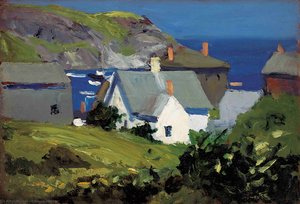
Sunlights in Cafeteria
() ·
With its frame: · Hand-painted in oil on linen
Total