

Esitetty: · Kehyksineen:
 Esikatselu
 Jaa teos
 Jaa
Jaa
 Tiedot
 Opas
Opas

 Lataa kuva
 Samanlaisia kohteita
 Röntgenkuvaus
 Diaesitys
 Kysymykset ja vastaukset
 Tilastot
- 292.0 x 199.0 cm


€ 240
Käsinmaalattu öljyvärinen jäljennös
Käsinmaalattu öljyväri kankaalle haluamassasi koossa ja kehyksissä, taiteilijoidemme valmistamana tilauksesta. ( Vaihda tulosteeseen Siirry digitaaliseen kuvaan)
Koko
·Vakiokoko
räätälöity
CM
INCH
Valitse valmiista mitoistamme sellaiset, jotka vastaavat teoksen alkuperäisiä mittasuhteita.
Koot ladataan...

leveys
korkeus
Kirjoita tarvitsemasi leveys ja korkeus, jotta teos sopii kehyksiisi tai seinällesi. Koska kyseessä on käsinmaalattu teos, taiteilija voi maalata hieman enemmän kuvan ympärille tai rajata sitä hieman, jos haluat eri muotoisen koon — valinta on sinun. Lähetämme sinulle digitaalisen mallikuvan hyväksyttäväksi ennen kuin maalaus alkaa. Tällä sivulla näkyvä kuva ei vastaa lopullista tulosta — vain mallikuva näyttää sen.
 Lue lisää
Viimeistely
·
Valkoinen reuna €1

pehmennetty reuna €1

Jatkuva reuna €1

P118B €10

P118H €10

P118W €10

P438Z €10

P508JH €12

P508YH €12

P805H €10

P805Z €10

P919BZ €10

P919G €10

P919XJ €10

P959ZH €10

P968JZ €12

W106C €8

W218G €10

W218JH €8

W218Y €10

W307PJ €10

W316G €10

W316PJ €8

W316Y €10

W398PJ €8

W4111J €10

W500HY €15

W500JH €15

W692G €12

W849H €8

W940BG €15

W953PJ €8

H24-GOLD €30

H24-SILVER €30

H36-GOLD €45

H36-SILVER €45
Toimitetaan suojaputkessa, valmiina kehystettäväksi omassa kehyksessäsi.
Yli 105 cm kokoiset kehykset toimitetaan osasarjana ammattilaiskehystäjälle — lue lisätiedot.
Lisäpalvelut
valinnainenMitä lisämateriaalit sisältävät?
Esimerkkejä muutettavista asioista: Vaihda kasvot asiakkaan valokuvaan; Lisää lemmikki (esim. vaihda kissa koiraksi); Lisää piilotettu viesti taustalle; Vaihda taustan maisemaa tai elementtejä.
Tilauksen jälkeen TopImpressionists.com -tiimi lähettää asiakkaalle sähköpostia ohjeita varten ja toimittaa luonnoksen esikatselun
Tilauksen jälkeen TopImpressionists.com -tiimi lähettää asiakkaalle sähköpostia ohjeita varten ja toimittaa luonnoksen esikatselun
Maailmanlaajuinen toimitus () 3–4 viikossa tavallisen 5 viikon sijaan. (7 marraskuu). Laadusta ei tingitä.
Suojalakkaus
Nimilaatta
Kaiverretun pronssilaatan tiedot
This elegant plaque features the artist's name and the title of the artwork, finely engraved for a timeless presentation.
It is made from bronze with a refined, elegant finish. The text is precisely laser-engraved for a sharp and permanent result. Measuring 9x2 cm, the plaque is compact yet easy to read. It's built to be durable and scratch-resistant, offering a professional, museum-quality look. Mounting is simple thanks to the included adhesive backing.
Läpinäkyvän akryylilaatan tiedot
The plaque includes essential engraved details such as the artist's name, the title of the artwork, the date it was created, the type of media used-like oil on canvas or watercolor-a brief description of the piece, and a QR code that links to the complete artwork information.
It is crafted from clear acrylic, offering a sleek, modern appearance. The text is UV-engraved in black to ensure strong visual contrast. With a size of 10x15 cm, it ensures optimal readability. It comes equipped with two metal hooks for secure wall mounting. The plaque is designed to be weather-resistant, making it suitable for various environments, and it includes interactive features that work seamlessly with smartphone scanning.
Mustan akryylilaatan tiedot
This elegant plaque includes engraved information such as the artist's name, the title of the artwork, the date it was created, the type of media used (like oil on canvas or watercolor), a short description of the artwork, and a QR code for quick access to more information.
The plaque itself is made from refined black acrylic with a premium finish. The text is laser-engraved in white for high contrast and readability. Its size is 10x15 cm, designed to be easy to read. It comes with two metal hooks for professional mounting. The design is sleek and fits any interior style. It is also weather-resistant and durable, with built-in digital integration for mobile compatibility.
Lasivaihtoehto on saatavilla vain alle 110 cm kokoisille teoksille
 Lasivaihtoehto on saatavilla vain alle 110 cm kokoisille teoksille
- Ilmainen pikatoimitus ympäri maailman
- Korkealaatuinen pellavakangas
- Kattava kuljetusvakuutus
- Tulliveron palautustakuu
- Takuu täydellisestä värien vastaavuudesta
- 100 päivän palautusoikeus (vain valmistusvirheet)
- 100% rahat takaisin -takuu
- Määräalennus tarjolla


Keräilykohteen kuvaus
Explore Filippo Lippi's masterful pen drawing 'Figure Study,' capturing the contemplative grace of a Renaissance woman amidst classical drapery and subtle shading techniques.
Taiteilijan elämäkerta
Filippo Lippi (1406-1469): Firenzeen syntynyt, mysteerinen taiteilija, jonka elämä oli täynnä skandaaleja ja upeita maalauksia. Hänen vaikutuksensa on edelleen nähtävissä renessanssimaalauksessa!
Tietoa maalauksesta
A Study in Contemplation: Filippo Lippi’s Figure Drawing
The artwork presented here—a meticulously rendered pen drawing titled “Figure study”—offers a glimpse into the artistic sensibilities of Filippo di Tommaso Lippi, one of Florence's most celebrated Renaissance masters. Executed around 1452, this piece transcends mere representation; it embodies the humanist ideals that were reshaping European thought during the period and speaks to themes of introspection and idealized beauty—elements deeply rooted in classical tradition.Historical Context: The Florentine Renaissance
Lippi’s artistic journey unfolded against the backdrop of Florence's burgeoning Renaissance. Following the rediscovery of Classical texts and art, artists like Lippi sought inspiration from ancient Greece and Rome, striving to capture human form with unprecedented accuracy and grace. This fascination with antiquity wasn’t simply aesthetic; it represented a profound shift in worldview—a belief in human potential and an embrace of reason alongside faith—influencing every facet of Florentine culture and artistic production. The drawing itself reflects this intellectual fervor, mirroring the humanist preoccupation with capturing the essence of humanity through observation and disegno (drawing).Technique: Mastering Line and Tone
The artist’s mastery is evident in his masterful application of pen and ink on paper. Lippi employed a technique characterized by delicate hatching and cross-hatching—methods that allowed him to achieve remarkable tonal variation without resorting to color. These lines, meticulously crafted with varying pressures, create subtle gradations of gray, simulating the textures of skin and drapery with astonishing realism. The artist’s careful attention to detail is further underscored by the use of fine line weights, emphasizing contours and conveying a sense of movement—particularly noticeable in the upward tilt of the woman's left arm as she draws her hair. This technique wasn’t merely about replicating visual appearances; it was about communicating emotion and capturing the psychological state of the subject.Composition and Symbolism: Ideal Beauty and Inner Reflection
The composition centers around a single female figure positioned prominently within the frame, directing the viewer's gaze directly to her expressive face. Her posture—slightly turned towards the viewer—suggests contemplation and invites us to consider her inner life. The positioning of her arm contributes to this sense of movement and conveys an unspoken yearning for serenity. Symbolically, the drawing aligns with Renaissance ideals of beauty—specifically, the concept of “ideal bellezza,” which prioritized harmony, proportion, and grace. Lippi’s depiction isn't merely a portrait; it’s an exploration of human dignity and spiritual contemplation—themes that resonated deeply within the humanist worldview of his time.Emotional Impact: A Moment Frozen in Time
Looking at "Figure study," one senses not just visual precision but also palpable emotion. The soft, diffused lighting enhances the drawing's ethereal quality, creating subtle tonal nuances that convey a sense of quietude and introspection. The artist’s skillful rendering captures a fleeting moment—a gesture of repose—that speaks to the universal human desire for peace and contemplation. It is this ability to evoke feeling through visual form that elevates Lippi’s work beyond mere representation, cementing its place as an enduring testament to Renaissance artistic achievement.Kysymykset ja vastaukset
Minkä tunnelman ja tunteen "Figure study" yhdistää?
Teoksessa "Figure study" Serene-tunnelma kohtaa Reflective-tunteen.
Millä muilla nimillä Filippo Lippi tunnetaan?
Filippo Lippi tunnetaan myös nimillä Lippo Lippi.
Milloin "Figure study" on tehty?
"Figure study" on peräisin vuodelta 1452. Teoksen valmistumisajankohta sijoittaa sen Filippo Lippi uran ja aikakauden kontekstiin.
Pikaopas ja taidevisailu
Tietoa artistista Filippo Lippi

Filippo Lippi
1406 - 1469, Italia
Taiteilijan elämäkerta
Filippo Lippi: Firenzen kapinallinen ja taiteellinen ihme
Filippo di Tommaso Lippi, tunnettu nimellä Fra Filippo Lippi, oli hahmo, joka yhdisti taiteellista lahjakkuutta ja elämää täynnä skandaaleja ja poikkeuksellisia valintoja. Hän syntyi Firenzessä vuonna 1406, köyhän mehtäläisten perheeseen, ja hänen varhaiset vuotensa olivat täynnä menetystä: orpoina ollessaan hän oli vain kaksi päivää vanha, kun hänet luovutettiin äitinsä kuoltua serkku Monan huostesuojeluun. Tämä järjestely johti lopulta siihen, että nuori Filippo päätyi Carmelittien luostariin – polku, joka muokkasi sekä hänen taiteellista kehitystään että määriteli hahmon monimutkaisuuden. Luostarimuureissa hän aloitti koulutuksensa ja löysi samalla intohimonsa maalaamiseen. Tämän ympäristön vaikutus on ilmeinen hänen teoksissaan – hienovarainen tasapaino hengellisen omistautumisen ja yhä ihmillisemmän sensitiivisyyden välillä.Ura Luostarissa ja Taiteellisen Kehityksen Alku
Lippin sisäänpääsy Carmelittien veljeskuntaan vuonna 1420 ei ollut vain sattumanvaraista, vaan näytti sytyttävän hänessä intohimon taiteeseen. Hän vannoi veliyskunnan sääntöjä kuusitoistavuotiaana ja kääntyi papiksi arviolta vuonna 1425, pysyen prioraatin palveluksessa vuoteen 1432 asti. Tämä aika oli merkittävä hänen taiteelliselle kehitykselleen; taidehistorioitsija Giorgio Vasari kertoo, kuinka Lippi ihastui Masaccion uraauurtaviin freskoihin Brancacci-kirkossa – kohtaaminen, joka osoittautui ratkaisevaksi. Masaccion luonnollisuuden ja valon innovatiivisen käytön vaikutus on selvä hänen varhaisissa teoksissaan, kuten *Tarquinia Madonna*, jossa uusi realism alkaa nousta esiin. Kuitenkin Lippi ei ollut vain jäljittelijä; hän kehitti nopeasti oman, tunnusomaisen tyylinsä, joka oli hienostuneen eleganssin, herkän värimaailman ja hienovaraisen tunne-epävarmuuden yhdistelmä, mikä erotti hänet aikalaistensa joukosta. Hän alkoi tuoda uskonnollisiin kuviin intiimiä tunnelmaa ja ihmisyyttä, poispäästyä aiemmasta muodollisesta hengellisestä taiteesta.Taiteellinen Kukoistus Firenzessä ja Medici-Suvun Tuki
Lippin taiteellinen ura kukoisti Firenzessä, houkutellen komissioita merkittäviltä perheiltä, kuten Medicilta. Teokset, kuten *Ilmoitus*, ovat esimerkkejä hänen kyvystään luoda monimutkaisia komposiitioita, jotka täynnä symbolisia merkityksiä ja elegantteja yksityiskohtia. *Neitsyt Marian kruunajaiset*, valmistettu vuonna 1441 Sant'Ambrogin nunnalle, on erityisen huomionarvoinen; siinä esiintyy puolirengasmainen hahmo, jota monet pitävät Lippin itsportraittona – rohkea väite taiteellisen identiteetin suhteen uskonnollisessa kontekstissa. Mutta hänen elämänsä ei ollut aina rauhallista. Hän oli usein sotkuisten taloudellisten vaikeuksien, oikeudenkäyntien ja väärennösten syytösten keskipisteessä. Ehkä sensaatioisimmin oli hänen Lucrezia Butin, nunna Pratosta, sieppaamisensa, jonka kanssa hän vietti vuosia skandaaleja ja kiistoja. Tämä teko, vaikka se olikin hämmästyttävää sen ajan mittapuulla, puhuu Lippin kapinallisen henkeen ja hänen halustaanan haastaa yhteiskunnallisia normeja henkilökohtaisen onnen tavoitteluun.Uskonnollinen Symboliikka ja Henkilökohtainen Elämä
Lippin taiteessa uskonnolliset symbolit olivat keskeisessä roolissa, ja hän yhdisti usein uskonnollisia tarinoita ja henkilökohtaisia kokemuksia. Hänen teoksissaan, kuten *Johannes Paavali I:n rangaistus*, näkyy hänen kyvystään tulkita uskonnollisia kertomuksia ja henkilökohtaisia tunteita yhdistämällä niitä hienovaraisesti. Tämä lähestymistapa oli tyypillistä hänen aikansa taiteelle, jossa uskonnolliset motiivit olivat usein vahvasti läsnä.Perintö ja Vaikutus
Vaikka hänen elämänsä oli täynnä vaikeuksia, Filippo Lippi jätti jälkeensä muistettavan perinnön italialaisen renessanssin taiteeseen. Hän oli erittäin kysytty maalaaja, ja hänen työpajansa tuli tulevien mestareiden kasvatuskeskukseksi. Hänen merkittävimpiä oppilaitaan olivat Sandro Botticelli ja Francesco di Pesello (Pesellino), jotka molemmat saavuttivat huomattavaa mainetta omissa oikeuksissaan. Lippin vaikutus näkyy hienostuneessa kauneudessa ja tunteellisessa ilmaisussa, joka on ominaista Firenzen taiteelle myöhemmällä Quattrocento-ajalla. Hän silotti renessanssin varhaisen luonnollisuuden Masaccion välillä ja hienostuneemman renessanssin estetiikan välillä, avaten uuden sukupolven taiteilijoille mahdollisuuksia tutkia ihmisfiguroiden ja tunteiden mahdollisuuksia. Hänen kyky yhdistää hengellinen omistautuminen maailmalliseen realismiin sekä innovatiiviset kompositiot ja hienostunut tekniikka vakuuttivat hänen paikkansa yhtenä renessanssin tärkeimmistä ja kiehtovimmista hahmoista. Hän kuoli Spoletonossa vuonna 1469, jättäen jälkeensä perinnön, joka inspiroi edelleen ihailua vuosisatojen jälkeen. Hänen taiteensa on todiste ihmisen luovuuden voimasta ja kauneuden kestävästä lumosta.Pikaaakkaukset taiteilijasta Filippo Lippi
- Artistic Movement Or Style: Uuno renessanssi
- Artists Or Movements Influenced By This Artist: ['Botticelli']
- Artists Who Influenced This Artist: ['Masaccio']
- Date Of Birth: n. 1406
- Date Of Death: 8.10.1469
- Full Name: Filippo di Tommaso Lippi
- Nationality: Italian
- Notable Artworks:
- Tarquinia Madonna
- Annunziata
- Neulamies
- Place Of Birth: Firenze, Italia
Tutustu teoksiin, jotka on järjestetty aiheiden, tyylien ja ominaisuuksien mukaan.

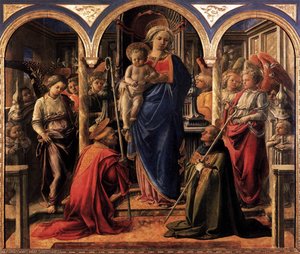


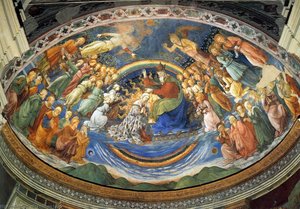

Filippo Lippi
Figure study
() ·
Kehyksineen: · Käsinmaalattu öljyväreillä pellavalle
Yhteensä