

 Katso seinällä
 Lähetä
 Jaa
Jaa
 Tarkemmat tiedot
 Opas
Opas

 Lataa kuva
 Samanlaisia kohteita
 Röntgenkuvaus
 Diaesitys
 Tilastot
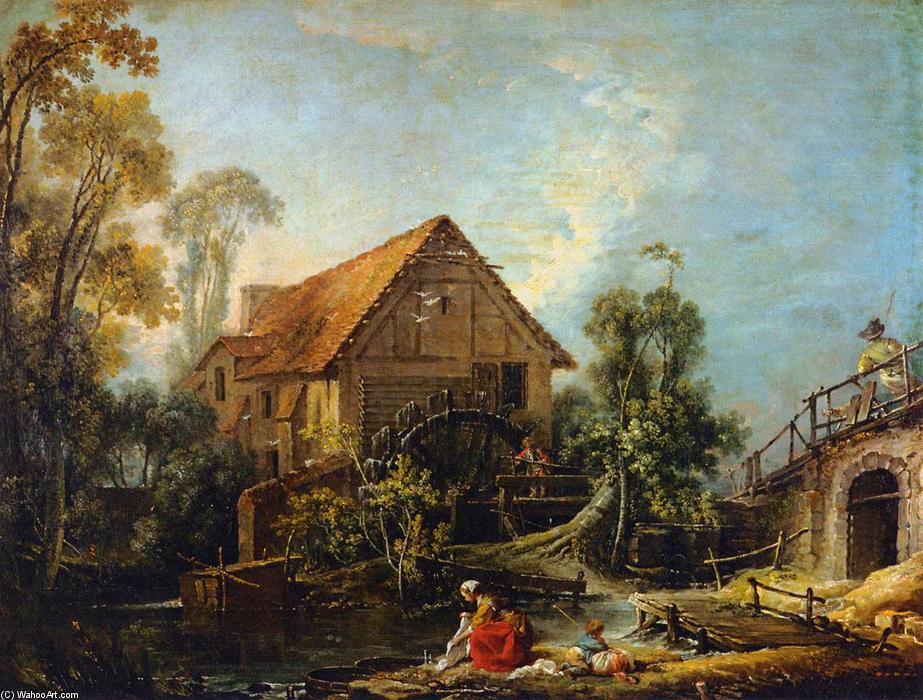
The Mill
 Painting
- Rococo Style
 1751
1751- Early Modern
 66.0 x 84.0 cm
 Louvren museo
Experience the serene Rococo elegance of Boucher's Mill, a pastoral vision capturing 18th-century grace; discover this masterpiece today.
 Lue lisää
François Boucher (1703–1770) oli rokokoo-ajan merkittävin ranskalainen taidemaalari, tunnettu sensuaalisista ja kauniista maalauksistaan – myyttisistä kuvista, muotokuvista ja idyllisistä maisemista. Tutustu!
Giclée- ja taideprintit
Museolaatuisia giclée- tai kankaitaulun tulosteita nopealla tuotannolla ja joustavilla viimeistelyvaihtoehdoilla. ( Tilaa käsinmaalattu jäljennös Siirry digitaaliseen kuvaan)




P118B €10

P118H €10

P118W €10

P438Z €10

P508JH €12

P508YH €12

P805H €10

P805Z €10

P919BZ €10

P919G €10

P919XJ €10

P959ZH €10

P968JZ €12

W106C €8

W218G €10

W218JH €8

W218Y €10

W307PJ €10

W316G €10

W316PJ €8

W316Y €10

W398PJ €8

W4111J €10

W500HY €15

W500JH €15

W692G €12

W849H €8

W940BG €15

W953PJ €8




Vakiokoko
mittatilaustyö
CM
INCH
Valitse valmiista mitoistamme sellaiset, jotka vastaavat teoksen alkuperäisiä mittasuhteita.
Loading sizes...

leveys
korkeus
Voit syöttää omat mitat sopiaksesi tiettyyn kehykseen tai tilaan. Jos valittu koko ei vastaa alkuperäisen kuvan mittasuhteita, rajaamme teosta tai laajennamme kuvaa peilatulla tai yhtenäisellä reunalla. Digitaalinen mallikuva lähetetään hyväksyttäväksi ennen tuotannon aloittamista.
Huomaathan, että näytöllä näkyvä esikatselu ei vastaa lopullista rajausta tai laajennusta. Vain mallikuva näyttää lopullisen sommittelun tarkasti.
Vaikka räätälöityjä kokoja on saatavilla, suosittelemme valitsemaan mitat valmiista listasta alkuperäisten mittasuhteiden säilyttämiseksi.
Maailmanlaajuinen toimitus () 2 viikossa tavallisen 4–5 viikon sijaan. (13 lokakuu)

Ilmainen pikatoimitus ympäri maailman

Korkealaatuinen pellavakangas

Kattava kuljetusvakuutus

Tulliveron palautustakuu

Takuu täydellisestä värien vastaavuudesta

100 päivän palautusoikeus valmistusvirhetapauksissa

100% rahat takaisin -takuu

Määräalennus saatavilla
 Lasivaihtoehto on saatavilla vain alle 110 cm kokoisille teoksille

The Mill
Giclée- ja taideprintit
Replikaatin koko
-


Kokonaishinta
€ 60
A Tranquil Vision of Rococo Pastoral
François Boucher’s “The Mill,” painted in 1751 during the zenith of Rococo art, offers a glimpse into a refined aesthetic that prioritized elegance and sensual beauty. More than just a depiction of rural life, it embodies the spirit of its time—a reaction against the grandeur of Baroque formalism and a celebration of harmonious natural landscapes infused with aristocratic leisure.
- Subject Matter: The painting portrays a picturesque mill nestled amongst lush greenery and flowing water. This idyllic setting was favored by Rococo artists as it conveyed serenity and idealized notions of pastoral existence, reflecting the tastes of the French court.
- Style & Technique: Boucher’s masterful brushwork exemplifies the hallmark characteristics of Rococo—delicate pastel hues, soft textures, and a meticulous attention to detail. The artist skillfully employs glazing techniques to achieve luminous effects, capturing the diffused light filtering through the trees and illuminating the mill’s façade.
- Historical Context: Created during Louis XV's reign, “The Mill” reflects the prevailing artistic sensibilities of the period. Rococo flourished as a counterpoint to Baroque grandeur, favoring ornamentation and playful asymmetry—elements deliberately absent from earlier styles. Boucher’s work aligns perfectly with this cultural shift towards refined pleasure and aristocratic indulgence.
Symbolism & Artistic Interpretation
Beyond its visual beauty, “The Mill” carries symbolic weight. The mill itself represents industriousness and practicality—a grounding element amidst the ethereal atmosphere of the scene. However, Boucher elevates this commonplace subject through idealized representation, emphasizing harmony between humanity and nature. The figures in the foreground – women observing the mill’s operation – symbolize feminine grace and contemplation, furthering the painting's overarching theme of tranquil beauty.
- Color Palette: Boucher utilizes a restrained yet luminous color palette dominated by muted greens, blues, and creams—colors that evoke feelings of calmness and freshness.
- Composition: The balanced composition guides the viewer’s eye across the canvas, creating a sense of visual equilibrium. The placement of figures and trees contributes to the overall harmony of the scene.
Emotional Impact & Legacy
"The Mill" transcends mere representation; it aspires to evoke emotion—a feeling of peaceful contemplation and appreciation for the beauty of the natural world. Boucher’s ability to capture this intangible quality cemented his reputation as one of the foremost artists of his era, influencing subsequent generations of painters and establishing a lasting legacy within the history of Rococo art.
A high-quality reproduction of “The Mill” allows you to experience the artistry and tranquility of François Boucher’s masterpiece in your own home. Explore our collection at TopImpressionists.com for stunning prints and canvases that bring this iconic artwork to life!
Kysymykset ja vastaukset
Voinko tilata öljyvärimaalauksen teoksesta "The Mill"?
"The Mill" on saatavilla muodossa käsinmaalattu öljyvärireproduktio pellavakankaalle. Tilauksen voi tehdä osoitteessa tämä sivu, ja voit valita haluamasi koon.
Mikä on teoksen Françoise Boucher:n "The Mill" muoto ja mitkä ovat sen mitat?
Teoksen "The Mill" formaatti on Landscape ja alkuperäinen koko on 66 x 84 cm. Molemmat tiedot ovat hyödyllisiä jäljennöstä suunnitellessa.
Voiko teosta Françoise Boucher:n "The Mill", jota säilytetään Louvren museo-museossa, jäljentää laillisesti?
Teoksen Françoise Boucher:n "The Mill" tekijänoikeustilanne on selvä: teos on tekijänoikeusvapaa – sen tekijänoikeussuoja on päättynyt. Sen sijainti museossa Louvren museo ei muuta tätä tilaa.
Kuinka vanha Françoise Boucher oli luodessaan "The Mill" vuonna 1751?
Françoise Boucher loi teoksen "The Mill" ollessaan 48 vuotias. Taiteilija on syntynyt vuonna 1703 ja teos on ajoitettu vuodelle 1751.
Kenelle Françoise Boucher:n "The Mill" suositellaan lahjaksi?
"The Mill" on suositeltava lahja Anniversary.
Minkälainen teos "The Mill" on?
Luettelossa teos Françoise Boucher:n "The Mill" on luokiteltu tyypiksi wall art. Kategoria auttaa löytämään samankaltaisia teoksia.
Onko Françoise Boucher:n "The Mill" tunnettu teos?
"The Mill" on luokiteltu kategoriaan Iconic.
Ovatko "The Mill" värit voimakkaita vai pehmeitä?
Teoksen "The Mill" väri-intensiteetti on Balanced. Intensiteetti kuvaa värien voimakkuutta.
Taiteilijan elämäkerta
François Boucher: Rococo’n Lumous Sydän
François Boucher (1703-1770) ei ollut pelkästään ranskalainen taidemaalari, vaan koko aikakauden tunnistettava ilmentymä. Hänen työnsä vangitsee 1800-luvun alun Ranskan rokokoo-tyylin kauneuden ja keveän eleganssin – kuin aamukasteen heijastuksenanainenpuutarhassa. Boucher oli mestari luomaan maailman, jossa miellyttävä elämä, jumalaiset ihanteet ja sensuellit tunteet tanssivat harmoniassa, ja hänen vaikutuksensa ulottuu edelleen taiteen historian syvyyksiin.
Varhainen Elämä ja Taidon Aloitus
François Boucher syntyi Pariisissa 29. syyskuuta 1703, ja hänen taiteellinen matkansa alkoi isänsä, Jean Boucherin, johdolla. Jean oli itsekin tunnettu maalarinpoika, ja hän opetti pojalleen perusteet värien hallinnasta ja muodon luomisesta. Nuorella iällä, 17-vuotiaana, Boucher sai huomion François Lemoynestä, merkittävältä taidemaalariyrittäjältä, mikä avasi hänelle oven maailman tunnetuimpaan akateemiseen piiriin. Hänen taitonsa kehittyivät edelleen työskennellessään kaivertajan Jean-François Carsin kanssa, ja lopullinen virstanpylväs saavuttiin vuonna 1720 voittamalla arvostetun Prix de Rome’n – kunnianosoituksen, joka avasi hänelle oven Rooman taideakatemian ovista.
Rooman Aikakausi ja Taiteellisen Äänen Muotoutuminen
Rooma oli 1800-luvun alun taidemaailmalle keskeinen paikka, ja Boucher hyödensi täysin mahdollisuutta opiskella siellä. Rooman akatemiassa hän tutustui renessanssin mestareihin, mutta samalla hän alkoi kehittää omaa, ainutlaatuista tyyliään. Hänen työnsä oli täynnä herkkyyttä, hienovaraisia värejä ja upeaa liikettä – piirteitä, jotka muistuttavat hänen inspiraatioistaan, kuten Jacques-Louis Davidin ja Nicolas Lancretin töistä. Rooman ajasta tuli hänelle merkittävä, jossa hän vahvisti taiteellista identiteettiään ja alkoi luoda teoksia, jotka olivat tyylillisesti ja sisällöllisesti edellä aikansa.
Rokokoo Pariisissa: Kuninkaallinen Suosio ja Taiteellinen Vaikutus
Boucher palasi Pariisiin Rooman jälkeen ja sai välittömästi akateemisen tunnustuksen. Hänet hyväksyttiin Royal Academiin vuonna 1731, ja hänen ensimmäinen näyttelynsä, "Rinaldo ja Armida" (1734), oli heti menestys. Teos osoitti Boucherin kyvyn luoda dramaattisia ja tunteellisesti latautuneita kohtauksia, jotka olivat täynnä rokokoo-tyylin hienostuneisuutta ja sensuaalisuutta. Hänen suosiotaan vahvisti merkittävästi Madame de Pompadour, kuningas Ludvig XV:n rakastettava, joka oli Boucherin tärkein asiakas ja inspiraation lähde. Hän suunnitteli teoksia Pompadourille, mukaan lukien tapetteja, posliinia ja jopa lavastuksia Versailles’n palatsiin.
Teokset ja Teemat: Mytologia, Ilo ja Sensuaalisuus
Boucherin tuotanto on monipuolinen ja kattaa laajan kirjon aiheita. Hänen tunnetuimpia teoksiaan ovat "Aamiaispaikka" (1739), joka kuvaa hienovaraista kodinsirkusta, "Venus triumfeissa" (1740-1751) – sarja mytologisia maalauksia, jotka osoittavat hänen mestaruuttaan tarinankerronnassa ja värien käytössä, sekä lukuisat muotokuvat Madame de Pompadourista. Hän myös loi kauniita maisemakuvia, kuten "Auringonlasku", joissa luonto kuvataan idyllisessä valossa. Boucherin teoksissa toistuvat usein rakkaus, kauneus, lepo ja myyttinen maailma – kaikki yhdistettynä hienostuneeseen eleganssiin ja sensuelliseen tunnelmaan.
Perintö ja Vaikutus
François Boucher ei ollut vain lahjakas taidemaalari, vaan myös merkittävä vaikuttaja taiteen kehitykseen. Hän suunnitteli teattereihin lavastuksia ja puvustuksia, loi tapetteja Gobelinin valmistuslaitoksille ja osallistui posliinitehtaiden suunnitteluun. Hänet nimitettiin vuonna 1765 *Premier Peintre du Roi* – kuninkaan ensisijainen taidemaalari – mikä vahvisti hänen asemaansa Ranskan rokokoo-tyylin johtavana taiteilijana. Vaikka myöhemmät kriitikot kyseenalaistivat rokokoon pinnallisuuden, Boucherin vaikutus on edelleen havaittavissa monien seuraajien töissä, kuten Jean-Honoré Fragonardin teoksissa.
Yhteenveto
François Boucher oli 1800-luvun alun Ranskan taiteen keskeinen hahmo. Hänen työnsä on edelleen inspiraation lähde ja osoitus rokokoo-tyylin hienostuneisuudesta, sensuaalisuudesta ja kauneudesta. Hän oli taidemaalari, joka pystyi vangitsemaan aikansa tunnelman ja luomaan teoksia, jotka ovat edelleen yhtä ihailtuja kuin heidän valmistumisensa aikaan.

Françoise Boucher
1703 - 1770 , Ranska
Tietoa taiteilijasta
- Artistic Movement Or Style: Rokoko
- Artists Or Movements Influenced By This Artist: ['Jean-Honoré Fragonard']
- Artists Who Influenced This Artist:
- François Lemoyne
- Jean-François Cars
- Date Of Birth: 29. syyskuuta 1703
- Date Of Death: 30. toukokuuta 1770
- Full Name: François Boucher
- Nationality: Ranskalainen
- Notable Artworks:
- Rinaldo ja Armida
- Aamiaiset
- Venus voitto
- Place Of Birth: Pariisi, Ranska
Aiheeseen liittyvät artikkelit

Idyllic Visions: Exploring the Pastoral Scene in Art History – From Arcadia to Modern Interpretations
Explore the captivating history of pastoral art from classical Arcadia to modern masterpieces. Discover key artists like Millet & Cole at TopImpressionists. Find serene landscape paintings for your home.

François Boucher: Rococo Master of Myth, Sensuality, and the French Court
Explore the captivating world of François Boucher, master of Rococo painting! Discover his iconic works, aristocratic patronage, and lasting influence on French art history. Learn more at TopImpressionists.

Katsushika Hokusain 25 mestariteosta: Ukiyo-e taidetta ja sisustuksen inspiraatiota
Tutustu Katsushika Hokusain 25 mestariteokseen! Ukiyo-e taidetta, Fuji-vuori ja ikoninen Suuri aalto Kanagawassa. Löydä japanilaisen estetiikan kauneus ja inspiroi sisustusta museolaatuisilla taideprintteillä TopImpressionists.comissa.

Romanttisen maisemamaalauksen mestariteokset: Taidetta ja inspiraatiota kotiin
Uppoudu romanttisen maisemamaalauksen maailmaan! Tutustu Caspar David Friedrichin, Turnerin ja muiden mestareiden ikonisiin teoksiin. Löydä inspiraatiota kotiisi taiteen avulla TopImpressionists.comista – laadukkaat taideprintit ja sisustusideoita.

Rokokoon mestariteokset: Taidetta ja eleganssia kotiisi – TopImpressionists.com
Uppoudu rokokoon maailmaan! Tutustu 10 mestariteokseen – Fragonard, Watteau ja muut. Taidetta, eleganssia & inspiraatiota kotiisi. Laadukkaat taideprintit TopImpressionists.com:ssa. Explore the full collection online!
Tutustu teoksiin, jotka on järjestetty aiheiden, tyylien ja ominaisuuksien mukaan.

