


 Katso seinällä
 Lähetä
 Jaa
Jaa
 Tarkemmat tiedot
 Opas
Opas

 Lataa kuva
 Samanlaisia kohteita
 Röntgenkuvaus
 Diaesitys
 Tilastot
The Minotaur
 Acrylic On Canvas
- WallArt
- Symbolist Movement
 1885
1885 94.0 x 118.0 cm
 Tate Britain
George Frederic Watts’ haunting ‘The Minotaur’ captures the myth's brutality & despair. Inspired by child prostitution, it depicts the creature’s longing, a powerful symbol of primal instincts and suffering.
 Lue lisää
Tutustu George Frederic Wattsin (1817–1904) symbolistiseen taiteeseen! Hänet tunnetaan allegoristen maalauksensa, kuten 'Toivo' ja parlamenttitalon freskon erityisesti sekä hänen työnsä yksityiskohtaisena kuvauksena ihmisen tunteista ja pyrkimyksistä. Löydät mestariteoksensa TopImpressionists.com sivuilta!
Giclée- ja taideprintit
Museolaatuisia giclée- tai kankaitaulun tulosteita nopealla tuotannolla ja joustavilla viimeistelyvaihtoehdoilla. ( Tilaa käsinmaalattu jäljennös Siirry digitaaliseen kuvaan)




P118B $10

P118H $10

P118W $10

P438Z $10

P508JH $12

P508YH $12

P805H $10

P805Z $10

P919BZ $10

P919G $10

P919XJ $10

P959ZH $10

P968JZ $12

W106C $8

W218G $10

W218JH $8

W218Y $10

W307PJ $10

W316G $10

W316PJ $8

W316Y $10

W398PJ $8

W4111J $10

W500HY $15

W500JH $15

W692G $12

W849H $8

W940BG $15

W953PJ $8




Vakiokoko
mittatilaustyö
CM
INCH
Valitse valmiista mitoistamme sellaiset, jotka vastaavat teoksen alkuperäisiä mittasuhteita.
Loading sizes...

leveys
korkeus
Voit syöttää omat mitat sopiaksesi tiettyyn kehykseen tai tilaan. Jos valittu koko ei vastaa alkuperäisen kuvan mittasuhteita, rajaamme teosta tai laajennamme kuvaa peilatulla tai yhtenäisellä reunalla. Digitaalinen mallikuva lähetetään hyväksyttäväksi ennen tuotannon aloittamista.
Huomaathan, että näytöllä näkyvä esikatselu ei vastaa lopullista rajausta tai laajennusta. Vain mallikuva näyttää lopullisen sommittelun tarkasti.
Vaikka räätälöityjä kokoja on saatavilla, suosittelemme valitsemaan mitat valmiista listasta alkuperäisten mittasuhteiden säilyttämiseksi.
Maailmanlaajuinen toimitus () 2 viikossa tavallisen 4–5 viikon sijaan. (25 syyskuu)

Ilmainen pikatoimitus ympäri maailman

Korkealaatuinen pellavakangas

Kattava kuljetusvakuutus

Tulliveron palautustakuu

Takuu täydellisestä värien vastaavuudesta

100 päivän palautusoikeus valmistusvirhetapauksissa

100% rahat takaisin -takuu

Määräalennus saatavilla
 Lasivaihtoehto on saatavilla vain alle 110 cm kokoisille teoksille

The Minotaur
Giclée- ja taideprintit
Replikaatin koko
-


Kokonaishinta
$ 69
The Haunting Echoes of Myth: George Frederic Watts’ “The Minotaur”
George Frederic Watts' "The Minotaur," painted in 1885, isn’t merely a depiction of a monstrous figure from Greek mythology; it’s a profound meditation on primal instincts, the burden of violence, and the tragic consequences of unchecked desire. This oil-on-canvas masterpiece transcends its mythological roots to become a powerfully emotive exploration of the human condition, resonating with viewers even today.
Watts, a prominent figure in the Symbolist movement, rejected the academic conventions of his time, prioritizing emotional intensity and symbolic representation over realistic portrayal. He sought to capture not just what he saw, but what he *felt*, drawing heavily on classical literature – particularly Homer’s *Iliad* – as well as contemporary social anxieties. “The Minotaur” emerged during a period of intense moral debate surrounding the exploitation of women and children, fueled by investigative journalism exposing the horrors of prostitution in Victorian London. This context is crucial to understanding the painting's unsettling power.
A Study in Contrasts: Form and Emotion
The composition immediately commands attention. The Minotaur dominates the foreground, his massive form rendered with a deliberate roughness – not polished or idealized, but imbued with a palpable sense of brute strength and suppressed rage. His head, a grotesque fusion of human and bull, is turned away from the viewer, creating an unsettling sense of detachment and isolation. The artist masterfully employs *profil perdu*, a technique where only part of the figure’s face is visible, intensifying the creature's enigmatic nature.
Notice the stark contrast between the Minotaur’s powerful physicality and the delicate detail lavished upon the small bird crushed beneath his fist. This seemingly insignificant element serves as a potent symbol – representing innocence, vulnerability, and ultimately, destruction. The bird, likely intended to evoke the image of a young maiden, is brutally silenced by the Minotaur's overwhelming force, highlighting the devastating consequences of unchecked aggression.
The Labyrinth of Interpretation: Symbolism and Context
Watts’ choice to depict the Minotaur gazing out towards the sea is particularly evocative. The vast expanse of water suggests a longing for escape, perhaps even a yearning for redemption – an impossible desire given the creature's monstrous nature. The reference to the Athenian tribute—the ritual sacrifice of young people—directly connects the painting to Stead’s exposé and the broader social anxieties of the era. It’s a chilling reminder of the dark undercurrents beneath Victorian society, where beauty and innocence were often corrupted by greed and exploitation.
The myth itself offers layers of interpretation. The Minotaur represents not just brute force, but also the primal instincts that lie dormant within all humanity – the capacity for violence, jealousy, and self-destruction. Watts doesn’t shy away from these darker aspects of human nature, presenting them with unflinching honesty.
A Timeless Masterpiece: Technique and Legacy
Technically, “The Minotaur” is a remarkable achievement. Watts employed a loose, expressive brushstroke, creating a sense of movement and dynamism within the composition. The colors are rich and saturated, contributing to the painting’s dramatic intensity. He deliberately avoided smooth surfaces, opting for a textured effect that emphasizes the physicality of the subject.
Despite its unsettling subject matter, “The Minotaur” remains one of Watts' most celebrated works, admired for its emotional depth, symbolic complexity, and masterful execution. It continues to provoke thought and discussion, serving as a powerful reminder of the enduring relevance of myth and the complexities of human nature. Reproductions of this haunting image offer a captivating glimpse into the Victorian era’s anxieties and Watts’ profound artistic vision.
Taiteilijan elämäkerta
nuoru ja koulutus
George Frederic Watts, symbolistisen liikkeen merkittävä hahmo, syntyi 23. helmikuuta 1817 Lontoossa, Marylebonessa. Hänen varhaista lapsuuttaan leimasivat hauras terveys ja äidin menetys jo nuorena. Wattsin isä, pianonrakentaja, antoi pojalleen konservatiivisen kristillisen kasvatuksen ja tutustutti hänet klassiseen kirjallisuuteen, kuten Iliokseen. Tästä klassisesta vaikutteesta tuli myöhemmin hänen taiteellisen tyylinsä peruskivi.ura
Watts aloitti taiteellisen matkansa jo 10-vuotiaana opiskellen kuvanveistoa William Behnesin alaisuudessa. Myöhemmin, 18-vuotiaana, hän aloitti opiskelijana Royal Academy Schools -taideakatemiassa. Hänen ensimmäinen näyttelynsä akatemiassa vuonna 1837 merkitsi hänen hedelmällisen uransa alkua.- Caractacus, piirros, joka lähetettiin kilpailuun uuden parlamenttitalon seinämaalauksia varten, toi Wattsille ensimmäisen palkinnon vuonna 1843.
- Hänen myöhemmät matkansa Italiaan (1843–1847) ja yhteytensä brittiläiseen suurlähettiläs Henry Foxiin vaikuttivat hänen tyyliinsä, kuten näkyy hänen vuonna 1848 esitellyssä Lady Hollandin muotokuvassaan.
- Wattsin paluu Britanniaan johti tilaukseen freskosta parlamenttitaloon, jonka hän viimeisteli vuosien 1848 ja 1853 välillä.
symbolistiset mestariteokset
Wattsin tunnetuimpia teoksia ovat:- Hope (Toivo) ja Love and Life (Rakkaus ja elämä), jotka oli tarkoitettu osaksi eeppistä symbolista sarjaa nimeltä "House of Life" (Elämän talo).
- The Triumph of the Red Cross Knight (Punaisen ristiritarin voitto, peräisin Faerie Queenista), joka valmistui vuosina 1852–53 ja osoittaa hänen mestaruutensa allegorisissa aiheissa.
- Hänen muotokuvansa näyttelijätär Ellen Terrystä, joka maalattiin vuonna 1864, ilmentää hänen kykyään vangita kohteidensa olemus.
perintö
Wattsin vaikutus taidemaailmaan on kiistaton. Hänen kytkökset symbolistiseen liikkeeseen sekä hänen innovatiivinen värinsä ja muotonsa käyttö ovat tehneet hänestä rakastetun hahmon brittiläisen taidehistorian joukossa. Tutustu George Frederic Wattsin teoksiin osoitteessa TopImpressionists.commuseot, joissa esitellään Wattsin työtä
- Lincoln's Inn, jossa on esillä hänen freskonsa Justice, a hemicircle of lawgivers (Oikeus, lakimiesympyrä).
- Watts Gallery – Artists' Village Guildfordin alueella, Isossa-Britanniassa, joka on omistettu Wattsin ja muiden taiteilijoiden teosten säilyttämiselle.

George Frederic Watts
1817 - 1904 , Iso Britannia
Tietoa taiteilijasta
- Artistic Movement Or Style: Symbolismi
- Artists Or Movements Influenced By This Artist: ['Prerafaeliitit']
- Artists Who Influenced This Artist:
- William Behnes
- Henry Fox
- Date Of Birth: 23. helmikuuta 1817
- Full Name: George Frederic Watts
- Nationality: Brittiläinen
- Notable Artworks:
- Toivo ja rakkaus ja elämä
- Voittava rakkaus
- Fata Morgana
- Place Of Birth: Marylebone, Lontoo
Aiheeseen liittyvät artikkelit

George Frederic Watts: Symbolism, Spirituality & Victorian Ideal Beauty
Explore the captivating Symbolist art of George Frederic Watts. Discover his allegorical masterpieces, classical influences & spiritual themes. Learn about his legacy and find high-quality reproductions at TopImpressionists.
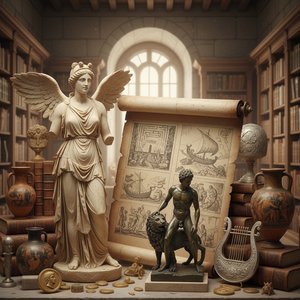
Timeless Legends: A Curated Guide to the Eternal Allure of Mythological Masterpieces
Embark on a sophisticated journey through the eternal allure of mythological art. Discover how master painters breathe life into ancient legends, from Greek deities to Baroque masterpieces, and learn to curate these timeless narratives within your own exquisite art collection.

Georges Braquen 25 mestariteosta: Taidetta kotiin TopImpressionistsilta
Tutustu Georges Braquen 25 mestariteokseen ja kubismin lumoihin! Taidehistoriaa, värejä ja inspiraatiota kotiisi. Laadukkaat taulut TopImpressionistsilta – löydä täydellinen seinätaulu nyt!

Georges Seurat: 25 mestariteosta – Valon ja värin lumoa taidossa | TopImpressionists
Tutustu Georges Seuratin 25 mestariteokseen! Uppoudu pointillismia, valomaalausta ja väriteoriaa hyödyntävään taidemaailmaan. Löydä A Sunday on La Grande Jatte ja muut ikonit TopImpressionists.comista – korkealaatuiset taidekopiot kotiisi.

The Enduring Legacy of Oil on Canvas: Technique, History & Aesthetic Impact
Explore the rich history & techniques of oil painting – from Renaissance masters to Impressionism. Discover pigments, layering methods, and why this timeless medium endures. Expert insights for artists & art enthusiasts.