


 Katso seinällä
 Lähetä
 Jaa
Jaa
 Tarkemmat tiedot
 Opas
Opas

 Lataa kuva
 Samanlaisia kohteita
 Röntgenkuvaus
 Diaesitys
 Tilastot
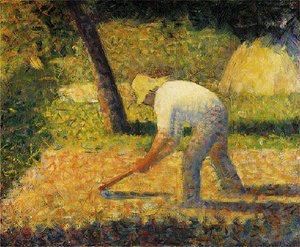
The Gardener


Discover "The Gardener" by Seurat! A stunning Pointillist masterpiece showcasing rural beauty & warm light. Explore Neo-Impressionism's elegance – a timeless work of art.
 Lue lisää
Georges Seurat (1859-1891): Pointillism-pioneerin uraa uurtava väriteoria ja modernin elämän vangitseminen! Tutustu 'La Grande Jatte' -maalaukseen & tilaa käsin maalattuja reproduktioita!
Giclée- ja taideprintit
Museolaatuisia giclée- tai kankaitaulun tulosteita nopealla tuotannolla ja joustavilla viimeistelyvaihtoehdoilla. ( Tilaa käsinmaalattu jäljennös Siirry digitaaliseen kuvaan)




P118B €10

P118H €10

P118W €10

P438Z €10

P508JH €12

P508YH €12

P805H €10

P805Z €10

P919BZ €10

P919G €10

P919XJ €10

P959ZH €10

P968JZ €12

W106C €8

W218G €10

W218JH €8

W218Y €10

W307PJ €10

W316G €10

W316PJ €8

W316Y €10

W398PJ €8

W4111J €10

W500HY €15

W500JH €15

W692G €12

W849H €8

W940BG €15

W953PJ €8




Vakiokoko
mittatilaustyö
CM
INCH
Valitse valmiista mitoistamme sellaiset, jotka vastaavat teoksen alkuperäisiä mittasuhteita.
Loading sizes...

leveys
korkeus
Kirjoita tarvitsemasi leveys ja korkeus, jotta tuloste sopii kehyskokoon tai seinällesi. Tulostetta voidaan vain leikata, sitä ei voi koskaan tehdä suuremmaksi kuin alkuperäinen kuva, joten eri muotoinen koko aiheuttaa osan kuvasta katoamisen. Lähetämme sinulle digitaalisen mallikuvan hyväksyttäväksi ennen kuin aloitamme tulostuksen. Tällä sivulla näkyvä kuva ei näytä lopullista leikkausta — vain mallikuva näyttää sen.
Maailmanlaajuinen toimitus () 2 viikossa tavallisen 4–5 viikon sijaan. (25 lokakuu)

Ilmainen pikatoimitus ympäri maailman

Korkealaatuinen pellavakangas

Kattava kuljetusvakuutus

Tulliveron palautustakuu

Takuu täydellisestä värien vastaavuudesta

100 päivän palautusoikeus valmistusvirhetapauksissa

100% rahat takaisin -takuu

Määräalennus saatavilla
 Lasivaihtoehto on saatavilla vain alle 110 cm kokoisille teoksille

The Gardener
Giclée- ja taideprintit
Replikaatin koko
-


Kokonaishinta
€ 61
A Moment Captured in Light: Georges Seurat’s “The Gardener”
Georges Seurat's "The Gardener," painted in 1882, isn’t merely a depiction of a rural scene; it’s a meticulously constructed meditation on perception and the very nature of seeing. This work, often overshadowed by his more famous Pointillist masterpieces like “A Sunday Afternoon on La Grande Jatte,” offers a profound glimpse into the artist's revolutionary approach to painting – one rooted in scientific observation and an almost obsessive desire to capture the ephemeral effects of light. The image presents a solitary figure, presumably a farmer, traversing a field of tall grasses under a hazy sky, a scene imbued with a quiet dignity and a palpable sense of solitude. It’s a tableau that invites contemplation not just of the landscape itself, but of the act of observation – how we perceive color, form, and space.
The Language of Pointillism: A Scientific Approach to Color
Seurat's technique in “The Gardener” is undeniably central to its impact. He employed his signature method of Pointillism, a revolutionary approach that moved far beyond the loose brushstrokes of Impressionism. Instead of blending colors directly on the canvas, Seurat meticulously applied thousands of tiny, distinct dots – individual points of pure color – to create an optical illusion. When viewed from a distance, these dots coalesce and blend in the viewer’s eye, resulting in a vibrant and luminous effect that surpasses the capabilities of traditional brushwork. The artist's rigorous study of optics, informed by scientific theories about color perception, dictated every aspect of his process. He believed that by isolating individual colors and allowing the eye to synthesize them, he could achieve a greater degree of realism and luminosity than was previously possible. Notice how the greens shift subtly across the field – not through blending, but through the careful arrangement of yellows, blues, and whites.
- Color Theory: Seurat’s palette is carefully calibrated to create harmonious color relationships, utilizing complementary colors to intensify hues and achieve a remarkable sense of depth.
- Dot Size & Placement: The varying size and density of the dots contribute to the overall texture and visual rhythm of the painting. Larger dots are used for darker areas, while smaller dots define finer details.
Symbolism and the Human Figure Within Nature
Beyond its technical brilliance, “The Gardener” is rich in symbolic meaning. The solitary figure represents humanity’s relationship with the natural world – a connection both profound and often isolating. He's not actively engaged in labor, but rather simply *present* within the landscape, suggesting a quiet reverence for the land. The hazy sky, rendered in delicate washes of blue and gray, evokes a sense of timelessness and mystery. The field itself, with its undulating grasses, becomes a metaphor for life’s journey – a continuous flow and movement that is both beautiful and transient. It's important to note that Seurat was deeply interested in the philosophical implications of his work, exploring themes of order, harmony, and the pursuit of scientific truth through art.
A Legacy of Precision: Recreating the Vision
“The Gardener” stands as a testament to Georges Seurat’s innovative spirit and his unwavering commitment to capturing the essence of light and color. TopImpressionists offers meticulously crafted, hand-painted reproductions that faithfully recreate the luminosity and precision of this remarkable work. Each reproduction is created by skilled artists who understand the nuances of Seurat's technique, ensuring that you receive a faithful representation of this iconic painting. Whether displayed in a contemporary setting or as a cherished addition to a classic interior, a TopImpressionists reproduction of “The Gardener” will bring a touch of artistic brilliance and intellectual depth to your space. Consider how the subtle shifts in color and texture – achieved through our painstaking process – evoke the same sense of quiet contemplation that defined Seurat’s original vision.
Kysymykset ja vastaukset
Ovatko teoksen Georges Pierre Seurat:n "The Gardener" värit kirkkaita vai hillittyjä?
Teoksen "The Gardener" värikylläisyys on Clear Color Presence ja värin voimakkuus on Vivid.
Missä koossa "The Gardener" suositellaan tulostettavaksi?
Georges Pierre Seurat:n "The Gardener"-teokselle suositellaan Large kokoista jäljennöstä. Kokoa voidaan muuttaa säilyttäen alkuperäiset kuvasuhteet.
Mikä on teoksen Georges Pierre Seurat:n "The Gardener" luminanssi?
Teoksen "The Gardener" värit heijastavat Gentle Luminance luminanssia.
Samankaltaisia teoksia




Taiteilijan elämäkerta
Georges Seurat: Valon ja tieteen lumoissa
Georges Pierre Seurat, syntynyt Pariisissa 2. joulukuuta 1859, nousi keskeiseksi hahmoksi siirtymävaiheessa impressionismista moderniin taiteeseen. Hänen lyhyt mutta intensiivinen uransa mullisti maalaustaidon Pointillism-tekniikan kehittämisen myötä – tekniikan, joka perustui tieteellisiin periaatteisiin ja horjumattomaan pyrkimykseen optiseen totuuteen. Seuratin tarina on huolellisen havainnoinnin, älyllisen tarkkuuden ja syvän herkkyyden osoitus valon ja värin vivahteille – ominaisuuksia, jotka erottivat hänet aikalaistensa joukosta ja jatkavat yleisön lumoamista tänäkin päivänä. Hänen varhaiselämänsä, vaikka näennäisesti perinteinen, loi pohjan hänen tuleville taiteellisille tutkimuksilleen. Perhe muutti Boulevard de Magenta pian syntymänsä jälkeen, ja hänen isänsä, Antoine Chrysostome Seurat, entinen juridiikan virkamies ja kiinteistöspekulantti, tarjosi nuorelle Georgesille mukavan kasvatuksen, joka mahdollisti pääsyn taideopetukseen. Hän aloitti muodollisen koulutuksen École Municipale de Sculpture et Dessin -koulussa kuvanveistäjä Justin Lequienin oppilaana ja jatkoi myöhemmin opintoihin prestiżissä École des Beaux-Artsissa vuonna 1878, opiskellen Henri Lehmannin johdolla. Nämä varhaiset vuodet antoivat hänelle vankan perustan perinteisille tekniikoille, mutta jopa silloin ainutlaatuinen taiteellinen persoonallisuus alkoi hahmottua – hienostuneen herkkyyden ja nousevan kiinnostuksen järjestelmällistä analyysiä kohtaan yhdistelmä.Akateemisista juurista kromoluminarismiin
Seuratin taiteellinen kehitys ei ollut äkillinen innovaatio, vaan pikemminkin asteittainen evoluutio, jota ruokki älyllinen uteliaisuus ja tarkka kokeilu. Aluksi hänen työnsä heijasti ajan akateemisia standardeja, osoittaen taitoa piirtämisessä ja kunnioitusta vakiintuneita sommitteluperiaatteita kohtaan. Hän alkoi kuitenkin pian kyseenalaistaa näitä käytäntöjä etsien tieteellisempää lähestymistapaa maalaustaidossa. Hän uppoutui syvälle väriteoriaan, tutkien tiedemiesten, kuten Michel Eugène Chevreulin ja Ogden Roodin kirjoituksia, jotka tutkivat vierekkäisten värien optisia vaikutuksia. Tämä tutkimus muodostui hänen vallankumouksellisen tekniikkansa, kromoluminarismin – värin tieteen – kulmakiveksi ja sen käytännön sovelluksen, Pointillism-tekniikan. Ydinidea oli yksinkertainen: levittää pieniä, erillisiä puhtaan värin pisteitä kankaalle ja luottaa katsojan silmän kykyyn optisesti sekoittaa ne ja luoda elävä, lumoava vaikutelma. Tämä ei ollut pelkästään kirkkaampien värien saavuttamista; se oli ihmisen näköjärjestelmän toiminnan ymmärtämistä valon ja värin suhteen ja tämän tiedon hyödyntämistä dynaamisemman ja mukaansatempaavamman maalauskokemuksen luomiseksi. Hän valmistautui huolellisesti suuriin kompositioihinsa Conté-lyijykynäpiirustuksilla karkealla paperilla, kartoittaen huolellisesti jokaisen pisteen sijoittelun ja osoittaen lähes matemaattista tarkkuutta taiteellisessa prosessissaan.Innovoinnin virstanpylväät: Merkittävät teokset ja taiteellinen visio
Seuratin tutkimusten ja kokeilujen huipentuma näkyy ehkä parhaiten A Sunday Afternoon on the Island of La Grande Jatte (1884-1886) -maalauksessa, joka oli monumentaalinen teos ja merkitsi Neo-impressionismin alkua. Tämä ikoninen maalaus, jossa kuvataan pariisilaisia nauttimassa rennosta iltapäivää Seinen rannalla, esittelee pointillistisen tekniikan täydessä laajuudessaan. Luvut, jotka on kuvattu huolellisesti sijoitetuista väripisteistä, tuntuvat kimaltelevan ja värisevän valossa luoden seesteisen hiljaisuuden ilmapiirin. Alfalfa, Saint-Denis (1886-1887) osoittaa hänen väriteoriansa soveltamisen maalaismaisemaan, kun taas aikaisemmat teokset, kuten Landscape at Saint-Ouen (1882-1883), paljastavat hänen tyylinsä kehittymisen ja kasvavan kiinnostuksen valon ja ilmakehän vaikutusten tallentamiseen. Jopa kuvaukset modernista Pariisin elämästä, kuten The Eiffel Tower (1889), muuttuivat hänen ainutlaatuisen tekniikkansa kautta, mikä osoittaa harmonisen yhdistelmän teollista nykyaikaa ja taiteellista innovaatiota. Bathers at Asnières (1884), toinen merkittävä teos, tutki vapaa-ajan ja modernin elämän teemoja hänen erityisellä tyylillään ja ennakoi *La Grande Jatten* hienostuneempaa lähestymistapaa. Nämä maalaukset eivät olleet pelkästään kohtauksia esittäviä kuvauksia; ne olivat huolellisesti rakennettuja visuaalisia kokeita, joiden tarkoituksena oli tutkia värin ja havainnon mahdollisuuksia.Kestävä perintö: Vaikutus ja historiallinen merkitys
Huolimatta traagisesti lyhyestä elämästään – Seurat kuoli vain 31-vuotiaana vuonna 1891 – hänen vaikutuksensa taidemaailmaan oli syvällinen ja kauaskantoisa. Hänen työnsä haastoi perinteiset taiteelliset konventiot ja avasi tien lukuisille myöhemmille liikkeille. Korostus subjektiivisessa ilmaisussa ja uusien tekniikoiden tutkimisessa resonoitui artistien kanssa, jotka pyrkivät irtautumaan akateemisista rajoitteista. Seuratin vaikutusta voidaan nähdä Fauvism-liikkeessä, joka omaksui rohkeita värejä ja ilmeikkäitä siveltimenvetoja; Cubismissa, joka purki muodot geometrisiksi muodoiksi; ja Abstract Expressionismissä, joka priorisoi emotionaalista intensiteettiä ja spontaania eleitä. Seuratin tieteellinen lähestymistapa maalaustaidossa, vaikka aluksi kiistanalainen, laajensi lopulta taiteen mahdollisuuksien määritelmää. Hän osoitti, että taide voi olla sekä älyllisesti tarkkaa että emotionaalisesti koskettavaa – synteesi, joka inspiroi edelleen taiteilijoita tänäkin päivänä. Seuratin perintö ulottuu hänen teknisten innovaatioidensa ulkopuolelle; hän jätti jälkeensä teosten kokoelman, joka vangitsee modernin elämän olemuksen vertaansa vailla olevalla tarkkuudella ja kauneudella, mikä vahvistaa paikkansa todellisena modernin taiteen edelläkävijänä. Hänen maalauksensa ovat edelleen todisteita havainnoinnin voimasta, kokeilusta ja ihmisen kestävistä pyrkimyksistä ymmärtää ympäröivää maailmaa taiteellisen ilmaisun kautta.
Georges Pierre Seurat
1859 - 1891 , Ranska
Tietoa taiteilijasta
- Artistic Movement Or Style: Neo-impressionismi, Pointillism
- Artists Or Movements Influenced By This Artist:
- Fauvismi
- Kubismi
- Abstrakti ekspressionismi
- Artists Who Influenced This Artist:
- Michel Eugène Chevreul
- Ogden Rood
- Date Of Birth: 2. joulukuuta 1859
- Date Of Death: 29. maaliskuuta 1891
- Full Name: Georges Pierre Seurat
- Nationality: Ranskalainen
- Notable Artworks:
- La Grande Jatte
- Alfalfa, Saint-Denis
- Päivällinen Grande Jatte -saarella
- Bathers at Asnières
- Place Of Birth: Pariisi, Ranska
Aiheeseen liittyvät artikkelit

Georges Seurat: 25 mestariteosta – Valon ja värin lumoa taidossa | TopImpressionists
Tutustu Georges Seuratin 25 mestariteokseen! Uppoudu pointillismia, valomaalausta ja väriteoriaa hyödyntävään taidemaailmaan. Löydä A Sunday on La Grande Jatte ja muut ikonit TopImpressionists.comista – korkealaatuiset taidekopiot kotiisi.

Chromatic Islands: Exploring the Theory & Legacy of Pointillism in 19th-Century Art
Explore the revolutionary world of Pointillism! Discover Georges Seurat's color theory, techniques & lasting impact on art history. Learn about Signac, Luce & Neo-Impressionism’s scientific approach to painting.

Georges Braquen 25 mestariteosta: Taidetta kotiin TopImpressionistsilta
Tutustu Georges Braquen 25 mestariteokseen ja kubismin lumoihin! Taidehistoriaa, värejä ja inspiraatiota kotiisi. Laadukkaat taulut TopImpressionistsilta – löydä täydellinen seinätaulu nyt!

The Science of Light: A Definitive Guide to the Optical Revolution of Pointillism and Neo-Impressionism
Explore the scientific brilliance of Pointillism. Discover how masters like Georges Seurat revolutionized art through optical color mixing and the science of light. A definitive guide for classical art enthusiasts seeking to understand the physics behind Neo-Impressionist masterpieces.

Georges Seurat: Pointillism, Perception & the Scientific Foundations of Modern Art
Explore the revolutionary art of Georges Seurat and the science behind Pointillism. Discover chromoluminarism, optical mixing, and the lasting impact of Neo-Impressionism on modern art history.
Tutustu teoksiin, jotka on järjestetty aiheiden, tyylien ja ominaisuuksien mukaan.


