Atelier — Ilmainen toimitus maailmanlaajuisesti — Toimitusaika 2–6 viikkoa
Maalaus valokuvasta Toivelista Ostoskori
Osta printti Osta printtiOsta kuva Osta kuva JaaJaa
Tarkemmat tiedotTarkemmat tiedot Lisää suosikkeihin Lisää suosikkeihin LataaLataa SamanlaisiaSamanlaisia DiaesitysDiaesitys

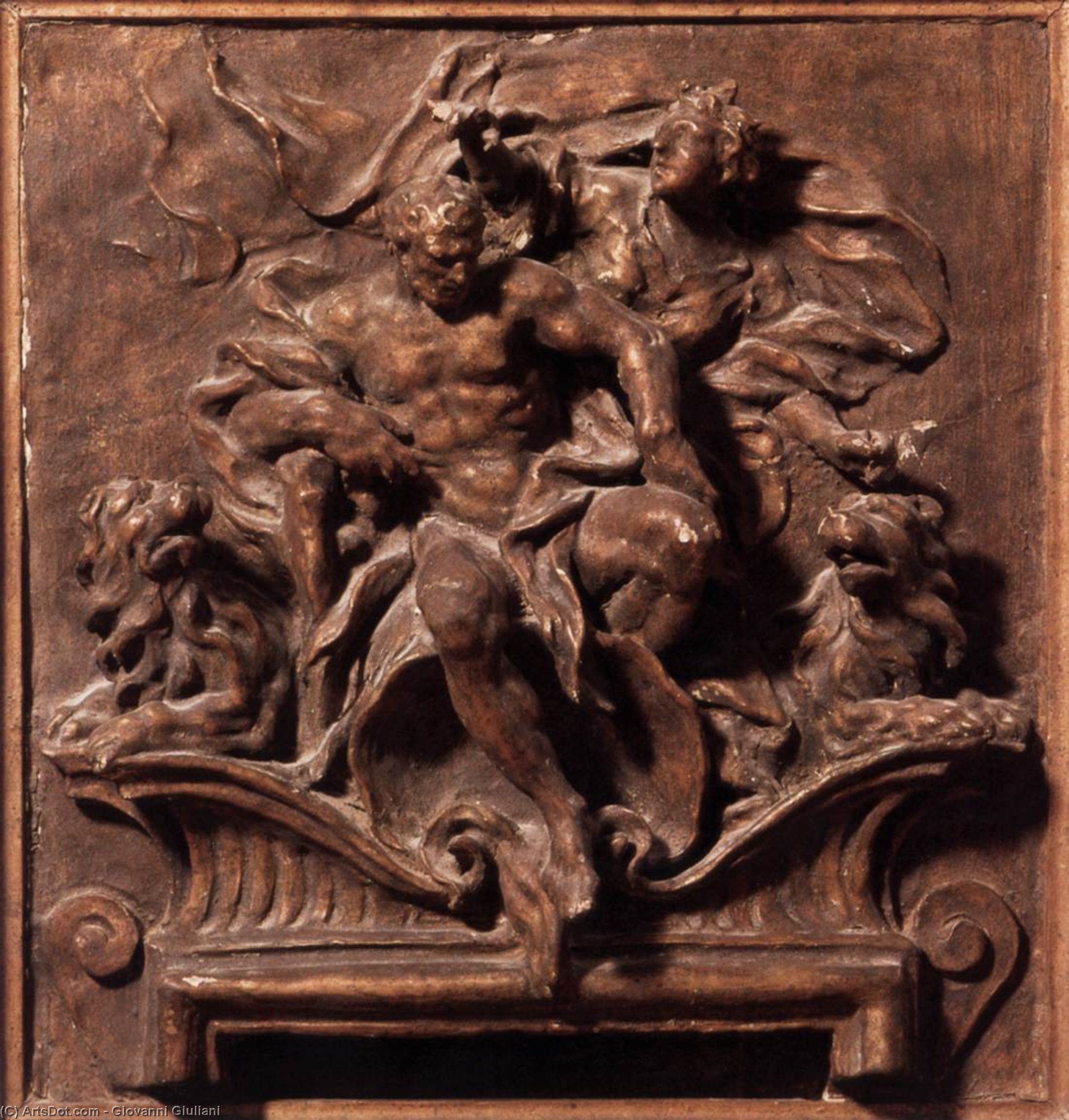
Hercules Enthroned

Discover Giovanni Giuliani's refined Baroque depiction of Hercules Enthroned, a masterful bronze study bridging eras; bring this classical elegance home.

Explore the captivating works of Giovanni Giuliani, a Venetian artist known for allegories, mythology & classical figures like Hercules & Cleopatra. Discover his timeless art!

Käsinmaalattu öljykopio

Käsinmaalattu öljyväri kankaalle haluamassasi koossa ja kehyksissä, taiteilijoidemme valmistamana tilauksesta. (Osta printti Osta printtiOsta kuva Osta kuva)

Standard
custom
CM
INCH

Valitse valmiista mitoistamme sellaiset, jotka vastaavat teoksen alkuperäisiä mittasuhteita.

leveys
korkeus

Voit syöttää omat mitat sopimaan tiettyyn kehykseen tai tilaan. Jos valitsemasi koko ei vastaa alkuperäisen kuvan mittasuhteita, rajaamme taideteoksen tai jatkamme maalausta käsin maalatuilla elementeillä. Digitaalinen esikatselu lähetetään hyväksyttäväksi ennen tuotannon aloittamista.
Huomioithan, että näytöllä oleva esikatselu ei vastaa todellista rajausta tai jatkamista. Vain digitaalinen mallikuva näyttää lopullisen sommittelun tarkasti.
Vaikka mittatilaustyöt ovat mahdollisia, suosittelemme valitsemaan mitan ennalta määritetystä listasta alkuperäisten mittasuhteiden säilyttämiseksi.

Esimerkkejä muutettavissa olevista asioista: Vaihda kasvot asiakkaan omaan valokuvaan; Lisää lemmikki (esim. korvaa kissa koiralla); Lisää piilotettu viesti taustaan; Muuta taustan maisemaa tai elementtejä.
Tilauksen jälkeen TopImpressionists.com -tiimi lähettää asiakkaalle ohjeet ja esikatselukuvan.

Maailmanlaajuinen toimitus () 3–4 viikossa tavallisen 5 viikon sijaan. (14 elokuu). Laadusta ei tingitä.

why_choose_icon
Ilmainen pikatoimitus ympäri maailman
why_choose_icon
Korkealaatuinen pellavakangas
why_choose_icon
Kattava kuljetusvakuutus
why_choose_icon
Tulliveron palautustakuu
why_choose_icon
Täydellinen värien vastaavuustakuu
why_choose_icon
60 päivän palautusoikeus (vain valmistusvirheet)
why_choose_icon
100% rahat takaisin -takuu
why_choose_icon
Määräalennus tarjous

Kokonaishinta

$ 269

reproduction

Hercules Enthroned

Reproduktiotekniikka

Replikaatin koko

-

Kokonaishinta

$ 269

Pikaista tietoa

  • Title: Hercules Enthroned
  • Subject or theme: Hercules enthroned with figures and animals
  • Medium: Bronze statue
  • Artistic style: Late Baroque/Classical
  • Year: 1709

Taidevisa

Jokaisessa kysymyksessä on vain yksi oikea vastaus.

Kysymys 1:
What is the primary subject matter depicted in the artwork?
Kysymys 2:
Giovanni Giuliani's style is noted for being a transition between which two artistic periods?
Kysymys 3:
The artwork, 'Hercules Enthroned,' was created in what year?
Kysymys 4:
What material is the statue of Hercules described as being?
Kysymys 5:
According to the artist's biography, what characteristic defines Giovanni Giuliani's contribution to art history?

Teoksen kuvaus

The Majesty of Strength: An Encounter with Hercules Enthroned

To gaze upon this depiction of Hercules Enthroned is to be immediately enveloped by an aura of monumental power tempered by classical grace. This bronze statue, dating from the year 1709, captures more than just a mythological figure; it embodies the very concept of enduring strength—a physical and spiritual fortitude that has captivated artists for millennia. The composition itself is rich with narrative detail. At the heart sits Hercules, portrayed in a commanding posture, one leg resting upon an elevated pedestal, suggesting both repose and readiness for action. He is not merely seated; he reigns from his throne, surrounded by attendants whose presence adds layers of human drama to the divine subject.

A Venetian Hand Guiding Classical Forms

The artistry behind this piece belongs to Giovanni Giuliani, a master craftsman whose career serves as a fascinating bridge between two great artistic epochs. Born in Venice in 1664, Giuliani’s work is remarkable for its subtle evolution—a graceful pivot away from the overt theatricality of High Baroque drama toward an emerging, refined Classicism. While deeply rooted in the rich Venetian tradition, his touch lends this sculpture a quiet dignity that speaks to a more measured contemplation. His ability to imbue even grand mythological subjects with such meticulous execution elevates the piece beyond mere representation; it becomes a study in controlled magnificence.

Symbolism Woven into Bronze

The symbolism within Hercules Enthroned is as deep as the bronze itself. Hercules, universally recognized for his labors and unmatched might, serves as an archetype of human potential realized through virtue. Yet, the inclusion of surrounding elements—the attentive figures flanking him, the watchful dog near the base, and the perched bird above—grounds this divine power in the natural world. These animals are not mere decoration; they act as silent witnesses to his enduring strength, connecting the god’s mythic might to the cyclical rhythms of nature itself. The entire tableau suggests that true power is not isolated but exists in harmony with its environment.

A Timeless Presence for Modern Spaces

For the discerning collector or designer, this reproduction offers an unparalleled opportunity to integrate high art narrative into contemporary living spaces. The patina and detailed musculature of the bronze suggest a history lived through centuries, lending instant gravitas to any room. Whether placed in a grand foyer where one wishes to evoke tales of heroism, or within a study meant for deep contemplation, Hercules Enthroned commands attention without shouting. It whispers of enduring ideals—of perseverance, nobility, and the quiet triumph of spirit over adversity. Owning this piece is not simply acquiring sculpture; it is curating an atmosphere steeped in classical aspiration.


Taiteilijan elämäkerta

The Venetian Bridge Between Baroque and the Rising Classical

Giovanni Giuliani (1664-1744) stands as a compelling figure in the late Baroque artistic landscape of Venice and, surprisingly, Vienna. Often overshadowed by his more flamboyant contemporaries, Giuliani’s work represents a subtle yet significant shift—a move away from the overtly dramatic gestures of the earlier Baroque towards a refined elegance that foreshadowed the burgeoning Classical style. His career, spanning nearly eight decades, reveals an artist deeply rooted in Venetian tradition while simultaneously adapting to and influencing the artistic currents of Central Europe. His legacy is not defined by grand, sweeping narratives, but rather by his meticulous execution, his ability to imbue seemingly simple subjects with a quiet dignity, and his crucial role as a transitional figure between two distinct aesthetic periods.

Born into a family marked by both opportunity and hardship—his father a convicted criminal—Giuliani’s early life instilled within him a pragmatic sensibility that informed his artistic practice. He received his initial training in Venice, the undisputed heart of the Baroque, where he likely honed his skills under the primacy of established masters. The Venetian tradition, with its emphasis on rich color, dynamic composition, and theatricality, undoubtedly shaped his early style. However, Giuliani’s career trajectory took an unexpected turn when he relocated to Vienna in 1689. This move proved pivotal, as it placed him within the orbit of the Habsburg court—a center increasingly receptive to the cooler, more restrained aesthetics emerging from Italy.

A Mastery of Form and Material

Giuliani's work during his Viennese period is particularly noteworthy for its versatility and technical sophistication. While he continued to draw upon Venetian influences—particularly in his depictions of religious figures—he adapted them to suit the tastes of the Austrian aristocracy. His talent extended far beyond the canvas, reaching into the realms of sculpture and decorative arts, where he could manipulate various media to achieve a sense of opulent craftsmanship. This versatility is evident in several key areas of his output:

  • Sculptural Studies: His bronze studies, such as the refined Hercules Enthroned, serve as masterful examples of how he bridged eras, utilizing classical subject matter to convey a sense of timeless strength and poise.
  • Decorative Arts: Giuliani demonstrated an extraordinary ability to integrate art into the very fabric of luxury living. A notable example is his 1711 creation, a wooden base for a tabletop, which utilized intricately gilded wood and mosaic details to showcase the height of Venetian-inspired luxury.
  • Allegorical Themes: His repertoire frequently explored mythological and allegorical figures, including iconic characters like Cleopatra and Hercules, imbuing these classical archetypes with a new, more restrained grace.

Historical Significance and Artistic Legacy

The historical importance of Giovanni Giuliani lies in his role as an artistic conduit. By transporting the warmth and richness of Venetian technique to the more formal atmosphere of the Habsburg court, he helped facilitate a stylistic evolution. He did not merely replicate the past; he refined it. His ability to move away from the heavy, often overwhelming drama of the high Baroque toward a more controlled, elegant aesthetic provided a foundation for the Classical movements that would follow.

Through his work in both sculpture and decorative design, Giuliani left an indelible mark on the aesthetic landscape of Central Europe. He remains a vital subject for those studying the transition of European art, representing a moment when the theatricality of the 17th century began to yield to the clarity and order of the 18th. His life's work serves as a testament to the power of adaptation, proving that an artist can remain true to their cultural roots while profoundly shaping the artistic destiny of a new home.

giovanni giuliani

giovanni giuliani

1664 - 1744 , Italy

Pikatiedot

  • Artistic Movement Or Style: Late Baroque
  • Artists Or Movements Influenced By This Artist: ['Georg Raphael Donner']
  • Artists Who Influenced This Artist: ['Andreas Faistenberger']
  • Date Of Birth: 1664, Venice, Italy
  • Date Of Death: 1744, Heiligenkreuz
  • Full Name: Giovanni Giuliani
  • Nationality: Italian
  • Notable Artworks:
    • Saint Andrew
    • Allegory of the African Continent
    • Halbfigur, Holz vollrund geschnitzt
  • Place Of Birth: Venice, Italy
© TopImpressionists.com — Kaikki oikeudet pidätetään  ·  100% Käsinmaalattu · Tyytyväisyys taattu · Ilmainen maailmanlaajuinen toimitus
VISA MASTERCARD