


 Esikatselu
 Jaa teos
 Jaa
Jaa
 Tiedot
 Opas
Opas

 Lataa kuva
 Samanlaisia kohteita
 Röntgenkuvaus
 Diaesitys
 Q&A
Q&A Tilastot
A messa prima


A moonlit night of mystery unfolds in Giovanni Segantini's post-impressionist masterpiece A messa prima where a woman watches a figure depart, inviting you to explore this ethereal moment through a fine oil reproduction.
 Lue lisää
Giovanni Segantini (1858-1899): Vallamalaiskojen mestari! Uppoutuva symbolistinen ja divisionistinen taide, joka vangitsee Alppien kauneuden ja elämänmenon.
Giclée- ja taideprintit
Museolaatuisia giclée- tai kankaitaulun tulosteita nopealla tuotannolla ja joustavilla viimeistelyvaihtoehdoilla. ( Osta käsinmaalattu taideteos Siirry digitaaliseen kuvaan)




P118B €10

P118H €10

P118W €10

P438Z €10

P508JH €12

P508YH €12

P805H €10

P805Z €10

P919BZ €10

P919G €10

P919XJ €10

P959ZH €10

P968JZ €12

W106C €8

W218G €10

W218JH €8

W218Y €10

W307PJ €10

W316G €10

W316PJ €8

W316Y €10

W398PJ €8

W4111J €10

W500HY €15

W500JH €15

W692G €12

W849H €8

W940BG €15

W953PJ €8




Vakiokoko
räätälöity
CM
INCH
Valitse valmiista mitoistamme sellaiset, jotka vastaavat teoksen alkuperäisiä mittasuhteita.
Loading sizes...

leveys
korkeus
Syötä tarvitsemasi leveys ja korkeus, jotta tuloste sopii kehyksiisi tai seinällesi. Tulostetta voidaan vain leikata, sitä ei voida koskaan suurentaa alkuperäistä kuvaa suuremmaksi, joten eri muotoinen koko aiheuttaa osan kuvasta katoamisen. Lähetämme sinulle digitaalisen mallikuvan hyväksyttäväksi ennen kuin aloitamme tulostuksen. Tällä sivulla näkyvä kuva ei näytä lopullista rajausta — vain mallikuva näyttää sen.
Maailmanlaajuinen toimitus () 2 viikossa tavallisen 4–5 viikon sijaan. (28 lokakuu)

Ilmainen pikatoimitus ympäri maailman

Korkealaatuinen pellavakangas

Kattava kuljetusvakuutus

Tulliveron palautustakuu

Takuu täydellisestä värien vastaavuudesta

100 päivän palautusoikeus (vain valmistusvirheet)

100% rahat takaisin -takuu

Määräalennus tarjolla
 Lasivaihtoehto on saatavilla vain alle 110 cm kokoisille teoksille

A messa prima
Giclée- ja taideprintit
Replikaatin koko
-


Kokonaishinta
€ 61
A Nocturnal Encounter in Light and Shadow
In the quiet, silvered depths of Giovanni Segantini’s 1885 masterpiece, A messa prima, we are invited into a world where the boundaries between reality and dream begin to dissolve. This post-impressionist gem captures a profound moment of human connection—or perhaps, more poignantly, a moment of departure. At the heart of the composition stands a woman perched upon a staircase, her silhouette marked by an elegant ponytail, gazing downward with an expression that oscillates between longing and resignation. Below her, a figure retreats into the shadows, walking away into the mysteries of the night. The scene is not merely a depiction of a physical space, but an emotional landscape where every brushstroke serves to heighten the sense of intrigue and quiet melancholy that defines this nocturnal encounter.
The atmosphere of the painting is thick with the ethereal glow of a moonlit sky, a technique that Segantini employs to envelop the viewer in a soft, luminous haze. Through his masterful use of light, the artist transforms a simple architectural setting into a stage for symbolic storytelling. The moonlight does more than illuminate the figures; it acts as a celestial witness to the fleeting nature of human presence. As the light touches the edges of the stairs and the distant, shadowy figures in the background, it creates a sense of depth that pulls the observer deeper into the painting’s mystery. This interplay of light and dark—the chiaroscuro of the post-impressionist era—imbues the work with a spiritual weight, suggesting that even in the darkness, there is a profound beauty to be found in the transient moments of our lives.
The Mastery of Post-Impressionist Technique
Segantini’s approach to A messa prima showcases his unique ability to blend the structural precision of his training with the emotive, atmospheric qualities of Symbolism. The technique used here allows for a dreamy, almost otherworldly quality that is characteristic of his most celebrated works. Rather than focusing on harsh outlines, Segantini utilizes subtle transitions of tone to suggest movement and emotion. This soft-focus effect creates a sense of nostalgia, as if we are viewing a memory rather than a live event. For the discerning collector or interior designer, this painting offers a sophisticated textural depth that can anchor a room, providing a focal point that rewards prolonged contemplation.
Beyond its visual allure, the painting serves as a poignant reflection on the passage of time and the fragility of human bonds. The composition is meticulously balanced to guide the eye from the central woman, down the descending steps, and toward the receding figures in the distance, mirroring the very movement of life itself—a constant progression away from what was once close. To possess a high-quality reproduction of this work is to bring a piece of art history into one's personal sanctuary; it is an invitation to reflect on the beauty of the ephemeral and the enduring power of the human spirit. Whether placed in a contemporary gallery setting or a classic study, A messa prima remains a timeless testament to the evocative power of Segantini’s vision.
Kysymykset ja vastaukset
Millä muilla nimillä tai nimimerkeillä Giovanni Segantini tunnetaan?
Giovanni Segantini tunnetaan myös nimillä Giovanni Battista Emanuele Maria Segatini.
Käyttääkö teos Giovanni Segantini:n "A messa prima" voimakkaita kontrasteja vai pehmeitä harmonioita?
Teoksessa "A messa prima" Bold kontrasti ja Balanced Harmony harmonia kohtaavat.
Mitä tunnetta Post-Impressionism-tyylisuunnan teos "A messa prima" välittää?
"A messa prima" teoksen Mysterious tunnelma kulkee käsi kädessä sen Post-Impressionism tyylin kanssa.
Samankaltaisia teoksia


Taiteilijan elämäkerta
Giovanni Segantini: Vuorien Henki ja Symbolin Syvyys
Giovanni Battista Emanuele Maria Segantini, syntynyt Grazissa Itävallassa vuonna 1858, oli italialainen maalaaja, jonka työ on ikuistettu vuorten henkeä ja symbolisen merkityksen syvyyttä. Hänen elämänsä tarina on täynnä vaikeuksia ja lopullista taiteellista voittoa, joka yhdisti divisionismin ja symbolismin ainutlaatuiseksi tyyliksi. Segantinin ura alkoi köyhyydessä, mutta hänen intohimonsa taiteeseen loisti kirkkaana, muuttaen hänen elämänsä dramaattisesti.Varhaiset Vuodet ja Taiteellinen Herääminen
Segantinin lapsuus oli vaikea; isänsä oli matkustava kauppias, joka jätti tyttäretään äitinsä huoleksi. Äidin kuoltua Giovanni pakeni kotiin ja päätyi Milanossa sijaitsevaan korjaamokotiin. Siellä, yllättävänkin, nuori mies löysi lahjakkuutensa ja sai tukea kehittää taiteellisia kykyjään. Hän oppi lukemaan ja kirjoittamaan myöhemmin elämässään, osoittaen uskomatonta päättäväisyyttä. Aluksi hän työskenteli valokuvaajan avustajana, mutta pian hän omisti itsensä maalaamiselle, kiitollinen siitä tuesta, jonka hän oli saanut nuorena. Segantinin varhaiset opinnot olivat rajalliset, mutta hän hakeutui Brera-akatemian opintoihin Milanossa, missä hän kohtasi merkittäviä henkilöitä Scapigliatura-liikkeestä. Tämä ryhmä vastusti taiteellisia konventioita ja omaksui elämän raakaa todellisuutta. Hän sai vaikutteita Anton Mauvesta ja Jean-François Milletistä, jotka esiteltiin hänelle Vittorio Grubicy de Dragonin kautta – opettaja ja edustaja, joka muutti hänen uransa suunnan.Divisionismi ja Symbolismin Yhdistyminen
Segantinin taiteellinen kehitys oli merkittävää, kun hän omaksui divisionistisen tekniikan. Tämä lähestymistapa, jossa pieniä, puhtaita värejä asetettiin vierekkäin kankaalle, loi optista sekoittamista katsojan silmissä ja tuotti eloisia ja valoa täynnä olevia efektejä. Samalla hän sisällytti symbolistisia elementtejä työhönnsä, syventäen maisemoidensa merkitystä allegoristen hahmojen ja kohtauksien kautta. Tämä yhdistelmä loi ainutlaatuisen visuaalisen kielen, joka kuvasi sekä luonnon kauneutta että ihmisen sisäistä maailmaa.Alppien Maasto ja Symbolinen Merkitys
Segantinin intohimo alppimaisemiin oli syvää. Hän muutti 1886 vuonna Alpeihin, alueeseen, joka vaikutti voimakkaasti hänen työssään. Schafberg, upea vuori Pontresinassa ja Samedanissa, tuli keskeiseksi motiiviksi hänen maalauksissaan. Segantini ei ainoastaan halunnut kuvata alppien fyysistä kauneutta, vaan myös niiden henkistä olemusta. Hän pyrki vangitsemaan luonnon syvän yhteyden ihmisen kanssa. Hänen tunnetuimpia teoksiaan ovat mm.: *The Chancel of Sant'Antonio*, joka sai tunnustusta sen voimakkaasta laadusta ja ostettiin Milanon Società per le Belle Artiin, sekä *Life (La Vita)*, joka vangitsee alppien elämän ja ihmisten yhteyden. Myös *Donna alla fonte* ja *Ragazza che fa la calza* ovat merkittäviä esimerkkejä hänen tyylistään.Viimeiset Vuodet ja Perintö
Giovanni Segantinin elämä oli lyhyt, hän kuoli vuonna 1899 Schafbergillä Pontresinassa työskennellessään kolmannen osan *Alpine Triptych* -työstä. Hänen kuolemansa nuorena iässä oli suuri menetys taiteelle. Vaikka hänen vaikutuksensa tunnettiin jo elinaikanaan, hänen teoksensa ovat edelleen esillä suurissa museoissa ympäri maailmaa ja hänen tyylinsä on inspiroinut monia taiteilijoita. Segantinin perintö elää hänen upeiden alppimaisemien ja symbolisen taiteen kautta. Hän oli todellinen vuorien henki, joka loi maalauksillaan syvällisiä ajatuksia ihmisestä ja luonnosta.
Giovanni Segantini
1858 - 1899 , Itävalta
Pähkinänkuoressa
- Artistic Movement Or Style: Symbolismi, Divisionismi
- Artists Or Movements Influenced By This Artist: ['Divisionismi']
- Artists Who Influenced This Artist:
- Anton Mauve
- Jean-François Millet
- Date Of Birth: 15. tammikuuta 1858
- Date Of Death: 10. elokuuta 1899
- Full Name: Giovanni Segantini
- Nationality: Italian
- Notable Artworks:
- Chancel Sant'Antonio
- Kaksi äitiä
- Elämä
- Nainen lähteellä
- Place Of Birth: Arco, Italia
Aiheeseen liittyvät artikkelit
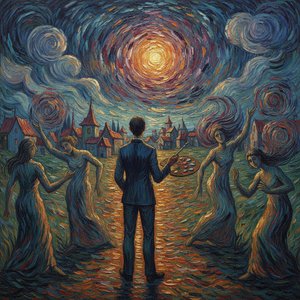
Beyond the Light: Capturing Emotion Through the Expressive Soul of Post-Impressionism
Explore the profound emotional depth of Post-Impressionism. Discover how masters like Van Gogh and Cézanne moved beyond light to capture raw feeling through color and texture. A journey into art history for the true connoisseur.
Tutustu teoksiin, jotka on järjestetty aiheiden, tyylien ja ominaisuuksien mukaan.
