

 Esikatselu
 Jaa teos
 Jaa
Jaa
 Tiedot
 Opas
Opas

 Lataa kuva
 Samanlaisia kohteita
 Röntgenkuvaus
 Diaesitys
 Kysymykset ja vastaukset
 Tilastot
Skiffs on the Yerres

- 116.0 x 88.0 cm


Discover 'Skiffs on the Yerres' by Gustave Caillebotte – a serene Impressionist painting capturing Parisian river life. Explore its loose brushstrokes & atmospheric beauty.
 Lue lisää
Gustave Caillebotte (1848-1894): Pariisilaisena modernin taiteilijana, tunnettu realistisista ja impressionistisista maalauksistaan. 'Sateinen päivä Pariisissa' -tyylikäs ja ainutlaatuinen!
Giclée- ja taideprintit
Museolaatuisia giclée- tai kankaitaulun tulosteita nopealla tuotannolla ja joustavilla viimeistelyvaihtoehdoilla. ( Osta käsinmaalattu taideteos Siirry digitaaliseen kuvaan)




P118B €10

P118H €10

P118W €10

P438Z €10

P508JH €12

P508YH €12

P805H €10

P805Z €10

P919BZ €10

P919G €10

P919XJ €10

P959ZH €10

P968JZ €12

W106C €8

W218G €10

W218JH €8

W218Y €10

W307PJ €10

W316G €10

W316PJ €8

W316Y €10

W398PJ €8

W4111J €10

W500HY €15

W500JH €15

W692G €12

W849H €8

W940BG €15

W953PJ €8




Vakiokoko
räätälöity
CM
INCH
Valitse valmiista mitoistamme sellaiset, jotka vastaavat teoksen alkuperäisiä mittasuhteita.
Loading sizes...

leveys
korkeus
Syötä tarvitsemasi leveys ja korkeus, jotta tuloste sopii kehyksiisi tai seinällesi. Tulostetta voidaan vain leikata, sitä ei voida koskaan suurentaa alkuperäistä kuvaa suuremmaksi, joten eri muotoinen koko aiheuttaa osan kuvasta katoamisen. Lähetämme sinulle digitaalisen mallikuvan hyväksyttäväksi ennen kuin aloitamme tulostuksen. Tällä sivulla näkyvä kuva ei näytä lopullista rajausta — vain mallikuva näyttää sen.
Maailmanlaajuinen toimitus () 2 viikossa tavallisen 4–5 viikon sijaan. (4 marraskuu)

Ilmainen pikatoimitus ympäri maailman

Korkealaatuinen pellavakangas

Kattava kuljetusvakuutus

Tulliveron palautustakuu

Takuu täydellisestä värien vastaavuudesta

100 päivän palautusoikeus (vain valmistusvirheet)

100% rahat takaisin -takuu

Määräalennus tarjolla
 Lasivaihtoehto on saatavilla vain alle 110 cm kokoisille teoksille

Skiffs on the Yerres
Giclée- ja taideprintit
Replikaatin koko
-


Kokonaishinta
€ 62
A Moment Suspended on the Yerres River
To gaze upon Skiffs on the Yerres is to be gently ushered into a pocket of profound tranquility, a vision steeped in the luminous atmosphere of late nineteenth-century Parisian leisure. This painting does not merely depict a river scene; it captures the very breath of a slow afternoon. The composition draws the eye immediately to the small wooden skiff, where two figures paddle downstream, their activity imbued with a quiet rhythm that seems almost audible across the canvas. It is an immersion into nature’s embrace, rendered with an immediacy that belies its age.
The Impressionist Gaze: Light and Brushwork
Gustave Caillebotte masterfully employs the techniques of Impressionism to elevate a simple outing into an art experience. Observe how the light—soft, diffused, and hazy—seems to emanate from within the scene itself. The artist utilizes visible, broken brushstrokes, allowing the viewer’s eye to complete the picture, much as one completes a perfect memory. These strokes build up color in patches of greens and browns, giving the water and foliage a palpable texture. While the overall impression is one of fluidity, note the underlying structure: the strong horizontal lines echoing the river's steady flow provide a grounding counterpoint to the organic, rounded shapes of the boat and the surrounding reeds. This technical brilliance transforms mere paint into an atmospheric event.
Echoes of Modern Parisian Life
Painted in 1877, this work situates itself at a fascinating crossroads in art history. Caillebotte, deeply influenced by the burgeoning modernity of Paris and his own early fascination with photography, captured life not as it was formally posed, but as it was experienced—fleeting, unscripted, and beautifully ephemeral. The subject matter speaks to a growing appreciation for the pleasures of the bourgeoisie engaging with the natural world outside the rigid confines of the city center. It is a testament to leisure, suggesting a time when the rhythm of life could slow down enough to simply drift downstream.
Symbolism of Passage and Serenity
Beyond its technical merits, Skiffs on the Yerres resonates with deep symbolic weight. The river itself has always been an ancient metaphor for the passage of time—a constant, unstoppable flow against which human moments are measured. The skiff represents a journey, perhaps one of introspection or escape. For the contemporary collector or designer, this piece offers more than mere decoration; it offers an emotional anchor. It whispers promises of peace, suggesting that true connection—whether with nature or with another person—is found in these quiet, unhurried moments.
Bringing the Riverside Calm Home
Reproducing the depth and luminosity of this original oil on canvas allows one to bring a piece of this pastoral serenity into any interior space. The palette, dominated by earthy greens and muted browns, integrates seamlessly into sophisticated decor schemes, while the visible texture of the brushwork adds an undeniable layer of artisanal richness. Owning a reproduction of Skiffs on the Yerres is to curate not just art, but a feeling—the profound, restorative calm found at the edge of a slow-moving river.
Kysymykset ja vastaukset
Onko Gustave Caillebotte:n "Skiffs on the Yerres" -teoksesta saatavilla opiskelijoille suunnattua tietolomaketta?
Teoksesta Gustave Caillebotte:n "Skiffs on the Yerres" on saatavilla Opas -sivu: tulostettava tietolomake teoksesta, joka on suunniteltu opiskelijoita ja luokkahuonekäyttöä varten.
Missä Gustave Caillebotte:n "Skiffs on the Yerres" -teoksen reproduktio kannattaisi ripustaa?
Landscape-muotoisena "Skiffs on the Yerres"-teoksen reproduktio sopii erinomaisesti Lounge-tilaan.
Milloin teos Gustave Caillebotte:n "Skiffs on the Yerres" on luotu?
"Skiffs on the Yerres" on peräisin vuodelta 1877. Teoksen valmistumisajankohta sijoittaa sen Gustave Caillebotte uran ja aikakauden kontekstiin.
Samankaltaisia teoksia


Taiteilijan elämäkerta
A Parisian of the New Age: The Life and Art of Gustave Caillebotte
Gustave Caillebotte, syntyi vuonna 1848 Pariisissa, ja hän oli taiteilija, jonka asema oli ainutlaatuinen – hän pystyi vangitsemaan kaupunkinsa dramaattisia muutoksia. Hänen isänsä, Martial Caillebotte, peri menestyvän tekstiilitalon ja toimi tuomarina, mikä antoi Gustavelle sekä taloudellista turvallisuutta että näköalapaikan vilkkaaseen moderniin maailmaan. Vaikka hän aluksi opiskeli lakia – saavutti oikeustutkinnon vuonna 1868 ja 1870 – Caillebotten todellinen kutsumus löytyi taiteesta. Hän aloitti vakavasti harjoittelun Léon Bonnatin johdolla, uppoutuen maalaamiseen samalla kun hän kehitti syvällisen kiinnostuksen valokuvausta kohtaan, uutta mediaa, joka vaikutti voimakkaasti hänen taiteelliseen näkökulmaansa. Tämä varhainen altistuminen valokuvan periaatteille – sen kehyttämiselle, perspektiiville ja hetkien vangitsemiselle – muuttui hänen tunnusomaisen tyylinsä keskeisiksi elementeiksi. Caillebotte ei ainoastaan dokumentoinut muutosta; hän osallistui aktiivisesti sen esteettisiin mahdollisuuksiin.Realismi yhdistettynä Impressionistiseen Valoon
Caillebotten taiteellinen polku poikkesi tiukasta akateemisesta perinteestä, mutta hän ei koskaan täysin omaksunut monien impressionististen kollegojensa puhtaasti optisia tutkimuksia. Hän löysi yhteyttä Edgar Degasin ja Giuseppe de Nittisin kaltaisiin taiteilijoihin, jakamalla intohimon modernin elämän pariutuneen kiinnostuksen, mutta lähestyi sitä valokuvausperiaatteiden kautta. Hänen varhainen mestariteossa, *Les Raboteurs de Parquet (The Floor Scrapers)*, esillä Salonissa vuonna 1875, vakiinnutti hänen asemansa rohkeana ja epätavanomaisena maalarena. Teos kuvaa kolmea työlästä, jotka raapovat puulattiaa huolellisesti, renderöitynä armottoman rehellisesti, mikä järkytti joitain katsojia mutta vangitsi toiset. Se ei ollut pelkästään aiheen – työväenluokka harvoin koristui taiteen suurten mestarien maalauksissa – vaan myös kompositio: leikattu, melkein yllättävän suora ja ilman tunteellista idealisointia. Tämä sitoutuminen kuvaamaan nykyelämää ilman koristeita jatkui teoksessa *The Iron Bridge*, jossa hän mestarillisesti vangitsi Pariisin nopeasti muuttavan teollisen maiseman. Kuitenkin Caillebotte ei ollut immu impressionismin vaikutukselle; hänen sävyttönsä vähitellen vaaleni, ja hän alkoi kokeilla rikkoutuneita siveltimiä ja ilmakehän efektejä, mikä näkyy selvästi hänen upeissa maisemissaan Pariisin kattoja peittävistä lumesta.Patruuna ja Ennennäkemätön: Navigoiminen Taideympäristössä
Caillebotten rooli taiteen tukijana oli merkittävä. Hänen taloudellinen itsenäisyytensä mahdollisti hänen osallistumisensa impressionistisen liikkeen edistämiseen. Hän ei ollut pelkästään kokoelmien tekijä; hän kannusti aktiivisesti näitä taiteilijoita, järjestäen ja rahoittaen useita impressionististen näyttelyjä, jotka haastivat perinteisiä taidesalojen sääntöjä. Tämä sitoutuminen innovaatioiden edistämiseen ulottui myös hänen omaan kokoelmaansa, jonka hän lahjoitti Ranskan valtiolle kuolemansa jälkeen vuonna 1894 – lahjoitus, joka aluksi kohtasi vastustusta, mutta lopulta muodosti Musée d’Orsayn arvostetun impressionististen teosten perustan. Caillebotten ainutlaatuinen näkökulma ilmeni myös hänen kompositiossaan; teokset kuten *Boulevard vuodelta 1880* (Boulevard Seen from Above) osoittavat yllättävän modernin sensitiivisen, käyttäen korkeaa näkökohtaa ja dynaamista rajausta, joka ennusti valokuvausten perspektiivejä 20-luvulta. Tämä innovatiivinen lähestymistapa kompositioon, mahdollisesti vaikutteena japanilaisilta printeilta ja hänen omalta valokuvausyrityksiltään, erotti hänet todelliseksi edelläkävijäksi.Merkittäviä Teoksia
- Les Raboteurs de Parquet (The Floor Scrapers) (1875): Varhainen mestariteos, joka osoittaa Caillebotten realismia ja epätavallista kompositioa.
- View of Rooftops (Snow) (1878): Osoittaa hänen käyttöään korkeiden näkökulmien ja ilmakehän efektejä käyttäen, vaikutteena valokuvaus ja japanilainen taide.
- Boulevard vuodelta 1880 (Boulevard Seen from Above) (1880): Yllättävän moderni kompositio dynaamisella perspektiivillä.
- Paris Street; Rainy Day (1877): Ehkä hänen kuuluisin teoksensa, joka vangitsee Pariisin vilkkaan energian ainutlaatuisessa ja tunteikkaassa muodossa.
- The Bezique Game(1881) : Houkutteleva impressionistinen maalaus Pariisin vapaa-ajasta.

Gustave Caillebotte
1848 - 1894 , Ranska
Pähkinänkuoressa
- Artistic Movement Or Style: Impressionismi, Realismi
- Artists Or Movements Influenced By This Artist: ['Impressionismi']
- Artists Who Influenced This Artist: ['Léon Bonnat']
- Date Of Birth: 19. elokuuta 1848
- Date Of Death: 21. helmikuuta 1894
- Full Name: Gustave Caillebotte
- Nationality: Ranskalainen
- Notable Artworks:
- Les Raboteurs de Parquet
- Riippuvat katot
- Boulevard vuodesta ylhäältä
- Place Of Birth: Pariisi, Ranska
Aiheeseen liittyvät artikkelit
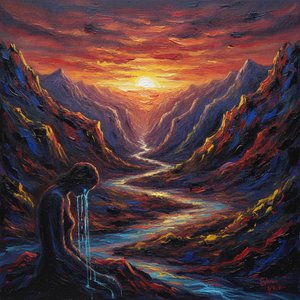
Capturing Emotion: A Journey Through the Soul of Expressionist Landscapes
Explore the profound emotional depth of Expressionist landscapes. Discover how Post-Impressionist masters moved beyond light to capture the soul through vibrant color and form. A curated journey for true art lovers seeking the beauty of expressive mastery.
Tutustu teoksiin, jotka on järjestetty aiheiden, tyylien ja ominaisuuksien mukaan.


