

 Katso seinällä
 Lähetä
 Jaa
Jaa
 Tarkemmat tiedot
 Opas
Opas

 Lataa kuva
 Samanlaisia kohteita
 Röntgenkuvaus
 Diaesitys
 Tilastot
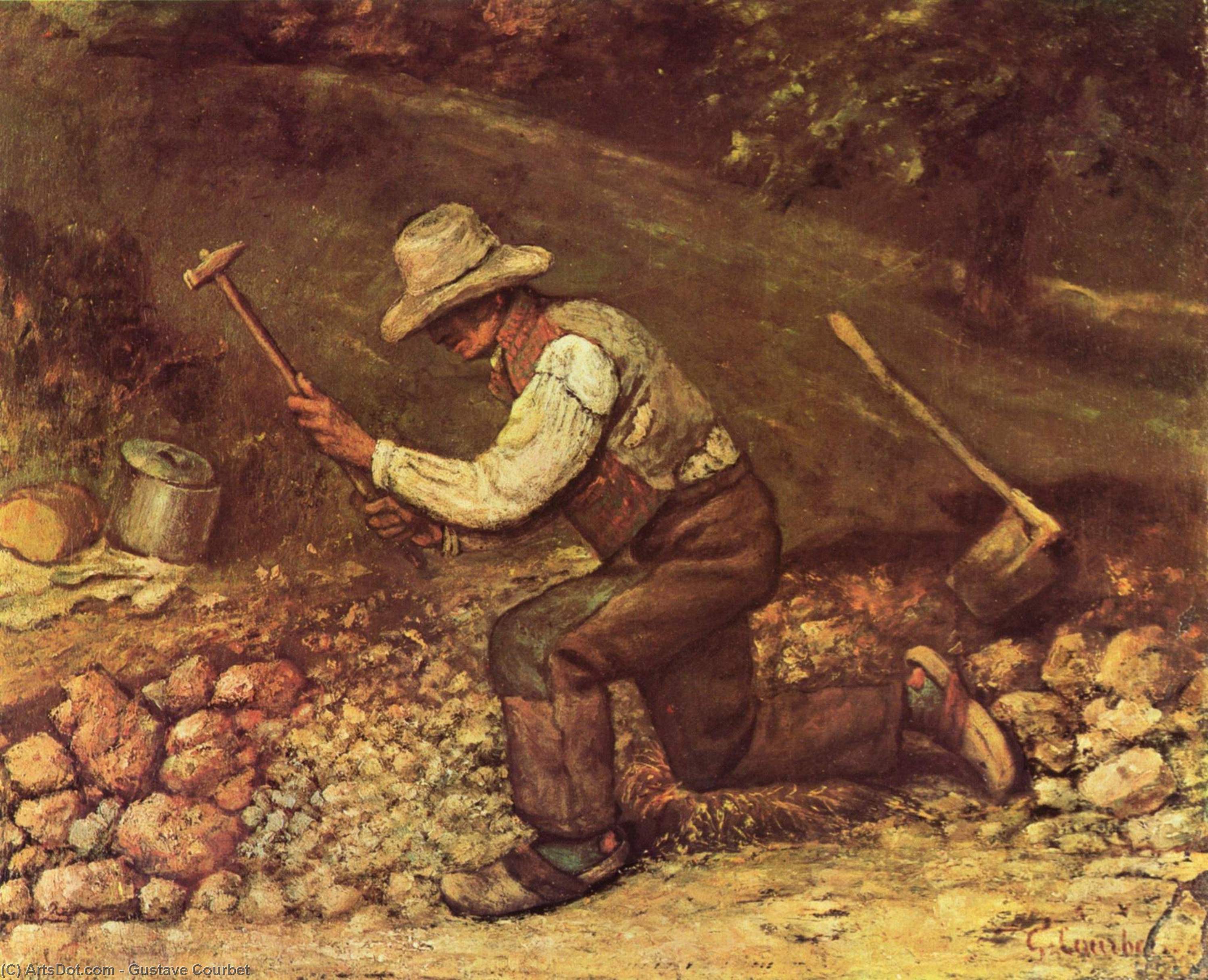
Kivenmurtaja
 Akryyli kankaalle
- Seinätaide
- Realismi
 1849
1849 45.0 x 54.0 cm
 Lue lisää
Giclée- ja taideprintit
Museolaatuisia giclée- tai kankaitaulun tulosteita nopealla tuotannolla ja joustavilla viimeistelyvaihtoehdoilla. ( Tilaa käsinmaalattu jäljennös Siirry digitaaliseen kuvaan)




P118B €10

P118H €10

P118W €10

P438Z €10

P508JH €12

P508YH €12

P805H €10

P805Z €10

P919BZ €10

P919G €10

P919XJ €10

P959ZH €10

P968JZ €12

W106C €8

W218G €10

W218JH €8

W218Y €10

W307PJ €10

W316G €10

W316PJ €8

W316Y €10

W398PJ €8

W4111J €10

W500HY €15

W500JH €15

W692G €12

W849H €8

W940BG €15

W953PJ €8




Vakiokoko
mittatilaustyö
CM
INCH
Valitse valmiista mitoistamme sellaiset, jotka vastaavat teoksen alkuperäisiä mittasuhteita.
Loading sizes...

leveys
korkeus
Kirjoita tarvitsemasi leveys ja korkeus, jotta tuloste sopii kehyskokoon tai seinällesi. Tulostetta voidaan vain leikata, sitä ei voi koskaan tehdä suuremmaksi kuin alkuperäinen kuva, joten eri muotoinen koko aiheuttaa osan kuvasta katoamisen. Lähetämme sinulle digitaalisen mallikuvan hyväksyttäväksi ennen kuin aloitamme tulostuksen. Tällä sivulla näkyvä kuva ei näytä lopullista leikkausta — vain mallikuva näyttää sen.
Maailmanlaajuinen toimitus () 2 viikossa tavallisen 4–5 viikon sijaan. (27 lokakuu)

Ilmainen pikatoimitus ympäri maailman

Korkealaatuinen pellavakangas

Kattava kuljetusvakuutus

Tulliveron palautustakuu

Takuu täydellisestä värien vastaavuudesta

100 päivän palautusoikeus valmistusvirhetapauksissa

100% rahat takaisin -takuu

Määräalennus saatavilla
 Lasivaihtoehto on saatavilla vain alle 110 cm kokoisille teoksille

Kivenmurtaja
Giclée- ja taideprintit
Replikaatin koko
-


Kokonaishinta
€ 61
The Stone Breaker
Gustave Courbet's The Stone Breaker is a seminal work of the Realism movement, capturing the essence of labor and determination in 19th-century France. Painted in 1849, this oil on canvas masterpiece measures 45 x 54 cm and is characterized by its realistic depiction of a man breaking rocks in a field.The Painting's Composition
The central figure of the painting is a man wearing a hat, diligently using a pickaxe to break up rocks. The scene is set against a backdrop of rolling hills and distant trees, emphasizing the isolation and hard work of the laborer. Other tools are visible in the scene, including a shovel on the right side and another further back. Two additional figures can be seen in the distance, one near the top left corner and the other at the bottom right.Artistic Significance
The Stone Breaker was exhibited at the 1850 Paris Salon, where it received mixed reviews. Some critics praised its realistic portrayal of everyday life, while others criticized its thick paint application and poor lighting. Social theorist Pierre-Joseph Proudhon lauded the work as a successful socialist painting, calling it "a masterpiece in its genre."Historical Context
Courbet produced two versions of The Stone Breaker. The first version was displayed at the 1850 Paris Salon and later acquired by the Gemäldegalerie Alte Meister in Dresden. Unfortunately, this version was destroyed during World War II while being relocated to a safe storage facility. The second version, a reversed image, survived the war and is now part of the Oskar Reinhart Collection in Winterthur.Comparison with Other Works
The Stone Breaker has been compared to Passing Mother's Grave, an 1856 painting by Jozef Israëls. Both works depict the struggles of everyday life, but while Passing Mother's Grave focuses on a widowed fisherman and his children, The Stone Breaker highlights the solitary labor of a stone breaker.Legacy and Influence
The Stone Breaker is considered an important work in the Realism movement, influencing later artists such as Vincent van Gogh. It remains a powerful example of Courbet's ability to capture the essence of everyday life through his art. For more information on Gustave Courbet and his works, visit Gustave Courbet: The Stone Breaker at TopImpressionists. To explore other Realist paintings, see Gustave Courbet: Burial at Ornans and Gustave Courbet: A Burial at Ornans.Kysymykset ja vastaukset
Mikä on teoksen Gustave Courbet:n "Kivenmurtaja" tekniikka ja valmistumisvuosi?
"Kivenmurtaja" on valmistettu vuonna 1849 käyttäen Akryyli kankaalle-tekniikkaa. Materiaali ja päivämäärä kertovat, miten ja milloin alkuperäisteos on tehty.
Minkä kokoisena minun kannattaisi tulostaa "Kivenmurtaja" huoneeseeni?
Suositeltu yhdistelmä teokselle Gustave Courbet:n "Kivenmurtaja": Suuri koko kokoinen vedos tilaan Olohuone.
Mistä "Kivenmurtaja" kertoo ja millainen tunnelma siinä on?
"Kivenmurtaja" esittää aiheita työ, maalaiselämä, kivenmurtaja, maalatekniikka, sosiaalinen kommentti, ranska, realismi, ja sen tunnelmaksi on tallennettu Elegantti.
Samankaltaisia teoksia




Taiteilijan elämäkerta
A Rebel’s Brush: The Life and Legacy of Gustave Courbet
Jean Désiré Gustave Courbet (1819-1877) was a transformative figure in the history of art, recognized as one of the foremost champions of Realism and an uncompromising voice for artistic liberty. His journey from humble beginnings in Ornans, France, to international acclaim wasn’t merely about mastering brushstrokes; it was fueled by a profound conviction that art should reflect the realities of everyday life – unidealized, honest, and imbued with social significance. Growing up amidst a burgeoning bourgeois family instilled in him a certain appreciation for material comfort, yet his artistic spirit demanded something more substantial: an unflinching gaze upon the world as it truly existed.Early Influences and Artistic Training
Courbet’s formative years were marked by encouragement from his mother to pursue his passions for drawing and painting – a nurturing that would prove pivotal in shaping his artistic trajectory. Unlike many artists of his time who received aristocratic patronage, Courbet benefited from modest familial support, allowing him to enroll at the École des Beaux-Arts in Paris in 1839. However, he quickly recognized the limitations imposed by the academy’s rigid academic conventions and Romantic idealism. While acknowledging influences from Eugène Delacroix and Théodore Géricault – artists who explored dramatic narratives and emotional intensity – Courbet deliberately distanced himself from these approaches, prioritizing observation over imagination and striving for accuracy above all else. He sought to capture the essence of his subjects with meticulous detail, rejecting the embellishments characteristic of earlier artistic traditions.The Birth of Realism: Challenging Artistic Conventions
Courbet’s artistic breakthrough arrived through a rejection of prevailing aesthetic standards. He wasn't captivated by mythological tales or heroic portrayals; instead, he turned his attention to the lives of ordinary people – laborers, peasants, and rural artisans – subjects largely ignored by the art establishment. This decision wasn’t merely stylistic; it represented a fundamental assertion about the dignity inherent in these marginalized communities. His early canvases explored landscapes and portraits, but soon focused on scenes depicting working-class life on an ambitious scale previously reserved for monumental historical paintings. Critics initially scorned his uncompromising realism, perceiving it as vulgar and lacking in artistic merit. Yet, Courbet steadfastly defended his vision, arguing that art should serve as a mirror to society – reflecting its complexities and contradictions without resorting to sentimental illusions. The Stone Breakers (1849), tragically destroyed during World War II, stands as an enduring emblem of this commitment to portraying the harsh realities of labor with unflinching honesty.Major Works and Artistic Philosophy
Courbet’s artistic philosophy extended beyond subject matter to encompass technique. He championed a direct approach – applying paint thickly onto the canvas (impasto) – that emphasized the materiality of the medium itself. This method allowed him to convey texture and depth, capturing the physicality of his subjects with remarkable precision. His monumental canvases like A Burial at Ornans (1850-51), depicting a solemn funeral procession in his hometown, provoked considerable controversy due to their sheer size and lack of emotional grandeur. Courbet deliberately eschewed idealized representations, presenting the mourners as ordinary individuals grappling with grief – a bold departure from prevailing artistic conventions. He famously declared that he wanted “to paint what I see,” rejecting the notion that art should strive for beauty or moral upliftment. The Painter’s Studio (1855), an allegorical depiction of his own creative process, further solidified his conviction that art should reflect the artist's inner world and engage with broader social concerns.Legacy and Influence
Gustave Courbet’s impact on subsequent artistic movements is undeniable. He profoundly influenced Impressionists and Post-Impressionists by liberating them from academic constraints and encouraging experimentation with new visual languages. His unwavering dedication to realism paved the way for artists who sought to depict the world authentically, prioritizing observation over imagination. Though initially dismissed as a provocateur, Courbet’s legacy endures as a testament to the transformative power of art – its ability to challenge conventions, provoke debate, and ultimately enrich our understanding of human experience. He died in 1877, leaving behind an unparalleled body of work that continues to inspire artists and scholars alike—a cornerstone of Realism and a beacon for artistic integrity.
Gustave Courbet
1819 - 1877 , Ranska
Tietoa taiteilijasta
- Artistic Movement Or Style: Realismi
- Artists Or Movements Influenced By This Artist:
- Impressionismi
- Postimpressionismi
- Artists Who Influenced This Artist:
- Eugène Delacroix
- Théodore Géricault
- Caravaggio
- Date Of Birth: 31. heinäkuuta 1819
- Date Of Death: 29. huhtikuuta 1877
- Full Name: Gustave Courbet
- Nationality: Ranskalainen
- Notable Artworks:
- Kivenhakkaajat
- Kuolinmessu Ornansissa
- Place Of Birth: Ornans, Ranska
Aiheeseen liittyvät artikkelit

Gustav Klimtin 25 mestariteosta: Taidetta ja inspiraatiota kotiisi | TopImpressionists
Tutustu Gustav Klimtin 25 mestariteokseen! Uppoudu koristeellisen taiteen, jugendtyylin ja symbolismin maailmaan. Löydä tarinat öljyvärimaalausten takaa ja inspiroi sisustusta TopImpressionists.com:ssa. Tutki kokoelma verkossa!

The Enduring Appeal of Realism: Technique, History & Emotional Impact
Explore the captivating world of 19th-century Realism! Discover key artists like Courbet & Millet, masterpieces, and its lasting impact on art history. Expert insights at TopImpressionists.

Realistisen taiteen mestariteokset: 10 teosta, jotka muuttivat maailmaa – TopImpressionists.com
Tutustu realistisen taiteen 10 mestariteokseen – Courbet'sta Manetiin. Uppoudu taidehistoriaan ja löydä ikonisten maalausten tarinat TopImpressionists.comissa. Laadukkaat taideprintit sisustukseesi! Tutki kokoelma verkossa.

Gustave Courbet: Realism's Revolutionary Vision & the Social Canvas of 19th-Century France
Explore the revolutionary art of Gustave Courbet, pioneer of Realism. Discover his iconic paintings, social commentary, and lasting impact on 19th-century French art history. Expert analysis & insights.

Romantic Realism's Finest: 10 Masterpieces for Your Home | TopImpressionists
Explore 10 defining masterpieces of Romantic Realism! Discover Courbet, Millet & Daumier's powerful paintings—capturing emotion and social realities. Find museum-quality reproductions for your home at TopImpressionists.com.
Tutustu teoksiin, jotka on järjestetty aiheiden, tyylien ja ominaisuuksien mukaan.


