

 Esikatselu
 Jaa teos
 Jaa
Jaa
 Tiedot
 Opas
Opas

 Lataa kuva
 Samanlaisia kohteita
 Röntgenkuvaus
 Diaesitys
 Q&A
Q&A Tilastot
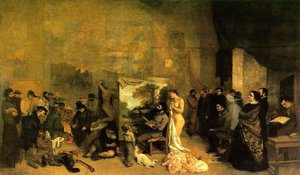
The Painter's Studio

- 361.0 x 598.0 cm


 Lue lisää
Saat tulostusvalmiin tiedoston, jonka laatu ylittää verkkonäkymän huomattavasti. Jokainen myymämme digitaalinen kuva on peräisin arkistomme korkearesoluutioisesta mestariteoksesta — yleensä 5 000–15 000 pikselin levyisenä — joten voit tulostaa suuria kokoja, rajata tiukasti tai toistaa hienovaraiset yksityiskohdat luottavaisin mielin.
Mikään tiedosto ei lähde studiostamme muuttamatta. Digitaalinen asiantuntija vertaa värejä alkuperäiseen maalaukseen ja korjaa niitä tarvittaessa, minkä jälkeen hän parantaa kuvan selkeyttä ja yksityiskohtia ammattimaisilla retusointityökaluilla — säilyttäen aina uskollisena taiteilijan siveltimenjäljen ja tyylin. Lopputuloksena on kuva, joka näyttää maalaukselta, eikä suodatetulta skannaukselta.
Hyväksyt työn ennen valmistumistaan: asiantuntijamme lähettää kuvan tarkistettavaksi sähköpostitse 72 tunnin kuluessa. Etkö ole tyytyväinen? Pyydä parannuksia tai korjauksia, tai pyydä hyvitystä, mikäli laatu ei vastaa odotuksia.
Tämä on laatua, johon kustantamot, design-studiot, galleriat ja painotalot luottavat.
Digitaalinen kuva
Lataa korkearesoluutioinen tiedosto henkilökohtaiseen näyttelyyn, tulostamiseen ja luoviin projekteihin. ( Vaihda tulosteeseen Osta käsinmaalattu taideteos)
Sisältyy jokaiseen digitaalisen kuvan tilaukseen
Asiantunteva digitaalinen toimitus, laatu taattu
Kun valitset TopImpressionists.com-palvelun, et saa vain kuvaa – saat ammattimaisesti viimeistellyn digitaalisen taideteoksen, joka on luotu tarkkuudella ja jonka takaa tulee tyytyväisyystakuu. Tässä on kaikki, mitä tilauksesi sisältää, automaattisesti:

Nopea sähköpostitoimitus
Saat korkearesoluutioisen digitaalisen kuvatiedostosi sähköpostiisi 72 tunnin kuluessa tilauksesta – valmiina käytettäväksi välittömästi.

Tekoälyllä parannettu digitaalinen tiedosto
Teoksesi on optimoitu ammattimaisesti edistyneiden tekoälytyökalujen ja manuaalisen jälkikäsittelyn avulla, mikä takaa maksimaalisen yksityiskohtaisuuden, selkeyden ja väritarkkuuden.

Ilmainen uudelleenlähetys elinikäisesti
Oletko vahingossa poistanut tai kadottanut tiedostosi? Ei hätää – lähetämme sen sinulle uudelleen milloin tahansa täysin maksutta.

Ei tuontimaksuja – koskaan
Nauti taiteestasi välittömästi ilman tullimaksuja, veroja tai toimituskuluja – digitaaliset lataukset ovat aina verovapaita.

Värintoiston tarkkuustakuu
Varmistamme, että digitaalinen kuvasi vastaa alkuperäisiä värejä mahdollisimman tarkasti käyttämällä ammattilaistason työkaluja ja värinhallintaa.

100 päivän tyytyväisyystakuu
Jos et ole tyytyväinen digitaaliseen kuvaasi, muokkaamme sitä tai palautamme 100% hinnan 100 päivän kuluessa – kysymystä ei esitetä.

100% Rahat takaisin -takuu
Et ole tyytyväinen? Saat täyden hyvityksen 100 päivän kuluessa digitaalisen tiedostosi vastaanottamisesta – kysymystä ei esitetä.

Määräalennukset
Osta 3 kuvaa, säästä 10% - Osta 5, säästä 15% - Osta 10+, säästä 20%. Erinomainen valinta luoviin projekteihin, gallerioille ja toimistoille.
A Bold Declaration of Realism: Gustave Courbet’s “The Painter’s Studio”
Dr. Steven Zucker begins his exploration of Gustave Courbet's monumental canvas, "The Painter’s Studio," at the Musée d’Orsay in Paris, highlighting its significance as a pivotal moment in artistic history and rejecting from the official exposition. This expansive oil painting—measuring 361 x 598 cm—immediately commands attention with its sheer scale and uncompromising depiction of everyday life, marking a decisive break from the idealized landscapes and mythological narratives favored by earlier generations of artists.- Subject Matter: The scene portrays a bustling studio inhabited by Courbet himself and several prominent figures representing diverse social strata – intellectuals, artists, and patrons. These individuals engage in conversation and activity, creating an atmosphere of intellectual ferment and artistic ambition.
- Style & Technique: Courbet’s masterful brushwork characterizes the painting's style, employing a technique known as Impasto—thickly applied paint—to imbue the canvas with palpable texture and depth. This deliberate disregard for academic conventions underscores his commitment to portraying reality without embellishment or romantic sentimentality.
- Historical Context: Created in 1855 during the Second Industrial Revolution, “The Painter’s Studio” reflects the broader societal shifts of its time. The painting's rejection from the Paris World Fair served as a catalyst for Courbet to organize his own exhibition, "The Pavilion of Realism," demonstrating defiance against artistic hierarchies and asserting the primacy of observation.
Allegorical Layers: Decoding Symbolism
Beyond its immediate visual impact, “The Painter’s Studio” is laden with symbolic representations that delve into themes of artistic struggle, social hierarchy, and the role of inspiration. At the center stands Courbet himself, absorbed in his work while facing away from a nude model—a deliberate gesture signifying his rejection of Academic art's preoccupation with idealized beauty. This compositional choice powerfully communicates Courbet’s belief that true artistry stems from confronting uncomfortable truths and embracing the complexities of human experience.- The Model: The nude figure embodies Academic ideals – purity, grace, and perfection—representing precisely what Courbet sought to dismantle through his unflinching realism.
- The Figures Around the Table: The intellectuals and artists gathered around the table represent the influential figures who championed Courbet’s vision. Their presence underscores the importance of intellectual discourse and artistic collaboration in shaping cultural values.
A Legacy of Influence
Courbet's audacious act of self-promotion solidified his position as a champion of Realism, profoundly impacting subsequent art movements. Artists like Impressionists and Cubists drew inspiration from Courbet’s pioneering approach to depicting the world around them—abandoning illusion for direct observation and prioritizing expressive brushwork over meticulous detail. “The Painter’s Studio” remains an enduring testament to Courbet's artistic conviction and continues to inspire artists and collectors alike, reminding us that art can serve as a powerful vehicle for social commentary and intellectual exploration.Emotional Resonance
Ultimately, "The Painter’s Studio" transcends mere visual representation; it evokes a palpable sense of atmosphere—one brimming with ambition, contemplation, and perhaps even defiance. Courbet's masterful use of color and texture invites viewers to immerse themselves in the scene, fostering an emotional connection to the artist’s unwavering commitment to portraying reality without compromise. It stands as a timeless masterpiece, capturing not only the visual splendor of 19th-century Paris but also the enduring spirit of artistic rebellion.Kysymykset ja vastaukset
Onko Gustave Courbet:n "The Painter's Studio" vaalea vai tumma teos?
"The Painter's Studio" on kokonaisuutena deep_shadow, ja sen luminanssi on Dark.
Miten kontrasti ja harmonia yhdistyvät teoksessa "The Painter's Studio"?
Gustave Courbet:n "The Painter's Studio" teoksen väriyhdistelmä yhdistää Bold kontrastin ja Strong Color Unity harmonian.
Onko Gustave Courbet:n "The Painter's Studio" väreiltään kylläisiä vai hillittyjä?
Gustave Courbet:n "The Painter's Studio"-teoksen värit ilmentävät Muted kylläisyyttä ja Monochromatic voimakkuutta.
Samankaltaisia teoksia




Taiteilijan esittely
A Rebel’s Brush: The Life and Legacy of Gustave Courbet
Jean Désiré Gustave Courbet (1819-1877) was a transformative figure in the history of art, recognized as one of the foremost champions of Realism and an uncompromising voice for artistic liberty. His journey from humble beginnings in Ornans, France, to international acclaim wasn’t merely about mastering brushstrokes; it was fueled by a profound conviction that art should reflect the realities of everyday life – unidealized, honest, and imbued with social significance. Growing up amidst a burgeoning bourgeois family instilled in him a certain appreciation for material comfort, yet his artistic spirit demanded something more substantial: an unflinching gaze upon the world as it truly existed.Early Influences and Artistic Training
Courbet’s formative years were marked by encouragement from his mother to pursue his passions for drawing and painting – a nurturing that would prove pivotal in shaping his artistic trajectory. Unlike many artists of his time who received aristocratic patronage, Courbet benefited from modest familial support, allowing him to enroll at the École des Beaux-Arts in Paris in 1839. However, he quickly recognized the limitations imposed by the academy’s rigid academic conventions and Romantic idealism. While acknowledging influences from Eugène Delacroix and Théodore Géricault – artists who explored dramatic narratives and emotional intensity – Courbet deliberately distanced himself from these approaches, prioritizing observation over imagination and striving for accuracy above all else. He sought to capture the essence of his subjects with meticulous detail, rejecting the embellishments characteristic of earlier artistic traditions.The Birth of Realism: Challenging Artistic Conventions
Courbet’s artistic breakthrough arrived through a rejection of prevailing aesthetic standards. He wasn't captivated by mythological tales or heroic portrayals; instead, he turned his attention to the lives of ordinary people – laborers, peasants, and rural artisans – subjects largely ignored by the art establishment. This decision wasn’t merely stylistic; it represented a fundamental assertion about the dignity inherent in these marginalized communities. His early canvases explored landscapes and portraits, but soon focused on scenes depicting working-class life on an ambitious scale previously reserved for monumental historical paintings. Critics initially scorned his uncompromising realism, perceiving it as vulgar and lacking in artistic merit. Yet, Courbet steadfastly defended his vision, arguing that art should serve as a mirror to society – reflecting its complexities and contradictions without resorting to sentimental illusions. The Stone Breakers (1849), tragically destroyed during World War II, stands as an enduring emblem of this commitment to portraying the harsh realities of labor with unflinching honesty.Major Works and Artistic Philosophy
Courbet’s artistic philosophy extended beyond subject matter to encompass technique. He championed a direct approach – applying paint thickly onto the canvas (impasto) – that emphasized the materiality of the medium itself. This method allowed him to convey texture and depth, capturing the physicality of his subjects with remarkable precision. His monumental canvases like A Burial at Ornans (1850-51), depicting a solemn funeral procession in his hometown, provoked considerable controversy due to their sheer size and lack of emotional grandeur. Courbet deliberately eschewed idealized representations, presenting the mourners as ordinary individuals grappling with grief – a bold departure from prevailing artistic conventions. He famously declared that he wanted “to paint what I see,” rejecting the notion that art should strive for beauty or moral upliftment. The Painter’s Studio (1855), an allegorical depiction of his own creative process, further solidified his conviction that art should reflect the artist's inner world and engage with broader social concerns.Legacy and Influence
Gustave Courbet’s impact on subsequent artistic movements is undeniable. He profoundly influenced Impressionists and Post-Impressionists by liberating them from academic constraints and encouraging experimentation with new visual languages. His unwavering dedication to realism paved the way for artists who sought to depict the world authentically, prioritizing observation over imagination. Though initially dismissed as a provocateur, Courbet’s legacy endures as a testament to the transformative power of art – its ability to challenge conventions, provoke debate, and ultimately enrich our understanding of human experience. He died in 1877, leaving behind an unparalleled body of work that continues to inspire artists and scholars alike—a cornerstone of Realism and a beacon for artistic integrity.
Gustave Courbet
1819 - 1877 , Ranska
Pähkinänkuoressa
- Artistic Movement Or Style: Realismi
- Artists Or Movements Influenced By This Artist:
- Impressionismi
- Postimpressionismi
- Artists Who Influenced This Artist:
- Eugène Delacroix
- Théodore Géricault
- Caravaggio
- Date Of Birth: 31. heinäkuuta 1819
- Date Of Death: 29. huhtikuuta 1877
- Full Name: Gustave Courbet
- Nationality: Ranskalainen
- Notable Artworks:
- Kivenhakkaajat
- Kuolinmessu Ornansissa
- Place Of Birth: Ornans, Ranska