


 Katso seinällä
 Lähetä
 Jaa
Jaa
 Tarkemmat tiedot
 Opas
Opas

 Lataa kuva
 Samanlaisia kohteita
 Röntgenkuvaus
 Diaesitys
 Tilastot
Notre Dame

 Lue lisää
Giclée- ja taideprintit
Museolaatuisia giclée- tai kankaitaulun tulosteita nopealla tuotannolla ja joustavilla viimeistelyvaihtoehdoilla. ( Tilaa käsinmaalattu jäljennös Siirry digitaaliseen kuvaan)




P118B €10

P118H €10

P118W €10

P438Z €10

P508JH €12

P508YH €12

P805H €10

P805Z €10

P919BZ €10

P919G €10

P919XJ €10

P959ZH €10

P968JZ €12

W106C €8

W218G €10

W218JH €8

W218Y €10

W307PJ €10

W316G €10

W316PJ €8

W316Y €10

W398PJ €8

W4111J €10

W500HY €15

W500JH €15

W692G €12

W849H €8

W940BG €15

W953PJ €8




Vakiokoko
mittatilaustyö
CM
INCH
Valitse valmiista mitoistamme sellaiset, jotka vastaavat teoksen alkuperäisiä mittasuhteita.
Loading sizes...

leveys
korkeus
Kirjoita tarvitsemasi leveys ja korkeus, jotta tuloste sopii kehyskokoon tai seinällesi. Tulostetta voidaan vain leikata, sitä ei voi koskaan tehdä suuremmaksi kuin alkuperäinen kuva, joten eri muotoinen koko aiheuttaa osan kuvasta katoamisen. Lähetämme sinulle digitaalisen mallikuvan hyväksyttäväksi ennen kuin aloitamme tulostuksen. Tällä sivulla näkyvä kuva ei näytä lopullista leikkausta — vain mallikuva näyttää sen.
Maailmanlaajuinen toimitus () 2 viikossa tavallisen 4–5 viikon sijaan. (22 lokakuu)

Ilmainen pikatoimitus ympäri maailman

Korkealaatuinen pellavakangas

Kattava kuljetusvakuutus

Tulliveron palautustakuu

Takuu täydellisestä värien vastaavuudesta

100 päivän palautusoikeus valmistusvirhetapauksissa

100% rahat takaisin -takuu

Määräalennus saatavilla
 Lasivaihtoehto on saatavilla vain alle 110 cm kokoisille teoksille

Notre Dame
Giclée- ja taideprintit
Replikaatin koko
-


Kokonaishinta
€ 61
A Symphony of Color Against Parisian Stone
Henri Matisse’s “Notre Dame,” painted in 1914, isn't merely a depiction of Paris; it’s an embodiment of the artist’s revolutionary approach to painting—a bold assertion of Fauvist principles that continues to resonate with audiences today. Captured on paper mounted on canvas and housed within the Albright-Knox Art Gallery collection, this artwork stands as a testament to Matisse’s unwavering belief in color as the primary vehicle for artistic expression.
The Bold Strokes of Fauvism
Matisse's stylistic choices immediately distinguish “Notre Dame” from academic traditions. Abandoning naturalistic representation, he embraced vibrant hues—dominantly blues and yellows—that prioritized emotional impact over accurate depiction. This technique aligns perfectly with the tenets of Fauvist art, a movement spearheaded by Matisse himself and Picasso, which sought to liberate color from its subservient role in portraying reality.
A Vision of Parisian Life
The painting portrays a bustling Parisian street scene centered around Notre Dame Cathedral. The cathedral’s imposing silhouette anchors the composition, rendered with meticulous detail despite Matisse's stylistic liberties. Scattered figures populate the foreground, conveying a sense of everyday life amidst the grandeur of the cityscape. Notably, a horse adds dynamism to the tableau, capturing movement and contributing to the overall atmosphere.
Symbolism Within Color
Matisse’s masterful use of color isn't accidental; it serves as a conduit for conveying emotion and spiritual contemplation. The dominant blues evoke feelings of serenity and solemnity, reflecting the cathedral’s religious significance. Simultaneously, splashes of yellow inject warmth and optimism, symbolizing hope and vitality—a deliberate contrast that underscores Matisse’s artistic intention.
Influence Beyond Canvas
“Notre Dame” exemplifies Matisse's enduring legacy as a pioneer of modern art. His groundbreaking exploration of color paved the way for subsequent generations of artists, inspiring them to prioritize expressive qualities over photographic realism. Reproductions of this iconic artwork offer collectors and interior designers alike an opportunity to experience the transformative power of Fauvist aesthetics—a celebration of pure color and form that continues to captivate viewers worldwide.
Kysymykset ja vastaukset
Millaista kylläisyyttä ja intensiteettiä Henri Matisse:n "Notre Dame" edustaa?
Teoksen Henri Matisse:n "Notre Dame" värit ilmentävät Balanced Soft kylläisyyttä ja Balanced voimakkuutta.
Mistä voin löytää tilastoja teoksesta Henri Matisse:n "Notre Dame"?
Teokselle "Notre Dame" on olemassa Tilastot -sivu. Se esittää teoksen ja taiteilijan muiden teosten kuukausittaiset vierailumäärät maakohtaisesti ja kielittäin eriteltynä.
Mistä "Notre Dame" on valmistettu?
"Notre Dame" on toteutettu tekniikalla Acrylic On Canvas.
Samankaltaisia teoksia


Taiteilijan elämäkerta
Elämänvärejä: Henri Matissen maailma
Henri Émile Benoît Matisse, syntynyt 31. joulukuuta 1869 pienessä pohjoisranskalaisessa Le Cateau-Cambrésisin kaupungissa, ei ollut kohtalossa elää värien ja muotojen täyteistä elämää. Opiskeli aluksi lakia Pariisissa lukion jälkeen, mutta hänen polkunsa muuttui dramaattisesti vuonna 1889 kärsittyään umpilisäkkeen tulehduksen. Sairausvuoteessa hän löysi piilevän intohimon maalauksiin äitinsä lahjoittamalla taidetarvikkeilla. Tämä ei ollut pelkkää ajanvietettä; se oli oivallus – käännekohta, joka ohjasi hänet pois lakikirjoista maailmaan, jossa väristä tulisi hänen kielensä ja kankaasta hänen valtakuntansa. Kasvaessaan Bohain-en-Vermandoisissa viljakauppiaiden poikana Matisse ei aluksi vaikuttanut omaksuvan boheemia taiteilijan elämää, mutta siemen oli kylvetty, kypsytetty toipumisen myötä ja puhkeamassa kukoistamaan elinikäiseksi omistautumiseksi. Hän opiskeli Académie Julianissa ja myöhemmin École Nationale des Beaux-Artsissa William-Adolphe Bouguereaun ja Gustave Moreaun johdolla, omaksuen klassisia tekniikoita, jotka toimisivat pohjana tuleville innovaatioille. Varhaiset työt heijastivat tätä akateemista koulutusta osoittaen taitoa, mutta niistä puuttui erottuva ääni, joka pian määrittelisi hänet.Fauvismin aamunkoitto ja rohkeat kokeilut
Ratkaiseva hetki koitti vuonna 1896 vierailulla Belle Îleen australialaisen taiteilijan John Russellin kanssa. Tämä kohtaaminen osoittautui mullistavaksi. Russell esitteli Matissen eloisalle impressionismin maailmalle ja mikä tärkeintä, Vincent van Goghin tunteellisesti latautuneille maalauksille. Vaikutus oli syvällinen. Van Goghin ilmeikäs värien käyttö mursi Matissen aiemman pidättyväisen paletin ja kehotti häntä rohkeampaan, subjektiivisempaan lähestymistapaan. Hän alkoi poiketa maanläheisistä sävyistä omaksuen sävyjä, jotka resonoi tunteiden kanssa sen sijaan, että ne olisivat tarkka esitys. Tämä tutkimus huipentui fauvismin syntyyn noin vuonna 1905 – liikkeeseen, jonka johtohahmo Matisse oli. Nimi itse, tarkoittaen "villieläimiä", oli alun perin halventava, kriitikon antama ryhmän järkyttävän eloisille ja epärealistisille maalauksille Salon d'Automnessa esillä. Matisse, yhdessä taiteilijoiden kuten André Derainin ja Maurice de Vlaminckin kanssa, puolusti voimakasta väriä itsenäisenä ilmaisun elementtinä yksinkertaistaen muotoja sen vaikutuksen vahvistamiseksi. Maalaukset, kuten The Gourds (1905), ovat esimerkki tästä tyylistä – punaisen, vihreän ja keltaisen räjähdys, joka on levitetty vapaasti perinteisten perspektiivin ja jäljittelyn sääntöjä rikkoen. Tärkeimpiä ominaisuuksia olivat voimakkaat kylläiset värit, yksinkertaistetut muodot, ilmeikkäät siveltimenvedot ja tarkoituksellinen luopuminen perinteisestä esityksestä tunteiden resonanssin hyväksi.Hienosäätö ja koristeellinen harmonia
Fauvismin alkuhuuman jälkeen Matissen tyyli kävi hienovaraisen mutta merkittävän kehityksen läpi. Vaikka hän ei koskaan luopunut rakkaudestaan väreihin, hänen työnsä tuli hienostuneemmaksi ja kallistui koristeelliseen estetiikkaan, joka korosti litistettyjä muotoja ja monimutkaisia kuvioita. Hän tutki vapaa-ajan, kodinomaisuuden ja ihmishahmon teemoja rauhallisissa ympäristöissä luoden sommitelmia, jotka tuntuivat sekä harmonisilta että tunteellisesti resonoivilta. Muutto Nizzaan Ranskan Rivieralle vuonna 1917 vaikutti edelleen tähän muutokseen ja täytti hänen työnsä tyyneydellä ja klassisella tasapainolla. Hän alkoi keskittyä luomaan ympäristöjä – maalauksia, veistoksia ja koriste-esineitä – jotka ympäröivät katsojan kauneuden ja rauhallisuuden ilmapiirillä. Tänä aikana hän kokeili erilaisia välineitä, mukaan lukien keramiikkaa ja tekstiilejä laajentaen taiteellista visiotaan perinteisen kankaan ulkopuolelle. Hän ei vain kuvannut kohtauksia; hän rakensi maailmoja, jotka on suunniteltu herättämään tietty tunnevastaus.Myöhemmät vuodet: Innovaatio rajoitusten kautta
Koska heikkenevä terveys rajoitti Matissen kykyä maalata perinteisellä tavalla, hän aloitti poikkeuksellisen uuden luvun taiteellisella matkallaan – paperileikkauskollaasien luominen eli *découpages*. Alkoi noin vuonna 1947, nämä työt syntyivät välttämättömyydestä. Pyörätuolissa rajoittuneena hän ei voinut fyysisesti seistä ja maalata, mutta hän pystyi silti manipuloimaan paperia saksilla. Mikä alkoi käytännön ratkaisuna kehittyikin uraaukkavaksi taidetechnikaksi. Hän maalasi suuria paperiarkkeja eloisilla väreillä, leikkasi ne sitten muotoihin – orgaanisiin muotoihin, lehtiin, hahmoihin – ja järjesti ne kankaalle luoden sommitelmia, jotka olivat sekä dynaamisia että pettävän yksinkertaisia. Nämä *découpages* eivät olleet pelkkiä maalauksen korvikkeita; ne edustivat uutta tapaa ajatella väriä, muotoa ja sommittelua. Ne jatkoivat hänen elinikäistä tutkimustaan näistä elementeistä osoittaen kestävyyttä taiteellista visiota jopa fyysisten rajoitusten edessä.- Paperileikkaustekniikan avulla hän saavutti puhtauden muodon ja värin, joka oli vaikea saavuttaa maalilla.
- Nämä työt viittasivat usein aiempiin teemoihin ja motiiveihin hänen maalauksissaan, mutta esittelivät ne uudella ja innovatiivisella tavalla.
- Ne osoittivat hänen kykynsä sopeutua ja kehittyä taiteilijana koko uransa ajan.
Kestävä perintö: Matissen vaikutus moderniin taiteeseen
Henri Matisse kuoli Nizzassa vuonna 1954 jättäen jälkeensä työn, joka jatkaa inspiroimista ja lumoamista ympäri maailmaa. Hänen vaikutuksensa taidemaailmaan on kiistaton; hän haastoi perinteiset esityksen käsitteet, puolusti värin ilmaisukykyä ja tasoitti tietä tuleville sukupolville taiteilijoita. Usein pidetty Pablo Picasson rinnalla yhtenä 1900-luvun vaikutusvaltaisimmista hahmoista Matisse muokkasi perustavanlaatuisesti modernismia. Hänen perintönsä ulottuu itse teoksiensa ulkopuolelle – se sisältää filosofian, joka juhlii iloa, kauneutta ja värin muuntavaa potentiaalia. Hän ei vain maalannut sitä, mitä hän näki; hän loi tunnekokemuksen katsojalle kutsuen hänet jakamaan visionsa maailmasta, joka on täynnä valoa ja eloisia sävyjä. Matissen vaikutus näkyy lukemattomissa teoksissa eri alojen taiteilijoilta vahvistaen hänen paikkansa todellisena modernin taiteen mestarina – maalarina, joka uskalsi nähdä
Henri Matisse
1869 - 1954 , Ranska
Tietoa taiteilijasta
- Artistic Movement Or Style: Fauvismi
- Artists Or Movements Influenced By This Artist:
- Modernismi
- Ekspressionismi
- Artists Who Influenced This Artist:
- Van Gogh
- Chardin
- Russell
- Date Of Birth: 31. joulukuuta 1869
- Date Of Death: 3. marraskuuta 1954
- Full Name: Henri Émile Benoît Matisse
- Nationality: Ranskalainen
- Notable Artworks:
- The Gourds
- Laurette in a White Turban
- Place Of Birth (City And Country): Le Cateau-Cambrésis, Ranska
Aiheeseen liittyvät artikkelit
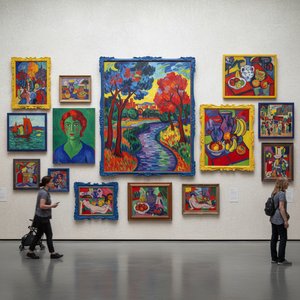
Fauvismin 10 mestariteosta: Taidetta ja inspiraatiota kotiin – TopImpressionists.com
Tutustu fauvismin 10 ikonista mestariteosta! Uppoudu Henri Matissen, André Derainin ja muiden taiteilijoiden värikylläiseen maailmaan. Löydä inspiraatiota kotiisi TopImpressionists.com:sta – laadukkaat taidekopiokset ja sisustusideat odottavat!

Fauvismin 10 mestariteosta: Värien vallankumous taiteessa – TopImpressionists.com
Tutustu fauvismin 10 mestariteokseen! Uppoudu Henri Matissen, André Derainin ja muiden taiteilijoiden värien vallankumoukseen. Löydä inspiraatiota kotiisi – korkealaatuiset taideprintit TopImpressionists.comista. Tutustu kokoelmaan verkossa!

Fauvism Unveiled: The Wild Revolution of Color and Emotion in Modern Art
Explore the vibrant revolution of Fauvism. Discover how masters like Henri Matisse liberated color from reality to express pure emotion. An expert guide into the 'Wild Beasts' of modern art history for collectors and enthusiasts.
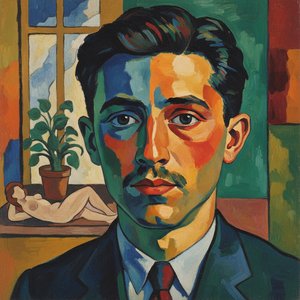
Henri Matisse: A Revolutionary Use of Color and Form in Modern Art
Explore the revolutionary art of Henri Matisse! Discover his bold use of color, Fauvist origins, and lasting impact on modern painting. A comprehensive guide for art enthusiasts.

Henri Matissen 25 mestariteosta: Värien ja muodon lumo taidekokoelmissa | TopImpressionists
Tutustu Henri Matissen 25 mestariteokseen – värien ja muodon lumoava maailma! Lue taiteen historiaa, fauvismin syntyä ja löydä inspiraatiota sisustukseesi. Korkealaatuiset taideprintit TopImpressionists.com:ssa.
Tutustu teoksiin, jotka on järjestetty aiheiden, tyylien ja ominaisuuksien mukaan.


