

Shown: · With its frame:
 Esikatselu
 Jaa teos
 Jaa
Jaa
 Tiedot
 Opas
Opas

 Lataa kuva
 Samanlaisia kohteita
 Röntgenkuvaus
 Diaesitys
 Q&A
Q&A Tilastot


€ 239
Käsinmaalattu öljyvärinen jäljennös
Käsinmaalattu öljyväri kankaalle haluamassasi koossa ja kehyksissä, taiteilijoidemme valmistamana tilauksesta. ( Vaihda tulosteeseen Siirry digitaaliseen kuvaan)
Size
·Vakiokoko
räätälöity
CM
INCH
Valitse valmiista mitoistamme sellaiset, jotka vastaavat teoksen alkuperäisiä mittasuhteita.
Loading sizes...

leveys
korkeus
Kirjoita tarvitsemasi leveys ja korkeus, jotta teos sopii kehyksiisi tai seinällesi. Koska kyseessä on käsinmaalattu teos, taiteilija voi maalata hieman enemmän kuvan ympärille tai rajata sitä hieman, jos haluat eri muotoisen koon — valinta on sinun. Lähetämme sinulle digitaalisen mallikuvan hyväksyttäväksi ennen kuin maalaus alkaa. Tällä sivulla näkyvä kuva ei vastaa lopullista tulosta — vain mallikuva näyttää sen.
 Lue lisää
Finish
·
White €1

Blurside €1

Extended €1

P118B €10

P118H €10

P118W €10

P438Z €10

P508JH €12

P508YH €12

P805H €10

P805Z €10

P919BZ €10

P919G €10

P919XJ €10

P959ZH €10

P968JZ €12

W106C €8

W218G €10

W218JH €8

W218Y €10

W307PJ €10

W316G €10

W316PJ €8

W316Y €10

W398PJ €8

W4111J €10

W500HY €15

W500JH €15

W692G €12

W849H €8

W940BG €15

W953PJ €8

H24-GOLD €30

H24-SILVER €30

H36-GOLD €45

H36-SILVER €45
Shipped in a protective tube, ready for your own framer.
Above 105 cm the frame is shipped as a kit for a professional framer — read the details.
Extras
optionalWhat do the extras include?
Examples of what can be changed: Replace face with customer photo; Add pet (e.g., replace cat with dog); Include hidden message in background; Change background landscape or elements.
After order, TopImpressionists.com team will email client for instructions and provide a mockup preview
After order, TopImpressionists.com team will email client for instructions and provide a mockup preview
Maailmanlaajuinen toimitus () 3–4 viikossa tavallisen 5 viikon sijaan. (2 marraskuu). Laadusta ei tingitä.
Suojalakkaus
Nimilaatta
Kaiverretun pronssilaatan tiedot
This elegant plaque features the artist's name and the title of the artwork, finely engraved for a timeless presentation.
It is made from bronze with a refined, elegant finish. The text is precisely laser-engraved for a sharp and permanent result. Measuring 9x2 cm, the plaque is compact yet easy to read. It's built to be durable and scratch-resistant, offering a professional, museum-quality look. Mounting is simple thanks to the included adhesive backing.
Läpinäkyvän akryylilaatan tiedot
The plaque includes essential engraved details such as the artist's name, the title of the artwork, the date it was created, the type of media used-like oil on canvas or watercolor-a brief description of the piece, and a QR code that links to the complete artwork information.
It is crafted from clear acrylic, offering a sleek, modern appearance. The text is UV-engraved in black to ensure strong visual contrast. With a size of 10x15 cm, it ensures optimal readability. It comes equipped with two metal hooks for secure wall mounting. The plaque is designed to be weather-resistant, making it suitable for various environments, and it includes interactive features that work seamlessly with smartphone scanning.
Mustan akryylilaatan tiedot
This elegant plaque includes engraved information such as the artist's name, the title of the artwork, the date it was created, the type of media used (like oil on canvas or watercolor), a short description of the artwork, and a QR code for quick access to more information.
The plaque itself is made from refined black acrylic with a premium finish. The text is laser-engraved in white for high contrast and readability. Its size is 10x15 cm, designed to be easy to read. It comes with two metal hooks for professional mounting. The design is sleek and fits any interior style. It is also weather-resistant and durable, with built-in digital integration for mobile compatibility.
Lasivaihtoehto on saatavilla vain alle 110 cm kokoisille teoksille
 Lasivaihtoehto on saatavilla vain alle 110 cm kokoisille teoksille
- Ilmainen pikatoimitus ympäri maailman
- Korkealaatuinen pellavakangas
- Kattava kuljetusvakuutus
- Tulliveron palautustakuu
- Takuu täydellisestä värien vastaavuudesta
- 100 päivän palautusoikeus (vain valmistusvirheet)
- 100% rahat takaisin -takuu
- Määräalennus tarjolla


Keräilykohteen kuvaus
Taiteilijan elämäkerta
Hieronymus Bosch (1450-1516) oli mystinen ja visionäärinen hollantilainen taidemaalari, jonka teoksissa yhdistyvät surrealismi, symboliikka ja uskonnolliset aiheet. Tutustu hänen ikonisimpiin maalauksiinsa!
About the painting
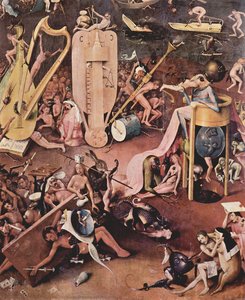
A Moment Frozen in Time: Exploring Hieronymus Bosch’s Ecce Homo Detail
The painting “Ecce Homo” – Latin for “Behold the Man” – is a haunting fragment from Hieronymus Bosch’s monumental triptych, completed around 1475. More than just a depiction of Jesus Christ’s crucifixion, it represents a profound meditation on human suffering and divine compassion, rendered with Bosch's signature blend of meticulous realism and fantastical imagination. This particular detail captures the palpable tension surrounding the figure of Jesus as he is presented to the crowd – a scene charged with religious significance and psychological complexity.The Artist’s Vision: Bosch’s Unique Style
Hieronymus Bosch (c. 1450-1516) stands apart from his contemporaries in Northern Renaissance art. Unlike many artists of his era who adhered to idealized depictions of biblical figures, Bosch embraced a disturbing vision rooted in medieval folklore and Christian mysticism. His style is characterized by an unsettling juxtaposition of naturalistic observation with grotesque imagery – animals transformed into monstrous hybrids, human figures distorted into expressions of agony and ecstasy. This deliberate dissonance wasn’t merely stylistic choice; it served as a powerful tool for conveying Bosch's anxieties about sin, mortality, and the corrupting influence of earthly desires. He meticulously crafted his paintings using oil paint on panel, achieving remarkable detail and luminosity—a technique that allowed him to capture both the physicality of his subjects and the ethereal quality of their spiritual torment.Historical Context: Faith Under Pressure
The triptych itself was commissioned by Willem Boreel, a wealthy Antwerp merchant who sought solace during a period of religious upheaval in Europe. The Protestant Reformation was gaining momentum, challenging papal authority and sparking intense debates about theological interpretation. Bosch’s depiction reflects this climate of uncertainty; the faces of those surrounding Jesus are etched with sorrow and apprehension, mirroring the anxieties felt by many devout Christians grappling with questions of faith and salvation. The inclusion of instruments like a sword and shield speaks to the political tensions of the time – symbols of military might juxtaposed against the vulnerability of Christ on the cross—underscoring Bosch’s awareness of the broader societal landscape.Symbolism: Layers of Meaning Beyond the Visible
Beyond its immediate depiction, “Ecce Homo” is replete with symbolic references that delve into deeper theological concerns. The cup held aloft by one figure represents divine grace – offering solace and redemption to those who acknowledge their failings. Conversely, the expressions on the faces of the onlookers convey a spectrum of emotions: pity, fear, disbelief, and perhaps even contempt. Bosch’s masterful use of color contributes to this symbolic richness; muted tones dominate the scene, emphasizing the solemnity of the occasion while highlighting the luminous glow emanating from Jesus's body—a visual representation of divine holiness amidst human suffering.Emotional Impact: A Portrait of Humanity’s Struggle
“Ecce Homo” continues to resonate with viewers centuries after its creation because it confronts us directly with the fundamental questions of existence. Bosch doesn’t offer easy answers; instead, he compels us to contemplate the horrors of human nature alongside the promise of divine mercy. The painting's unsettling realism combined with fantastical elements creates a visceral experience—one that lingers in the mind long after viewing. It serves as a timeless reminder of our shared vulnerability and the enduring power of faith to illuminate even the darkest corners of the human condition. This detail, like the entire triptych, remains an unforgettable testament to Bosch’s unparalleled artistic genius and his profound engagement with the spiritual anxieties of his time.Kysymykset ja vastaukset
Miten teosta Hieronymus Bosch:n "Ecce Homo (detail)" voidaan käyttää sisustuksessa?
"Ecce Homo (detail)" sopii erinomaisesti Accent-käyttöön, ja suositeltu tila teokselle on Living Room.
Mikä on teoksen Hieronymus Bosch:n "Ecce Homo (detail)" yleinen tunnelma?
Teoksen Hieronymus Bosch:n "Ecce Homo (detail)" tunnelmaa kuvataan olevan Dramatic. Tämä luokittelu voi auttaa löytämään teokselle sopivan ympäristön.
Minkä tyyppinen teos Hieronymus Bosch:n "Ecce Homo (detail)" on?
"Ecce Homo (detail)" on WallArt-teos.
Quick facts and art quiz
About Hieronymus Bosch

Hieronymus Bosch
1450 - 1516, Alankomaat
Taiteilijan elämäkerta
Hieronymus Bosch: Netherlandish Mysticism and the Unconscious
Hieronymus Bosch, alun perin Jheronimus van Aken, on yksi taiteen historian kieyttävyimmistä ja salaperäisimmistä hahmoista. Hänen maailmansa oli syvällä myöhäiskeskiajan uskonnollisessa intohimossa, kansanperinteessä ja kasvavassa yhteiskunnallisessa epävakaudessa – kaikki nämä tekijät muovasivat hänen ainutlaatuisen ja häiritsevän taiteellisen näkökulmansa. Hän kuului pitkälle jatkunun maalareiden perheeseen, jonka juuret ulottuivat Nijmegenista (Gueldersin herttuakuntaan) Aachenista – joskin sukunimen alkuperä on epävarma. Hänen isänsä Anthonius van Aken ja iso-isänsä Jan van Aken olivat molemmat taiteilijoita, mikä todennäköisesti merkitsi, että Bosch sai varhaisen koulutuksensa perheensä työpajassa, omaksuttaen tekniikat ja konventiot hollantilaisessa maalaustyössä. Jo varhain uransa aikana hän kuitenkin poikkesi vakiintuneista normeista, vihjaillen ainutlaatuiseen mielikuvitukseen, joka määrittäisi hänen uransa. Elämäkerrallisia tietoja on vaikeasti saatavilla; asiakirjat ovat fragmentoituneita, jättäen paljon avoimeksi tulkinnoille ja spekulaatioille, mikä lisää mysteeriä sekä miehestä että hänen teoksistaan. Hän meni naimisiin Aleyt Goyaerts van den Meerveeenin kanssa ennen 1481, mikä tarjosi hänelle taloudellista turvaa hänen puolisonsa perheen varallisuuden kautta, mutta vähän muuta.Fantastiset Visiot ja Symbolinen Syvyys
Boschin taiteellinen tyyli on heti tunnistettava – lumoava yhdistelmä huolellisia yksityiskohtia ja villisti mielikuvituksellisia kuvia. Hän työskenteli pääasiassa öljyllä tammitukevalleilla, osoittaen mestarillista hallintaansa välineestä ja saavuttaen kirkkaat värit ja monimutkaiset tekstuurit. Vaikka hänen varhaiset teoksensa heijastavat perinteisen hollantilaisen maalaustyön vaikutuksia, erityisesti niiden realismia ja huomiota yksityiskohtiin, hän nopeasti siirtyi jäljittelemästä vain sitä, kehittäen syvällisen oman näkökulmansa. Hänen maalauksensa eivät ole pelkästään todellisuuden esityksiä; ne ovat allegorisia maisemia, jotka on asuttanut outoja olentoja, hybridejä ja häiritseviä kohtauksia, jotka näyttävät olevan lainattuja unelmista – tai painajaisista. Uskonnolliset teemat muodostavat suuren osan hänen työnsä pohjaa, mutta ne eivät yleensä ole suoria Raamatun tarinoiden kuvauksia. Sen sijaan Bosch käyttää symboleita tutkimaan monimutkaisia eettisiä ja teologisia käsitteitä, keskittyen usein synnin vaaroihin, maallisten nautintojen haurauteen ja jumalallisen tuomion väistämättömyyteen. Hänen olentojaan – hirviömäisiä demonia, fantastisia eläimiä ja oudosti ihmismäisiä hahmoja – ei ole vain koristeellisia elementtejä; ne ovat pahan, himoituksen ja hengellisen korruption ilmentymiä. Pyhän ja profaanin yhdistelmä, kauniin ja hirveän yhdistelmä luo ainutlaatuisen häiritsevän vaikutelman, joka vangitsee katsojat vuosisatojen jälkeen.Tärkeimmät Teokset ja Symboliikka
Boschin tunnetuimpia teoksia ovat muun muassa *Maailman ihmeiden puutarha* (c. 1490-1510), joka on triptyykki, joka on edelleen taiteen historian kiistanalaisimmista ja arvoituksellisimmista töistä. Kun se avataan, se esittää paradisaattisen näyn, maallisen elämän ja helvetin – monimutkaisen allegorisen esityksen ihmiskunnan langenneisuudesta. Vasemman puoleinen paneeli kuvaa Eedenin puutarhaa, joka on täynnä outoja olentoja ja rehevää kasvillisuutta; keskimmäinen paneeli esittää maailmaa, joka on tuhoutunut aistilliseen nautintoon ja hillittömään haluun; ja oikea paneeli tarjoaa kauhistuttavan näyn helvetin tuskin. Viimeisen tuomion triptyykki (c. 1480-1490) on toinen esimerkki hänen taidastaan kuvata sekä taivaallista iloa että helvetillistä rangaistusta. *Pyhäpaimenen nousu* (c. 1480-1490) osoittaa hänen kykyään luoda eteerisiä ja unenomaisia kohtauksia. Jopa pienemmät teokset, kuten *Pyhäpäivän ilmentäminen* (c. 1495), esittelevät innovatiivista öljymaalaustekniikkaansa ja monimutkaista symboliikkaa, paljastaen mielen, joka jatkuvasti kamppailee uskonnon, moraalin ja ihmisluonnon kanssa.Vaikutukset ja Kestävä Vaikutus
Boschin suorien vaikutusten tunnistaminen on haastavaa, koska hänen näkökulmansa omaperäisyys on valtava. Tutkijat viittaavat mahdollisiin yhteyksiin myöhäiskeskiaikaiseen kansanperinteeseen, uskonnollisiin teksteihin – erityisesti apokalyptisiin teemoihin – ja aikakauden vallitseviin huoliin, kuten harhaoppien ja yhteiskunnallisen epävakauden pelkoihin. Kuitenkin on selvää, että hän yhdisti nämä elementit johonkin täysin uuteen ja ainutlaatuiseen. Hänen vaikutuksensa myöhemmän taiteen tekijöille on kiistaton. Pieter Bruegel van der Aeken seurasi hänen jalanjälkiään suoraan, ottamalla samanlaiset teemat ja kompositiotekniikat, kun taas myöhemmät liikkeet, kuten Surrealismi, ovat myös saaneet inspiraatiota hänen unenomaisista kuvistaan ja alitajunnan tutkimisesta. Taiteilijat kuten Salvador Dalí ja Max Ernst ovat avoimesti tunnustaneet velvollisuutensa hänen häiritsevien visioilleen. Jopa tänään Bosch’n teokset jatkavat kiehtovansa ja herättävät keskustelua, vahvistaen paikkansa taiteen historian poikkeuksellisimman ja unohtumattomimman äänien joukossa. Hänen maalauksensa tarjoavat arvokkaita näkemyksiä myöhäiskeskiajan uskonnollisesta, sosiaalisesta ja psykologisesta ilmapiiristä, haastaen perinteiset normit ja avaamalla uusia taiteellisia muotoja.Elämä ja Aika
Hieronymus Bosch syntyi noin vuonna 1450 ’s-Hertogenboschissa, joka oli silloin osa Brabantin herttuakuntaa. Hän kuoli 9 elokuuta 1516 samassa kaupungissa. Hänen alkuperäinen nimensä oli Jheronimus van Aken, ja hän allekirjoitti useita maalauksiaan nimellä Bosch. Nimi juontuu hänen kotikaupunkinsa nimestä, ’s-Hertogenboschista. Hän kuului pitkälle jatkunun maalareiden perheeseen, jonka juuret ulottuivat Nijmegenista (Gueldersin herttuakuntaan) Aachenista – joskin sukunimen alkuperä on epävarma. Hänen isänsä Anthonius van Aken ja iso-isänsä Jan van Aken olivat molemmat taiteilijoita, mikä todennäköisesti merkitsi, että Bosch sai varhaisen koulutuksensa perheensä työpajassa, omaksuttaen tekniikat ja konventiot hollantilaisessa maalaustyössä. Vaikka hän oli jo nuorena uransa alussa poikkeava vakiintuneista normeista, vihjaillenQuick facts about Hieronymus Bosch
- Artistic Movement Or Style: Surrealismi, Symbolismi
- Artists Or Movements Influenced By This Artist: ['Pieter Bruegel van der Aa']
- Date Of Birth: c. 1450
- Date Of Death: 1516
- Full Name: Hieronymus Bosch
- Nationality: Alankomainen
- Notable Artworks:
- Maailman ilon puutarha
- Päivän tuomitseminen
- Pyhä synti
- Place Of Birth: Den Bosch, Alankomaat
Tutustu teoksiin, jotka on järjestetty aiheiden, tyylien ja ominaisuuksien mukaan.




Hieronymus Bosch
Ecce Homo (detail)
() ·
With its frame: · Hand-painted in oil on linen
Total