Katso seinällä
 Lähetä
 Jaa
Jaa
 Tarkemmat tiedot
 Opas
Opas

 Lataa kuva
 Samanlaisia kohteita
 Röntgenkuvaus
 Diaesitys
 Tilastot
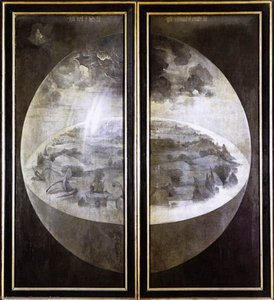
Hermit Saints Triptych (left panel)
 Oil On Panel
- WallArt
- Surrealist Movement
 1505
1505- Renaissance
 86.0 x 29.0 cm
 Palazzo Ducale
A surreal landscape of grotesque creatures and unsettling shadows defines this Northern Renaissance masterpiece by Hieronymus Bosch, inviting you to explore the profound mysteries of his visionary oil on panel painting.
 Lue lisää
Hieronymus Bosch (1450-1516) oli mystinen ja visionäärinen hollantilainen taidemaalari, jonka teoksissa yhdistyvät surrealismi, symboliikka ja uskonnolliset aiheet. Tutustu hänen ikonisimpiin maalauksiinsa!
Giclée- ja taideprintit
Museolaatuisia giclée- tai kankaitaulun tulosteita nopealla tuotannolla ja joustavilla viimeistelyvaihtoehdoilla. ( Tilaa käsinmaalattu jäljennös Siirry digitaaliseen kuvaan)




P118B €10

P118H €10

P118W €10

P438Z €10

P508JH €12

P508YH €12

P805H €10

P805Z €10

P919BZ €10

P919G €10

P919XJ €10

P959ZH €10

P968JZ €12

W106C €8

W218G €10

W218JH €8

W218Y €10

W307PJ €10

W316G €10

W316PJ €8

W316Y €10

W398PJ €8

W4111J €10

W500HY €15

W500JH €15

W692G €12

W849H €8

W940BG €15

W953PJ €8




Vakiokoko
mittatilaustyö
CM
INCH
Valitse valmiista mitoistamme sellaiset, jotka vastaavat teoksen alkuperäisiä mittasuhteita.
Loading sizes...

leveys
korkeus
Kirjoita tarvitsemasi leveys ja korkeus, jotta tuloste sopii kehyskokoon tai seinällesi. Tulostetta voidaan vain leikata, sitä ei voi koskaan tehdä suuremmaksi kuin alkuperäinen kuva, joten eri muotoinen koko aiheuttaa osan kuvasta katoamisen. Lähetämme sinulle digitaalisen mallikuvan hyväksyttäväksi ennen kuin aloitamme tulostuksen. Tällä sivulla näkyvä kuva ei näytä lopullista leikkausta — vain mallikuva näyttää sen.
Maailmanlaajuinen toimitus () 2 viikossa tavallisen 4–5 viikon sijaan. (26 lokakuu)

Ilmainen pikatoimitus ympäri maailman

Korkealaatuinen pellavakangas

Kattava kuljetusvakuutus

Tulliveron palautustakuu

Takuu täydellisestä värien vastaavuudesta

100 päivän palautusoikeus valmistusvirhetapauksissa

100% rahat takaisin -takuu

Määräalennus saatavilla
 Lasivaihtoehto on saatavilla vain alle 110 cm kokoisille teoksille

Hermit Saints Triptych (left panel)
Giclée- ja taideprintit
Replikaatin koko
-


Kokonaishinta
€ 61
A Descent into Surreal Reflection
In the hauntingly beautiful left panel of Hieronymus Bosch’s Hermit Saints Triptych, viewers are invited to step into a dreamlike realm where the boundaries between reality and nightmare dissolve. Painted around 1505, this work serves as a profound testament to the artist's ability to distill the deep-seated anxieties of the High Renaissance into a single, visceral visual experience. The scene presents a desolate, rocky landscape that feels both ancient and otherworldly, teeming with a chaotic tableau of grotesque figures. As one gazes upon the panel, the eye is immediately drawn to the unsettling movement of animalistic creatures—birds with human faces and bizarre hybrids—that crawl across a terrain littered with decaying bones. This deliberate disregard for conventional perspective creates a pervasive sense of disorientation, pulling the observer into a world where the familiar has been irrevocably transformed by spiritual and psychological unrest.
The emotional impact of the piece is amplified by Bosch’s masterful use of light and shadow. Through a dramatic application of chiaroscuro, the artist creates an atmosphere of palpable dread, where deep blacks and earthy browns dominate the composition. Yet, amidst this oppressive darkness, sudden splashes of orange and red emanate from distant fires, acting as flickering reminders of chaos. A pale white highlight on a central figure serves as an unsettling beacon, emphasizing a sense of profound isolation and vulnerability against the encroaching gloom. For the collector or admirer, this interplay of light does more than just illuminate the scene; it breathes life into the very concept of spiritual struggle, making the artwork feel as though it is pulsing with a quiet, restless energy.
Symbolism and the Mastery of Technique
Beyond its surface-level strangeness, the panel is a rich tapestry of medieval Christian iconography. Bosch utilizes every element of the landscape to weave a narrative of moral consequence. The hermit figure, captured in a moment of deep contemplation or perhaps penitence, stands as a symbol of the soul's attempt to find solace amidst worldly corruption. Surrounding him, the grotesque creatures are not merely decorative oddities but are carefully crafted embodiments of temptation and vice. Even the presence of scattered bones serves as a poignant memento mori, prompting the viewer to reflect on the ephemeral nature of earthly existence and the inevitability of mortality. This layer of symbolic depth ensures that the artwork remains an intellectual journey as much as a visual one.
The technical execution of this panel reveals the meticulous craftsmanship characteristic of the Netherlandish tradition. Working with oil paints on a wooden panel, Bosch employed sophisticated layering and glazing techniques to achieve a remarkable tonal richness. This painstaking process allows for subtle gradations in color that capture the gritty textures of stone and the unsettling softness of flesh with astonishing accuracy. The intricate lines used to delineate each small, bizarre creature demonstrate a level of detail that rewards prolonged study. For those seeking to incorporate such a masterpiece into a curated space, a high-quality reproduction offers more than just decoration; it provides a window into the complex psyche of a visionary artist, bringing a sense of historical gravity and profound mystery to any interior setting.
Kysymykset ja vastaukset
Minä vuonna ja mihin tyylisuuntaan "Hermit Saints Triptych (left panel)" on tehty?
"Hermit Saints Triptych (left panel)" on luotu vuonna 1505 Surrealist Movement-suuntauksen teoksena. Päivämäärä ja tyylisuunta ankkuroivat teoksen taidehistoriaan.
Mistä maasta Surrealist Movement-tyylinen teos "Hermit Saints Triptych (left panel)" on peräisin?
"Hermit Saints Triptych (left panel)" yhdistää Surrealist Movement-suuntauksen Alankomaat-maahan teoksen luojan syntymämaan kautta.
Onko Hieronymus Bosch:n "Hermit Saints Triptych (left panel)" maalaus, piirros vai grafiikan lehti?
Luettelossa teos Hieronymus Bosch:n "Hermit Saints Triptych (left panel)" on luokiteltu tyypiksi WallArt. Kategoria auttaa löytämään samankaltaisia teoksia.
Taiteilijan elämäkerta
Hieronymus Bosch: Netherlandish Mysticism and the Unconscious
Hieronymus Bosch, alun perin Jheronimus van Aken, on yksi taiteen historian kieyttävyimmistä ja salaperäisimmistä hahmoista. Hänen maailmansa oli syvällä myöhäiskeskiajan uskonnollisessa intohimossa, kansanperinteessä ja kasvavassa yhteiskunnallisessa epävakaudessa – kaikki nämä tekijät muovasivat hänen ainutlaatuisen ja häiritsevän taiteellisen näkökulmansa. Hän kuului pitkälle jatkunun maalareiden perheeseen, jonka juuret ulottuivat Nijmegenista (Gueldersin herttuakuntaan) Aachenista – joskin sukunimen alkuperä on epävarma. Hänen isänsä Anthonius van Aken ja iso-isänsä Jan van Aken olivat molemmat taiteilijoita, mikä todennäköisesti merkitsi, että Bosch sai varhaisen koulutuksensa perheensä työpajassa, omaksuttaen tekniikat ja konventiot hollantilaisessa maalaustyössä. Jo varhain uransa aikana hän kuitenkin poikkesi vakiintuneista normeista, vihjaillen ainutlaatuiseen mielikuvitukseen, joka määrittäisi hänen uransa. Elämäkerrallisia tietoja on vaikeasti saatavilla; asiakirjat ovat fragmentoituneita, jättäen paljon avoimeksi tulkinnoille ja spekulaatioille, mikä lisää mysteeriä sekä miehestä että hänen teoksistaan. Hän meni naimisiin Aleyt Goyaerts van den Meerveeenin kanssa ennen 1481, mikä tarjosi hänelle taloudellista turvaa hänen puolisonsa perheen varallisuuden kautta, mutta vähän muuta.Fantastiset Visiot ja Symbolinen Syvyys
Boschin taiteellinen tyyli on heti tunnistettava – lumoava yhdistelmä huolellisia yksityiskohtia ja villisti mielikuvituksellisia kuvia. Hän työskenteli pääasiassa öljyllä tammitukevalleilla, osoittaen mestarillista hallintaansa välineestä ja saavuttaen kirkkaat värit ja monimutkaiset tekstuurit. Vaikka hänen varhaiset teoksensa heijastavat perinteisen hollantilaisen maalaustyön vaikutuksia, erityisesti niiden realismia ja huomiota yksityiskohtiin, hän nopeasti siirtyi jäljittelemästä vain sitä, kehittäen syvällisen oman näkökulmansa. Hänen maalauksensa eivät ole pelkästään todellisuuden esityksiä; ne ovat allegorisia maisemia, jotka on asuttanut outoja olentoja, hybridejä ja häiritseviä kohtauksia, jotka näyttävät olevan lainattuja unelmista – tai painajaisista. Uskonnolliset teemat muodostavat suuren osan hänen työnsä pohjaa, mutta ne eivät yleensä ole suoria Raamatun tarinoiden kuvauksia. Sen sijaan Bosch käyttää symboleita tutkimaan monimutkaisia eettisiä ja teologisia käsitteitä, keskittyen usein synnin vaaroihin, maallisten nautintojen haurauteen ja jumalallisen tuomion väistämättömyyteen. Hänen olentojaan – hirviömäisiä demonia, fantastisia eläimiä ja oudosti ihmismäisiä hahmoja – ei ole vain koristeellisia elementtejä; ne ovat pahan, himoituksen ja hengellisen korruption ilmentymiä. Pyhän ja profaanin yhdistelmä, kauniin ja hirveän yhdistelmä luo ainutlaatuisen häiritsevän vaikutelman, joka vangitsee katsojat vuosisatojen jälkeen.Tärkeimmät Teokset ja Symboliikka
Boschin tunnetuimpia teoksia ovat muun muassa *Maailman ihmeiden puutarha* (c. 1490-1510), joka on triptyykki, joka on edelleen taiteen historian kiistanalaisimmista ja arvoituksellisimmista töistä. Kun se avataan, se esittää paradisaattisen näyn, maallisen elämän ja helvetin – monimutkaisen allegorisen esityksen ihmiskunnan langenneisuudesta. Vasemman puoleinen paneeli kuvaa Eedenin puutarhaa, joka on täynnä outoja olentoja ja rehevää kasvillisuutta; keskimmäinen paneeli esittää maailmaa, joka on tuhoutunut aistilliseen nautintoon ja hillittömään haluun; ja oikea paneeli tarjoaa kauhistuttavan näyn helvetin tuskin. Viimeisen tuomion triptyykki (c. 1480-1490) on toinen esimerkki hänen taidastaan kuvata sekä taivaallista iloa että helvetillistä rangaistusta. *Pyhäpaimenen nousu* (c. 1480-1490) osoittaa hänen kykyään luoda eteerisiä ja unenomaisia kohtauksia. Jopa pienemmät teokset, kuten *Pyhäpäivän ilmentäminen* (c. 1495), esittelevät innovatiivista öljymaalaustekniikkaansa ja monimutkaista symboliikkaa, paljastaen mielen, joka jatkuvasti kamppailee uskonnon, moraalin ja ihmisluonnon kanssa.Vaikutukset ja Kestävä Vaikutus
Boschin suorien vaikutusten tunnistaminen on haastavaa, koska hänen näkökulmansa omaperäisyys on valtava. Tutkijat viittaavat mahdollisiin yhteyksiin myöhäiskeskiaikaiseen kansanperinteeseen, uskonnollisiin teksteihin – erityisesti apokalyptisiin teemoihin – ja aikakauden vallitseviin huoliin, kuten harhaoppien ja yhteiskunnallisen epävakauden pelkoihin. Kuitenkin on selvää, että hän yhdisti nämä elementit johonkin täysin uuteen ja ainutlaatuiseen. Hänen vaikutuksensa myöhemmän taiteen tekijöille on kiistaton. Pieter Bruegel van der Aeken seurasi hänen jalanjälkiään suoraan, ottamalla samanlaiset teemat ja kompositiotekniikat, kun taas myöhemmät liikkeet, kuten Surrealismi, ovat myös saaneet inspiraatiota hänen unenomaisista kuvistaan ja alitajunnan tutkimisesta. Taiteilijat kuten Salvador Dalí ja Max Ernst ovat avoimesti tunnustaneet velvollisuutensa hänen häiritsevien visioilleen. Jopa tänään Bosch’n teokset jatkavat kiehtovansa ja herättävät keskustelua, vahvistaen paikkansa taiteen historian poikkeuksellisimman ja unohtumattomimman äänien joukossa. Hänen maalauksensa tarjoavat arvokkaita näkemyksiä myöhäiskeskiajan uskonnollisesta, sosiaalisesta ja psykologisesta ilmapiiristä, haastaen perinteiset normit ja avaamalla uusia taiteellisia muotoja.Elämä ja Aika
Hieronymus Bosch syntyi noin vuonna 1450 ’s-Hertogenboschissa, joka oli silloin osa Brabantin herttuakuntaa. Hän kuoli 9 elokuuta 1516 samassa kaupungissa. Hänen alkuperäinen nimensä oli Jheronimus van Aken, ja hän allekirjoitti useita maalauksiaan nimellä Bosch. Nimi juontuu hänen kotikaupunkinsa nimestä, ’s-Hertogenboschista. Hän kuului pitkälle jatkunun maalareiden perheeseen, jonka juuret ulottuivat Nijmegenista (Gueldersin herttuakuntaan) Aachenista – joskin sukunimen alkuperä on epävarma. Hänen isänsä Anthonius van Aken ja iso-isänsä Jan van Aken olivat molemmat taiteilijoita, mikä todennäköisesti merkitsi, että Bosch sai varhaisen koulutuksensa perheensä työpajassa, omaksuttaen tekniikat ja konventiot hollantilaisessa maalaustyössä. Vaikka hän oli jo nuorena uransa alussa poikkeava vakiintuneista normeista, vihjaillen
Hieronymus Bosch
1450 - 1516 , Alankomaat
Tietoa taiteilijasta
- Artistic Movement Or Style: Surrealismi, Symbolismi
- Artists Or Movements Influenced By This Artist: ['Pieter Bruegel van der Aa']
- Date Of Birth: c. 1450
- Date Of Death: 1516
- Full Name: Hieronymus Bosch
- Nationality: Alankomainen
- Notable Artworks:
- Maailman ilon puutarha
- Päivän tuomitseminen
- Pyhä synti
- Place Of Birth: Den Bosch, Alankomaat
Aiheeseen liittyvät artikkelit

Pop Surrealism Unveiled: The Sophisticated Intersection of Vibrant Pop Art and Dreamlike Subconscious Landscapes
Explore the captivating world of Pop Surrealism. Discover how vibrant Pop Art meets dreamlike subconscious imagery through the works of masters like Jeff Soto and Ryan Heshka. An expert guide for discerning collectors seeking to understand this profound contemporary art movement.

Beyond Reality: A Sophisticated Exploration of the Dreamlike Architecture in Surrealist Landscapes
Embark on a sophisticated journey through the dreamlike architecture of Surrealist landscapes. Uncover the profound psychological depths and visual paradoxes of masters like Salvador Dalí in this expert exploration of art’s most captivating, impossible vistas.
Tutustu teoksiin, jotka on järjestetty aiheiden, tyylien ja ominaisuuksien mukaan.